



Texas Cooling Help
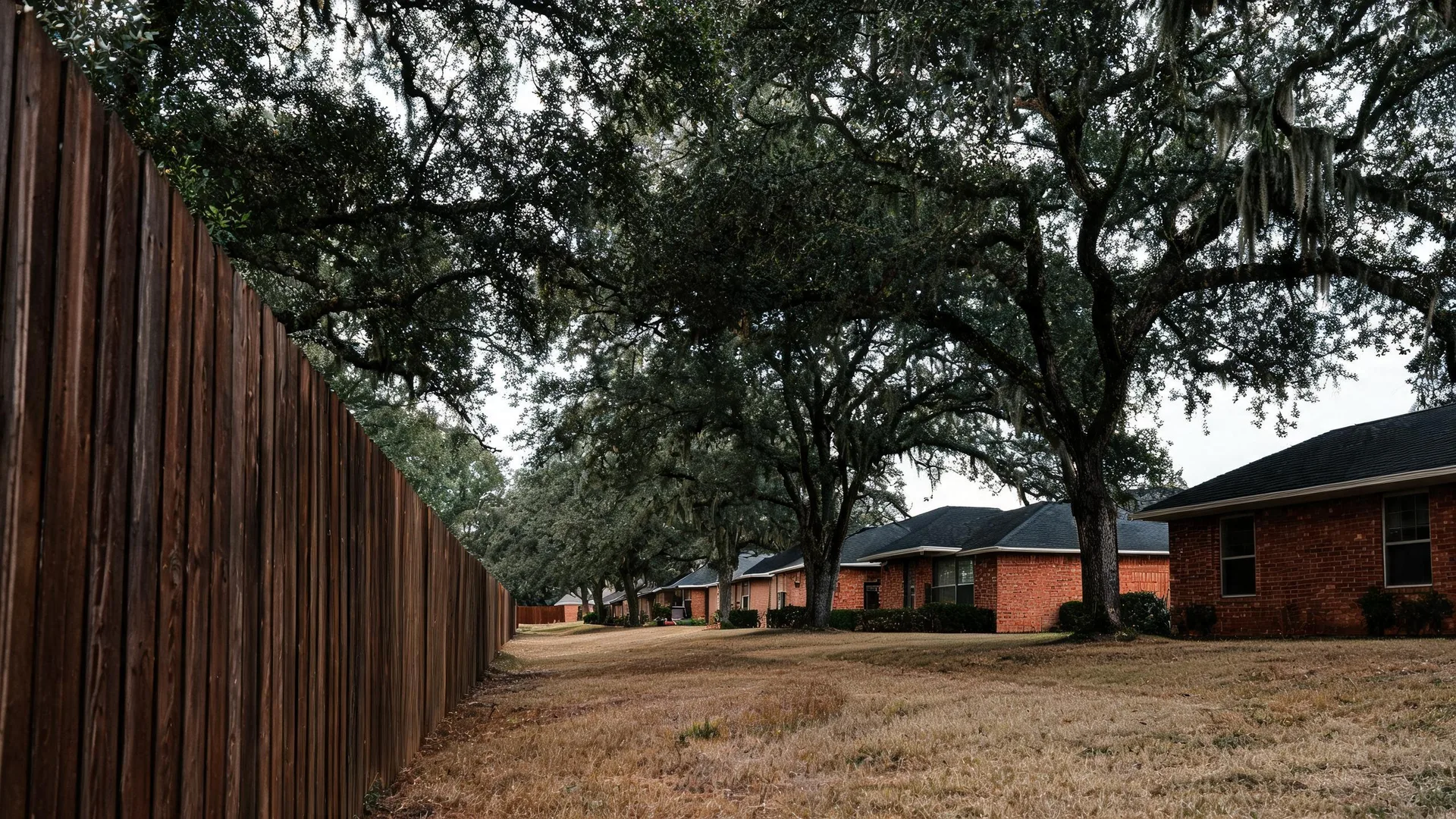
A tall wooden privacy fence runs along the left side of a dry grass strip, with a row of single-story brick houses and large spreading oak trees on the right under an overcast sky.

AC Repair in McAllen, TX

Tell us about the job

Takes about a minute. No obligation.

Step 1 of 3: Equipment

Your AC in McAllen runs about ten months a year, February through November. That's close to year round. During June, July and August, it's working against an afternoon high around 97°F, day after day. A system idle for one or two months and then asked to carry that kind of heat load gets a rest most of the country's units never get. Yours doesn't get that break. Parts wear sooner because of it, and a problem that would take years to show up elsewhere can show up now.

10 months
February through November, your air conditioner is on duty
97°F
the average summer afternoon it cools against
50 hail events
in ten years, and hail bends the fins on outdoor coils
90 wind events
in ten years, and wind drives debris into outdoor units
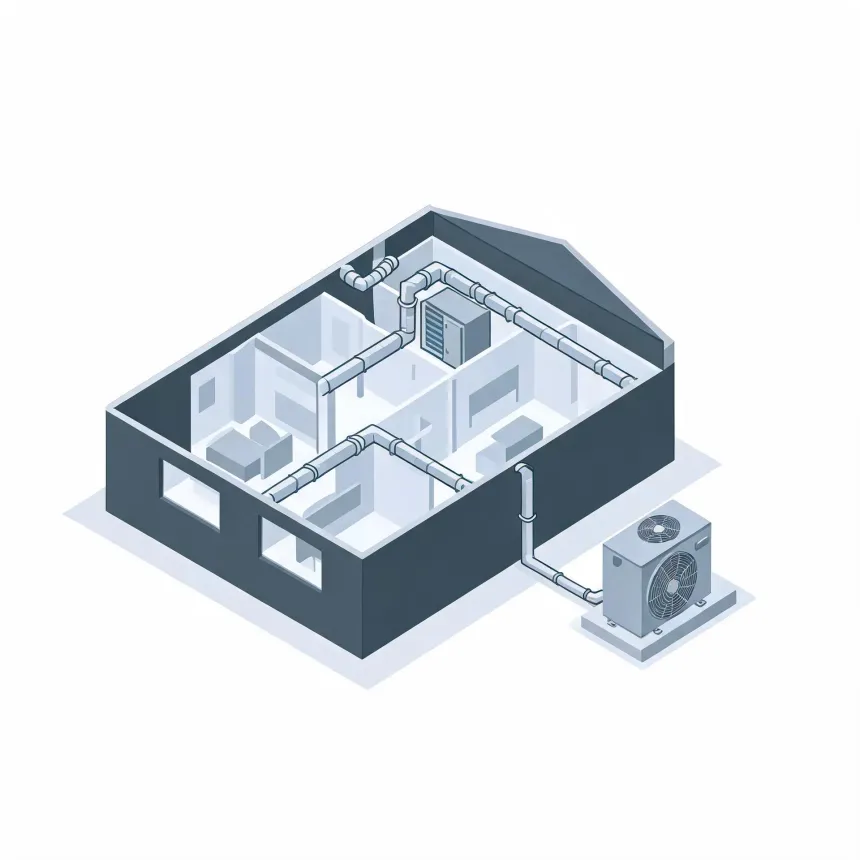
Isometric cutaway illustration of a house interior showing ducted air handling equipment and duct runs through rooms, connected by piping to an outdoor condenser unit on a pad outside the wall.
Your air conditioner works hardest from May through October.

NOAA nClimDiv, 1991–2020 normals

A failed compressor usually points to replacement, while a bad capacitor or low refrigerant charge is just a repair.

The diagnosis tells you which one you've got, so get that before you decide anything.

A unit pulling extra power here is a cost you'll see on the next bill

Power costs 14.94 cents a kWh statewide
Cooling runs February through November
Summer afternoons average 97°F

January is the one month cooling isn't running here. Once February hits, it goes back to work, and that first stretch is when a weak part tends to show itself. A capacitor that barely got through last year, a contactor with some pitting on it, a charge that was already a little low, none of that shows up while the system sits idle. It shows up the first time the system has to hold a temperature again. If yours was struggling by the end of last season, don't wait to find out if it made it through January. Have it looked at before the load comes back.

A struggling AC costs more every month it runs

Texas electricity ran 14.94 cents per kilowatthour in 2024, on the higher side for the country. Your AC already runs most months out of the year here. A unit that's struggling pulls more power to do the same job, and at that rate it adds up fast. Get it looked at before it costs you another month.

Find a contractor
A man in a cap, brown jacket and tan pants, seen from behind, carries a canvas tool bag up concrete steps toward an orange front door.
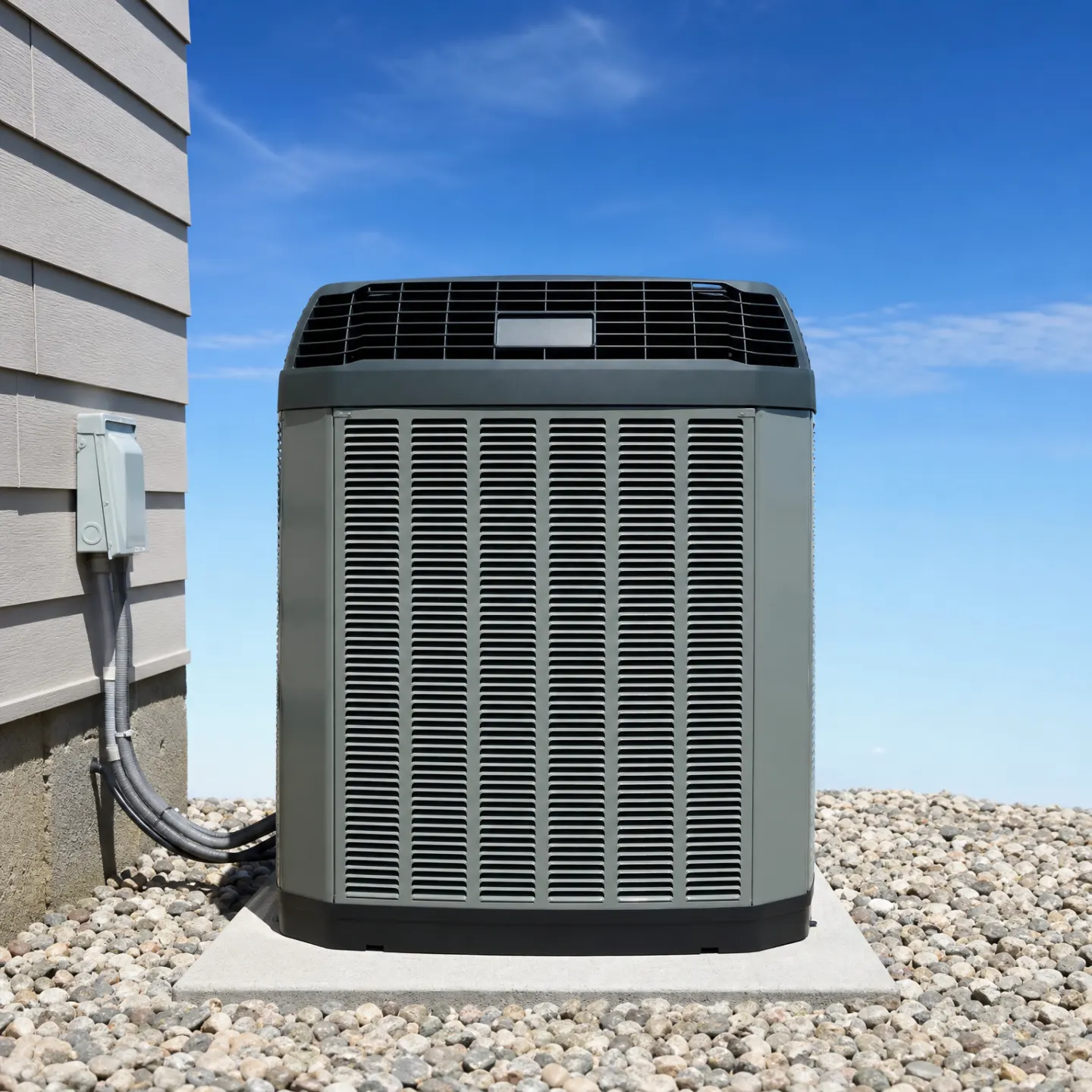
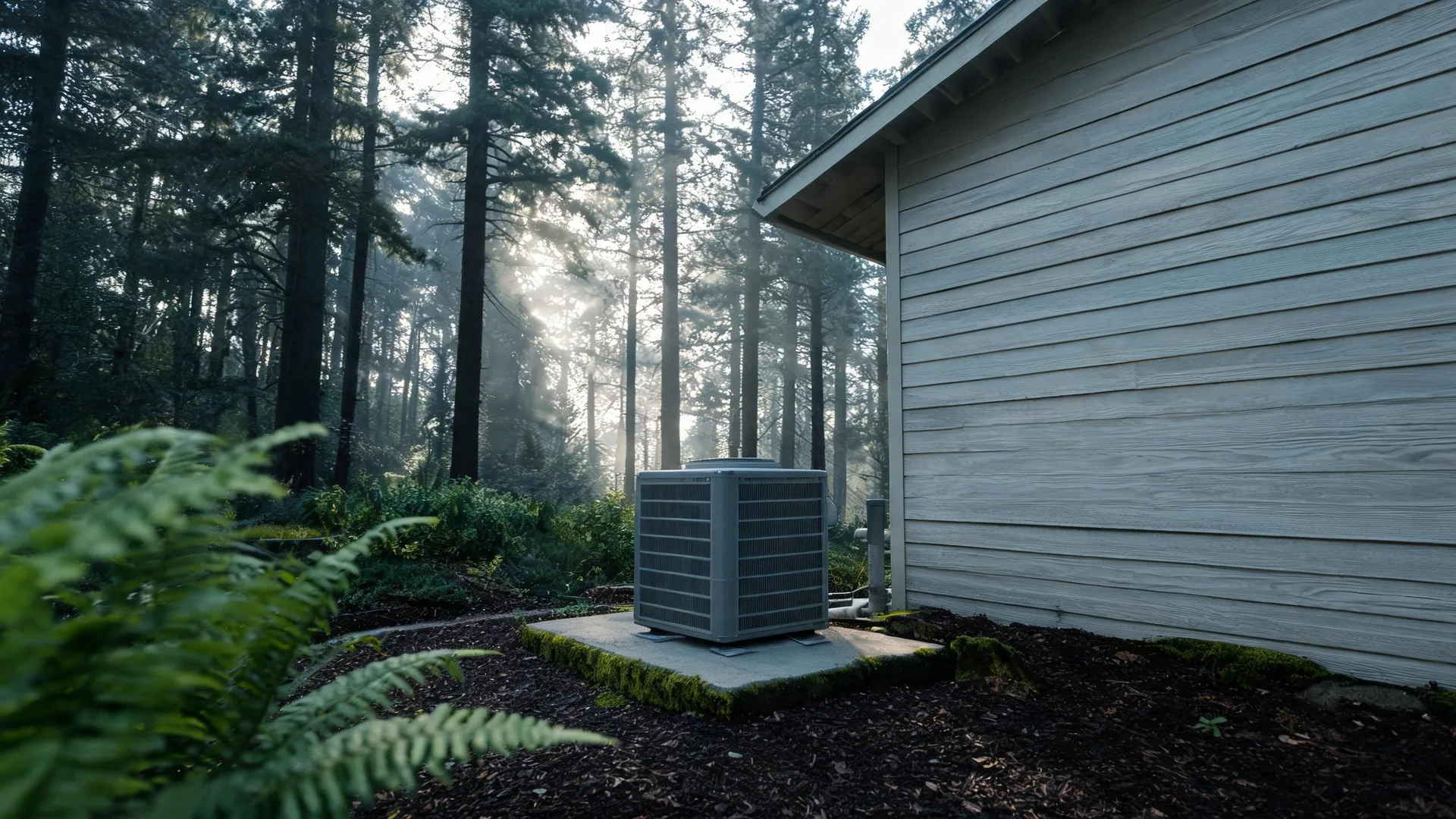
An outdoor air conditioning condenser unit mounted on a concrete pad beside a house, with electrical conduit running to a wall-mounted disconnect box.

The hours add up fast on a system that runs like this

Ten months a year of cooling doesn't leave much time for a system to sit and recover. A proper diagnosis will show which part gave out first, the capacitor, the charge, the contactor, and whether it's a quick fix or something more. Get that answer before you decide anything.

What you can check yourself

Look at the outdoor unit and see if the fan is spinning. Check the thermostat batteries and make sure it's set to cool, below room temperature. Go to the breaker panel and see if the AC breaker has tripped. Look at the vents inside and feel whether air is moving at all, even if it's not cold. Check the filter and see if it's clogged enough to block airflow. These take a few minutes and rule out the simplest causes.
What to leave alone

Don't open the outdoor unit's electrical panel or touch the wiring inside it. Don't add refrigerant yourself, even if you can buy it, because the wrong charge causes its own damage. Don't keep resetting a breaker that trips more than once, that's the system telling you something is wrong downstream. If the fix isn't on the list above, it's a job for someone who can test the capacitor, the charge and the contactor properly.

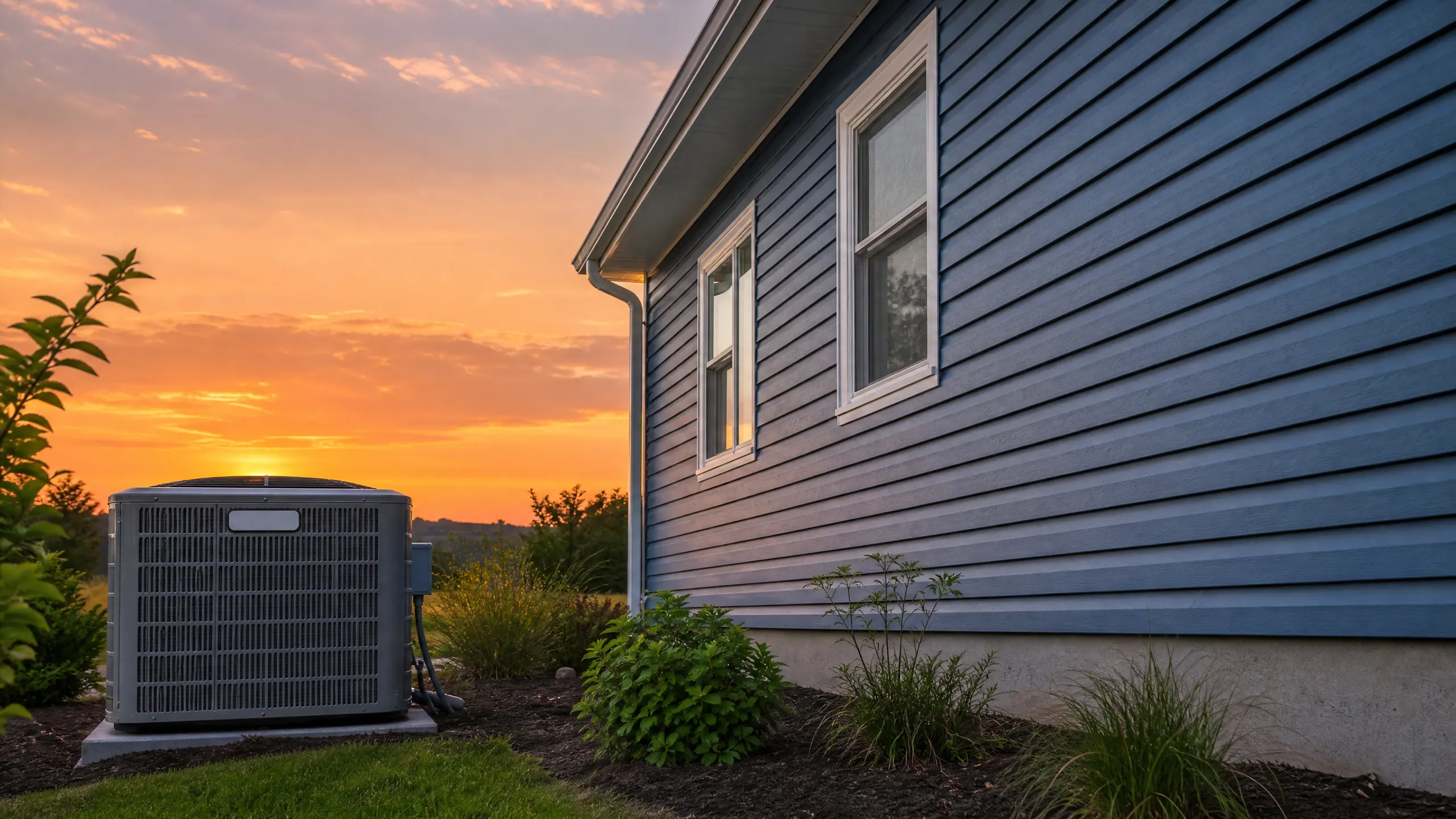
An outdoor air conditioning condenser unit positioned beside a blue-sided house at sunset.

A new air conditioner would cut about $120 a year off cooling for a typical Hidalgo County home.

  • A new one at the federal minimum, 14.3 SEER2$790 a year
  • An older air conditioner$910 a year

Estimates for a typical Hidalgo County home, compared with an older unit built to the previous federal minimum, from EIA household energy data, Texas fuel prices and NOAA climate normals. Your home will differ.

Repair makes sense when a part like a capacitor or contactor has failed.

Replacement makes sense when the compressor has failed or the system uses R-22 refrigerant, which is no longer made.

A diagnostic visit usually starts outside at the condenser. The tech checks the capacitor's output and looks at the contactor for pitting or burn marks. The refrigerant charge gets checked against what the system actually calls for, not just topped off. Inside, they'll look at the coil, the blower, and compare the return air temperature to the supply temperature. That difference tells them how much heat the system is pulling out of the air. Amp draw on the compressor and fan motor gets checked too, along with voltage at the disconnect. A capacitor reading low explains a fan that won't start on its own. A low charge points to a leak somewhere in the line, not a one-time fix. By the time all those readings are in, the tech usually knows which part failed and why.