




Texas Cooling Help
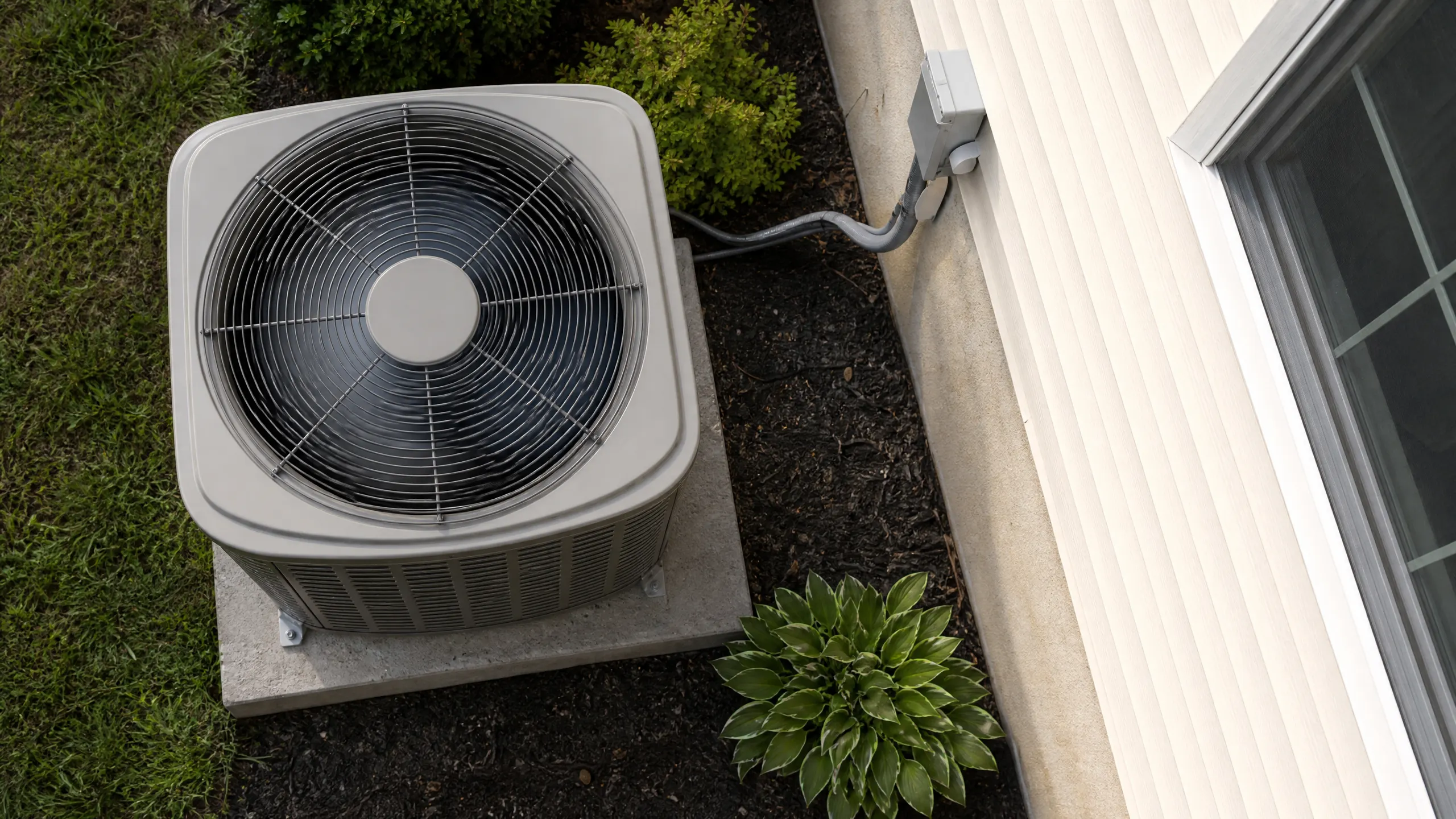
An overhead view of a residential air conditioning condenser unit mounted on a concrete pad next to a house with vinyl siding.

AC Repair in League City, TX

Tell us about the job

Takes about a minute. No obligation.

Step 1 of 3: Equipment

Your AC runs April through October here, about seven months out of the year. That's seven months of the compressor cycling on and off, all day, most days. League City sits in Galveston County, where the afternoon high averages 90°F through June, July and August. A system that size, running that long against that kind of heat, wears differently than one that gets a few months off. Parts that would last years somewhere cooler give out sooner here. If something's acting up, it's worth finding out what's actually wearing down before it fails for good.

7 months
April through October, your air conditioner is on duty
90°F
the average summer afternoon it cools against
19 hail events
in ten years, and hail bends the fins on outdoor coils
48 wind events
in ten years, and wind drives debris into outdoor units
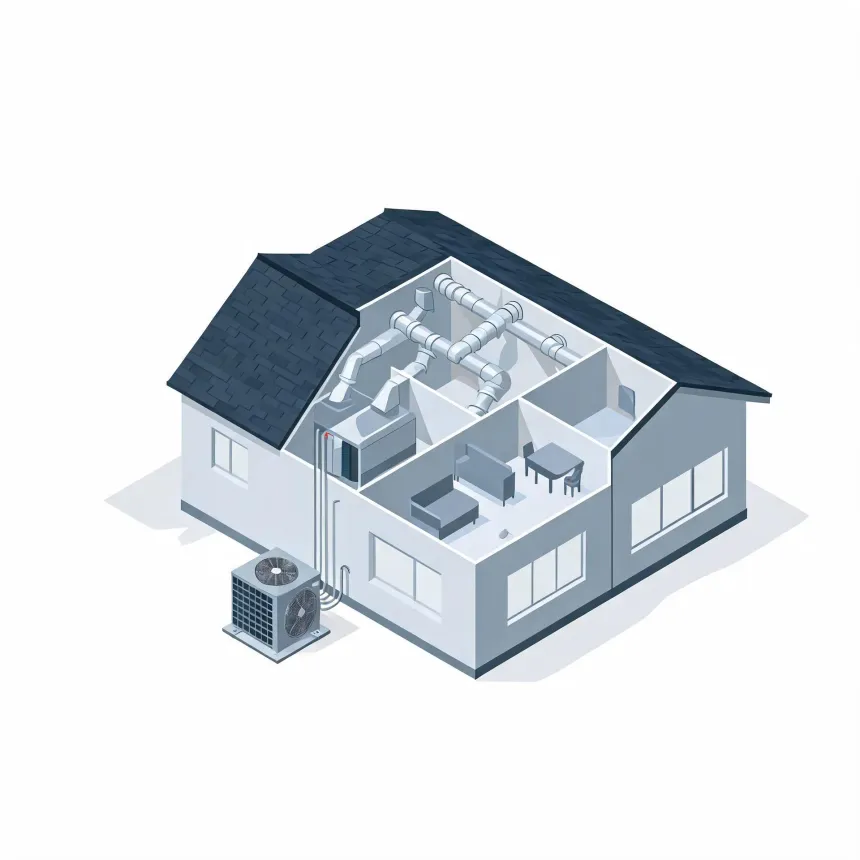
Isometric illustration of a cutaway single-story house showing attic ductwork, an indoor air handler, interior rooms with furniture, and an outdoor condenser unit connected by lines, on a white background.
Your air conditioner works hardest from May through September.

NOAA nClimDiv, 1991–2020 normals

Half the homes in Galveston County were built in 1990 or later.

If your AC came with a newer house, the system itself is probably not the problem.

April's first hot stretch finds whatever was already weak

Cooling runs April through October
Summer afternoons average 90°F
Power costs 14.94 cents a kWh statewide
The cost of running it brokenTexas homes paid 14.94 cents per kilowatt-hour in 2024

A tech starts outside at the condenser, checking the capacitor and the contactor before anything else, since those parts fail more than most. Next comes the refrigerant charge, checked with gauges, not guessed at. Low charge almost always means a leak somewhere, and a good tech will tell you that rather than just topping it off. Inside, they'll check the evaporator coil for ice or buildup and look at airflow across it. If the system is short cycling or not cooling evenly, the problem is usually in one of these places, not something mysterious. A real diagnosis ends with the tech telling you which part failed and why, not just that something did.

Find out what's actually wrong, not just what's broken today

A system that runs this hard for this long doesn't fail at random. Something specific wore out, faster than it would somewhere milder. Get it diagnosed and fixed right, and it'll hold up for the next seven-month stretch.

Find a contractor
A man in a dark shirt jacket and tan work pants, seen from behind, carries a worn canvas duffel bag up stone steps toward an orange front door flanked by a potted shrub.
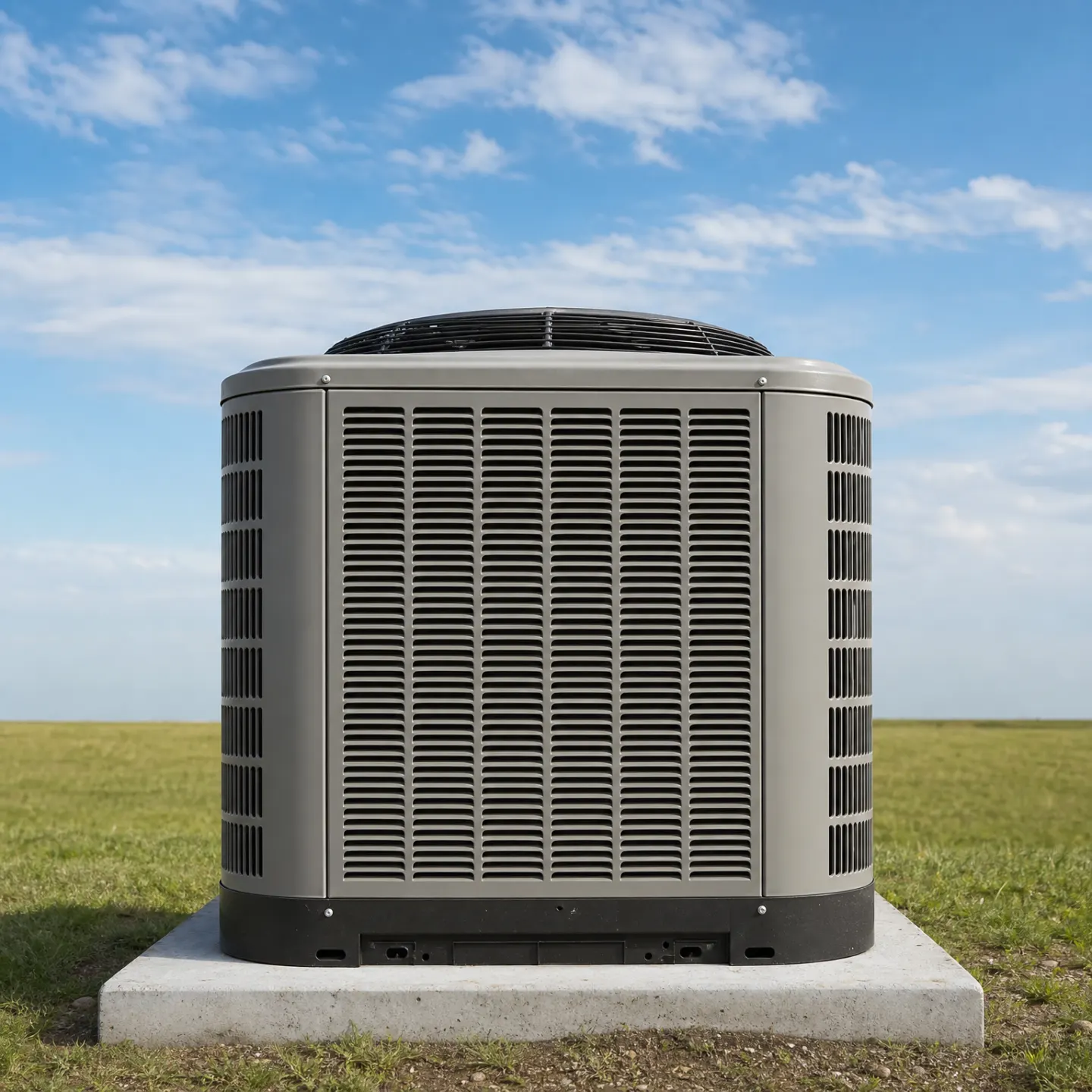
A gray metal air conditioning condenser unit mounted on a concrete pad in a flat grassy field under a partly cloudy sky.

Left running, a small problem finds the part next to it

A weak capacitor still lets the compressor start, so the system keeps running after the trouble begins. Each start after that pulls harder on the motor windings, and heat builds somewhere it shouldn't. A refrigerant leak behaves the same way. The system keeps cooling, a little worse each week, while the compressor works harder to move less. Run it long enough on a low charge and the compressor itself can take the damage. Ice on the evaporator coil follows the same pattern. A little ice blocks airflow, which drops the coil's temperature further, which grows more ice. Left alone, it can seal the coil solid and starve the system of air entirely. None of these start out serious. They get serious because the system never stops to let the problem stay small.

Most failures trace back to the same few parts

The capacitor and contactor at the outdoor unit take the most abuse, since they handle the electrical load every time the compressor cycles on. The fan motor and the compressor itself fail less often, but they're doing more work when they do. A clogged filter or a dirty condenser coil doesn't break anything by itself, but it forces every other part to work harder, which is usually how the bigger failures get started.
What that means for your AC

If your system is cutting off, not cooling like it used to, or making a hard clicking sound at startup, the capacitor is the first thing worth checking, not the last. Catching it there is a small job. Let it go, and the strain moves down the line to the compressor, which doesn't fail quietly.

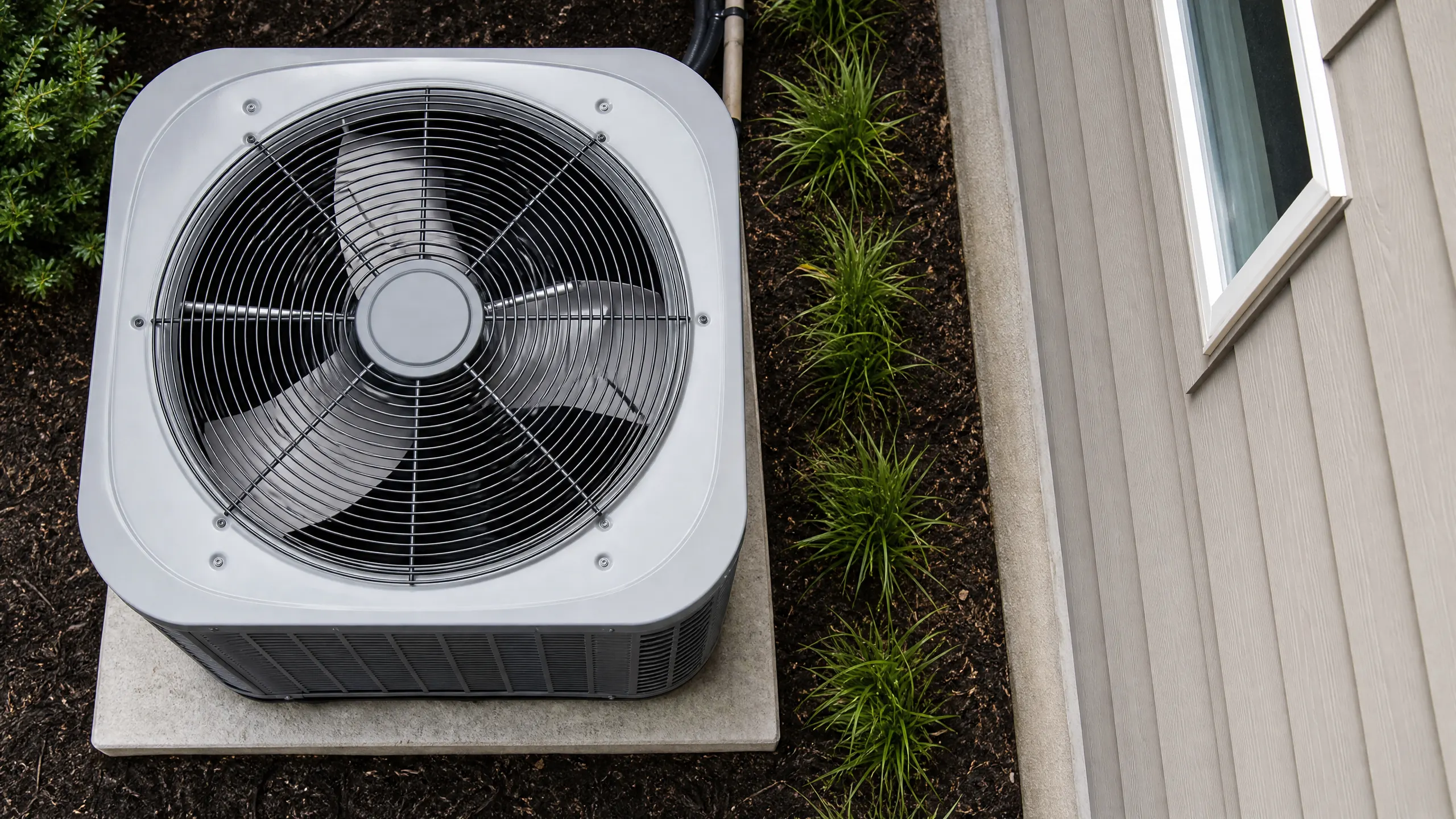
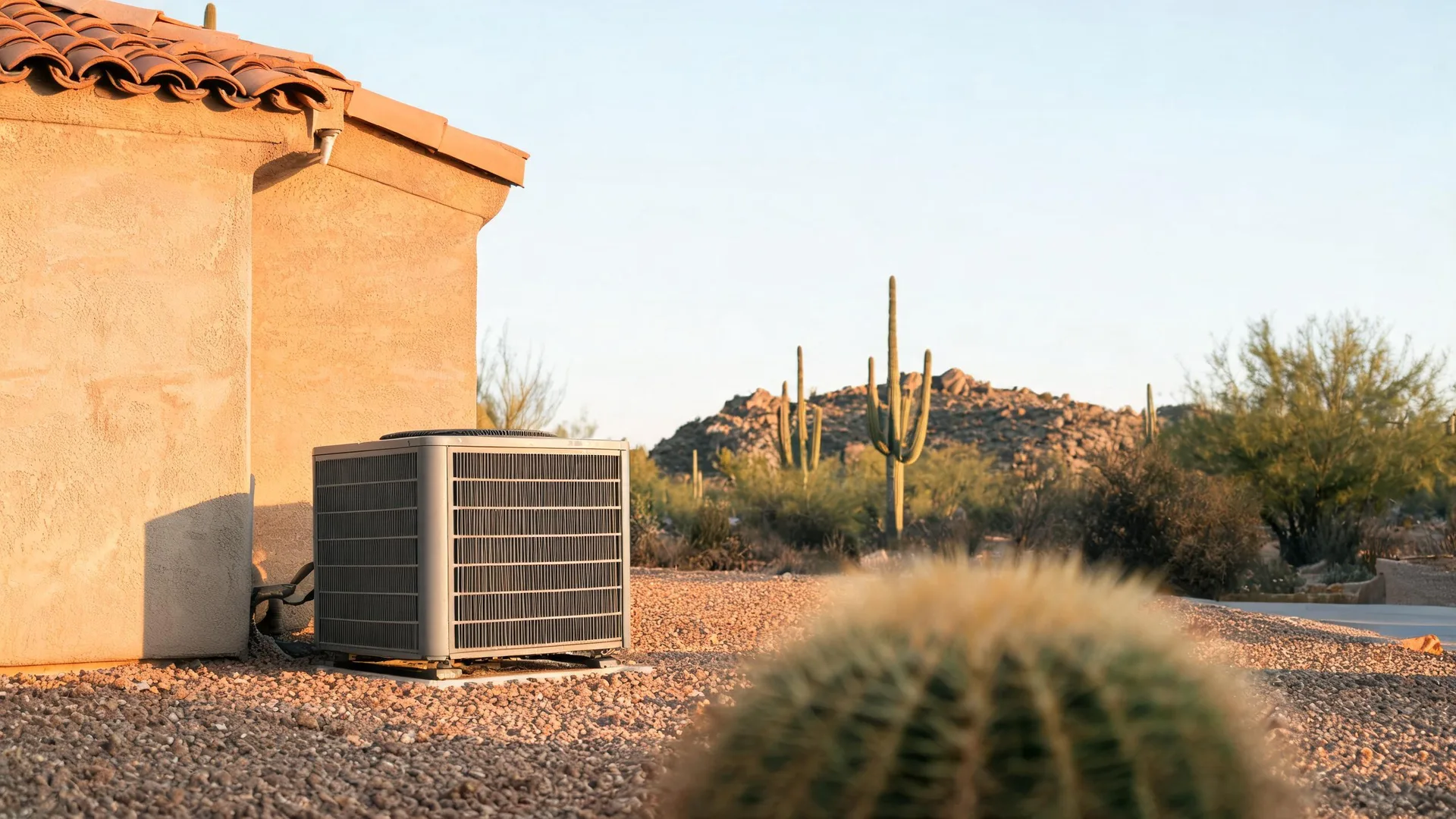
An outdoor air conditioning condenser unit on a concrete pad next to the gray vinyl siding of a residential home.

A new air conditioner would cut about $90 a year off cooling for a typical Galveston County home.

  • A new one at the federal minimum, 14.3 SEER2$570 a year
  • An older air conditioner$660 a year

Estimates for a typical Galveston County home, compared with an older unit built to the previous federal minimum, from EIA household energy data, Texas fuel prices and NOAA climate normals. Your home will differ.

Repair makes sense when a part like a capacitor or contactor has failed.

Replacement makes sense when the compressor has failed or the system uses R-22 refrigerant, which is no longer made.

Repair or replace comes down to what's actually failing and what else is close behind it. A capacitor, a contactor, a fan motor, these are parts a system needs regardless of its age, and replacing one doesn't say anything about the rest of the unit. The compressor is different. It sits at the center of the system, and when it's the one failing, a tech is really asking whether it's worth putting a major part into a system that's already shown it's wearing down. Age matters less than pattern. One failure is a repair. A string of different parts failing over a short stretch means the system is reaching the point where fixing the next thing just uncovers the one after it. A good tech will tell you which kind of problem you have before they tell you what it costs to fix.