Texas Cooling Help
Suburban brick ranch houses with glowing exterior lights photographed at dusk beneath a twilight sky, with a large oak tree in the foreground.

AC Repair in Fort Worth, TX

Tell us about the job

Takes about a minute. No obligation.

Step 1 of 3: Equipment

What the repair history tells you

A compressor or a condenser coil that's failed once tends to be nearing the end either way. If this is the second or third repair call on the same unit in a short span, that pattern matters more than the specific part this time. A system that's otherwise been left alone and just hit its first real problem is a different story than one that keeps finding new ways to fail.

What a tech should tell you before any work starts

A straight answer on what's actually wrong, not just a part number. Whether the refrigerant in your system is still easy to get, since older systems use a type that's being phased out and harder to source. And whether the fix solves the problem in front of you or just buys time before the next one shows up.

6 months
May through October, your air conditioner is on duty
94°F
the average summer afternoon it cools against
416 hail events
in ten years, and hail bends the fins on outdoor coils
253 wind events
in ten years, and wind drives debris into outdoor units
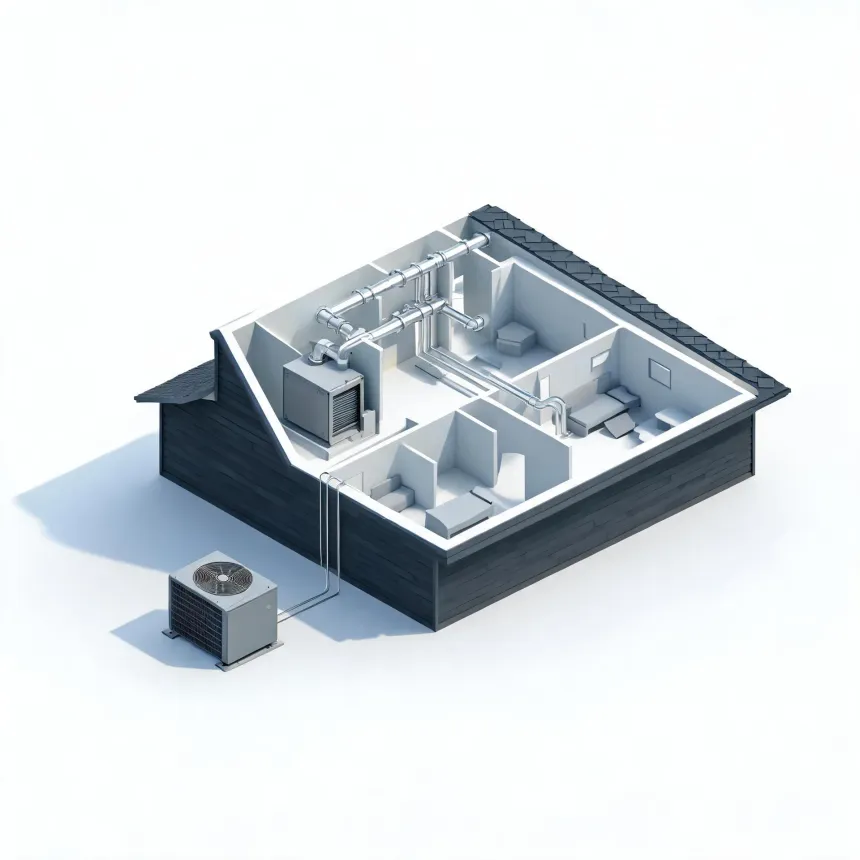
Isometric 3D cutaway render of a house with dark siding showing interior rooms, ductwork and an air handler, connected by lines to an outdoor condenser unit on a white background.
Your air conditioner works hardest from June through September.

NOAA nClimDiv, 1991–2020 normals

AC here runs May through October.

The first hot stretch in May is when a weak compressor or capacitor that made it through last summer finally gives out.

Six months of 94 degree afternoons wear out parts most states never test

Cooling runs May through October
Summer afternoons average 94°F
253 damaging wind events from 2015 to 2024
Half the homes here were built in 1990 or laterA newer house often means the AC still has years left in it.

Electricity here runs 14.94 cents a kilowatt-hour, higher than a lot of the country. A failing capacitor or a dirty coil makes the compressor work harder to do the same job, and that shows up on the bill before it shows up as a breakdown. Run a struggling system through a Fort Worth summer and you're paying that penalty for months, not days. Fixing it early costs less than feeding a bad unit all season.

Get it looked at early

Problems tend to show up in the first weeks of the season, when the load hits a part that was already weak.

Find a contractor
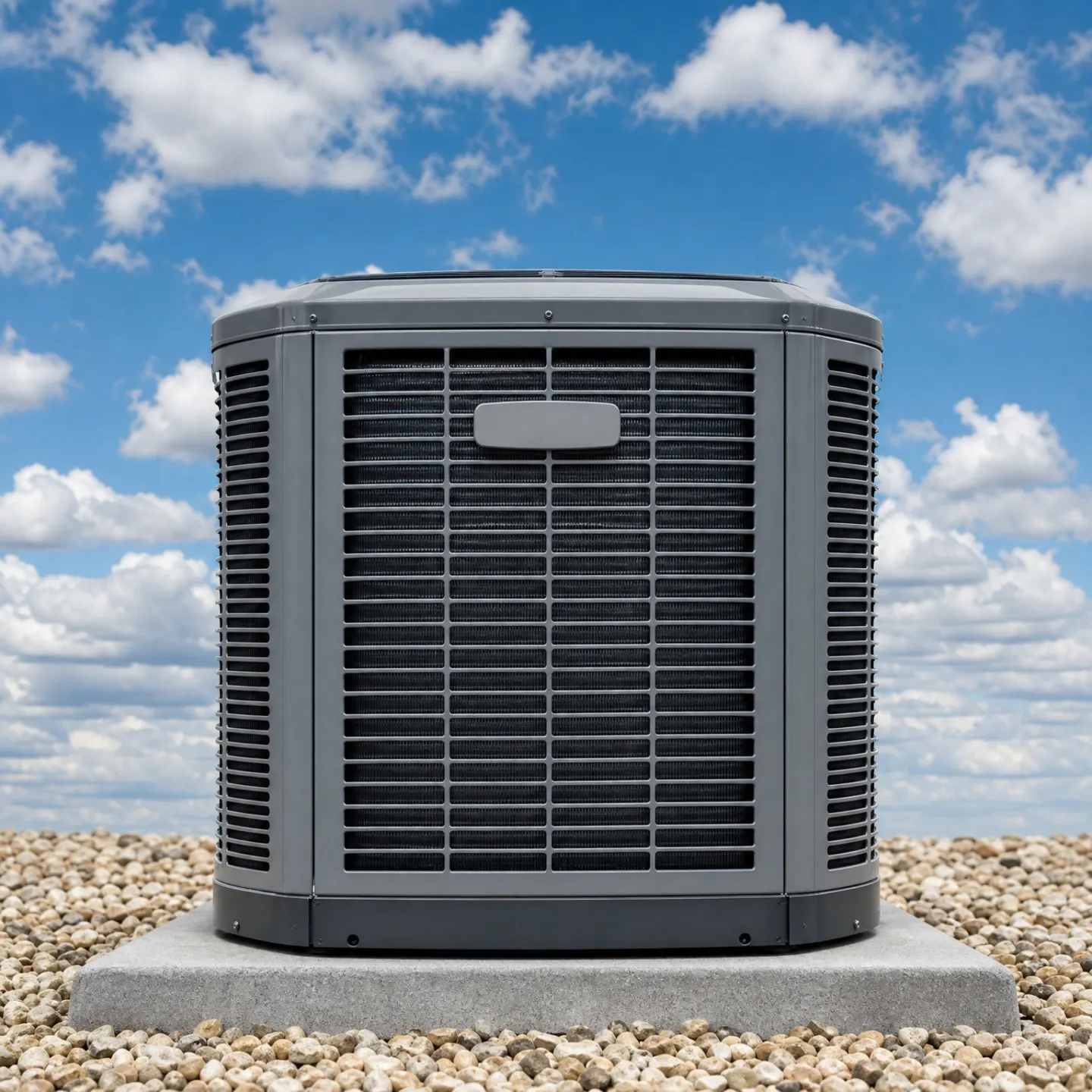
An outdoor air conditioning condenser unit mounted on a concrete pad surrounded by gravel, photographed against a partly cloudy blue sky.

What to check before you pick up the phone

Before anyone comes out, check the easy things first. Look at the thermostat and make sure it's set to cool and set below room temperature, not just sitting there. Go to the breaker panel and check that both the furnace and the outdoor unit breakers are on, since a tripped breaker will stop the whole system cold. Pull the air filter and hold it up to a light. If you can't see light through it, that's choking off airflow and can freeze the coil or strain the compressor. Walk outside and look at the condenser unit itself. Leaves, grass clippings or a cover left on will block airflow the same way a dirty filter does, and clearing the area around it is worth doing either way. If there's ice on the indoor coil or the refrigerant line, shut the system off and let it thaw completely before anyone touches it, since running it iced up just adds strain. Check the drain line near the indoor unit for standing water, and if there's a shutoff switch nearby that's tripped, that usually means the pan sensed water where it shouldn't be. None of this fixes a bad capacitor or a low charge, but it rules out the simple stuff before a tech has to.

What you'll notice first

Warm air out of the vents, a system that won't shut off, or short cycling where it kicks on and off every few minutes. Sometimes it's a sound instead, a hard clank at startup, a squeal from the outdoor unit, or a hiss that wasn't there before. Water pooling near the indoor unit usually means a clogged drain line or a frozen coil that's started to thaw. Any of these is worth a call, not a wait and see.

What the symptom is actually telling you

Warm air can mean a low refrigerant charge, a failed capacitor, or a compressor that's wearing out, and a tech needs to check which one before anything gets replaced. Ice on the coil almost always points to restricted airflow or a charge that's off, and running the system that way just puts more strain on the compressor. A clanking sound at startup often means a part has worked loose. A squeal from the outdoor unit usually means a motor bearing is going. None of these get better by running the system longer.

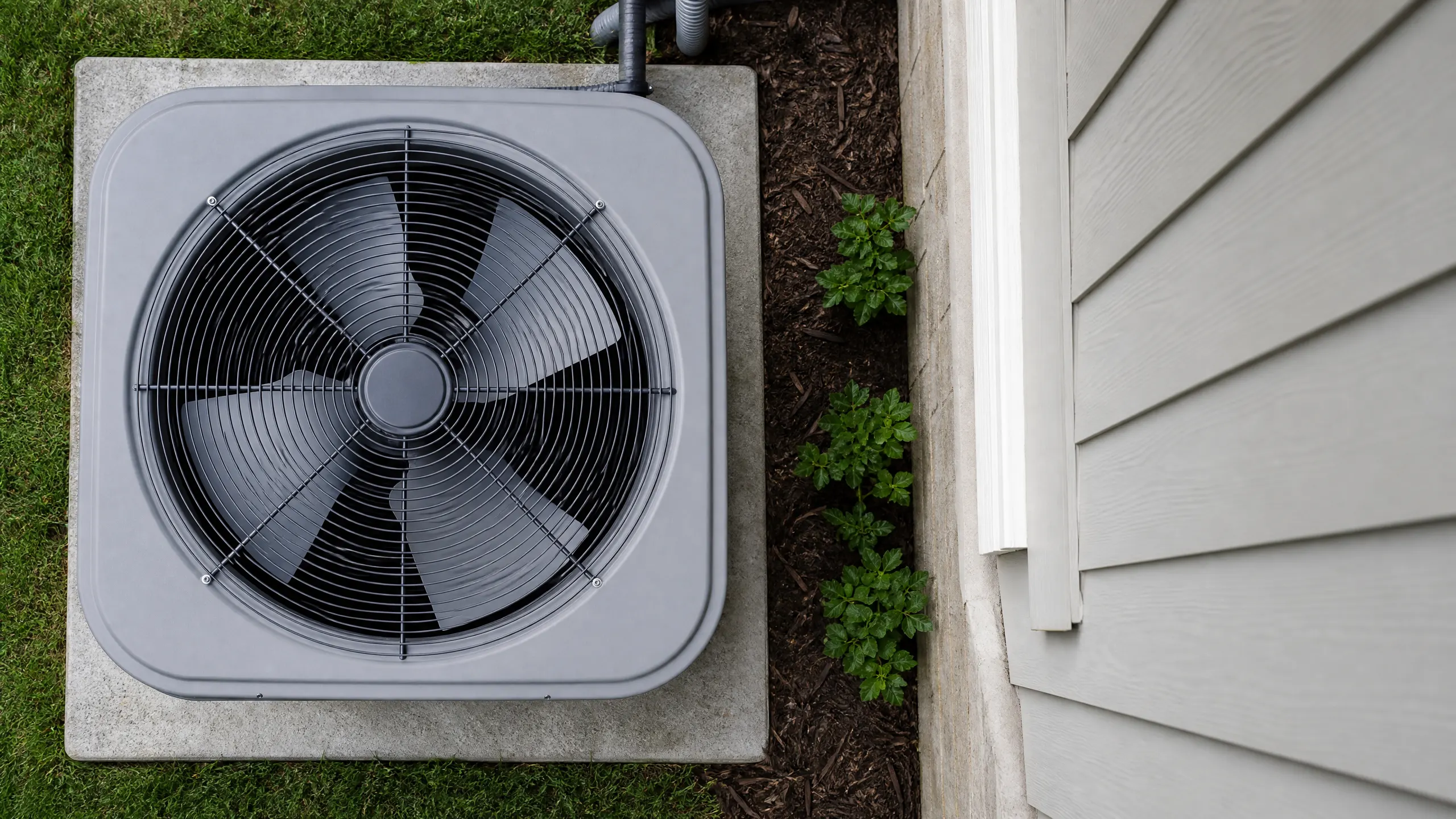
Aerial view of a gray central air conditioning condenser unit on a concrete pad next to a house with vinyl siding.

A new air conditioner would cut about $70 a year off cooling for a typical Tarrant County home.

  • A new one at the federal minimum, 14.3 SEER2$490 a year
  • An older air conditioner$560 a year

Estimates for a typical Tarrant County home, compared with an older unit built to the previous federal minimum, from EIA household energy data, Texas fuel prices and NOAA climate normals. Your home will differ.

Repair makes sense when a part like a capacitor or contactor has failed.

Replacement makes sense when the compressor has failed or the system uses R-22 refrigerant, which is no longer made.

A diagnostic starts outside, not at the thermostat. The tech checks the capacitor first, since that part fails more than any other and takes seconds to test. Next is the refrigerant charge, measured at the lines rather than guessed from how the air feels. The coil gets a look too, front and back, for ice or a coating of dirt thick enough to block airflow. Electrical connections get checked for a loose wire or a burnt contactor, since a connection that's worked itself loose can mimic a failing part that's actually fine. Only after all of that does a tech say what's actually wrong, and that order matters more than how fast the visit goes.