Texas Cooling Help
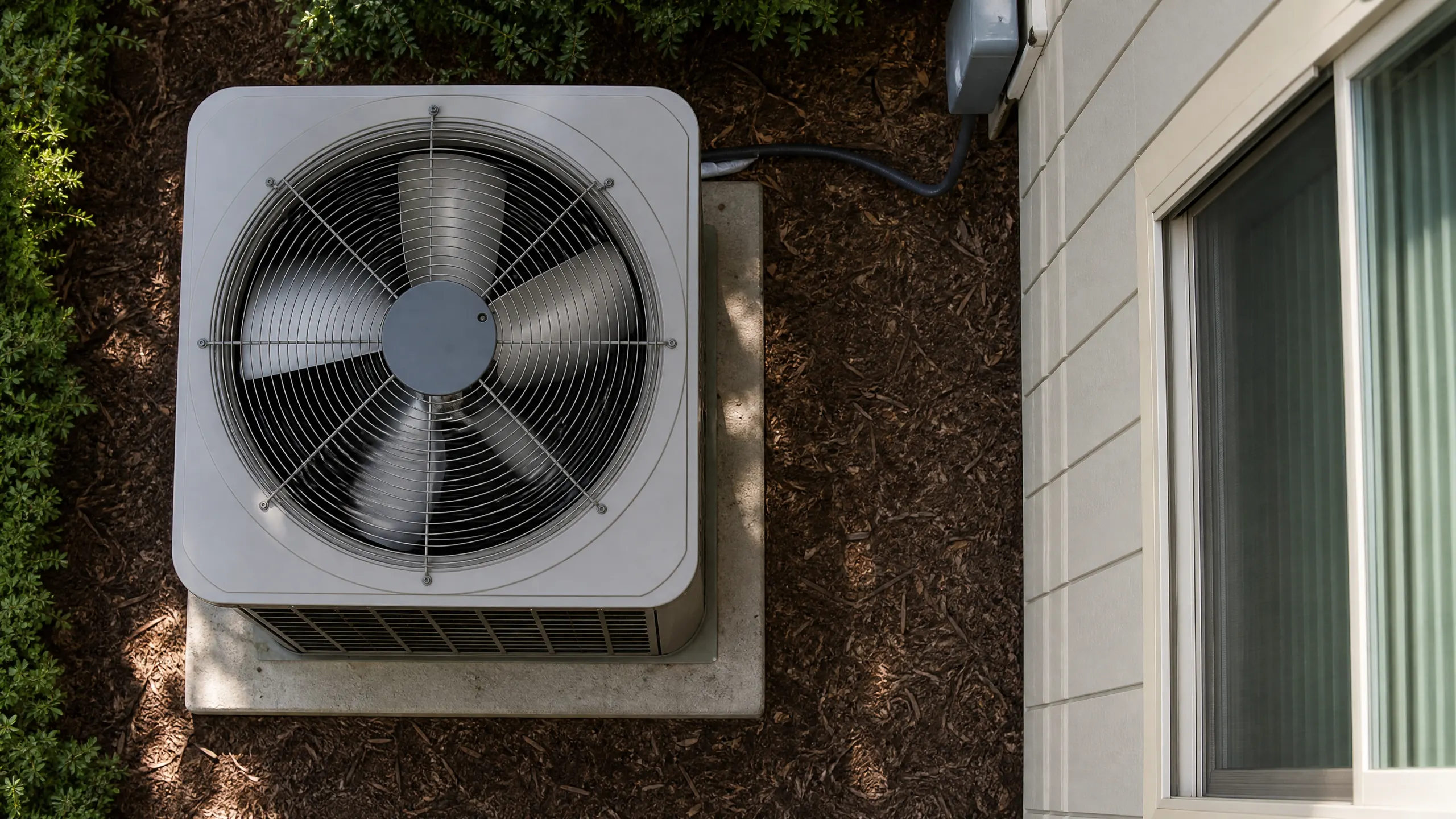
Aerial view of a square outdoor air conditioning condenser unit on a concrete pad beside a house wall with a sliding glass door.

AC Repair in San Angelo, TX

Tell us about the job

Takes about a minute. No obligation.

Step 1 of 3: Equipment

Seven months of cooling, and triple digits close by

AC here runs April through October, and the afternoon high averages 95°F in June, July and August. That kind of stretch doesn't give a system much chance to rest, and a unit that runs that long wears parts faster than one that cycles on and off a few months a year.

Hail and wind add their own damage

Tom Green County saw 171 hail events and 171 damaging wind events between 2015 and 2024. A condenser sits outside, and bent fins or a dented cabinet from a storm can cause problems that have nothing to do with normal wear.

7 months
April through October, your air conditioner is on duty
95°F
the average summer afternoon it cools against
171 hail events
in ten years, and hail bends the fins on outdoor coils
171 wind events
in ten years, and wind drives debris into outdoor units
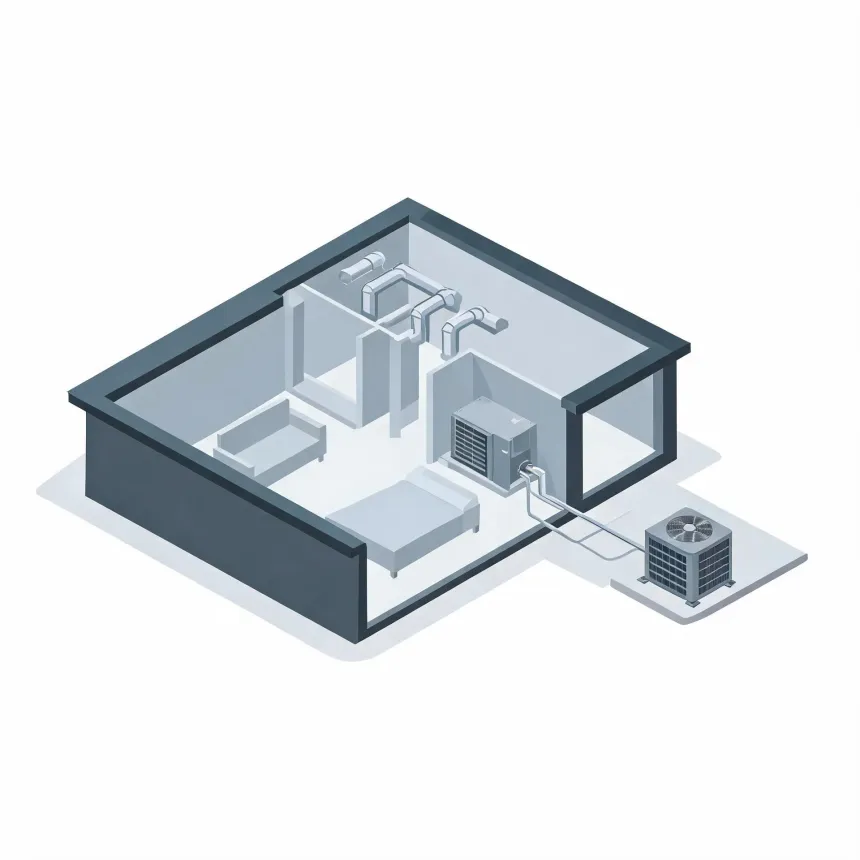
Isometric cutaway illustration of a small home interior with furniture and ducting, showing an indoor air handler connected by lines to an outdoor condenser unit on a pad.
Your air conditioner works hardest from May through September.

NOAA nClimDiv, 1991–2020 normals

A struggling compressor still runs when you call for cool, it just can't keep up.

Keep running it on a low charge or a bad start capacitor and that compressor can burn out for good.

A system that runs this much costs you more every month it runs wrong

Power costs 14.94 cents a kWh statewide
Climate zone 3B
Cooling runs April through October

March is worth a call before cooling starts up for the year. Once April hits, this system runs flat out through October, and whatever was already weak gets found fast. A capacitor or a contactor that was marginal in the fall has sat through winter doing nothing, and the first real stretch of heat asks it to work again. That's usually when it fails, not slowly but all at once, right as the season turns. Getting it looked at in March catches that before the load does.

Get it diagnosed properly

Your air conditioner works hard here, and that's usually what's behind the problem. Have it diagnosed properly so the fix lasts.

Find a contractor
A man in a cap, dark shirt and tan work pants, seen from behind carrying a worn canvas tool bag, steps up onto a porch toward an orange front door beside a potted shrub.
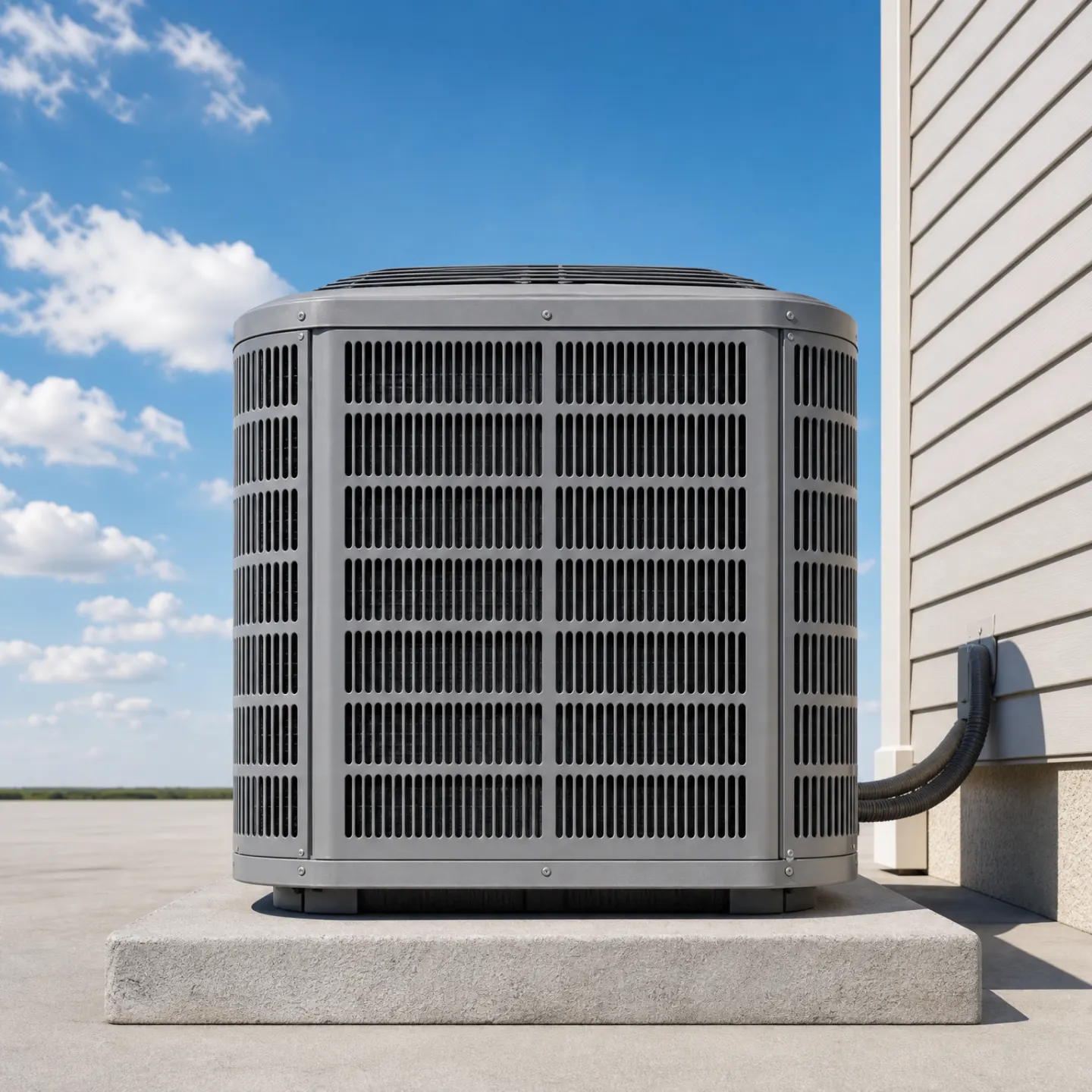
A gray cylindrical air conditioning condenser unit mounted on a concrete pad next to a light-colored vinyl-sided house exterior.

Long runtime means a quick fix doesn't always hold

Seven months of runtime with summer afternoons near 95 wears parts down faster than a diagnosis can always catch on the first look. If a repair doesn't hold, or the same symptom comes back a few weeks later, that's worth a second visit before the heat finds the next weak part.

Check the thermostat and the filter first

Make sure the thermostat is set to cool and set below room temperature, and check the batteries if it uses them. Then look at the air filter. A filter clogged with dust blocks airflow across the evaporator coil, and that coil can ice over when it doesn't get enough air moving past it. If you pull the filter and can't see light through it, that's likely part of the problem right there.

Look at the outdoor unit before you call

Walk outside and look at the condenser. Leaves, grass clippings or a fallen branch packed against the cabinet block airflow the same way a dirty filter does. Check that the fan inside is spinning when the system calls for cool, and listen for a hum with no fan movement, which points to a failed capacitor or a seized motor rather than something simple. Don't stick anything into the unit or open the cabinet, just clear what you can reach from the outside.

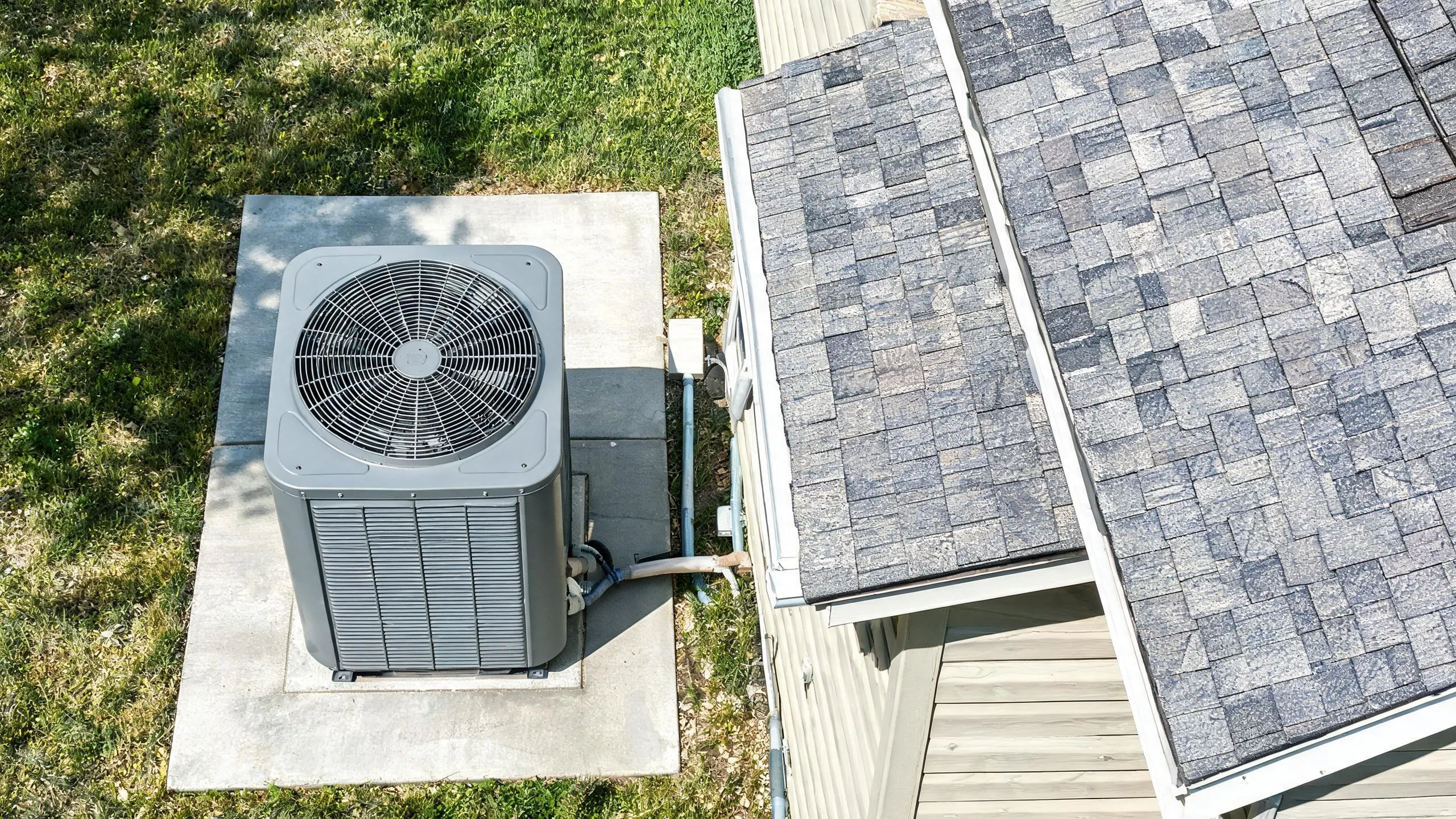
Overhead view of a gray residential air conditioning condenser unit mounted on a concrete pad beside a house with asphalt shingle roofing.

A new air conditioner would cut about $60 a year off cooling for a typical Tom Green County home.

  • A new one at the federal minimum, 14.3 SEER2$450 a year
  • An older air conditioner$510 a year

Estimates for a typical Tom Green County home, compared with an older unit built to the previous federal minimum, from EIA household energy data, Texas fuel prices and NOAA climate normals. Your home will differ.

Repair makes sense when a part like a capacitor or contactor has failed.

Replacement makes sense when the compressor has failed or the system uses R-22 refrigerant, which is no longer made.

A diagnostic visit starts before any panel comes off. A tech will ask what the system is doing, when it started, and whether anything changed right before it did. Then they check pressures and temperatures, the refrigerant charge, the amp draw on the compressor and fan motor, and the capacitor's output against what it's rated for. They'll pull the filter if it's still in, check the coil for ice or buildup, and look at the drain line, since a clogged one can shut the whole system down on its own through a safety switch. None of this is guesswork. Each reading either falls in range or it doesn't, and that's what points to the actual failed part instead of just the symptom it's causing.