Texas Cooling Help
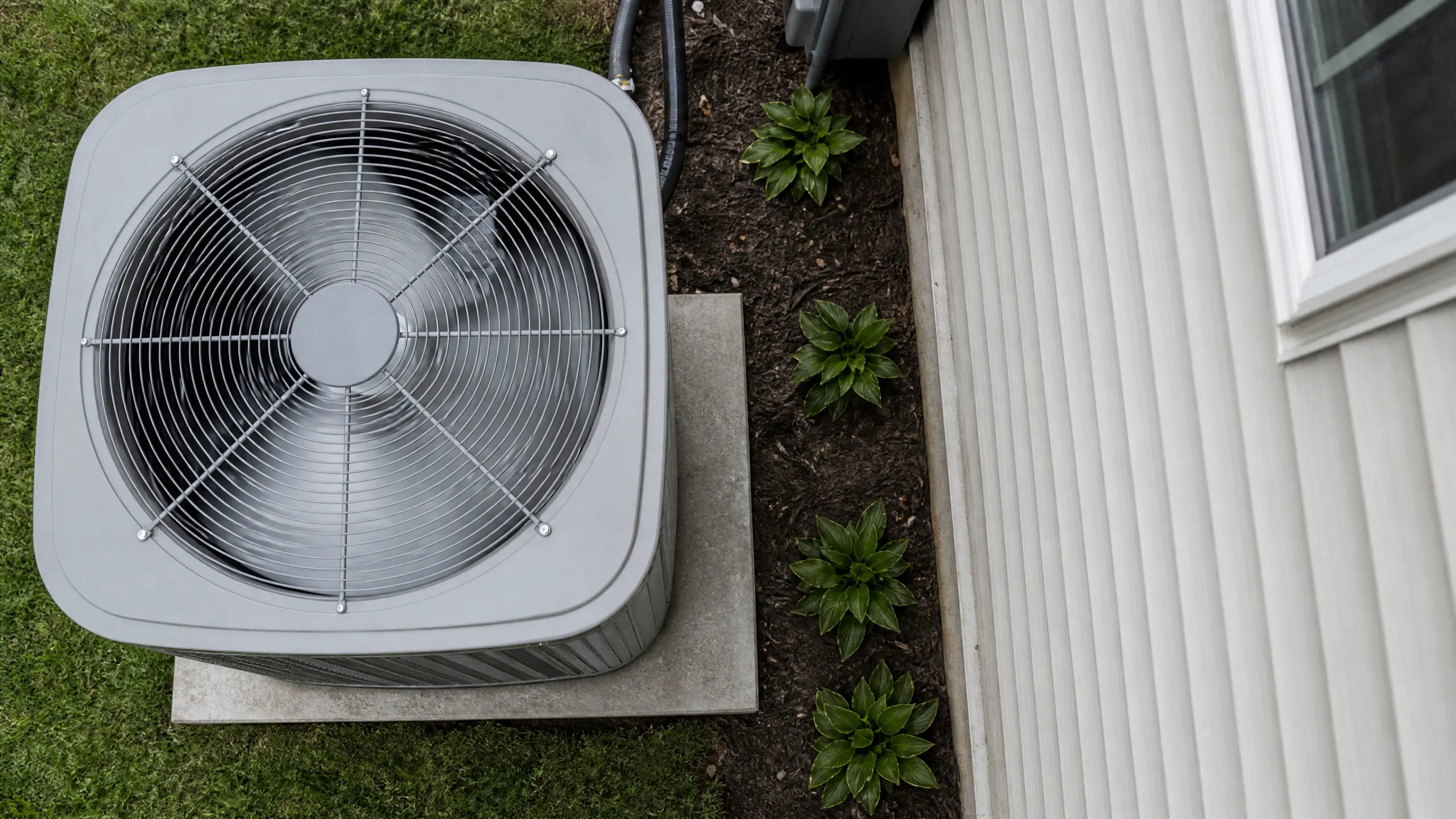
Overhead view of a gray outdoor AC condenser unit on a concrete pad beside a mulched garden bed and a house with vinyl siding.

AC Repair in Amarillo, TX

Tell us about the job

Takes about a minute. No obligation.

Step 1 of 3: Equipment

What the repair actually tells you

A capacitor or contactor failing on an older system is a small job with no real meaning beyond itself. A compressor starting to go, or a coil that keeps freezing up, says something about where the whole system stands. The same word, repair, covers both, and the part that failed is what tells you which one you're dealing with.

Why age changes the math

An old AC unit has a compressor and coil that have been through years of heat cycles, and once one major part fails, others tend to follow before long. Putting money into an old system often means paying again soon on something else. On a newer unit, the same repair just fixes the thing that broke and the system goes back to normal.

5 months
May through September, your air conditioner is on duty
92°F
the average summer afternoon it cools against
195 hail events
in ten years, and hail bends the fins on outdoor coils
196 wind events
in ten years, and wind drives debris into outdoor units
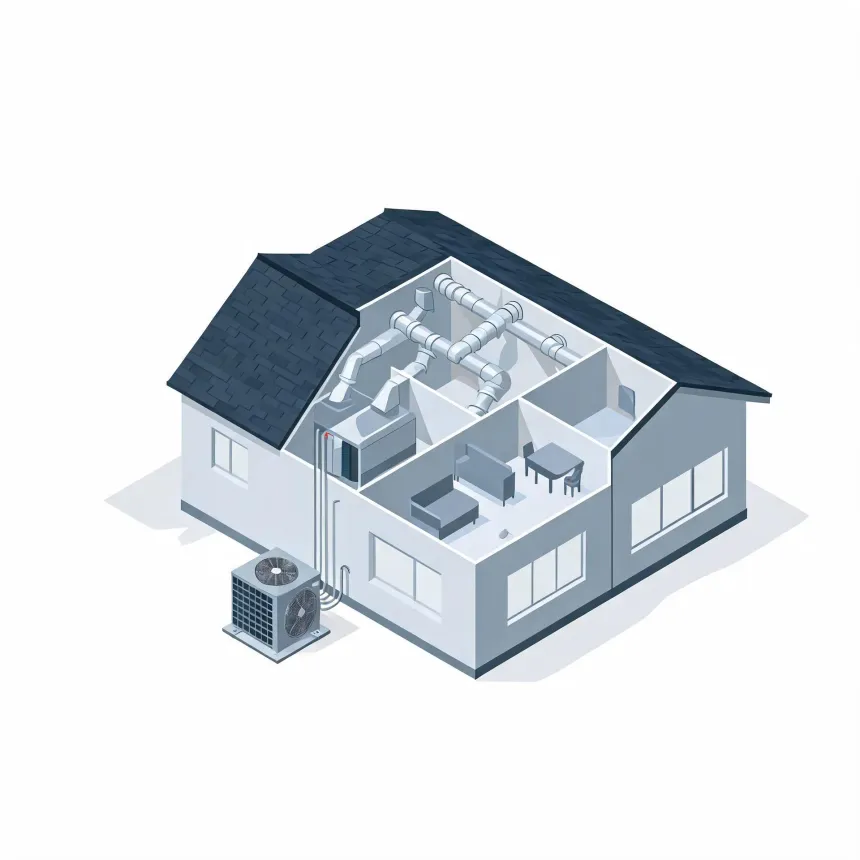
Isometric illustration of a cutaway single-story house showing attic ductwork, an indoor air handler, interior rooms with furniture, and an outdoor condenser unit connected by lines, on a white background.
Your air conditioner works hardest from June through August.

NOAA nClimDiv, 1991–2020 normals

Warm air from a vent that used to run cold means the system stopped doing its one job.

Short cycling, ice on the coil, a compressor that hums but won't start. Each points to a different repair, and the one that gets picked matters.

Half the homes here are old enough that this AC has probably already been replaced once

Half the homes here were built by 1963
Cooling runs May through September
Summer afternoons average 92°F
Amarillo pays more to run a bad ACTexas homes paid 14.94 cents per kilowatt-hour in 2024

Cooling runs May through September here. April is the month before it starts, and that makes it the month to find out what's weak before the system has to work. A capacitor or contactor that was already weak tends to show it in the first stretch of real heat, not before. Once May hits and the system is running every day, there's less room to wait on a repair that could have been caught in April.

Ask how much life it has left

If your system came with an older house, it may be near the end of its life. Ask how much life it has left before paying for a big repair.

Find a contractor
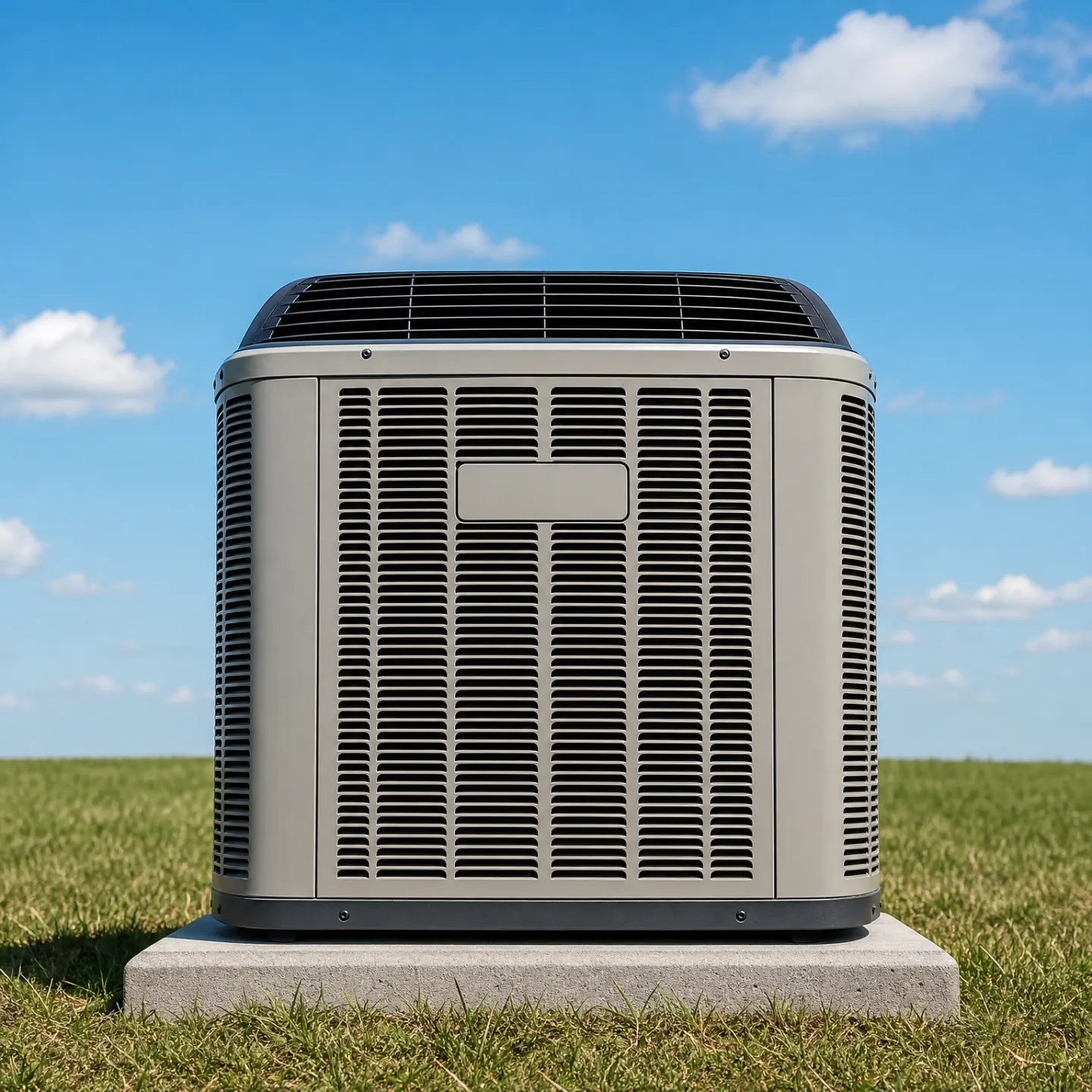
A gray residential air conditioning condenser unit mounted on a concrete pad outdoors, surrounded by green grass under a partly cloudy blue sky.

Ask before you pay for the repair

If this unit came with the house, ask the contractor straight out how much life is left in it before you approve a repair. A tech looking at a failed part can usually tell you whether it's an isolated fix or a sign the compressor and coil are near the end. That answer should shape whether you pay for the repair or start pricing a replacement.

What you can check yourself

Look at the outdoor unit. If the fan isn't spinning at all, check the breaker before anything else. A tripped breaker that won't reset, or one that trips again right after, means stop and let a tech look at it. Check the air filter next. A filter clogged with dust chokes airflow and can cause the coil to ice over, and that shows up as warm air at the vents even though the system is running. Look at the vents themselves and make sure nothing is blocking them, furniture, rugs, closed dampers.

What to leave alone

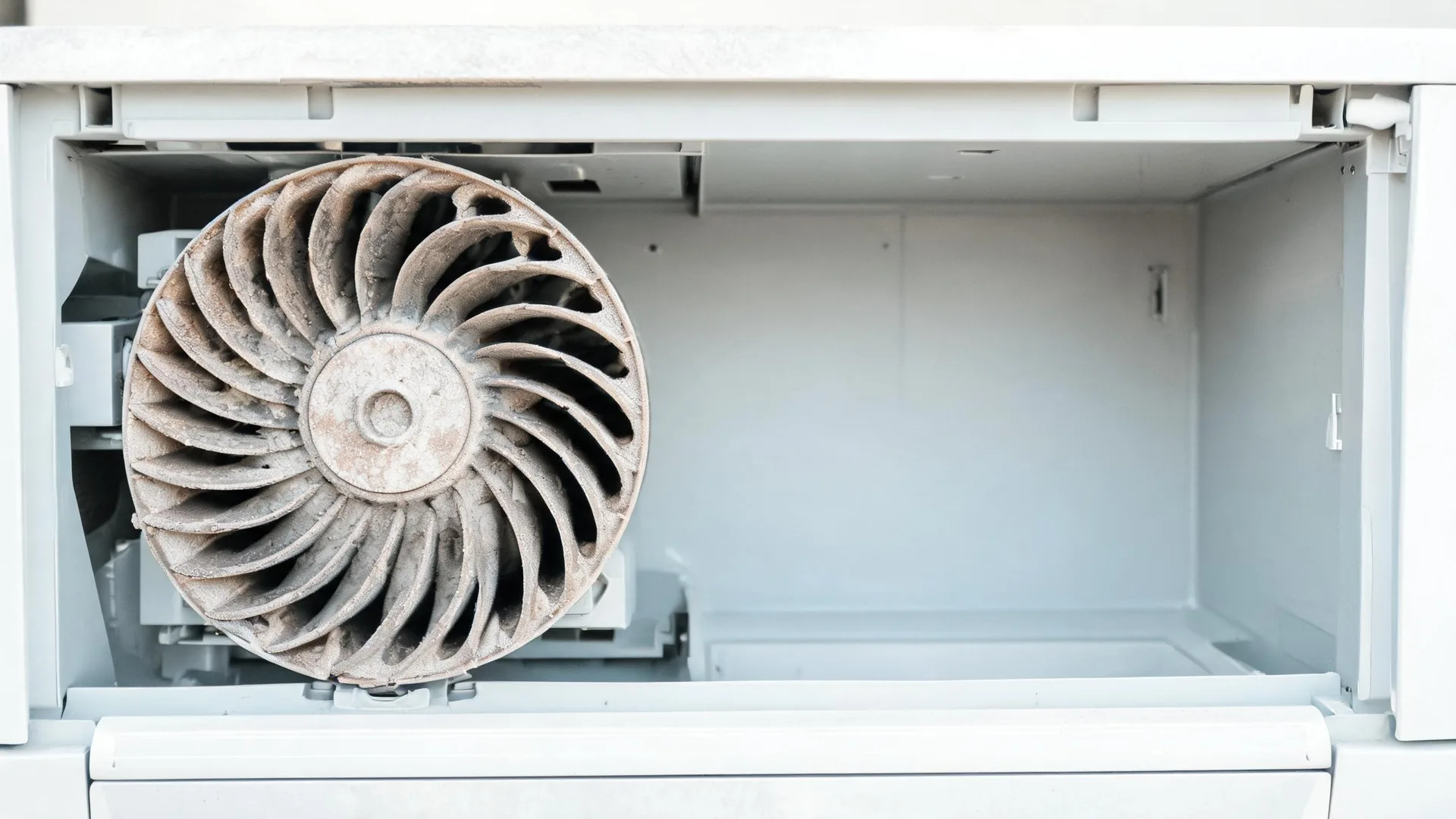
Don't pull the access panel on the outdoor unit or touch anything inside it. The capacitor in there holds a charge even with the power off and can shock you. If you see ice on the indoor coil or the refrigerant line, turn the system off and let it thaw instead of chipping at it, and don't run the compressor again until it's clear. A hissing sound, a burning smell, or water pooling at the indoor unit are reasons to shut the system off and wait for a tech rather than keep testing it yourself.

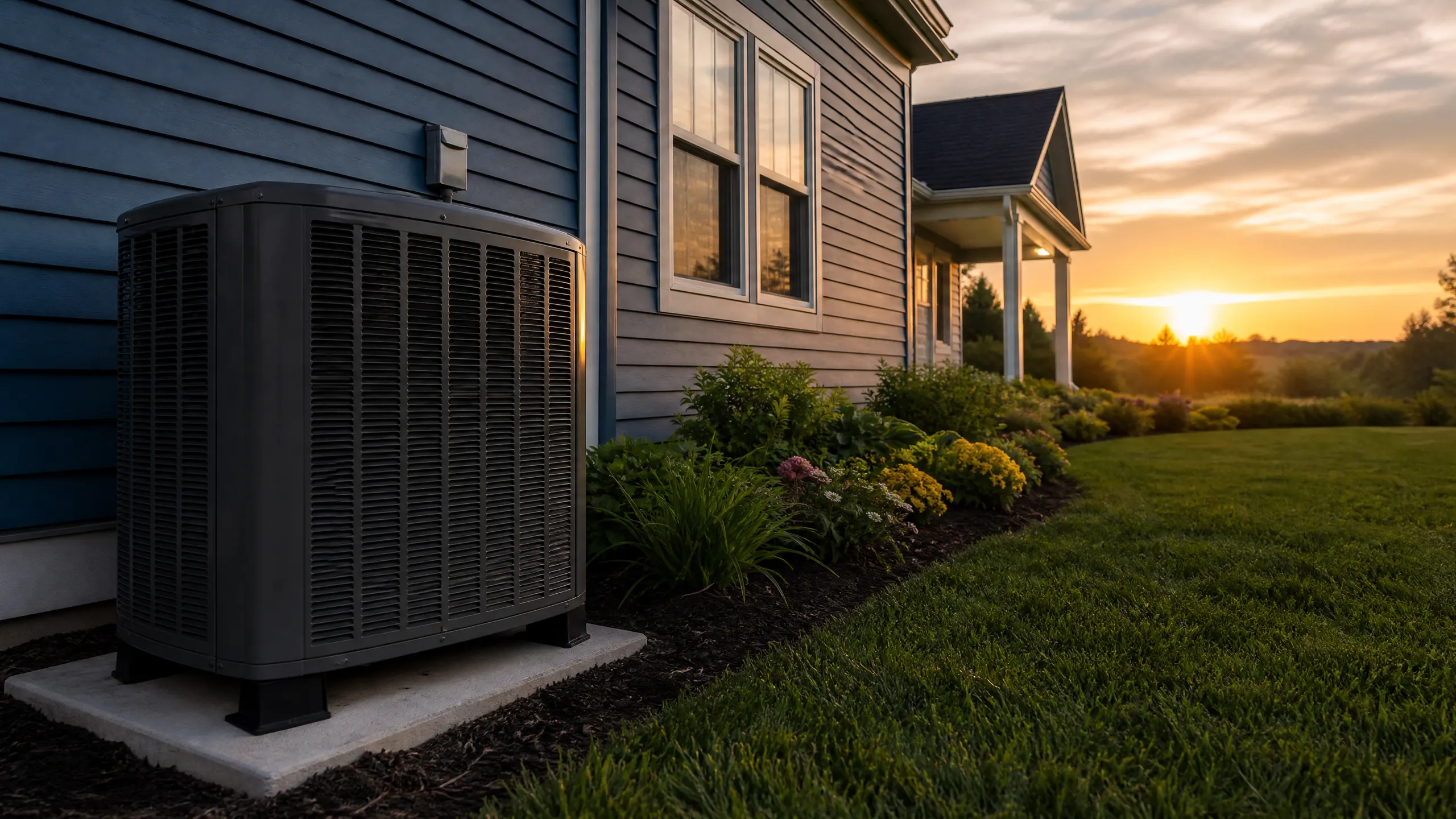
An outdoor air conditioning condenser unit mounted on a concrete pad next to a blue-sided residential house at sunset.

A new air conditioner would cut about $40 a year off cooling for a typical Potter County home.

  • A new one at the federal minimum, 14.3 SEER2$290 a year
  • An older air conditioner$330 a year

Estimates for a typical Potter County home, compared with an older unit built to the previous federal minimum, from EIA household energy data, Texas fuel prices and NOAA climate normals. Your home will differ.

Repair makes sense when a part like a capacitor or contactor has failed.

Replacement makes sense when the compressor has failed or the system uses R-22 refrigerant, which is no longer made.

A diagnostic starts outside at the unit, not at the thermostat. A tech checks for power at the disconnect, then looks at whether the compressor is trying to start or just humming. Gauges go on next to check refrigerant pressure, because low pressure points to a leak and high pressure points to something restricting airflow, like a dirty coil or a failing fan motor. Inside, the tech checks the air handler, the filter, and the coil for ice or dirt. Electrical parts get tested with a meter rather than guessed at. A capacitor either holds the charge it's rated for or it doesn't, and a contactor either closes cleanly or it's pitted and arcing. By the time the panels go back on, the tech should be able to say which part failed and why, not just that the system is low or not cooling.