Texas Cooling Help
A twilight view of single-story brick homes on a suburban street, lit by warm amber landscape spotlights that illuminate the facades and surrounding trees.

AC Repair in Midland, TX

Tell us about the job

Takes about a minute. No obligation.

Step 1 of 3: Equipment

How old the unit is matters less than what's failing

A capacitor or a contactor is a straightforward swap on a system of any age, and worth doing. A failed compressor or a cracked coil is a different question, because that part alone can cost close to what the rest of the system is worth. Ask the technician which kind of problem this is before deciding anything.

A pattern of repairs says more than one breakdown

One failure can happen to a unit in good shape. A unit that keeps coming back for different problems, a capacitor one year and a coil leak the next, is wearing out across the board, not just in the part that failed last. At that point each repair is buying less time than the last one did.

5 months
May through September, your air conditioner is on duty
95°F
the average summer afternoon it cools against
154 hail events
in ten years, and hail bends the fins on outdoor coils
93 wind events
in ten years, and wind drives debris into outdoor units
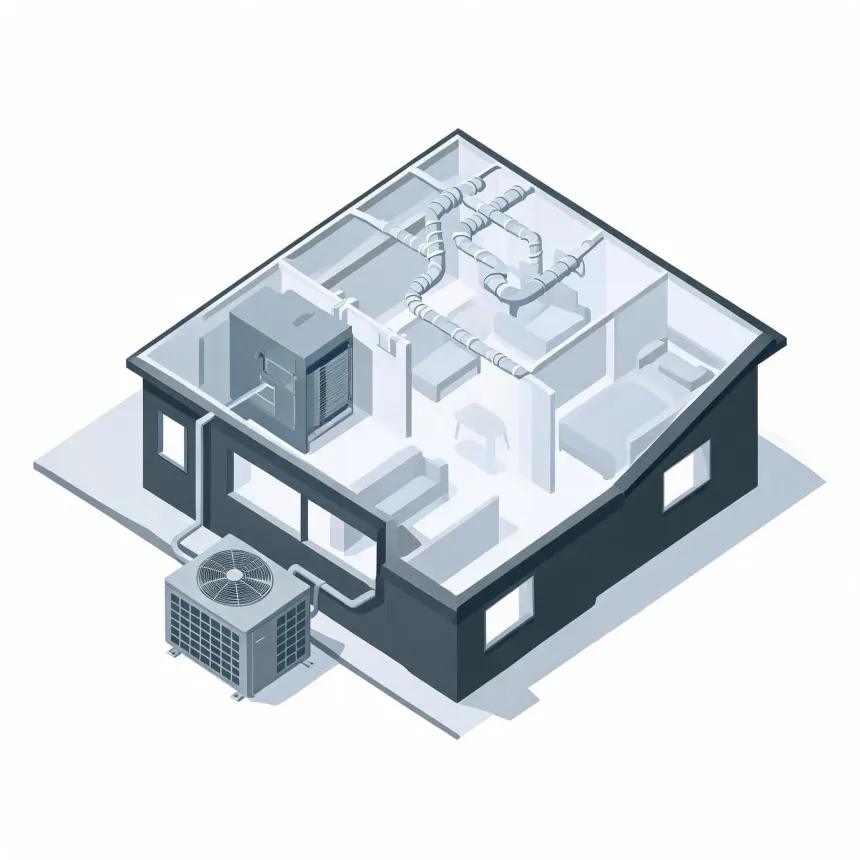
Isometric cutaway illustration of a small house showing interior rooms with furniture, ceiling ductwork and an air handler, plus an outdoor condenser unit connected by refrigerant lines beside the building.
Your air conditioner works hardest from May through September.

NOAA nClimDiv, 1991–2020 normals

AC runs May through September here.

The first hot week in May is when a weak part finally gets tested.

Five months of 95-degree afternoons is hard enough on a system. Hail is what finds what's already weak.

Cooling runs May through September
Summer afternoons average 95°F
154 hail events from 2015 to 2024

Electricity here runs 14.94 cents per kilowatthour. A system that's short on refrigerant or dragging on a bad capacitor pulls more power to do the same job, and it still doesn't cool the house right. That extra draw shows up on the bill every month the unit runs, not just once. A part that's already struggling only makes the season longer and more expensive than it has to be. Getting it looked at now stops that bleeding before the next stretch of heat tests it again.

Half the homes here were built in 1992 or later

Half the homes in Midland County were built in 1992 or later. If that's your house, or close to it, the system has likely got real life left in it. A capacitor or contactor failure on equipment that age is almost always worth fixing.

Find a contractor
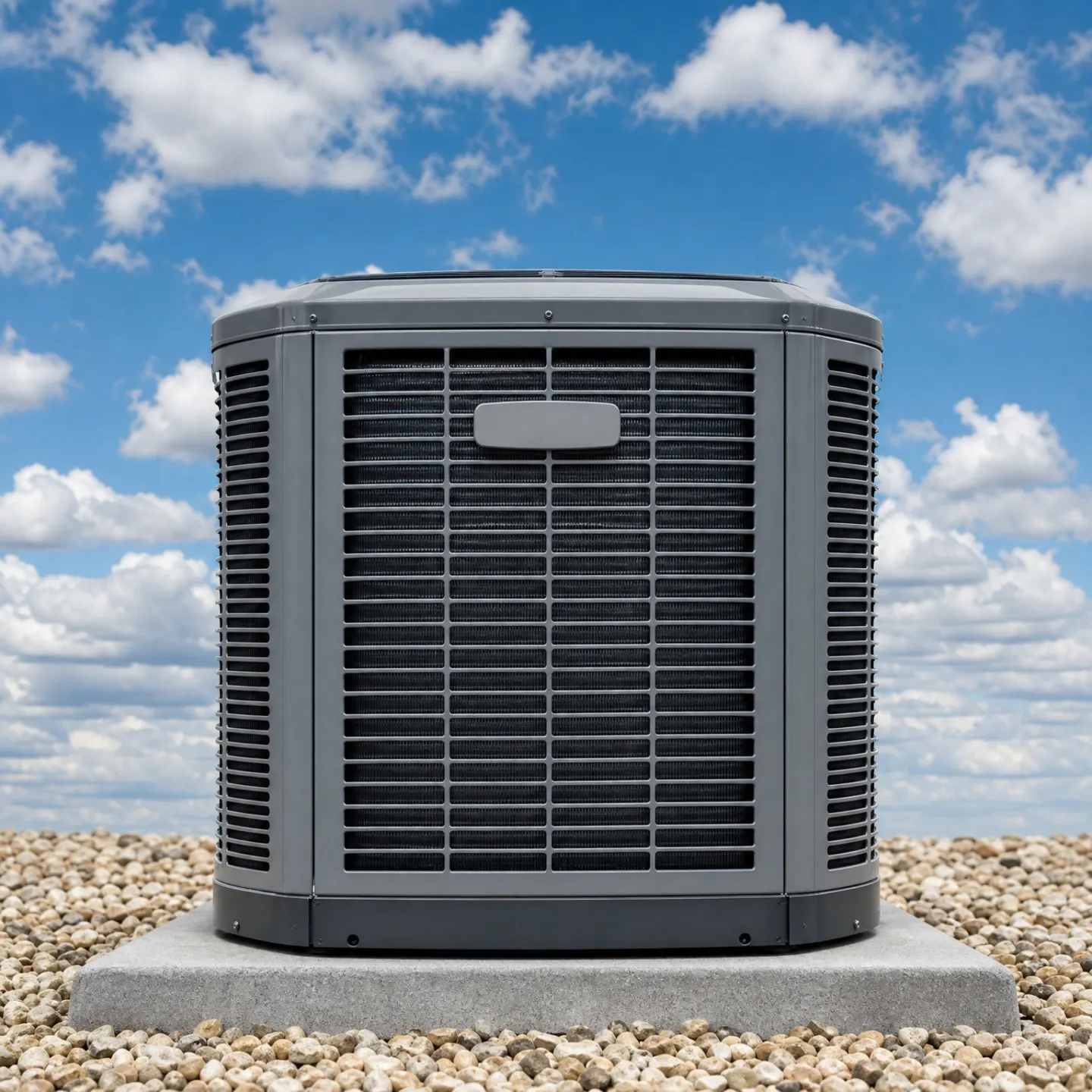
An outdoor air conditioning condenser unit mounted on a concrete pad surrounded by gravel, photographed against a partly cloudy blue sky.

What a long run tells you before the unit quits

A system that runs every afternoon for months doesn't give itself much time to rest, and small problems show up as specific complaints. Warm air from the vents when the thermostat is calling for cold often means the compressor isn't keeping up or the charge is low. Short cycling, where the unit kicks on and off every few minutes, puts more wear on the compressor than a long steady run would. Ice on the indoor coil usually means airflow is restricted, either a dirty filter or a blower not moving enough air across it. A warm, humid house even when the system is running points to a coil that isn't pulling moisture out like it should. None of these fix themselves by running longer. Left alone, the part already struggling keeps struggling under the same load every day the heat holds, and it's usually the same part that finally quits.

A struggling compressor can fail for good

When refrigerant is low or airflow across the coil is blocked, the compressor has to work harder to move heat out of the house. Keep running it in that state and the strain can turn a repairable problem into a dead compressor, which is not something that gets fixed, only replaced.

A small refrigerant leak gets harder to find the longer it runs

Oil travels with refrigerant through the system, so a slow leak leaves a faint trace right at the point it is escaping. Keep the system running low on charge and the compressor starts losing lubrication too, so the original leak is no longer the only thing wrong.

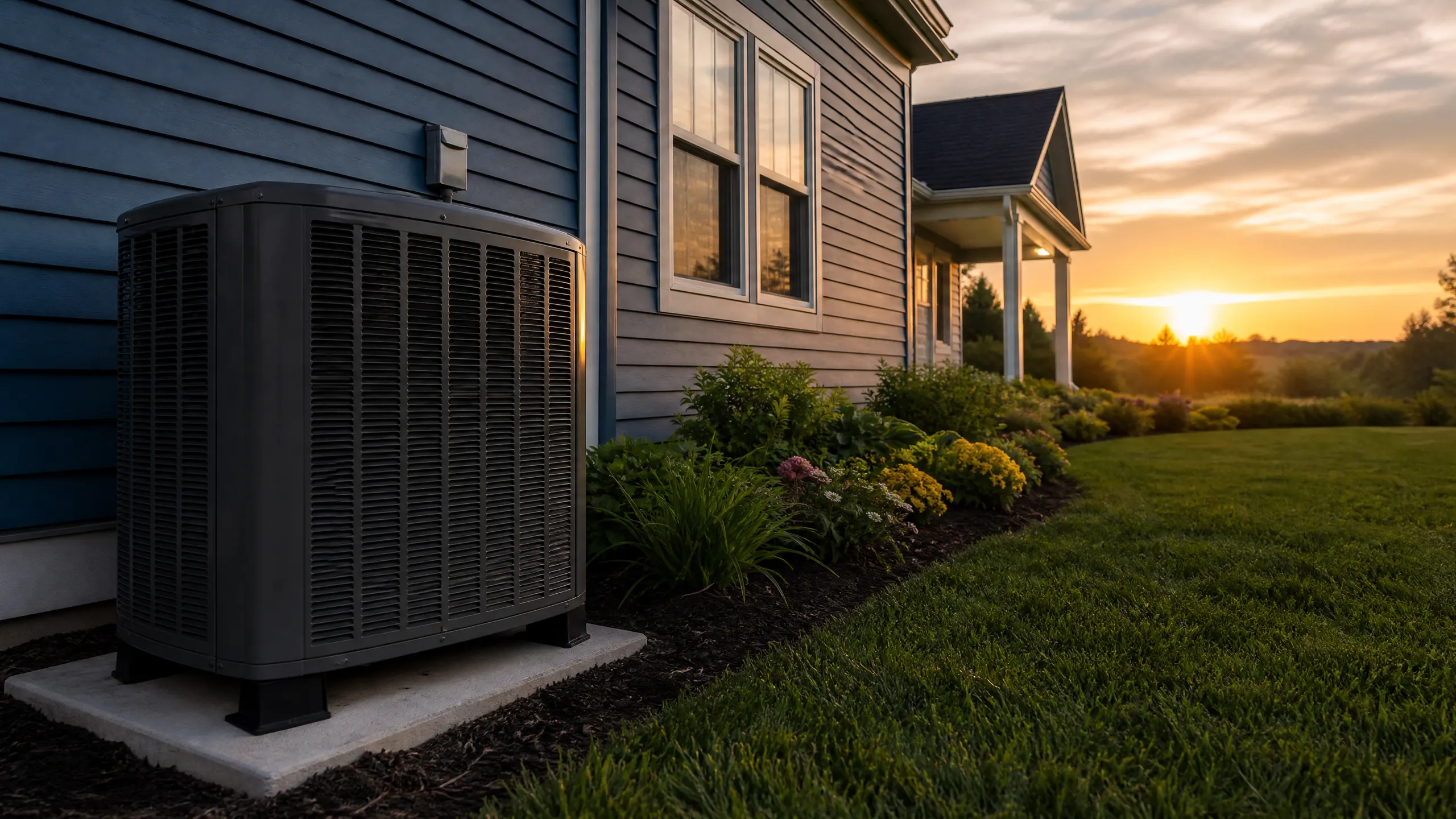
An outdoor air conditioning condenser unit mounted on a concrete pad next to a blue-sided residential house at sunset.

A new air conditioner would cut about $70 a year off cooling for a typical Midland County home.

  • A new one at the federal minimum, 14.3 SEER2$440 a year
  • An older air conditioner$510 a year

Estimates for a typical Midland County home, compared with an older unit built to the previous federal minimum, from EIA household energy data, Texas fuel prices and NOAA climate normals. Your home will differ.

Repair makes sense when a part like a capacitor or contactor has failed.

Replacement makes sense when the compressor has failed or the system uses R-22 refrigerant, which is no longer made.

A diagnostic starts outside with gauges on the service ports. Pressure that's too low points toward a leak. Pressure that's too high points toward blocked airflow or a problem at the condenser. From there a technician checks the electrical side. The capacitor gets tested against its rating, not just looked at. The contactor gets checked for pitting. The compressor's amp draw gets measured to see if it's straining. The indoor coil and blower wheel get checked too, because a coil caked with dust or a slowed blower will make a healthy compressor look like the failure when it isn't. Each test rules something out. By the end a technician can point to the part that failed and say why, not just that the house isn't cooling.