




Texas Cooling Help
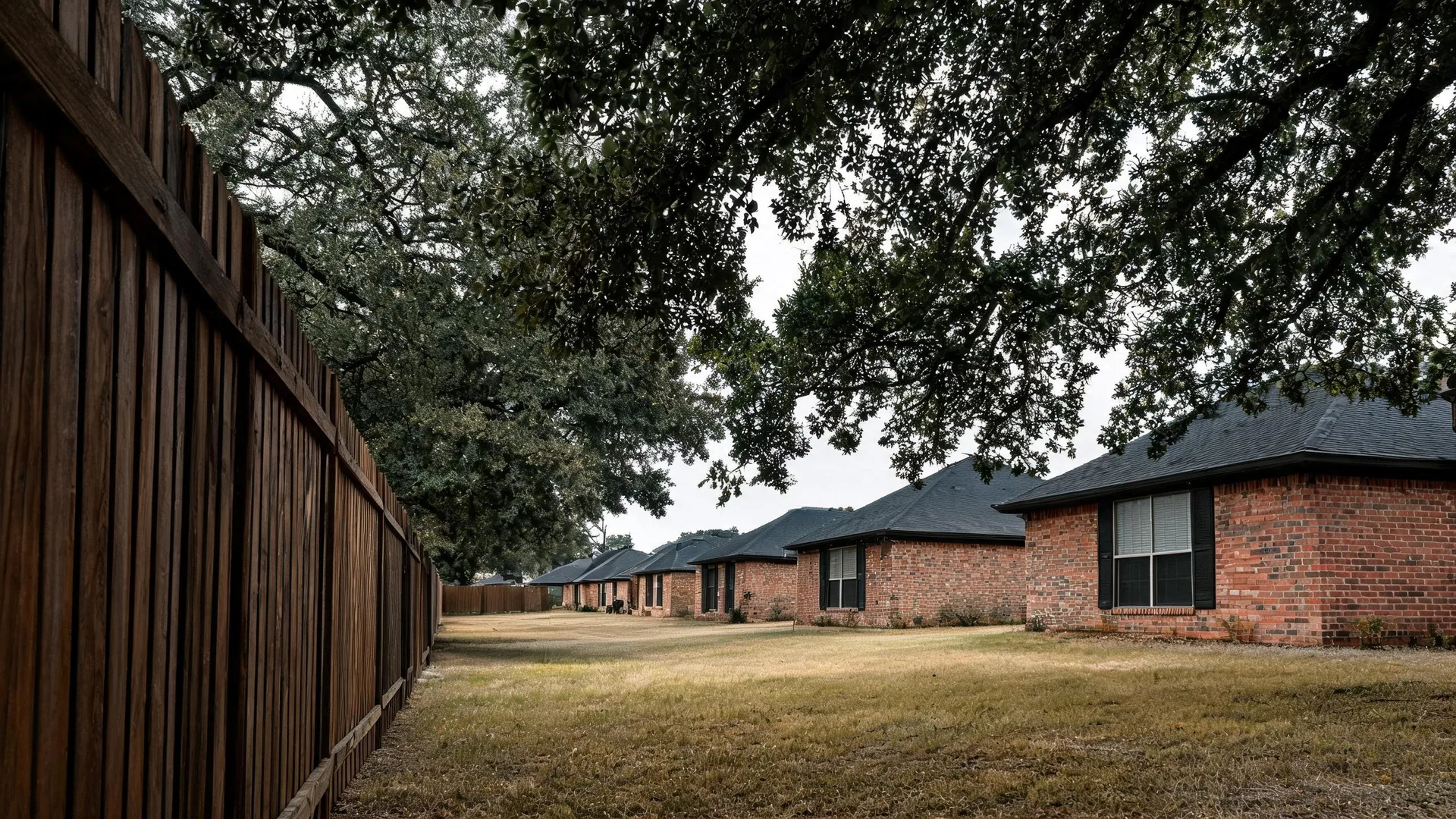
A row of single-story brick houses with dark shingled roofs behind a dry grass strip, bordered on the left by a tall wooden fence and overhung by large tree branches under an overcast sky.

AC Repair in Rockwall, TX

Tell us about the job

Takes about a minute. No obligation.

Step 1 of 3: Equipment

May through October, the AC here runs about six months out of the year. Afternoon highs average 93 in June, July and August, so the unit is working hardest right when it has to run longest. That kind of load wears a capacitor or a contactor sooner than it would somewhere milder. Whatever is going wrong with your AC right now is probably tied to that steady demand, not bad luck. Worth having someone trace it to the actual part before anything gets replaced.

6 months
May through October, your air conditioner is on duty
93°F
the average summer afternoon it cools against
30 hail events
in ten years, and hail bends the fins on outdoor coils
9 wind events
in ten years, and wind drives debris into outdoor units
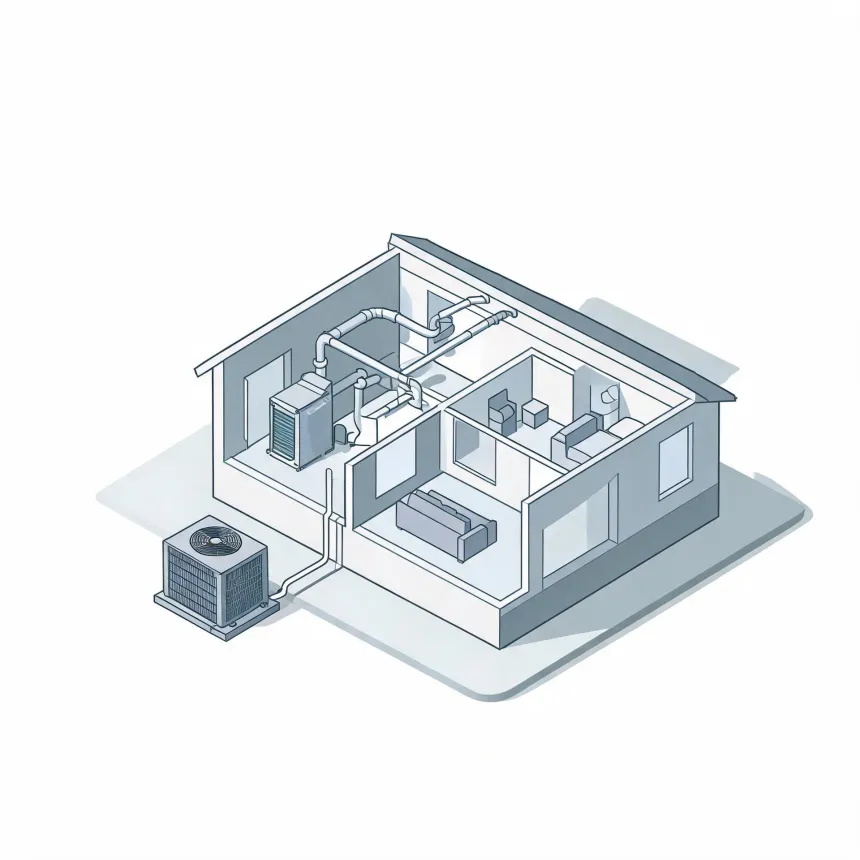
Isometric line illustration of a cutaway house showing interior rooms, a furnace or air handler with ductwork, and an outdoor condenser unit beside the building.
Your air conditioner works hardest from June through September.

NOAA nClimDiv, 1991–2020 normals

Warm air from the vents means the system is running but not cooling.

A problem like that usually sits in the compressor or the refrigerant charge, not the filter.

At 14.94 cents a kilowatt-hour, a struggling AC runs up the bill every month it's on

Power costs 14.94 cents a kWh statewide
Cooling runs May through October
Summer afternoons average 93°F
May is when the breakdowns startAC here runs May through October, and April is the last easy month to catch a weak part before it fails.

Before anyone comes out, check the filter. A filter clogged with dust chokes airflow and can make the whole system struggle, and it's the one thing you can fix yourself in a few minutes. Next, look at the outdoor unit. If it's packed with leaves or grass clippings, or if something is blocking it, that stops the system from shedding heat the way it needs to. Check the thermostat too. Make sure it's set to cool and not just fan, and if it runs on batteries, try fresh ones before you assume something bigger is wrong. If the breaker for the outdoor unit has tripped, that's worth noting but don't keep resetting it. A breaker that trips more than once is telling you something is drawing too much current, and that's a job for someone who can test it safely.

Find the worn part before the long season finds it for you

Get the actual part diagnosed now, while the system still has months of hard running ahead of it. A capacitor or contactor already under strain in May won't get a break until October.

Find a contractor
A man in a dark shirt and tan work pants, seen from behind, carries a canvas tool bag up concrete steps toward an orange front door flanked by gray siding and a potted shrub.
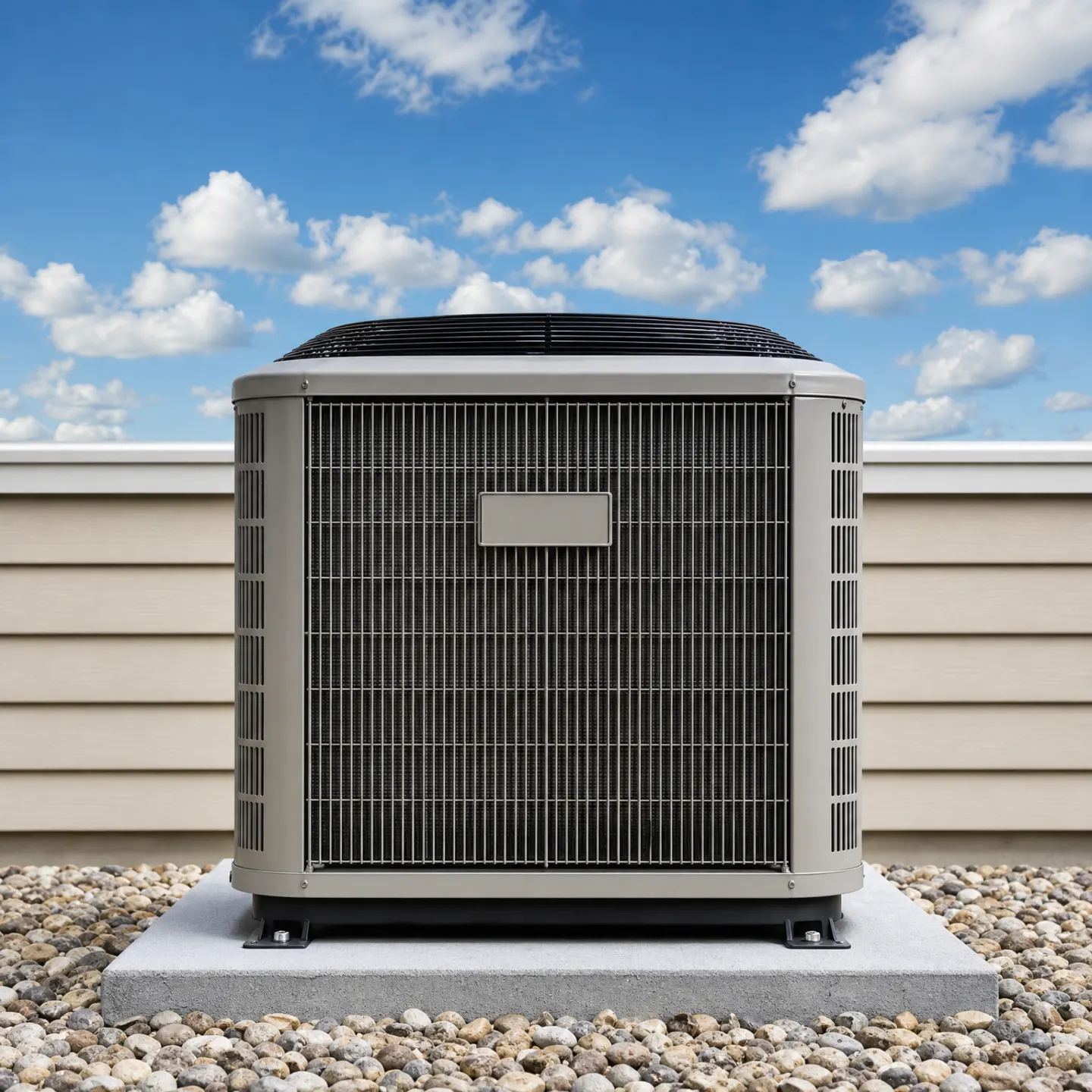
An outdoor residential air conditioning condenser unit mounted on a concrete pad, surrounded by gravel with a blue sky in the background.

A newer house usually means a younger system, not a dying one

Half the homes in Rockwall County were built in 2006 or later. If yours is one of them, the AC that came with the house is probably not old enough to be the real problem. A system that age still has plenty of working life in it, and a capacitor or contactor failing now doesn't mean the unit is done. It means one part gave out under load. That's a repair, not a reason to replace the whole system.

A weak capacitor doesn't fail cleanly

Once a capacitor starts going, the compressor has to pull harder to start each cycle. That extra draw heats the windings a little more every time. Left running, a part that would have been a simple swap can take the compressor down with it.

A refrigerant leak only gets bigger

Low charge makes the compressor work against pressure it was never meant to handle. It'll keep running low for a while, but the leak doesn't seal itself, and a compressor run that way long enough can seize.

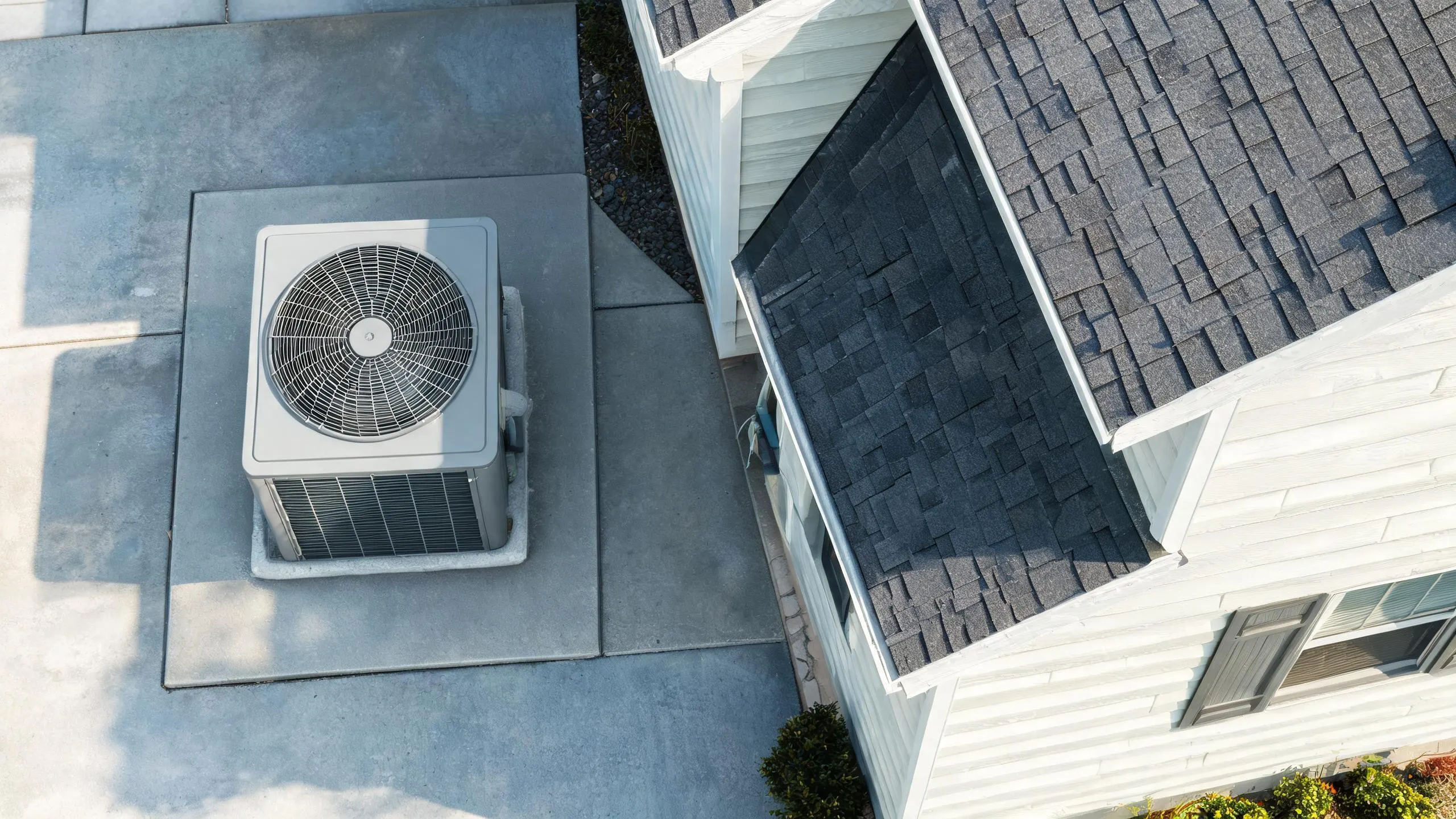
Overhead view of an outdoor AC condenser unit on a concrete pad next to a house with a dark shingle roof.

A new air conditioner would cut about $70 a year off cooling for a typical Rockwall County home.

  • A new one at the federal minimum, 14.3 SEER2$450 a year
  • An older air conditioner$520 a year

Estimates for a typical Rockwall County home, compared with an older unit built to the previous federal minimum, from EIA household energy data, Texas fuel prices and NOAA climate normals. Your home will differ.

Repair makes sense when a part like a capacitor or contactor has failed.

Replacement makes sense when the compressor has failed or the system uses R-22 refrigerant, which is no longer made.

A diagnostic starts outside, at the unit itself. The tech checks the capacitor and contactor first, since those take the hardest hit from daily cycling and show their wear early. Gauges go on next to check refrigerant pressure, because that number tells a different story depending on whether it's low from a leak or just reading odd from a dirty coil. Electrical readings come after that, amperage draw on the compressor, voltage at the contactor, anything pulling more current than it should. None of this is guesswork. Each reading rules something out until what's left is the actual problem, not just a guess dressed up as one.