



Texas Cooling Help
A nighttime view of a residential street lined with single-story brick houses and large trees lit by warm exterior lights.

AC Repair in Forney, TX

Tell us about the job

Takes about a minute. No obligation.

Step 1 of 3: Equipment

Cooling runs May through October in Kaufman County, six months of the year. Through June, July and August the afternoon high averages 93°F, and your AC is working against that heat for hours every day. That kind of stretch wears on a system. A capacitor weakens, a contactor pits, a coil gets dirty faster than it would somewhere milder. None of that shows up as a sudden breakdown most of the time. It shows up as the house not quite reaching the set temperature, or the unit running longer than it used to. Worth having someone look at the actual cause instead of guessing.

6 months
May through October, your air conditioner is on duty
93°F
the average summer afternoon it cools against
58 hail events
in ten years, and hail bends the fins on outdoor coils
48 wind events
in ten years, and wind drives debris into outdoor units
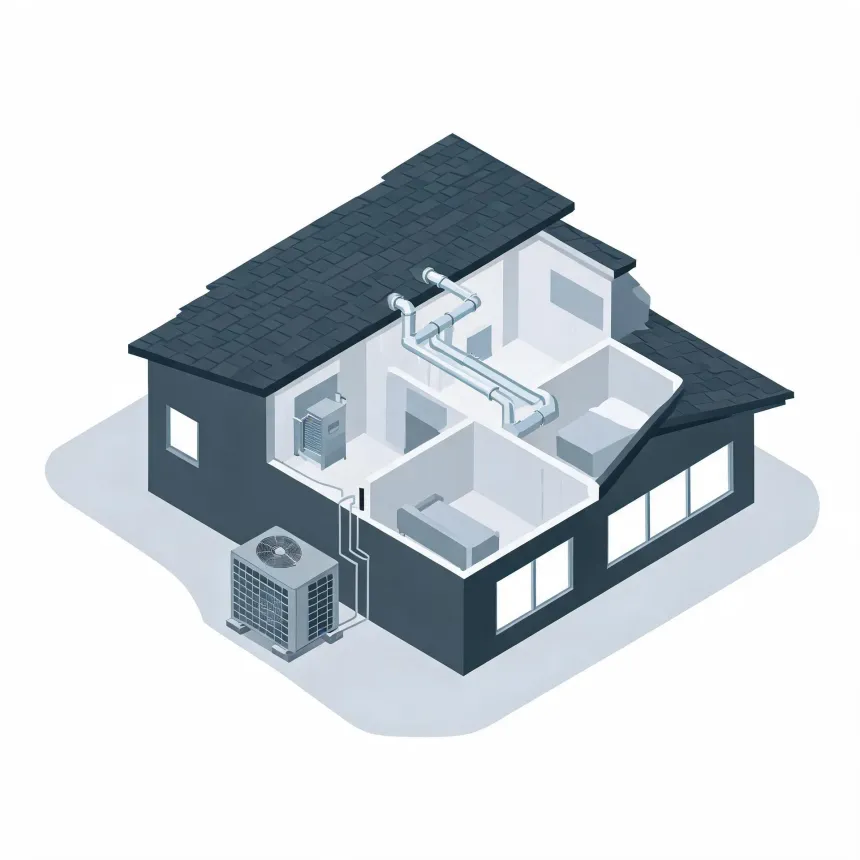
Isometric cutaway illustration of a single-story house with a dark shingled roof, showing interior rooms with ductwork and an indoor air handler connected to an outdoor condenser unit beside the building.
Your air conditioner works hardest from June through September.

NOAA nClimDiv, 1991–2020 normals

Warm air from the vents with the thermostat set low means the system isn't moving heat out of the house anymore.

A compressor problem or a low refrigerant charge causes that, and neither one fixes itself.

Electricity here runs 14.94 cents a kWh, and a struggling AC eats more of it every month it's left alone

Power costs 14.94 cents a kWh statewide
Cooling runs May through October
Summer afternoons average 93°F
A newer system is usually worth fixingHalf the homes in Kaufman County were built in 2005 or later

April is worth paying attention to here. Cooling starts up in May, and that's the first time since fall a system gets asked to run a full day's worth of hours. Whatever was already weak tends to show itself in those first weeks, not before. A system checked in April gets caught before it has to carry the next six months. One left alone just runs until something gives.

Get the cause found, not just the symptom treated

A system working this hard for six months a year wears in specific places. A weak capacitor, a pitted contactor, a dirty coil. Find out which one it actually is, and get that fixed.

Find a contractor
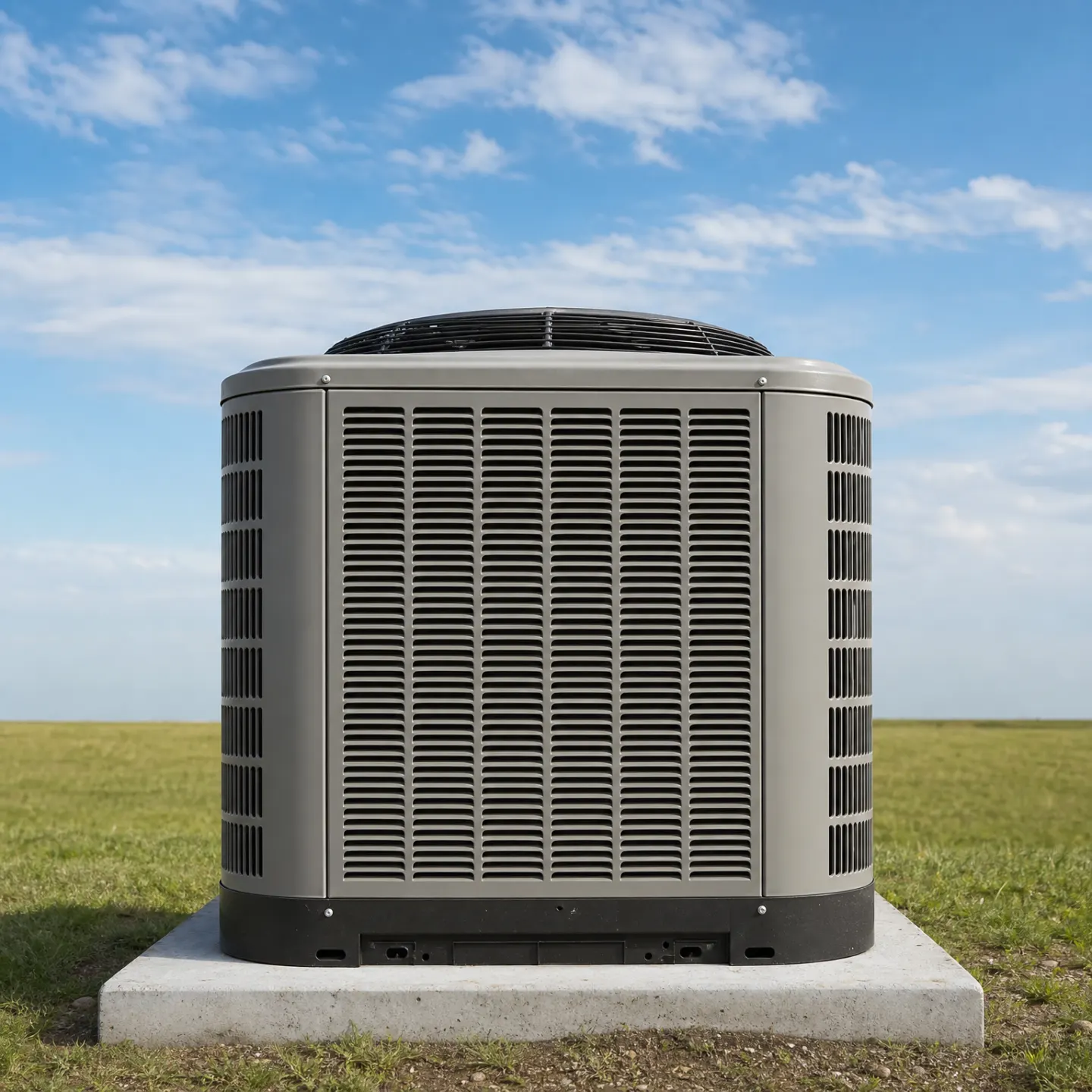
A gray metal air conditioning condenser unit mounted on a concrete pad in a flat grassy field under a partly cloudy sky.

The parts that fail are the ones that never stop moving

A capacitor gives the compressor and fan motor the jolt they need to start, and it weakens a little every time it cycles on. Enough years of that and it can't deliver the jolt anymore, so the unit hums but doesn't start, or starts and stops on its own. The contactor is the switch that sends power to the outdoor unit each time the thermostat calls for cooling. All that opening and closing pits the metal contacts until they stop making a clean connection. A fan motor just wears from spinning hour after hour, season after season, until the bearings give out or it stops turning. None of these announce themselves ahead of time. The system runs fine, then one day it doesn't.

Check the filter first

A clogged filter starves the system of airflow, and the coil behind it can ice over. If the filter is gray with dust or you can't see light through it, swap it before anything else. A frozen coil blows warm air even though nothing else is wrong, and running the system on a frozen coil can push the compressor harder than it should work.
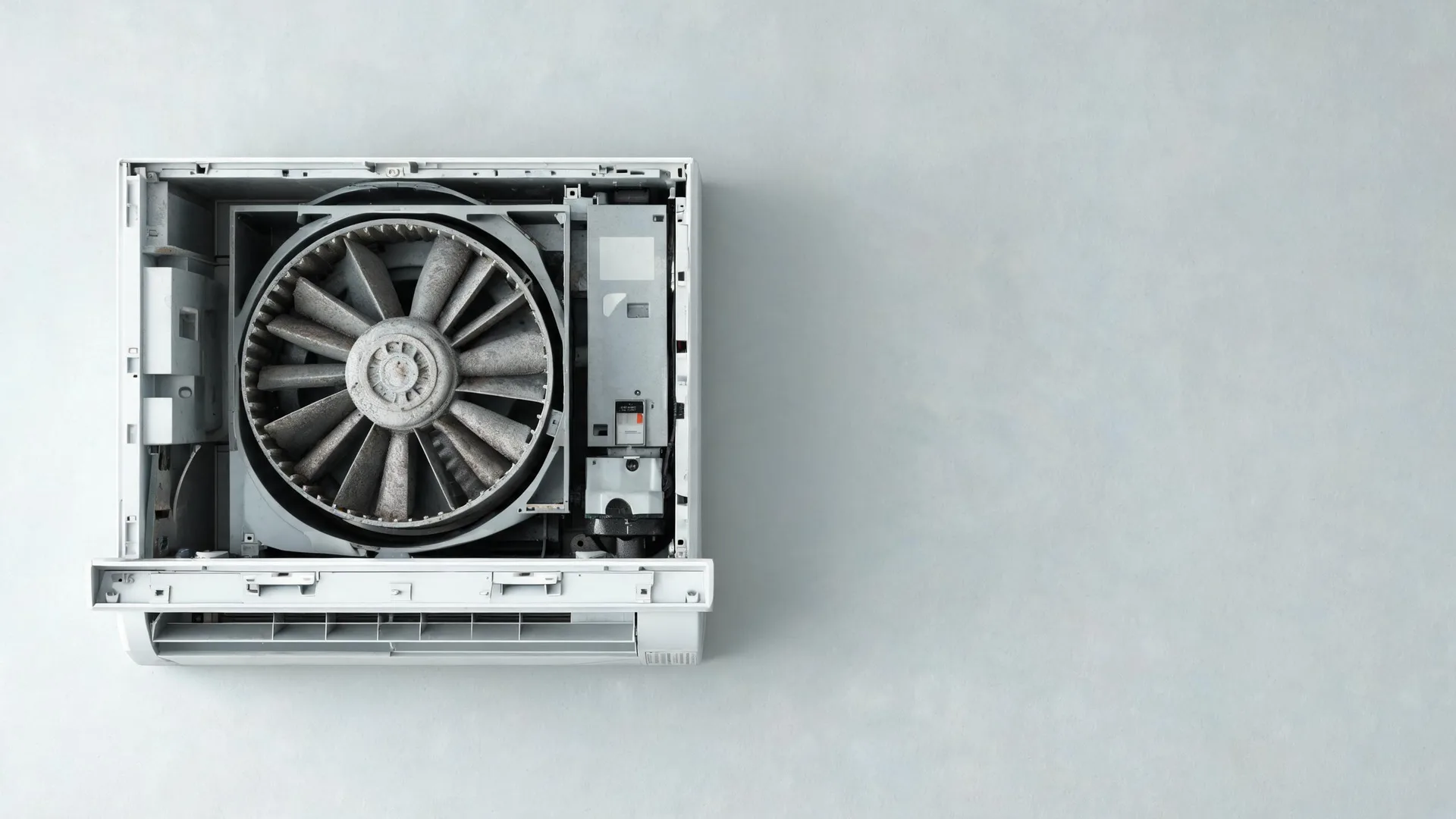
Check the outdoor unit too

Walk outside and look at the condenser. Leaves, grass clippings or a fence line pressed too close can block airflow across the coil, and the system will struggle the same way it would with a dirty filter inside. Clear anything within a couple feet of it. If the fan on top isn't spinning at all, or you hear it humming without turning, that's a different problem, and it's one to leave for a tech rather than force by hand.

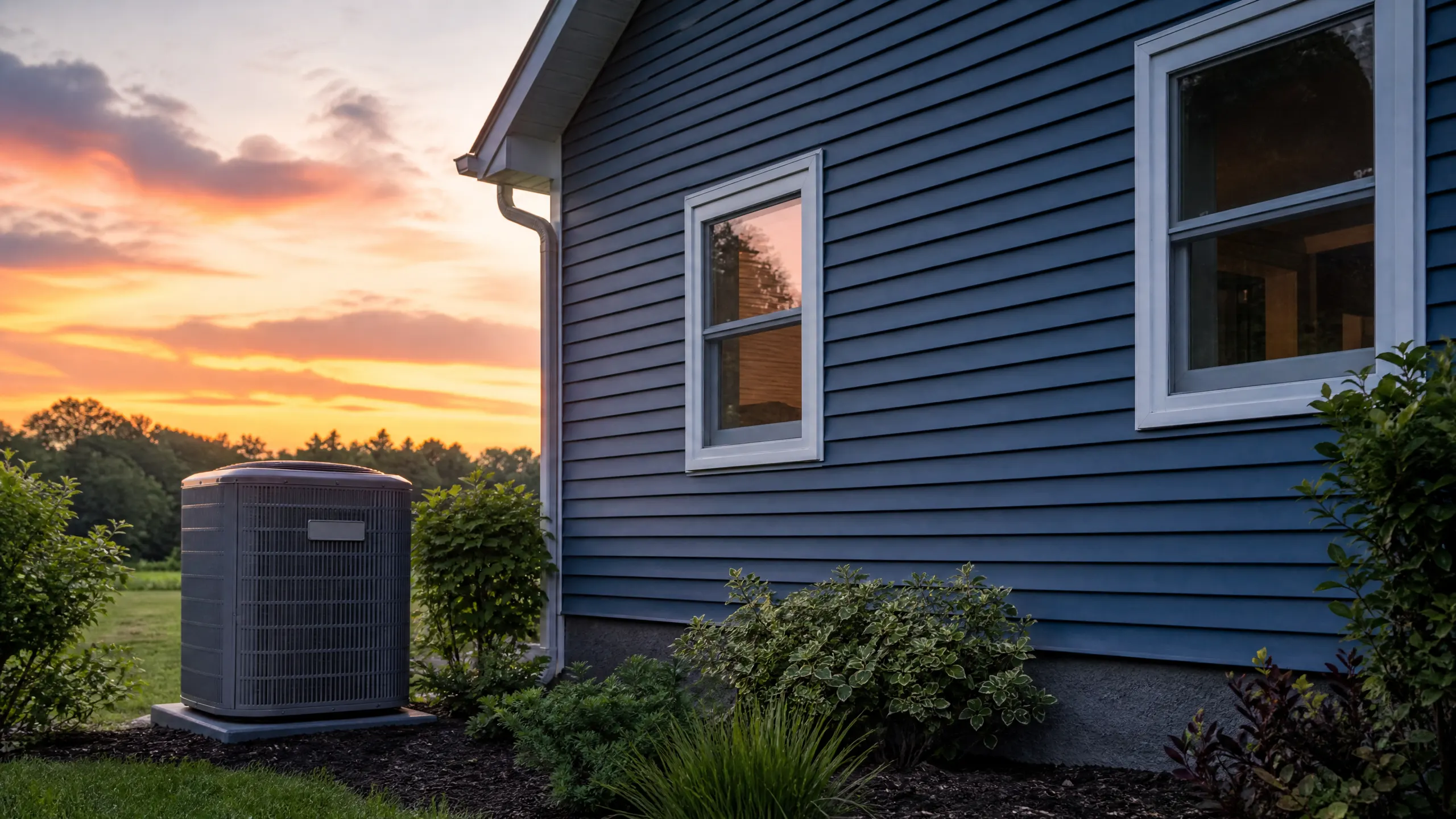
An outdoor air conditioning condenser unit installed beside the exterior wall of a blue vinyl-sided house at sunset.

A new air conditioner would cut about $70 a year off cooling for a typical Kaufman County home.

  • A new one at the federal minimum, 14.3 SEER2$460 a year
  • An older air conditioner$530 a year

Estimates for a typical Kaufman County home, compared with an older unit built to the previous federal minimum, from EIA household energy data, Texas fuel prices and NOAA climate normals. Your home will differ.

Repair makes sense when a part like a capacitor or contactor has failed.

Replacement makes sense when the compressor has failed or the system uses R-22 refrigerant, which is no longer made.

Age isn't the only thing to weigh. A system that's needed a few different repairs over a couple years is telling you something a single breakdown doesn't. Each fix on its own looks reasonable, but added up they mean the thing is wearing out in more than one place at once. That's different from one part failing on an otherwise sound unit. There's also the refrigerant question. Older systems use a refrigerant that's being phased out, and if a leak means a recharge, that gets harder to source and the cost reflects it. A tech can tell you which kind your system runs on and what that means before you commit to the repair.