




Texas Cooling Help
A single-story brick ranch house at night, lit by exterior lights that illuminate the facade, driveway, and several large mature trees in the front yard.

AC Repair in Wichita Falls, TX

Tell us about the job

Takes about a minute. No obligation.

Step 1 of 3: Equipment

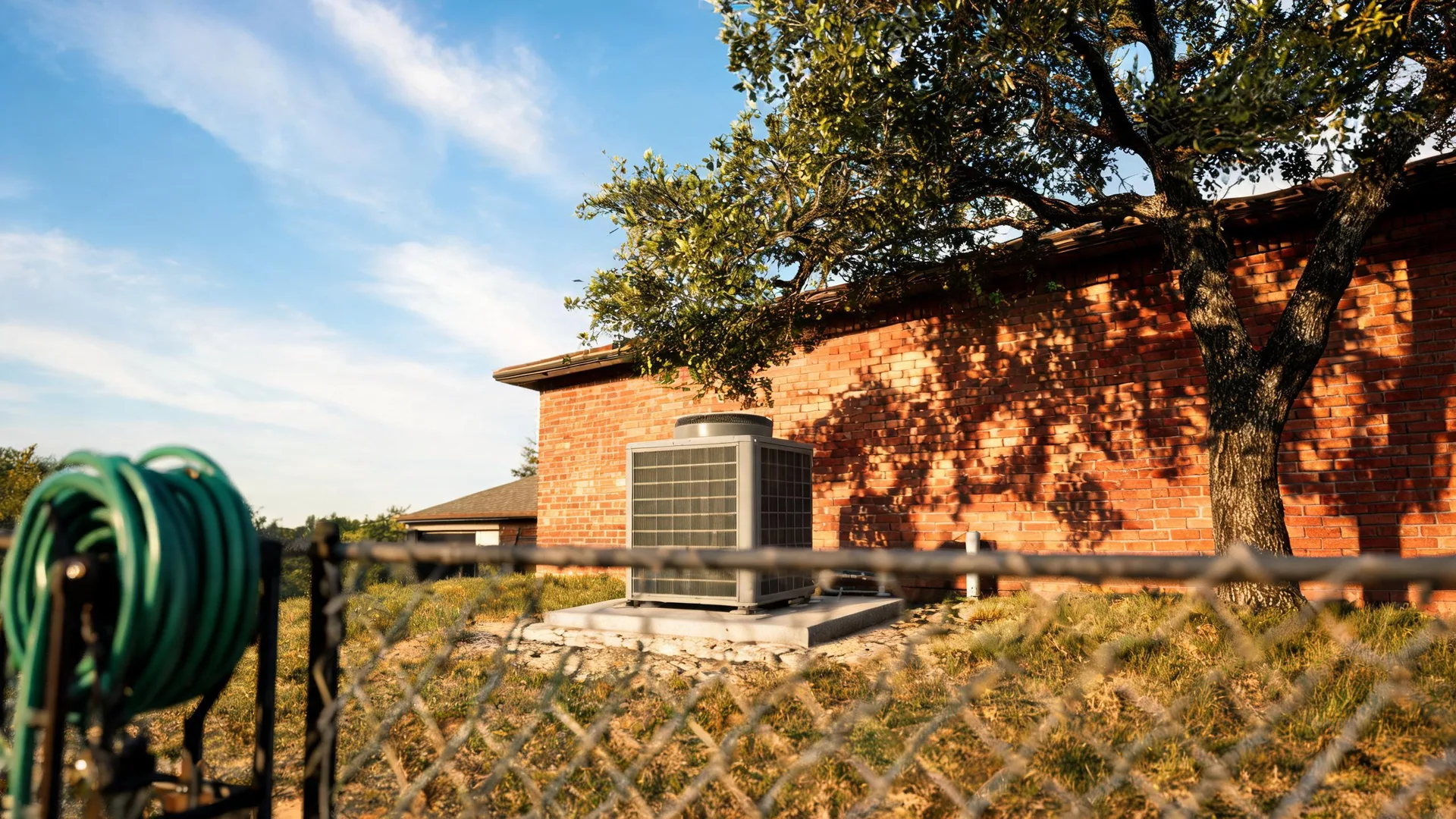
Wichita County saw 303 severe weather events between 2015 and 2024, most of it hail and wind. Hail dents coil fins and bends the fan cage on an outdoor unit. Strong wind throws branches and debris into that same spot. The unit can keep running after that and still be hiding damage that cuts its airflow or wears down the fan motor early. If yours took a hit in the last storm and nobody's looked at it since, that's worth doing even if the air coming out still feels cold.

5 months
May through September, your air conditioner is on duty
96°F
the average summer afternoon it cools against
168 hail events
in ten years, and hail bends the fins on outdoor coils
117 wind events
in ten years, and wind drives debris into outdoor units
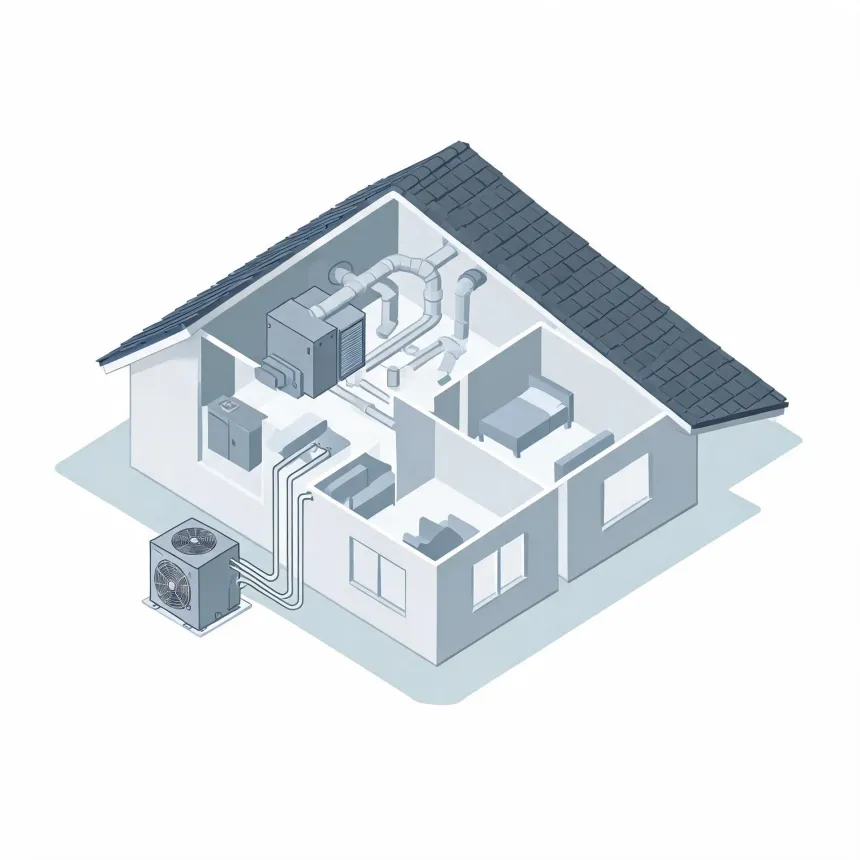
Isometric cutaway illustration of a single-story house showing interior rooms, ductwork and an air handler in the attic space, and an outdoor condenser unit connected by lines at the exterior wall.
Your air conditioner works hardest from June through September.

NOAA nClimDiv, 1991–2020 normals

Half the homes in Wichita County were built in 1972 or earlier.

If your AC came with a house that old, it may already be near the end of its life.

Five months of 96 degree afternoons, and that's before the hail gets counted

Cooling runs May through September
Summer afternoons average 96°F
168 hail events from 2015 to 2024
May is when it gets testedCooling runs May through September here. April is for finding the weak part before it fails on the first hot day.

Texas electricity ran 14.94 cents per kilowatthour in 2024, and an AC that's struggling pulls more of it just to put out the same cool air. A dirty coil or a low charge makes the compressor work harder for the same result, and that shows up on the bill before it shows up as a breakdown. A unit that's already taken hail damage or is pushing toward the end of its life runs even less efficiently. Waiting doesn't save you anything here. It just means paying more each month for a machine that's already in trouble.

Get the outdoor unit checked before summer finds what the storm left behind

If the last storm came through and nobody's looked at your outdoor unit since, get it checked before the next heat wave finds the damage for you.

Find a contractor
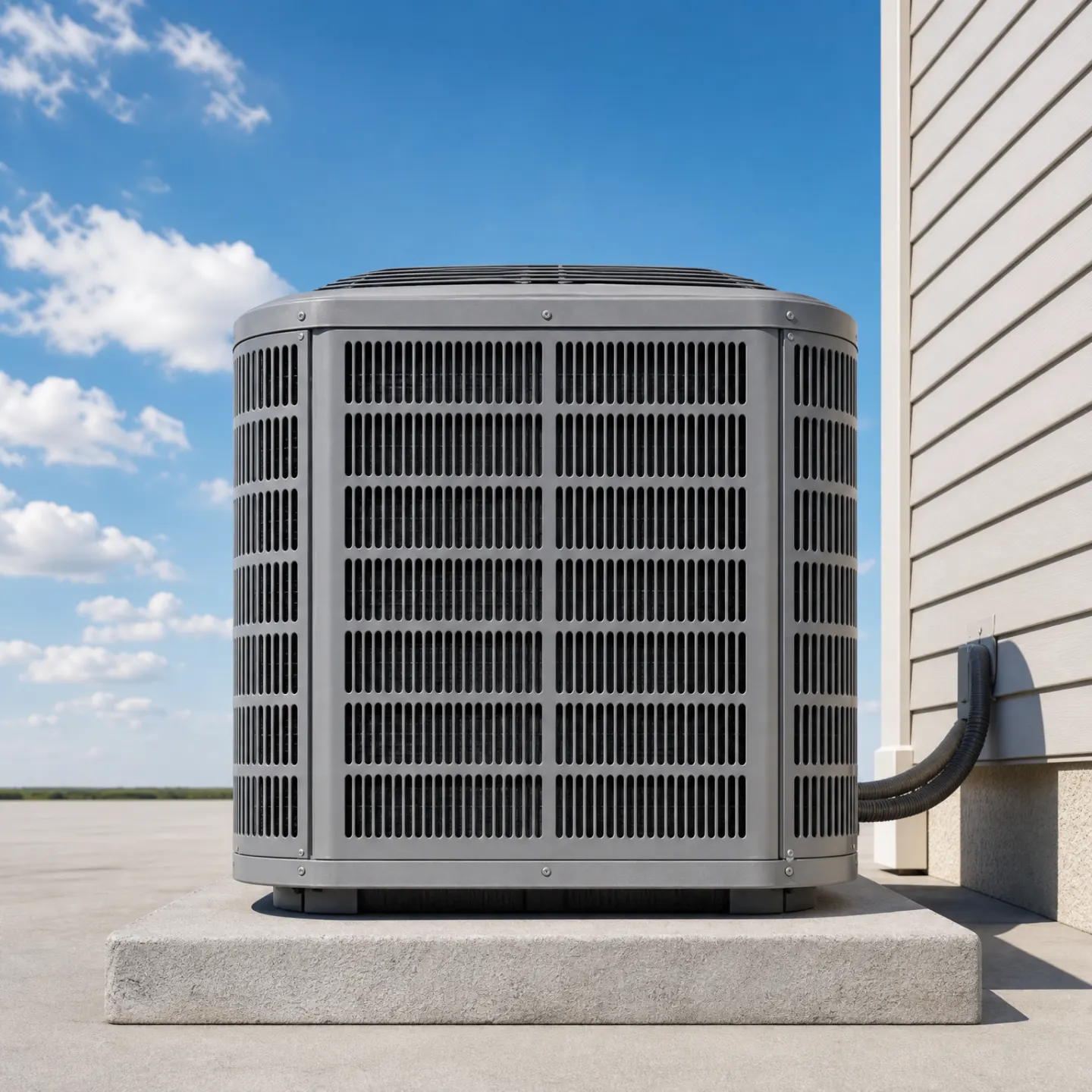
A gray cylindrical air conditioning condenser unit mounted on a concrete pad next to a light-colored vinyl-sided house exterior.

Ask how much life is left before you pay for the repair

If your AC came with the house, ask the contractor who comes out how many years it's got left before you pay for a big repair. That answer changes what the repair is worth. A compressor or coil fix on a unit that's near the end of its life is money spent on a machine that's already most of the way done. The same fix on a newer unit is worth doing without a second thought.

Warm air from the vents

If the air coming out isn't noticeably cold anymore, the system is low on refrigerant or the compressor is struggling. A unit that used to cool fine and now just moves air around isn't going to get better on its own, and running it that way wears the compressor down faster.
Short cycling

An AC that kicks on, runs a few minutes, then shuts off before the house cools is short cycling. That's often a dirty coil, a bad thermostat sensor, or a unit that's oversized for the space. Each stop and restart puts a strain on the compressor that a normal cycle doesn't.

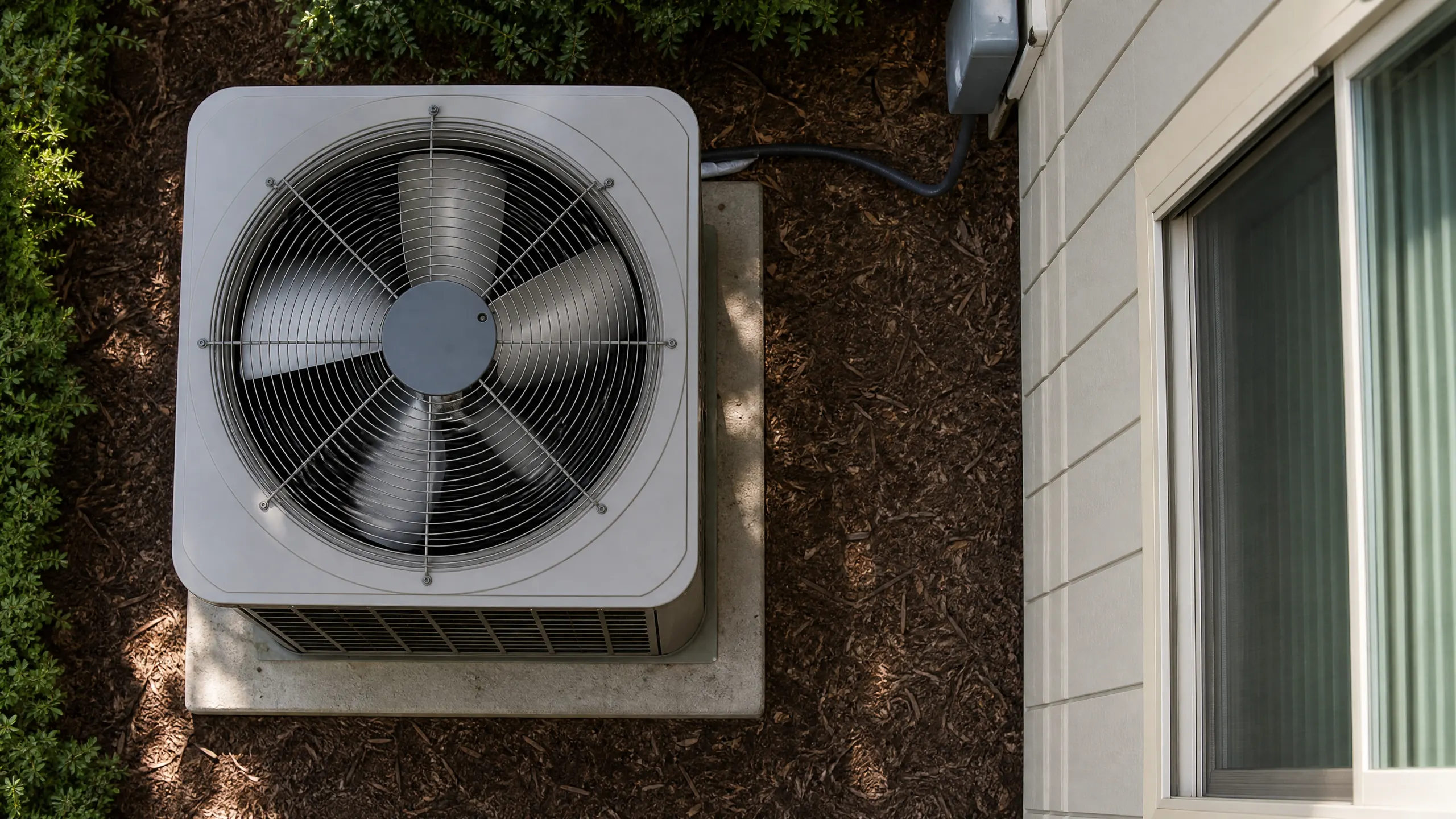
Aerial view of a square outdoor air conditioning condenser unit on a concrete pad beside a house wall with a sliding glass door.

A new air conditioner would cut about $60 a year off cooling for a typical Wichita County home.

  • A new one at the federal minimum, 14.3 SEER2$450 a year
  • An older air conditioner$510 a year

Estimates for a typical Wichita County home, compared with an older unit built to the previous federal minimum, from EIA household energy data, Texas fuel prices and NOAA climate normals. Your home will differ.

Repair makes sense when a part like a capacitor or contactor has failed.

Replacement makes sense when the compressor has failed or the system uses R-22 refrigerant, which is no longer made.

A repair is worth it when the rest of the system is sound and the broken part is a known, contained fix. A capacitor, a contactor, a fan motor. Those don't tell you anything about the compressor or the coil, and they fail on their own schedule. What changes the math is a compressor that's starting to go, or a coil that's leaked once already. Both sit at the center of the system, so fixing them can cost most of what a new unit costs. At that point the repair stops making sense on its own. A contractor who's actually looked at the unit can tell you which kind of problem you've got, and that answer matters more than how old the unit looks or how it sounds when it kicks on.