Texas Cooling Help
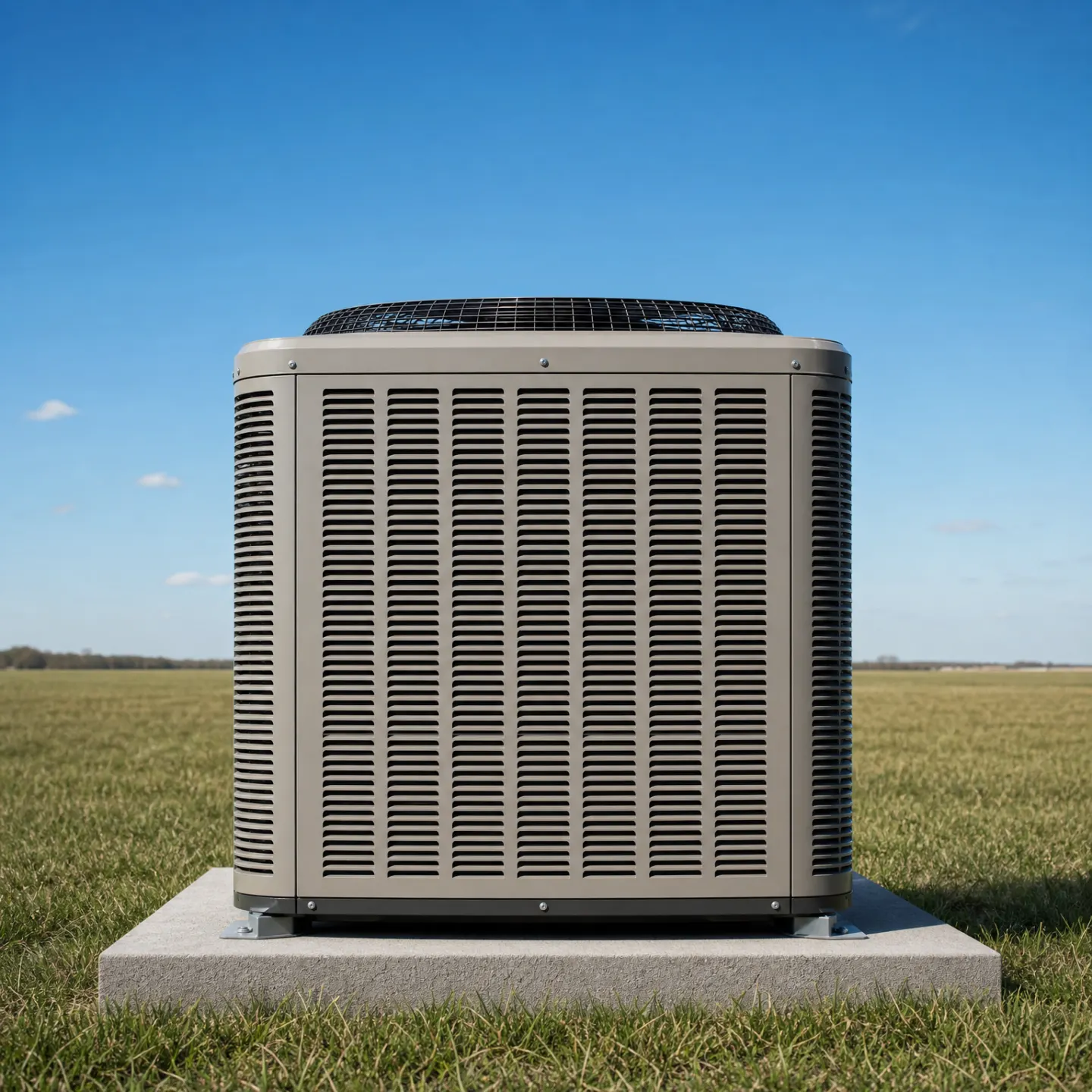
View from beneath a concrete overhang across a gravel yard toward a single-story stucco building with square columns, a gray concrete block wall, and a large bare-branched tree at right.

AC Repair in El Paso, TX

Tell us about the job

Takes about a minute. No obligation.

Step 1 of 3: Equipment

Check the thermostat and the breaker first

Make sure the thermostat is set to cool and the temperature is actually below room temperature. Then check the breaker panel for the outdoor unit and the indoor air handler. A tripped breaker or a thermostat bumped to the wrong setting looks exactly like a dead system, and either one takes a minute to rule out.

Check the filter and the outdoor unit

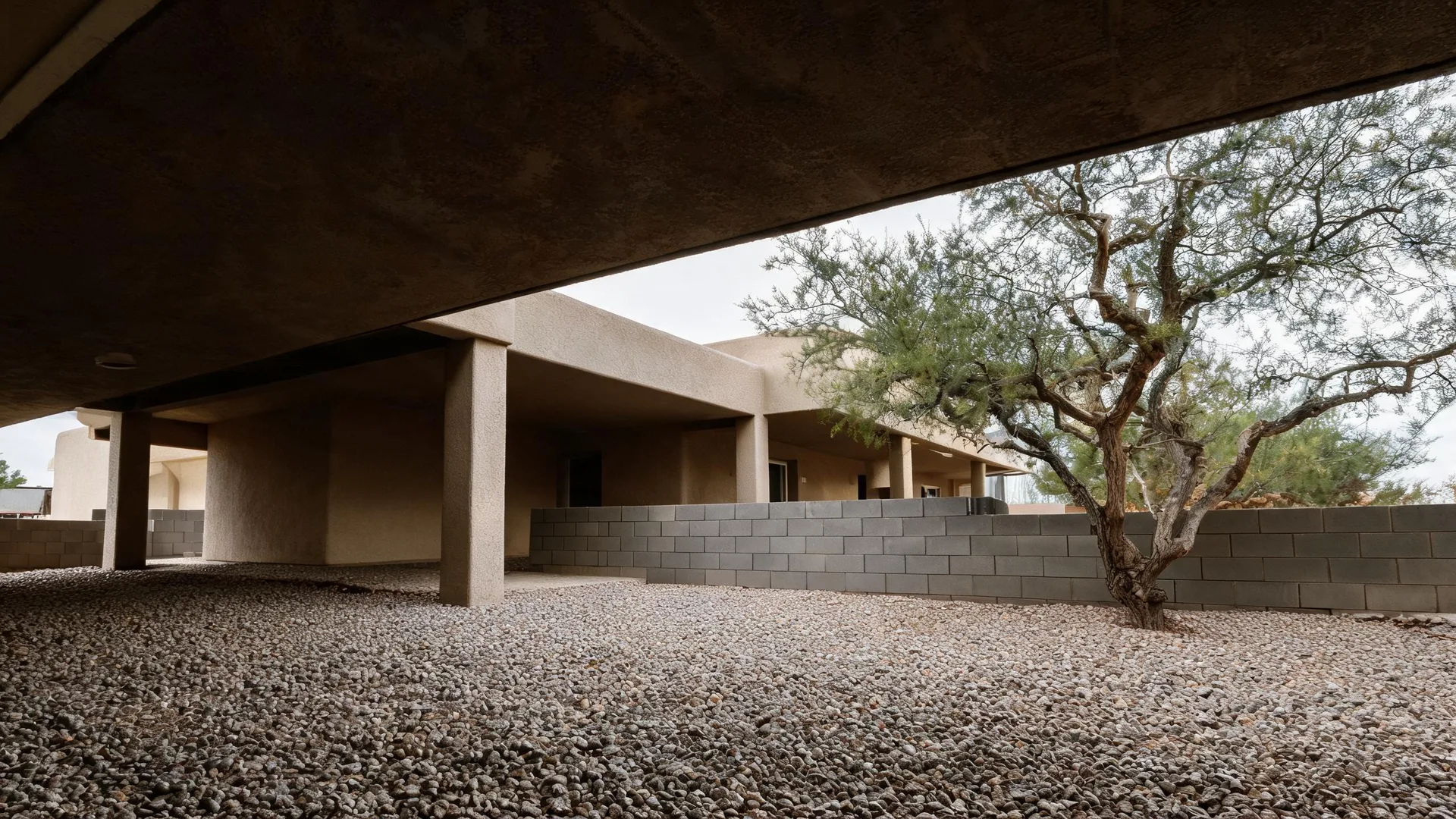
Pull the air filter and hold it up to a light. If you can't see light through it, air can't get through it either, and that alone can shut a system down or freeze the coil. Walk outside and look at the condenser too. If the fan isn't spinning or the unit is packed with leaves and dirt, that's worth telling the contractor before they arrive.

5 months
May through September, your air conditioner is on duty
95°F
the average summer afternoon it cools against
57 hail events
in ten years, and hail bends the fins on outdoor coils
70 wind events
in ten years, and wind drives debris into outdoor units
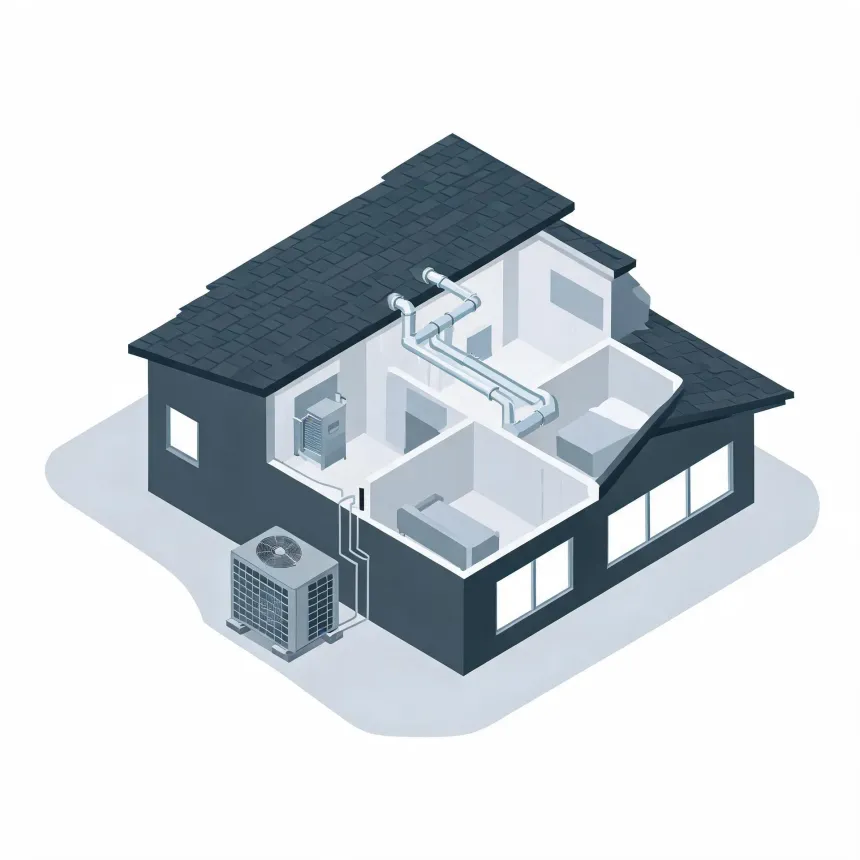
Isometric cutaway illustration of a single-story house with a dark shingled roof, showing interior rooms with ductwork and an indoor air handler connected to an outdoor condenser unit beside the building.
Your air conditioner works hardest from June through September.

NOAA nClimDiv, 1991–2020 normals

Electricity in Texas ran 14.94 cents per kilowatt-hour in 2024.

A struggling AC pulls more power to do less cooling, and in El Paso that shows up fast.

Half the AC systems here are younger than the house next door's and worth fixing

Half the homes here were built by 1988
Cooling runs May through September
Summer afternoons average 95°F
Cooling starts in May hereMay through September is five months of real heat, and April is the month to catch a weak system before it has to run.

Cooling runs May through September here, five months of the AC working every day. June through August, the afternoon high averages 95. That means the system is holding a wide gap between inside and outside air for a full season, not just getting through a few hot spells. A capacitor or a contactor wears down faster under that kind of load than it would somewhere milder. So does a compressor that rarely gets long enough between cycles to cool down. If your system is struggling, the heat this summer is probably part of why. A contractor who checks the charge, the electrical components and the airflow will catch what's actually failing, not just what's easiest to replace.

Stop paying for a struggling machine

Power costs more here, so a machine that's running badly costs you every month. Get it fixed soon.

Find a contractor
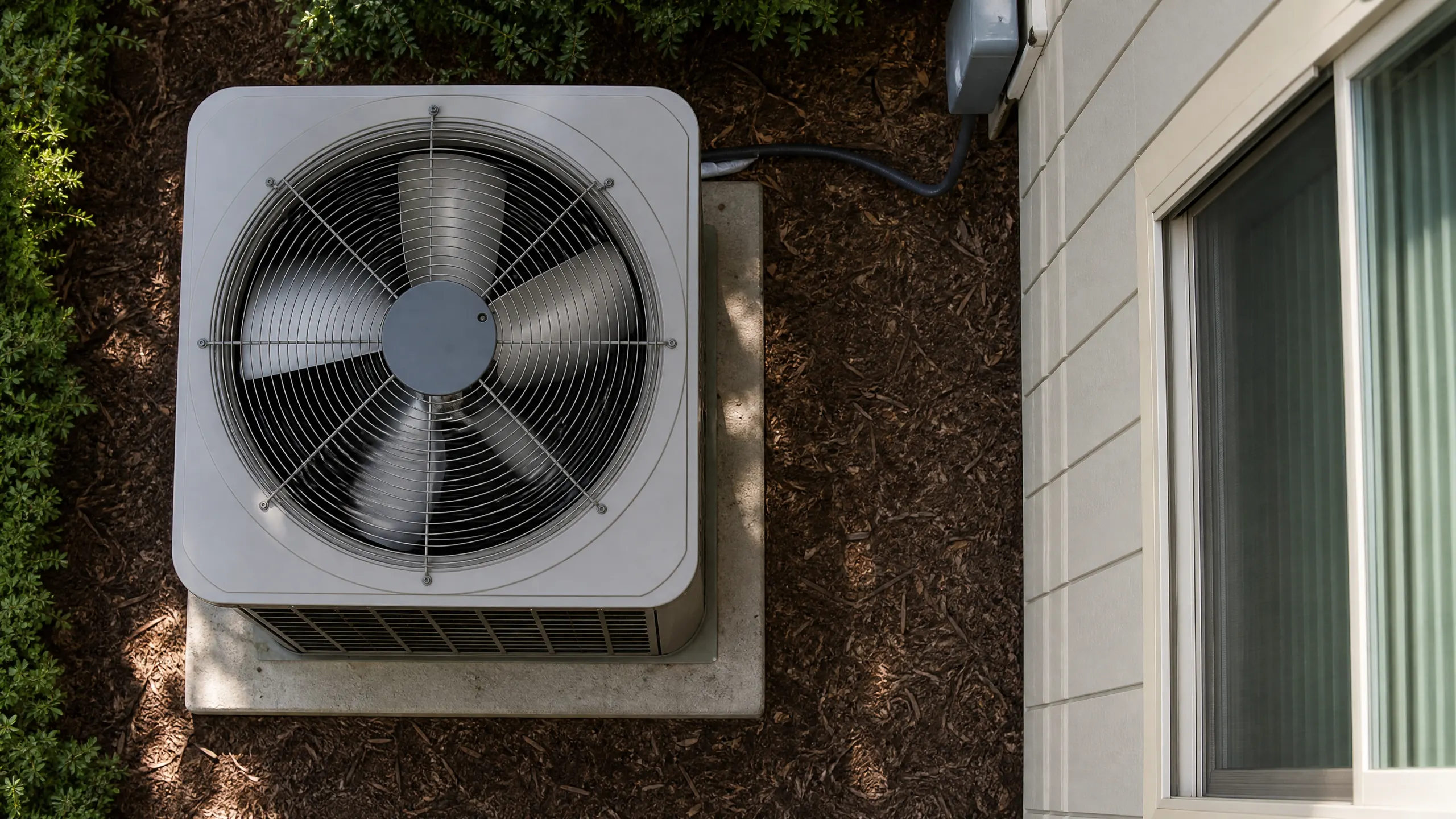
A gray residential air conditioner condenser unit mounted on a concrete pad in an open grass field.

Get it checked before you replace it

Half the houses here went up in 1988 or later, so a lot of the systems running in them now are newer too. If yours is one of them, there's a good chance it has years left, even if it's acting up right now. A struggling system isn't automatically a dying one. Have a contractor check the charge and the electrical parts before anyone talks about replacing it.

The capacitor is usually the first thing to go

The capacitor gives the compressor and the fan motor the jolt they need to start spinning. It wears down just from cycling on and off, year after year, and heat speeds that up. A failing capacitor shows up as a unit that hums but won't start, or a fan that spins slow. It's one of the most common reasons a system goes quiet.

Low refrigerant means a leak, not just a top-off

An AC doesn't use up refrigerant the way a car uses gas. If the charge is low, it's low because it's leaking out somewhere, usually at a coil or a fitting. Adding more without finding the leak just means doing it again later. A contractor checking for low charge should be checking for where it's getting out too.

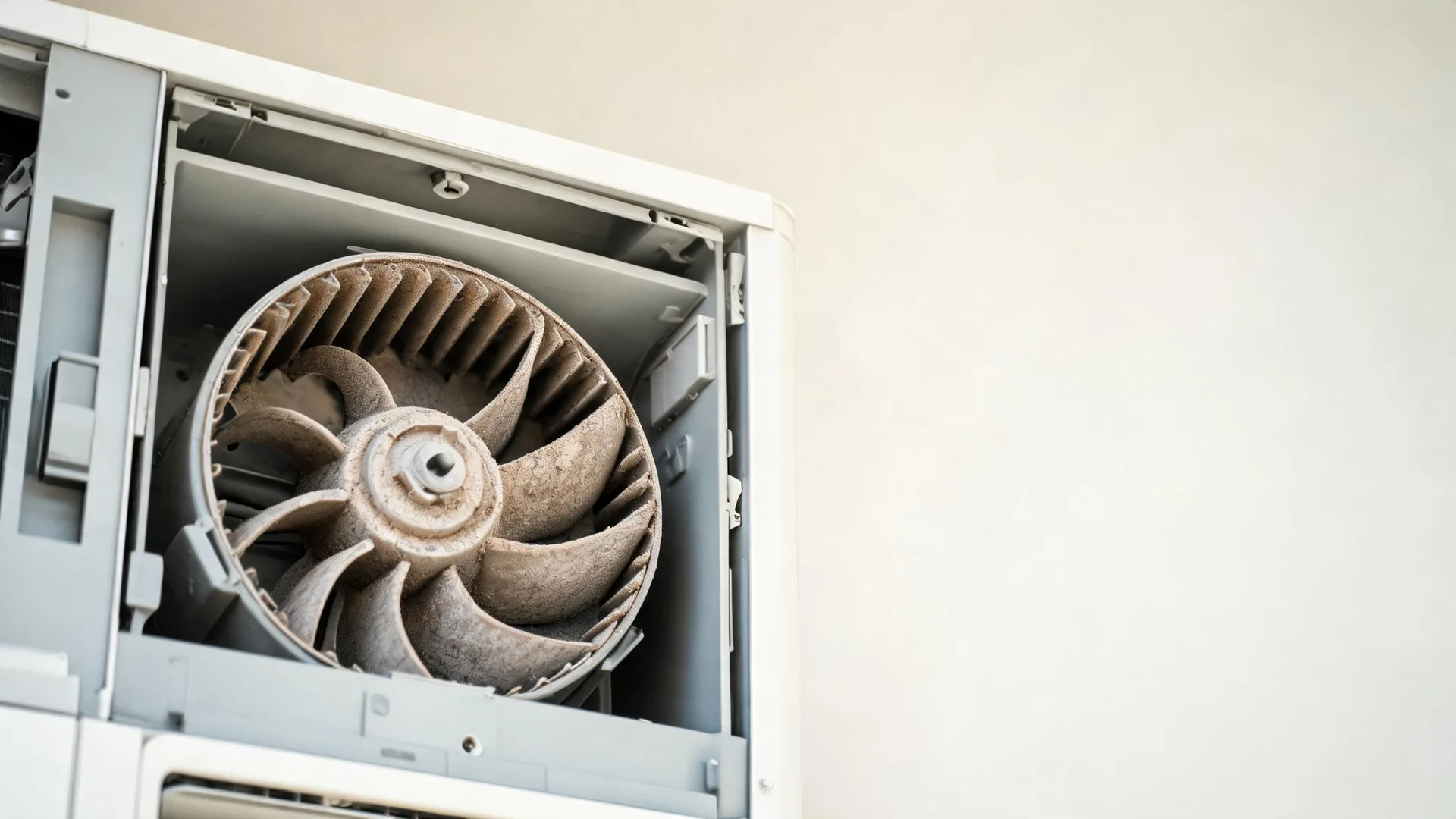
Aerial view of a square outdoor air conditioning condenser unit on a concrete pad beside a house wall with a sliding glass door.

A new air conditioner would cut about $60 a year off cooling for a typical El Paso County home.

  • A new one at the federal minimum, 14.3 SEER2$400 a year
  • An older air conditioner$460 a year

Estimates for a typical El Paso County home, compared with an older unit built to the previous federal minimum, from EIA household energy data, Texas fuel prices and NOAA climate normals. Your home will differ.

Repair makes sense when a part like a capacitor or contactor has failed.

Replacement makes sense when the compressor has failed or the system uses R-22 refrigerant, which is no longer made.

A diagnostic visit starts before any panel comes off. A contractor will ask what the system is doing, whether it's blowing warm air, short cycling, or not running at all, and when it started. Then they'll check the thermostat's call for cooling, the condenser outside, and the air handler inside, in that order, to find where the chain breaks. Gauges go on the refrigerant lines to check the charge, and a meter checks the capacitor and contactor for the readings they should hold. Airflow gets checked too, since a weak return or a clogged filter can mimic a refrigerant problem that isn't really there. By the end, the contractor should be able to point to the one part that's failing and explain why, not just guess at what's easiest to swap.