



Texas Cooling Help
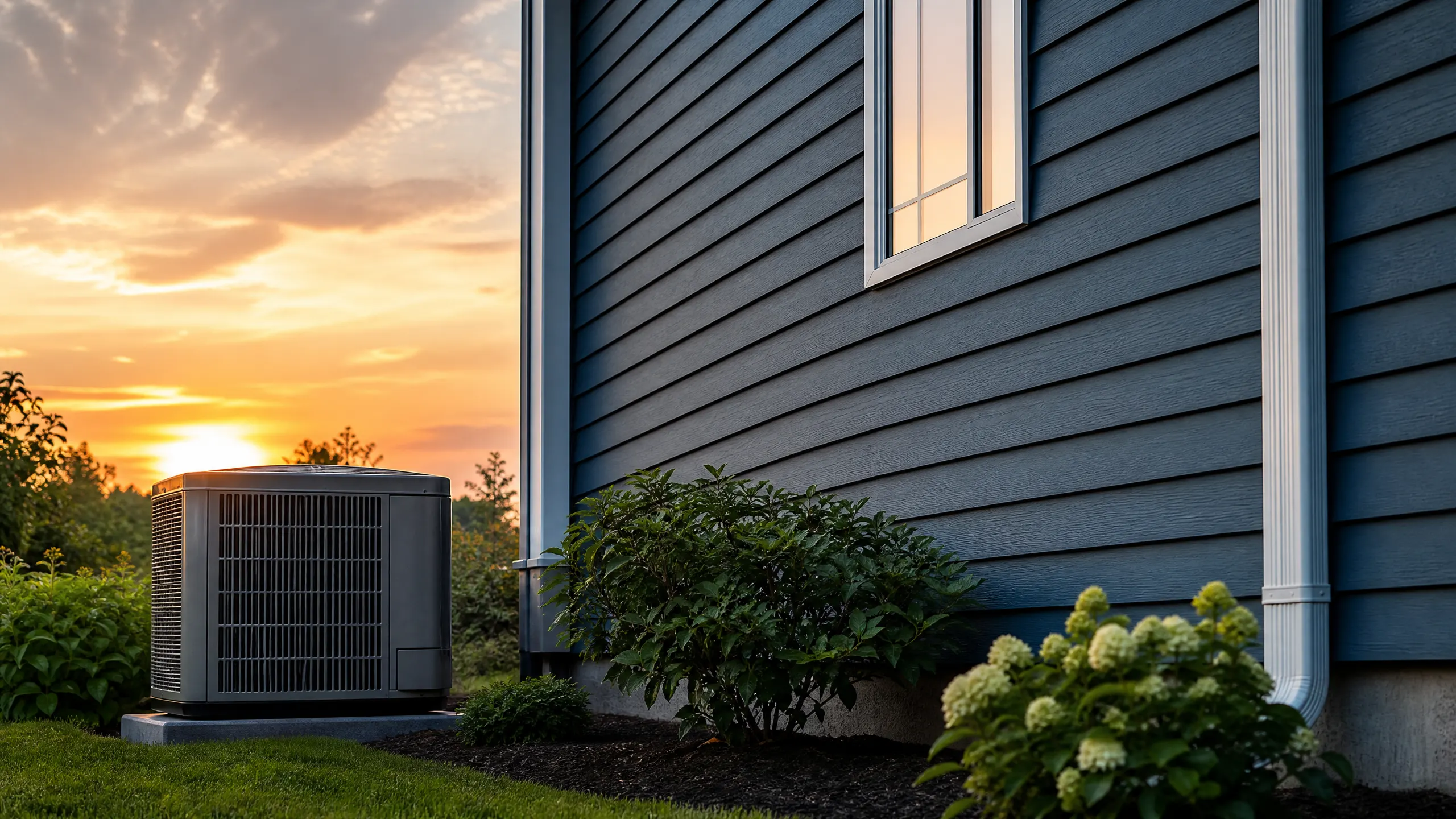
An outdoor air conditioning condenser unit positioned on a concrete pad next to a blue-sided house, surrounded by green shrubs and flowering hydrangeas at sunset.

AC Repair in Killeen, TX

Tell us about the job

Takes about a minute. No obligation.

Step 1 of 3: Equipment

Killeen air conditioners run from April through October, and the summer stretch is brutal on them. Afternoons average 95°F through June, July and August, which means the compressor is cycling on and working against that heat for most of the day, most of the week. That kind of steady load wears parts down faster than a mild climate ever would. A capacitor or contactor that might last years somewhere else can give out sooner here. If your system is struggling or short-cycling, it's worth having someone look at what's actually failing rather than guessing. A proper diagnosis is what makes the repair hold.

7 months
April through October, your air conditioner is on duty
95°F
the average summer afternoon it cools against
116 hail events
in ten years, and hail bends the fins on outdoor coils
44 wind events
in ten years, and wind drives debris into outdoor units
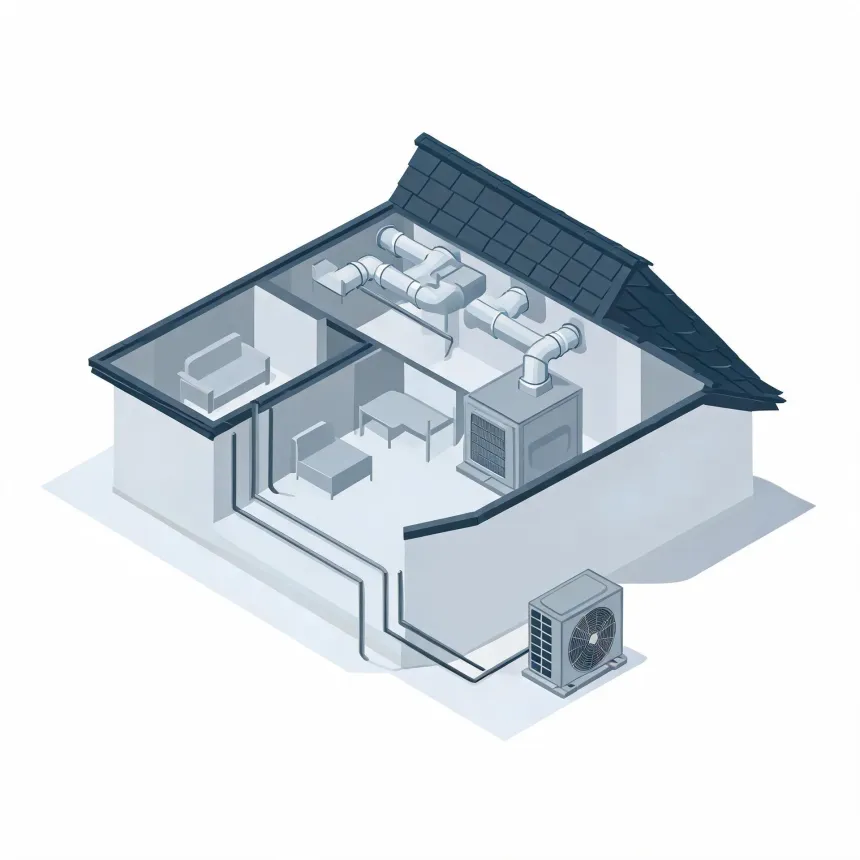
Isometric cutaway illustration of a house showing attic ductwork, an indoor air handler, refrigerant lines running outside, and an outdoor condenser unit on a pad.
Your air conditioner works hardest from June through September.

NOAA nClimDiv, 1991–2020 normals

Electricity in Texas ran 14.94 cents per kilowatt-hour in 2024.

A struggling AC still pulls that power while it fails to cool, so a bad capacitor or a low charge costs you every day it runs unfixed.

April is when a weak part gives out

Cooling runs April through October
Summer afternoons average 95°F
116 hail events from 2015 to 2024

Waiting doesn't save you anything here. A unit with a bad capacitor or a low charge still draws power every time it cycles on, and that's most of the day while it's running. You're paying Texas electric rates for cooling that isn't happening. Getting the actual problem diagnosed stops that waste, and it's usually a small part or a charge that's doing the damage, not the whole system.

Get it diagnosed properly

Your air conditioner works hard here, and that's usually what's behind the problem. Have it diagnosed properly so the fix lasts.

Find a contractor
A man in a dark cap and jacket and tan work pants, seen from behind, climbs porch steps toward an orange-brown front door while carrying a worn canvas tool bag.
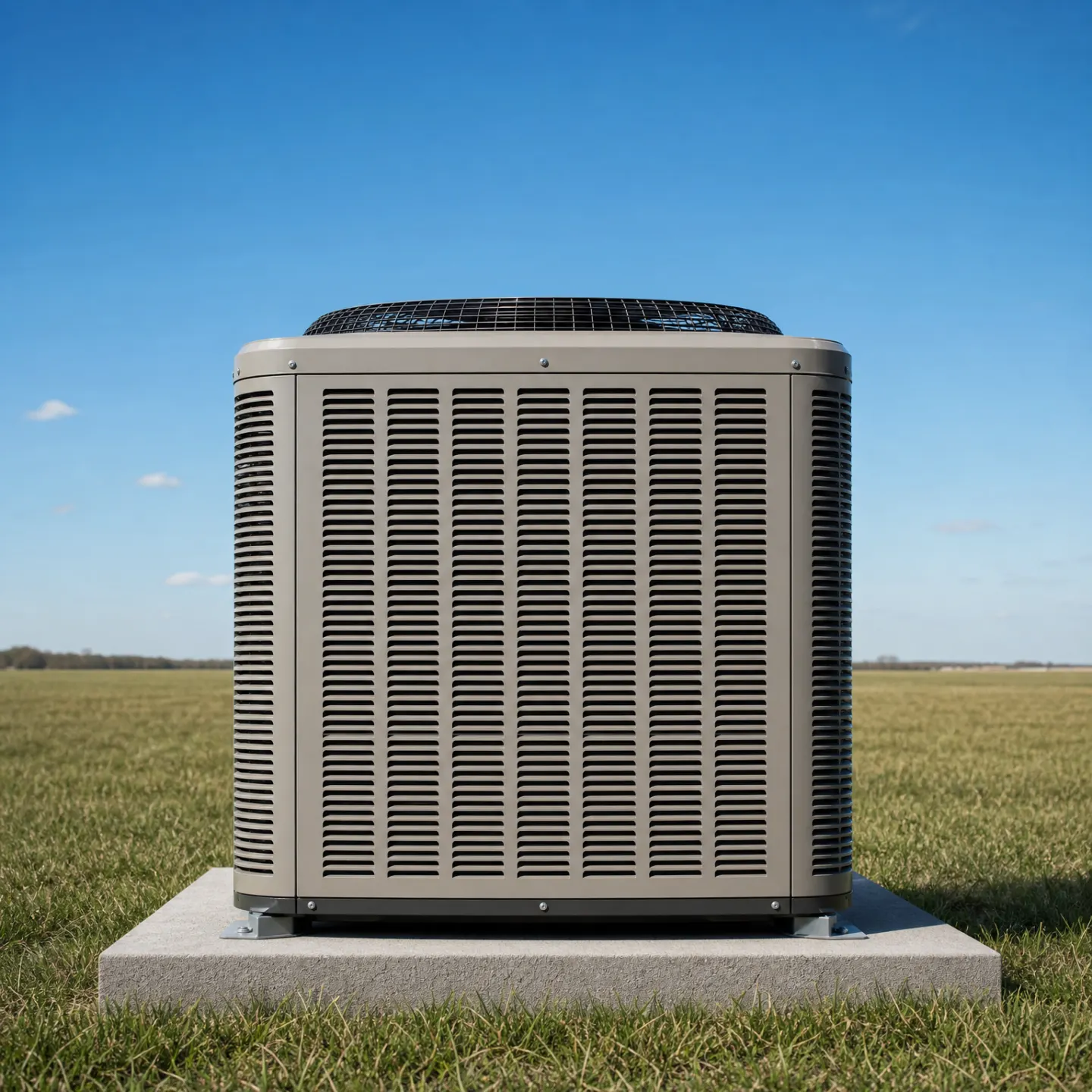
A gray residential air conditioner condenser unit mounted on a concrete pad in an open grass field.

Seven months of this, every year

Seven months of cooling, with afternoons averaging 95°F through the hottest stretch, adds up to a lot of cycles on a compressor. If yours is already worn from that kind of run, get the part that's actually failing checked before you decide anything about the unit itself.

What you can check yourself

Look at the outside unit and see if the fan is spinning. Check that the thermostat is set below room temperature and has working batteries. Go to the breaker panel and see if the AC breaker has tripped. Check the air filter and swap it if it's gray with dust. These take a few minutes and rule out the simplest causes.

What those checks tell you

If the outside fan isn't moving but you hear a hum, that's often a capacitor, and it's a job for a contractor, not a homeowner. A tripped breaker that trips again after resetting means something is drawing too much current and needs a diagnosis. A clogged filter restricts airflow and can cause the coil to ice over, so clearing that one yourself might be all it takes.

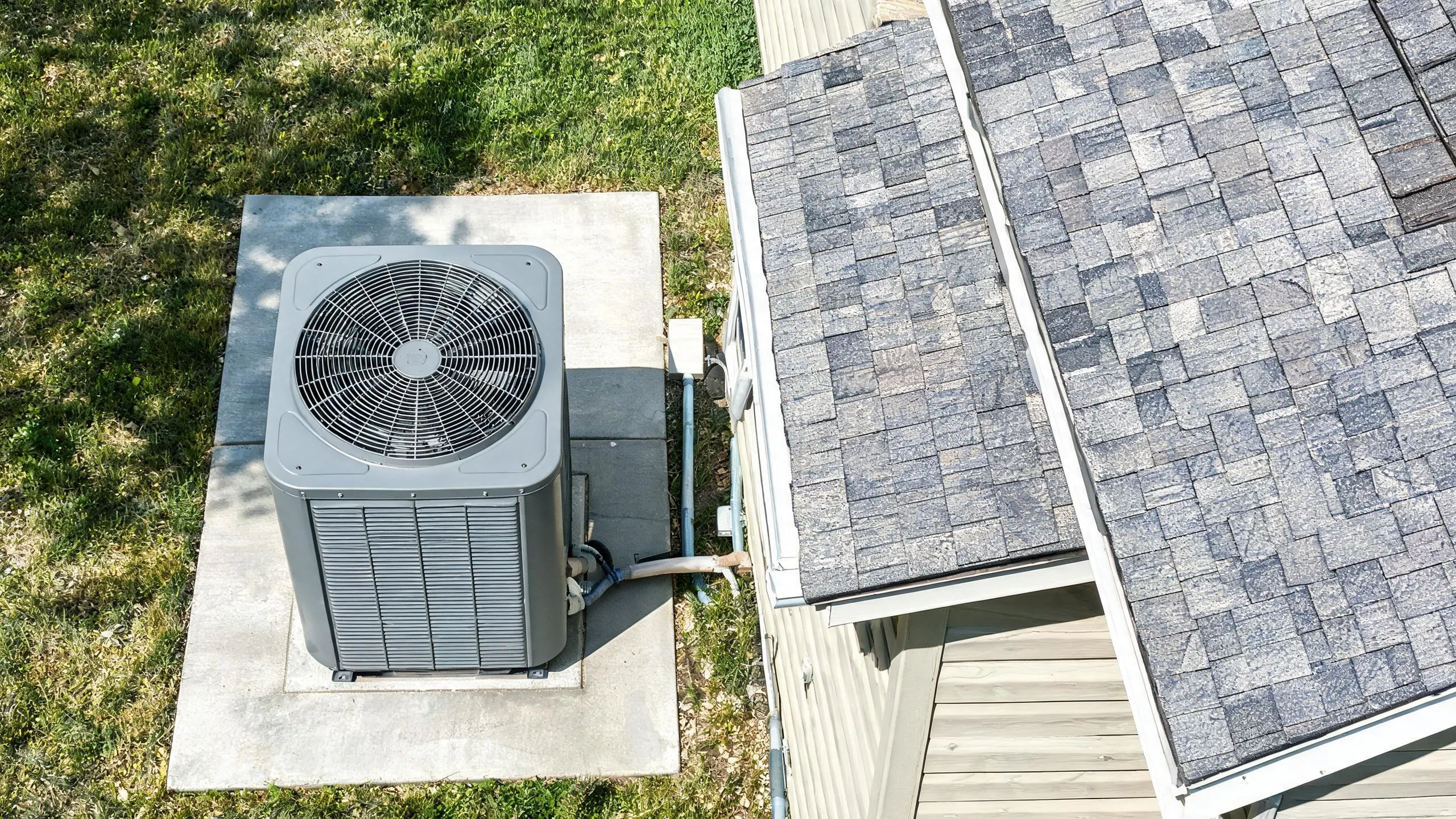
Overhead view of a gray residential air conditioning condenser unit mounted on a concrete pad beside a house with asphalt shingle roofing.

A new air conditioner would cut about $70 a year off cooling for a typical Bell County home.

  • A new one at the federal minimum, 14.3 SEER2$500 a year
  • An older air conditioner$570 a year

Estimates for a typical Bell County home, compared with an older unit built to the previous federal minimum, from EIA household energy data, Texas fuel prices and NOAA climate normals. Your home will differ.

Repair makes sense when a part like a capacitor or contactor has failed.

Replacement makes sense when the compressor has failed or the system uses R-22 refrigerant, which is no longer made.

A compressor failing outright is rare. Most of the time what quits is something smaller feeding it, a capacitor, a contactor, a fan motor, and the compressor itself is fine once that part's replaced. That's why age alone doesn't tell you much. A unit can run a long time if the parts around the compressor get swapped when they wear out, and it can die young if one of them fails and runs the compressor hard before anyone catches it. What matters more is whether the problem is isolated or whether several things are going at once. One bad part is a repair. A system where the coil, the compressor, and the electrical all need attention at the same time is usually telling you something different. A tech checking refrigerant pressure and electrical draw can tell you which one you're looking at.