Texas Cooling Help
White two-story houses with wraparound porches and Spanish moss-draped oak trees photographed along a residential street at night.

AC Repair in Houston, TX

Tell us about the job

Takes about a minute. No obligation.

Step 1 of 3: Equipment

What the age of the unit tells you

A compressor failure on an older air conditioner is a different conversation than a blown capacitor. The compressor is the heart of the system, and when it goes, you're often looking at replacing the whole outdoor unit rather than just that part. A capacitor, a contactor, a fan motor, those are repairs that make sense on a unit of any age because they're wear items, not the core of the machine.

What keeps happening is the real cost

One repair on a unit that's otherwise been reliable is just a repair. But if the same system keeps bringing a tech back out for different reasons each time, that pattern matters more than any single fix. A unit that's nickel and diming you with one failure after another is telling you it's wearing out everywhere at once, not just in the one spot that broke this time.

7 months
April through October, your air conditioner is on duty
93°F
the average summer afternoon it cools against
149 hail events
in ten years, and hail bends the fins on outdoor coils
178 wind events
in ten years, and wind drives debris into outdoor units
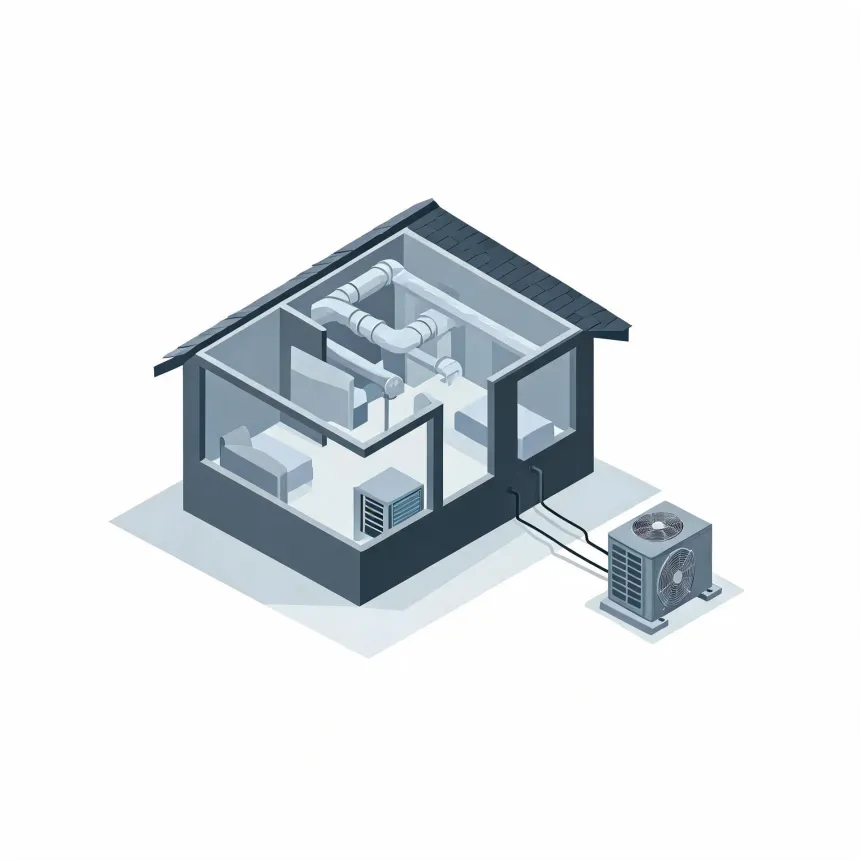
Isometric illustration of a cutaway house showing interior ductwork, an indoor air handler and furniture, connected by lines to an outdoor condenser unit on a pad.
Your air conditioner works hardest from May through September.

NOAA nClimDiv, 1991–2020 normals

AC in Harris County runs from April through October.

March is when a weak part gets found before it fails in the first hot week.

At 14.94 cents a kWh, a struggling AC runs up the bill every one of those months

Power costs 14.94 cents a kWh statewide
Cooling runs April through October
Summer afternoons average 93°F
Storms here are hard on an outdoor unit149 hail events hit Harris County between 2015 and 2024

Half the homes in Harris County were built in 1988 or later. If yours is one of them, the system inside is probably newer too, or at least not old enough to be failing from age alone. A unit that still has years ahead of it is worth fixing when something goes wrong, because the failure usually has a specific cause rather than general wear. That's a different situation than a system nobody's touched since the house was built.

This climate runs your AC hard. Make sure the repair holds up.

Seven months of cooling a year, afternoon highs averaging 93 in the summer, plus the wind and hail that come through on top of that. That wears on a unit no matter how old it is. When something breaks, get it diagnosed properly rather than patched, so the fix holds up through the next stretch of heat.

Find a contractor
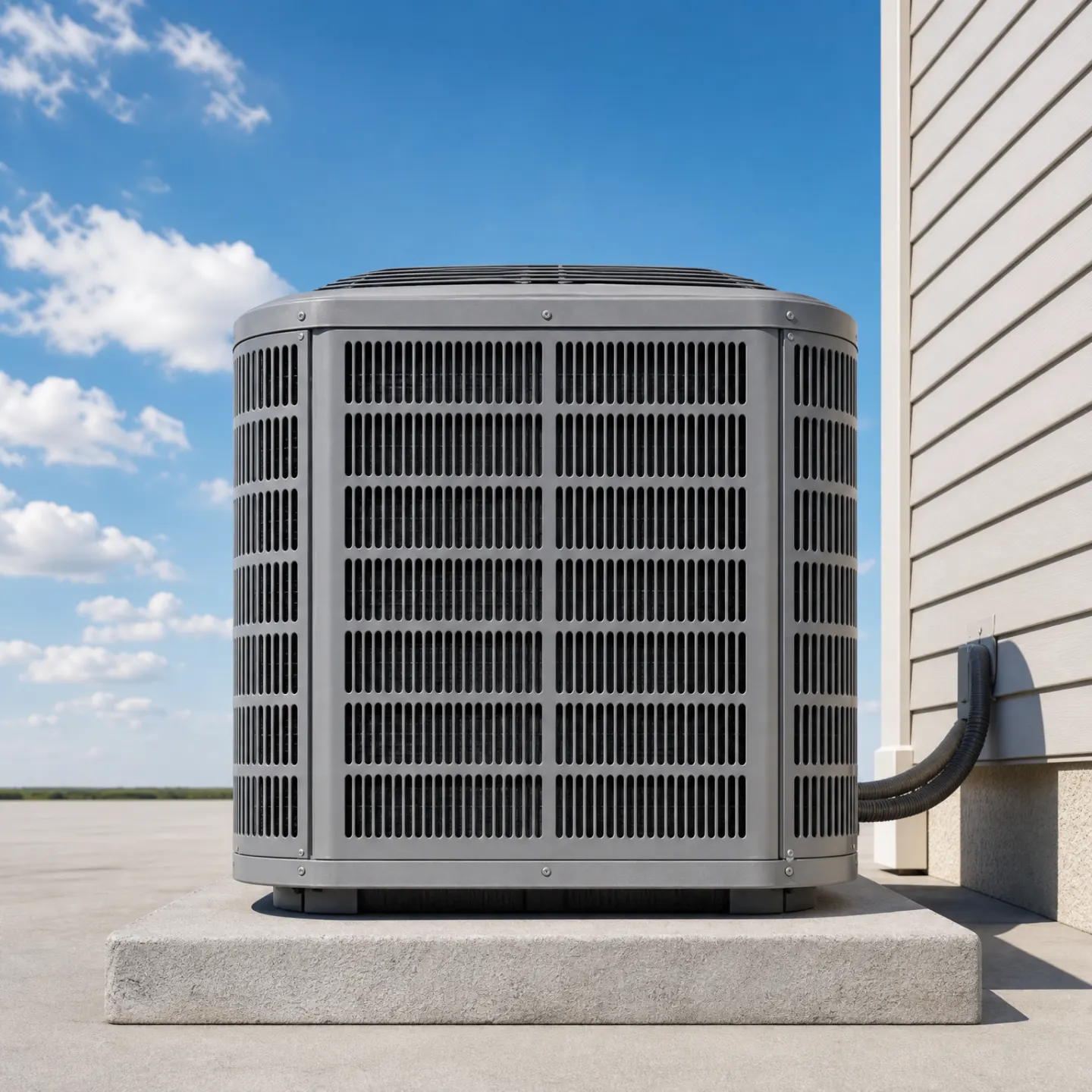
A gray cylindrical air conditioning condenser unit mounted on a concrete pad next to a light-colored vinyl-sided house exterior.

Fix what broke, not what didn't

If your system came with the house and the house is newer, don't let one broken part talk you into replacing the whole unit. Have the tech fix what failed. A newer system has no history of problems yet, so there's nothing wrong with the rest of it to find.

A refrigerant leak doesn't stay small

A system low on refrigerant makes the compressor work harder to hit the same temperature. Run it that way for days and the compressor runs hotter than it was built to. That's how a slow leak that would have been a simple recharge turns into a compressor replacement.

A failing part pulls other parts down with it

A weak capacitor makes the fan motor and compressor strain every time they start. Starting strained wears those parts faster than normal operation would. Keep running it that way and the repair that was one part grows into a repair involving several.

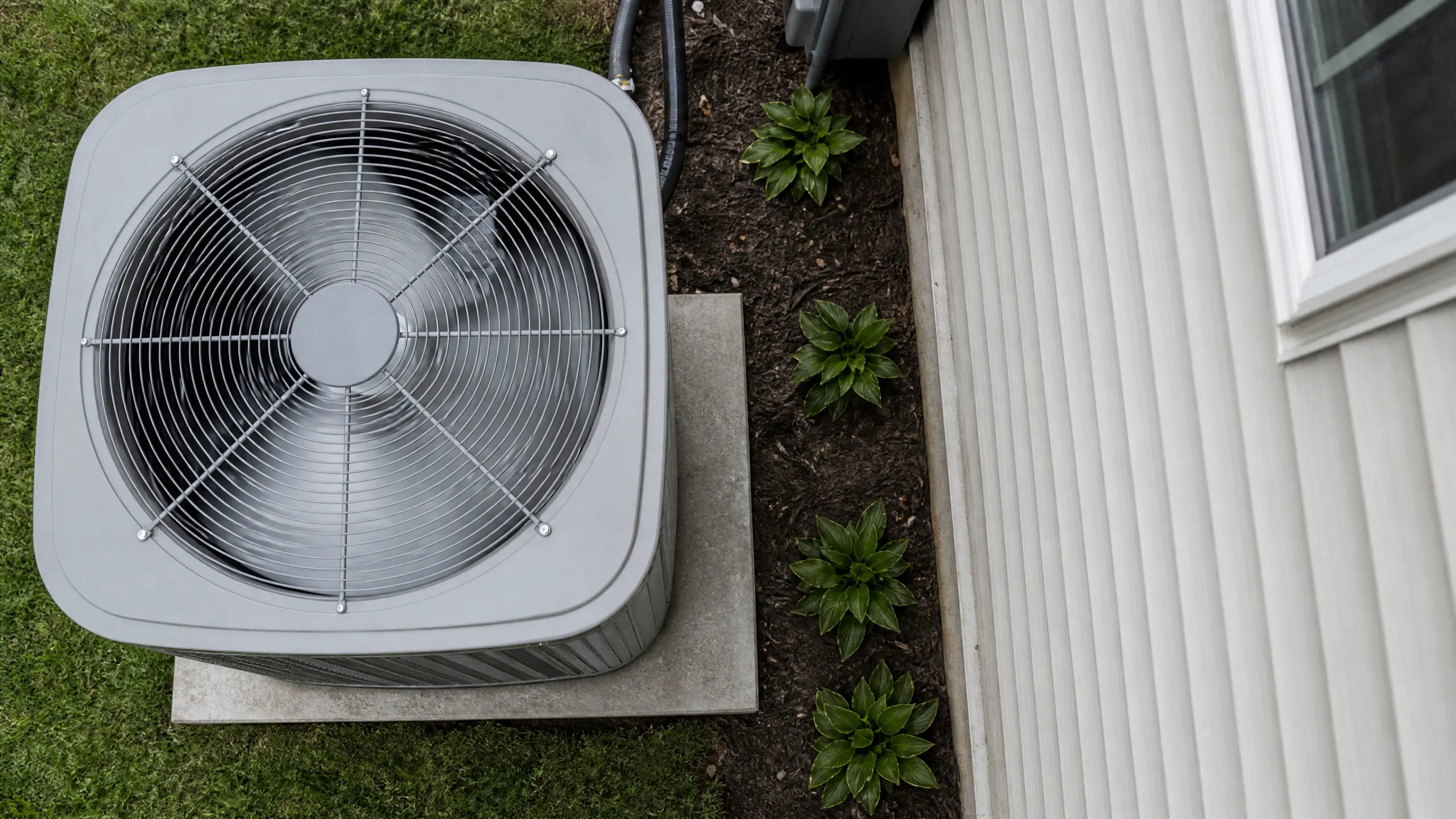
Overhead view of a gray outdoor AC condenser unit on a concrete pad beside a mulched garden bed and a house with vinyl siding.

A new air conditioner would cut about $90 a year off cooling for a typical Harris County home.

  • A new one at the federal minimum, 14.3 SEER2$560 a year
  • An older air conditioner$650 a year

Estimates for a typical Harris County home, compared with an older unit built to the previous federal minimum, from EIA household energy data, Texas fuel prices and NOAA climate normals. Your home will differ.

Repair makes sense when a part like a capacitor or contactor has failed.

Replacement makes sense when the compressor has failed or the system uses R-22 refrigerant, which is no longer made.

A diagnostic visit starts outside at the condenser, checking the refrigerant pressure and the electrical readings on the compressor, the fan motor and the capacitor. Low pressure points to a leak somewhere in the line, and the tech will want to find where before adding any refrigerant back. Inside, the evaporator coil and the airflow across it get checked too, since a system can show the same symptom, warm air, for reasons that live in completely different parts of the system. A thermostat miscalling for cooling looks the same from the vents as a dying compressor does. That's the reason a tech traces the actual fault instead of swapping parts and hoping. Once the cause is confirmed, you get told what's actually wrong and what it takes to fix it, not a guess.