




Texas Cooling Help
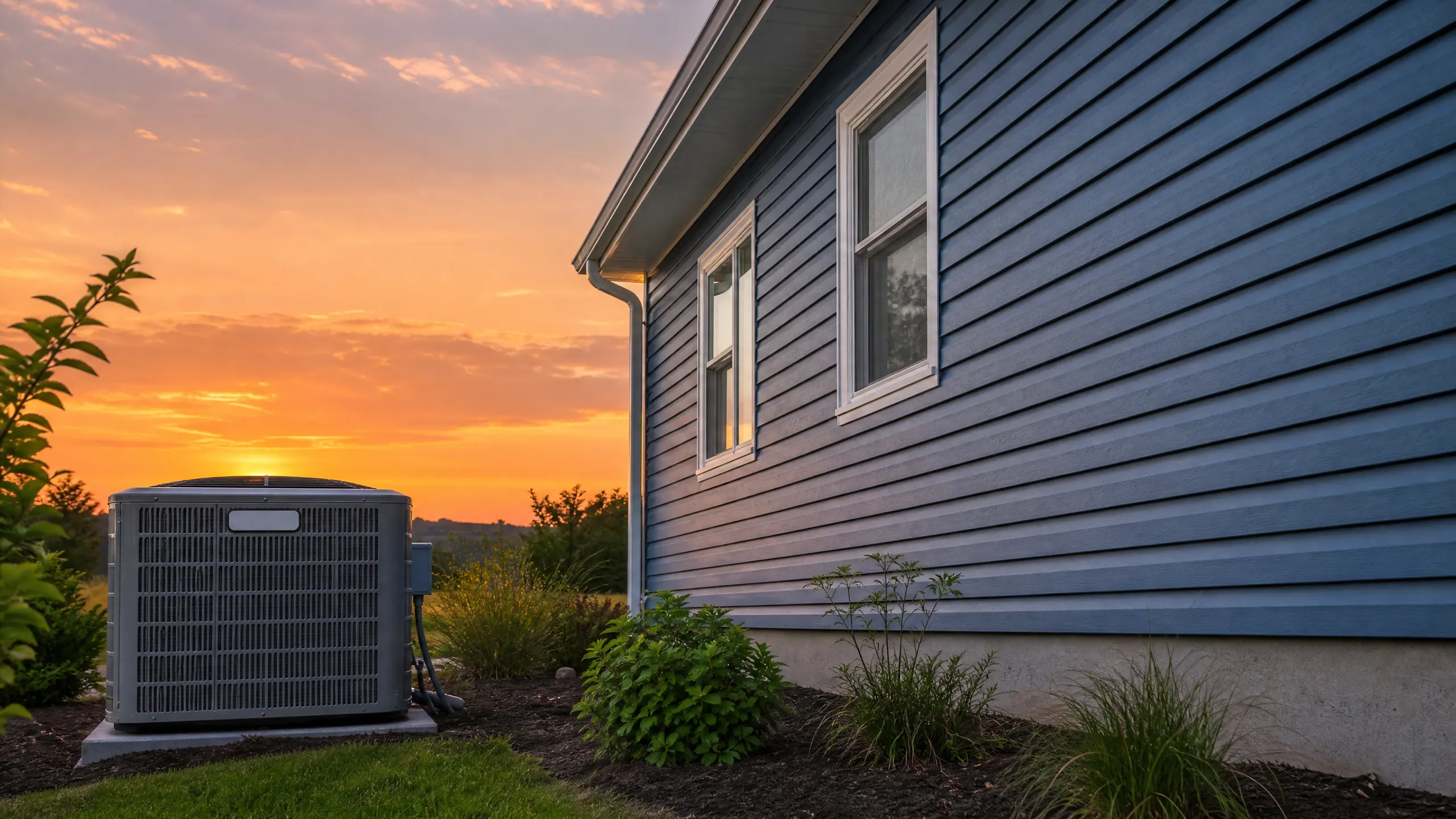
An outdoor air conditioning condenser unit positioned beside a blue-sided house at sunset.

AC Repair in Canyon, TX

Tell us about the job

Takes about a minute. No obligation.

Step 1 of 3: Equipment

Warm air coming from the vents when the thermostat is set to cool usually points to a refrigerant leak or a failing compressor. Short cycling, where the unit shuts off a few minutes after starting, often means a dirty filter is choking airflow or the coil is frozen over. Ice on the refrigerant line is never a good sign even though it seems backwards for a cooling system, and it usually means low refrigerant or restricted airflow is letting the coil get too cold. A unit that runs constantly without the house ever feeling cool points to a system that can't keep up, whether that's a failing capacitor, a dying compressor, or refrigerant it's lost over time. Loud noises, grinding or squealing on startup, mean a motor bearing or blower wheel is wearing out. Any of these is worth a call before the next hot stretch, since a system working this hard tends to fail completely at the worst possible time.

5 months
May through September, your air conditioner is on duty
91°F
the average summer afternoon it cools against
197 hail events
in ten years, and hail bends the fins on outdoor coils
172 wind events
in ten years, and wind drives debris into outdoor units
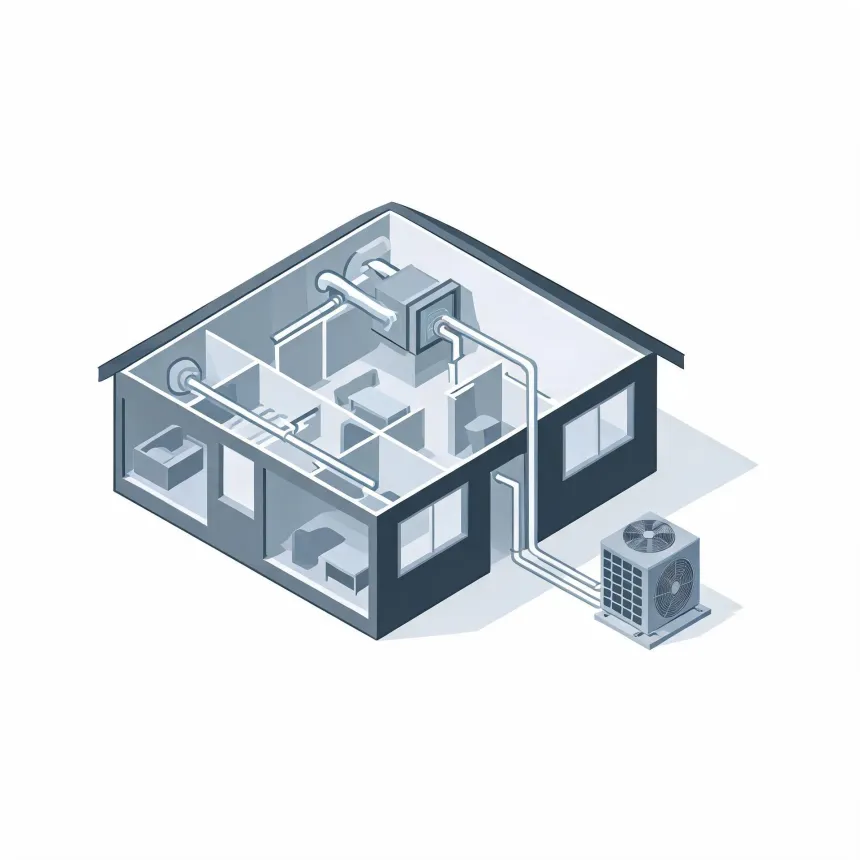
Isometric cutaway illustration of a single-story house showing interior ductwork and an air handler connected by lines to an outdoor condenser unit on a pad beside the building.
Your air conditioner works hardest from June through August.

NOAA nClimDiv, 1991–2020 normals

Your AC runs close to five months straight in Canyon, May through September, with afternoon highs averaging 91°F in the thick of summer.

A Canyon summer puts real hours and real heat on this system, so a repair should fix what's actually failing, not just quiet it down.

Canyon's hail and wind take their own toll on an AC that's already working overtime

Cooling runs May through September
Summer afternoons average 91°F
172 damaging wind events from 2015 to 2024
Get it fixed before MayCooling starts in May here. Whatever's been sitting since fall shows up fast once the system has to run every day.

A tech can usually tell you fast whether a repair makes sense, but the decision underneath it comes down to a few plain questions. How old is the compressor, and has it needed work before. A system on its second or third repair in a short stretch is telling you something, even if each fix was small on its own. Age matters too, because a unit well past its expected years is more likely to have a second part fail soon after the first one gets fixed. Cost matters against replacement, not against zero, since a repair that runs close to what a new system costs isn't really saving you anything. Older systems also run on a refrigerant that's being phased out, and sourcing it gets harder and pricier every year. None of that means repair is the wrong call. Plenty of units run fine for years after a solid fix. It just means the question isn't only what's broken. It's what else is likely to break next.

Get it diagnosed properly

Your air conditioner works hard here, and that's usually what's behind the problem. Have it diagnosed properly so the fix lasts.

Find a contractor
A man in a cap, dark shirt and tan work pants, seen from behind carrying a worn canvas tool bag, steps up onto a porch toward an orange front door beside a potted shrub.
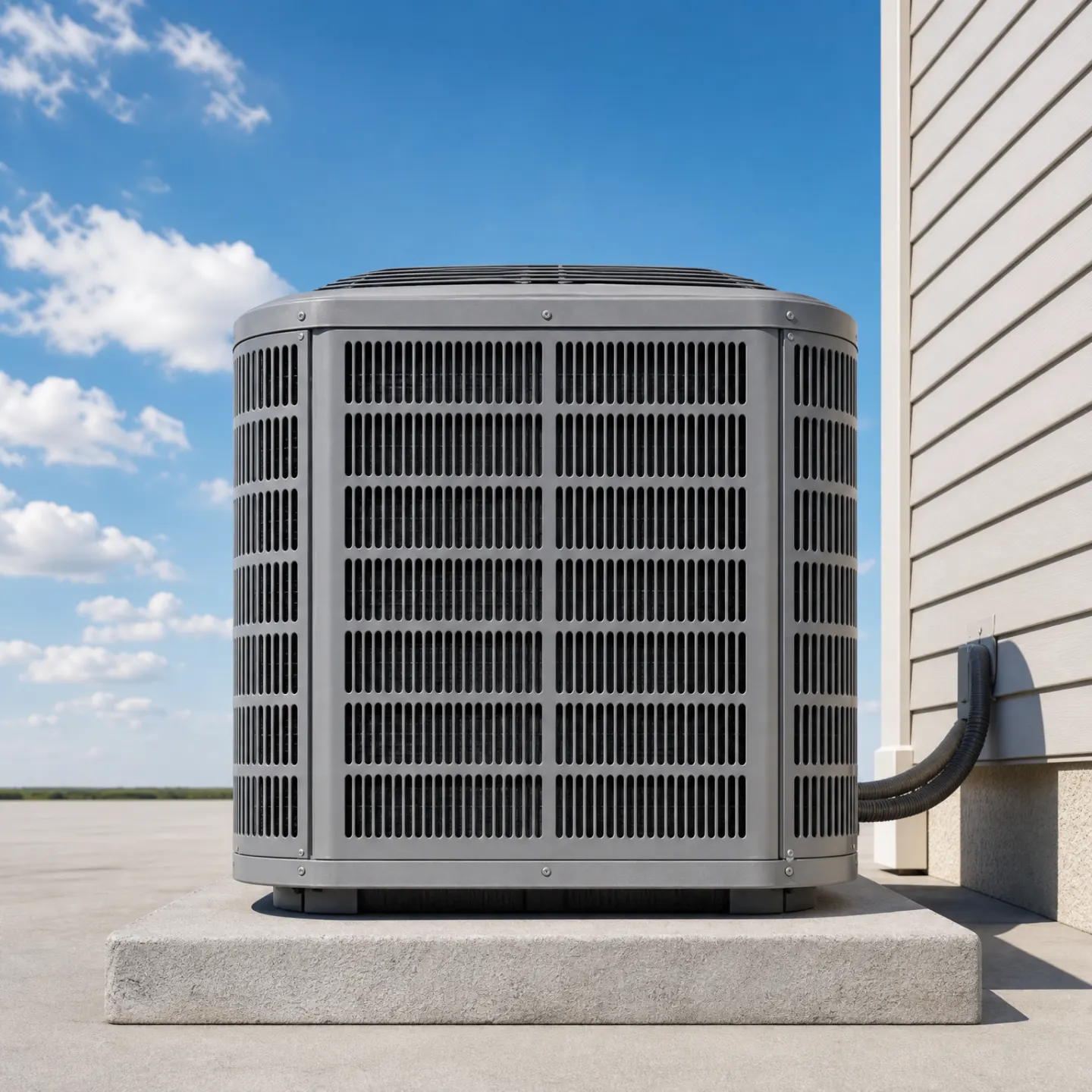
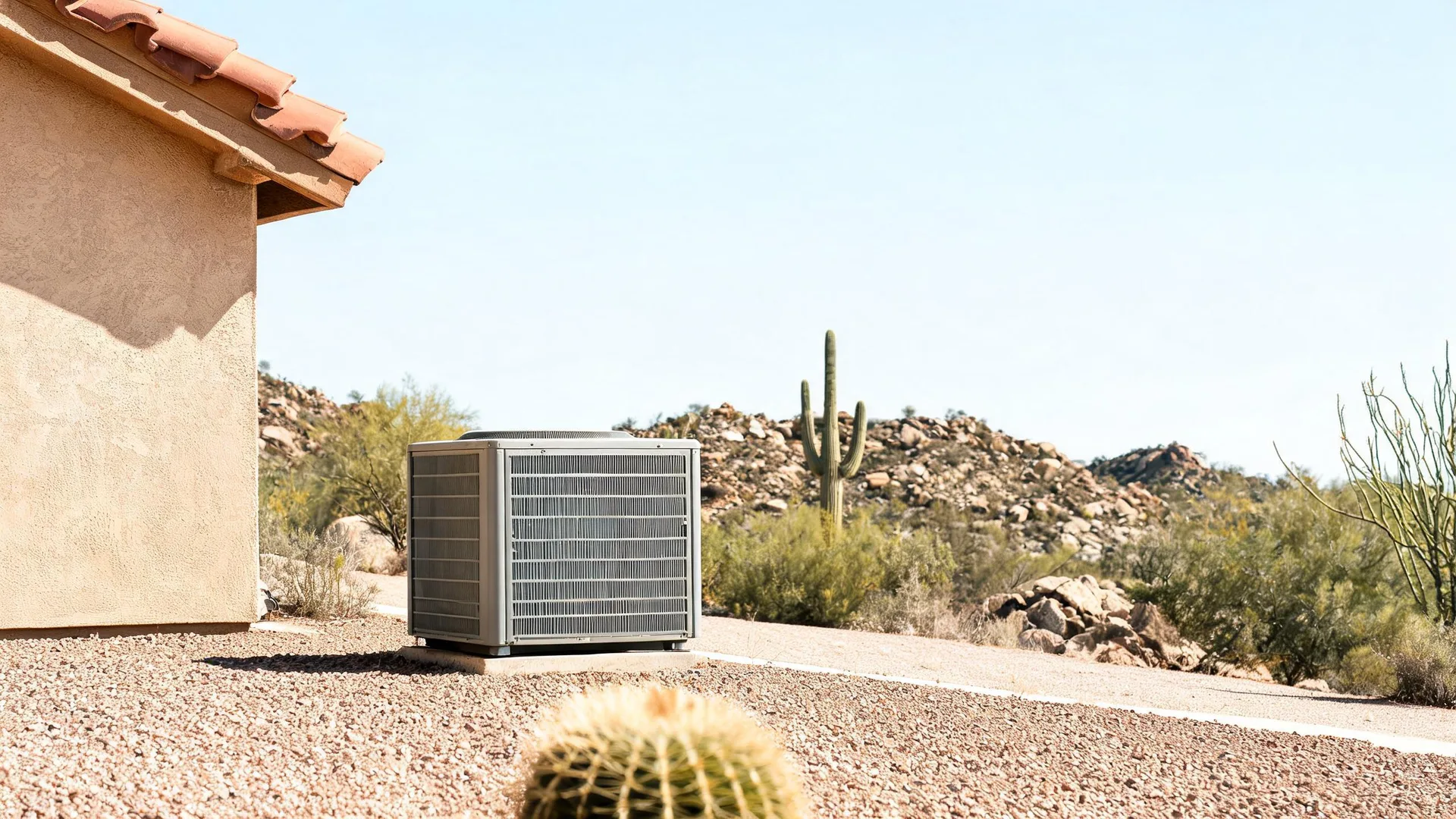
A gray cylindrical air conditioning condenser unit mounted on a concrete pad next to a light-colored vinyl-sided house exterior.

A newer system is usually worth fixing

Half the homes in Randall County were built in 1986 or later. If yours is one of them, the AC inside it has probably had less than half the life your grandparents' unit would have logged by now. A system that age failing once doesn't mean it's done. It usually means one part gave out, and the rest of the unit still has years in it.

Check the filter first

Pull the filter and hold it up to the light. If you can't see through it, air can't get through it either, and the coil behind it can freeze or the blower can struggle to push air through the ducts. A clean filter is the one fix you can do yourself, and it rules out the most common cause before anyone comes out.
Check the breaker and the thermostat batteries

Go to the breaker panel and look for one that's tripped. Swap the thermostat batteries if the screen is blank or dim. Both can look exactly like a failed system when the problem is really just a thermostat with no power behind it.

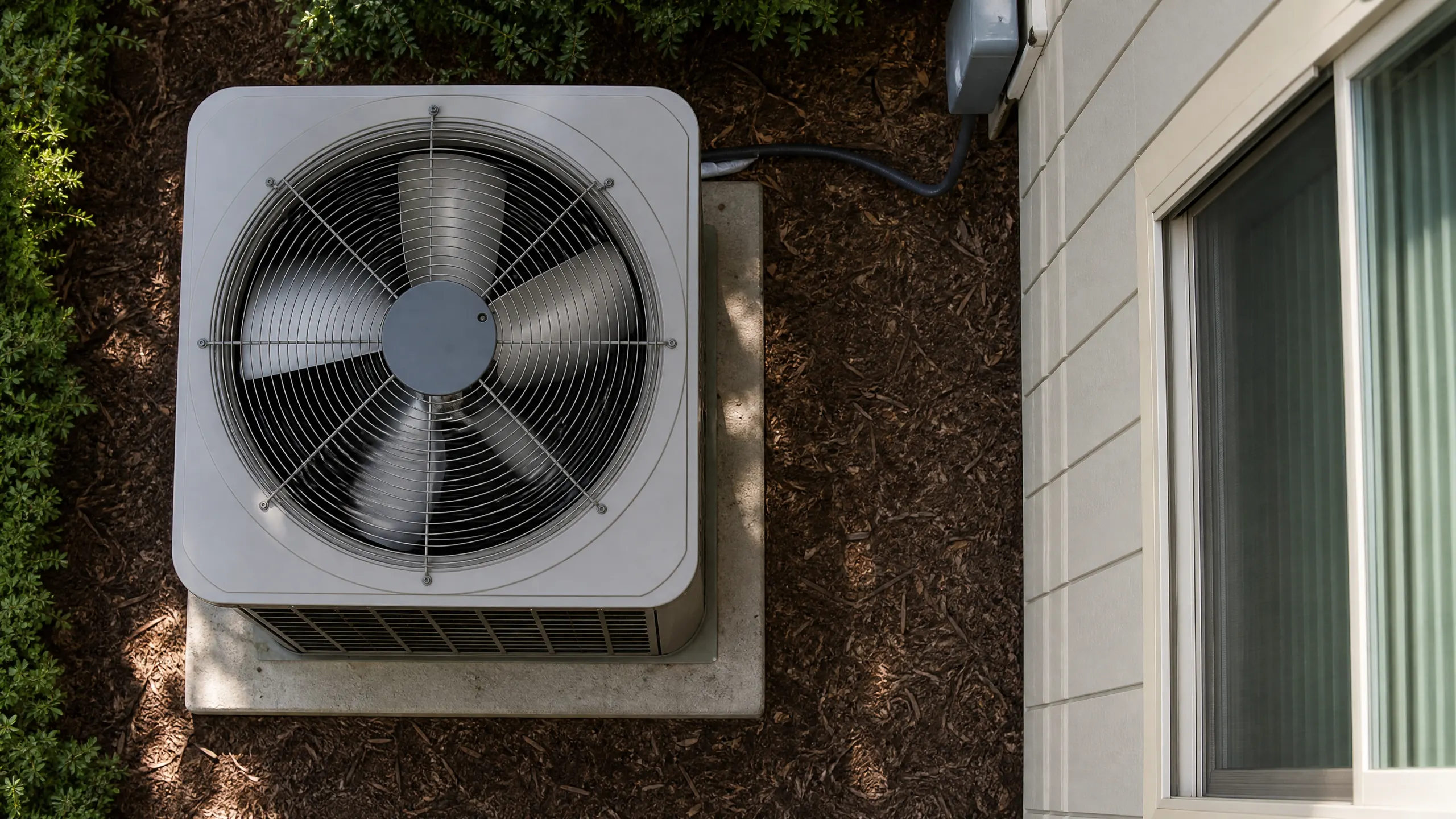
Aerial view of a square outdoor air conditioning condenser unit on a concrete pad beside a house wall with a sliding glass door.

A new air conditioner would cut about $40 a year off cooling for a typical Randall County home.

  • A new one at the federal minimum, 14.3 SEER2$260 a year
  • An older air conditioner$300 a year

Estimates for a typical Randall County home, compared with an older unit built to the previous federal minimum, from EIA household energy data, Texas fuel prices and NOAA climate normals. Your home will differ.

Repair makes sense when a part like a capacitor or contactor has failed.

Replacement makes sense when the compressor has failed or the system uses R-22 refrigerant, which is no longer made.

A diagnostic starts with the thermostat and ends at the unit outside, and a tech checks both ends before touching anything. Gauges go on the refrigerant lines to read the pressure, since that number says more about what's wrong than the sound the unit makes. The capacitor gets tested under load, not just looked at, because a capacitor can look fine and still not hold a charge. Electrical connections get checked for corrosion, since a loose or corroded wire can mimic a failing part. The coil gets inspected for ice or dirt, and the blower wheel gets checked for the kind of buildup that cuts airflow without anyone noticing. None of this takes guesswork once the gauges are on, and a tech should be able to tell you what failed and why before any repair starts.