Check the filter first
A clogged filter starves the coil of airflow and the whole system struggles because of it. Pull it out and hold it to the light. If you can't see through it, that alone could be why the air feels weak or the unit runs nonstop.
Takes about a minute. No obligation.
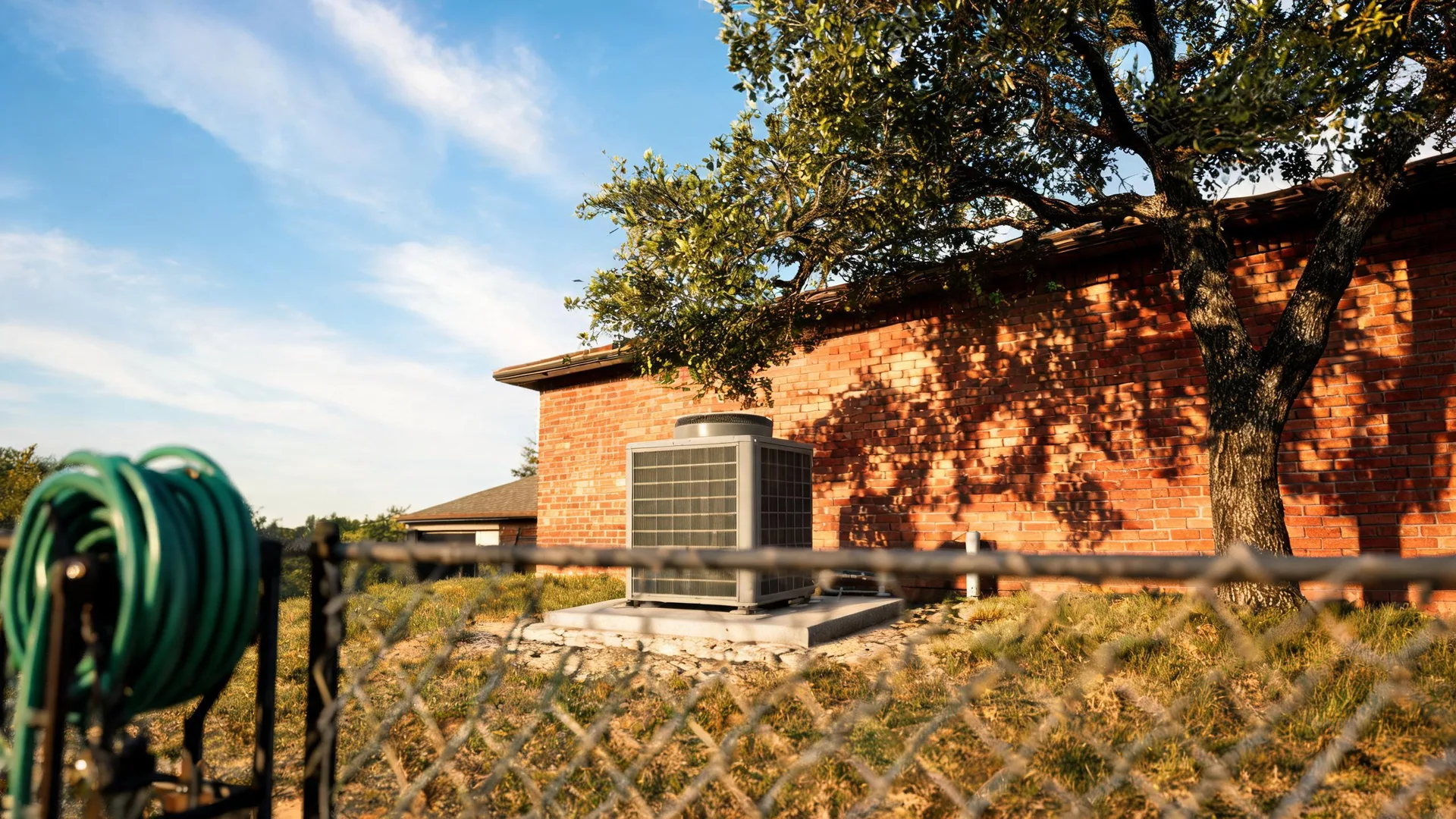
McLennan County saw 102 hail events between 2015 and 2024, along with dozens of damaging wind events and several tornadoes touching down. Your outdoor unit sits right in the open for all of it. Hail dents the fins and bends them shut, and wind-blown debris can nick the coil or jam the fan without stopping it outright. A unit that still kicks on can be running on a damaged coil or a bent fan blade, so after any bad storm it's worth having someone look even if the air is still cold.
NOAA nClimDiv, 1991–2020 normals
Cooling runs May through October here.
Get it looked at in April, before the first May heat wave finds the weak part.



Half the homes in McLennan County were built in 1983 or later. If yours is one of them, the AC that came with the house may well be original and still within its working life. A system that age failing isn't usually a sign it's worn out for good. More often it's one part gone bad, a capacitor, a contactor, a fan motor, while the compressor and coil underneath are still sound. Worth having someone confirm that before you think about replacing anything.
Electricity in Texas runs 14.94 cents per kilowatt-hour, and your AC is one of the biggest draws in the house. A unit running on a bad capacitor or a low charge doesn't just cool worse, it pulls more power doing it. That cost shows up on every bill until the part gets fixed.
Find a contractor
If your system is original to the house, call for a repair, not a replacement quote. There's no reason to pay for a full system because one part failed. Ask whoever comes out to check the compressor and coil directly instead of just quoting a new install. That's where the real age of the unit shows, not on the nameplate.
A clogged filter starves the coil of airflow and the whole system struggles because of it. Pull it out and hold it to the light. If you can't see through it, that alone could be why the air feels weak or the unit runs nonstop.
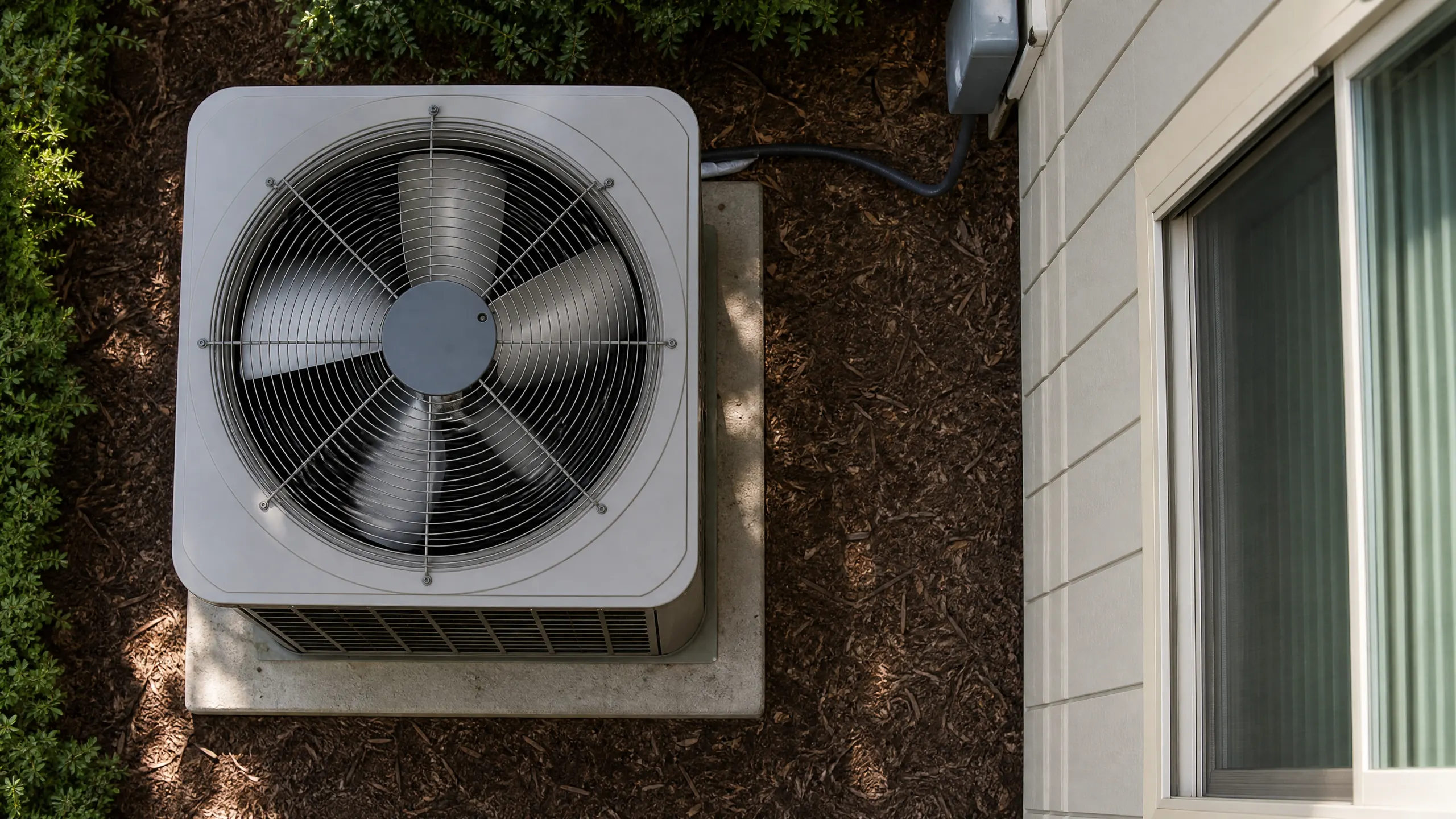
Walk outside and check that the fan is spinning and nothing is pressed up against the coil. Leaves, a fallen branch, even grass clippings packed into the fins will block airflow and make the system work harder than it should. Clear debris away by hand, but leave the panels alone.
Estimates for a typical McLennan County home, compared with an older unit built to the previous federal minimum, from EIA household energy data, Texas fuel prices and NOAA climate normals. Your home will differ.
Repair makes sense when a part like a capacitor or contactor has failed.
Replacement makes sense when the compressor has failed or the system uses R-22 refrigerant, which is no longer made.
A part failing doesn't mean the system is done. The compressor is the part that's expensive to replace, and it's built to outlast almost everything else in the unit. Capacitors, contactors, fan motors, these wear out on a schedule that has nothing to do with the compressor's condition. When one goes bad, the fix is that part, not the whole system. What does call for a harder look is a compressor failing on its own, or a coil leaking refrigerant, since both sit underneath everything else and cost real money to replace. Someone who checks those directly, rather than just listing what's wrong, can tell you honestly which kind of repair you're looking at.