Six months of this a year
AC here runs from May through October, and June through August the afternoon high averages 94°F. That is six straight months of long cooling cycles with little break.
Takes about a minute. No obligation.
AC here runs from May through October, and June through August the afternoon high averages 94°F. That is six straight months of long cooling cycles with little break.
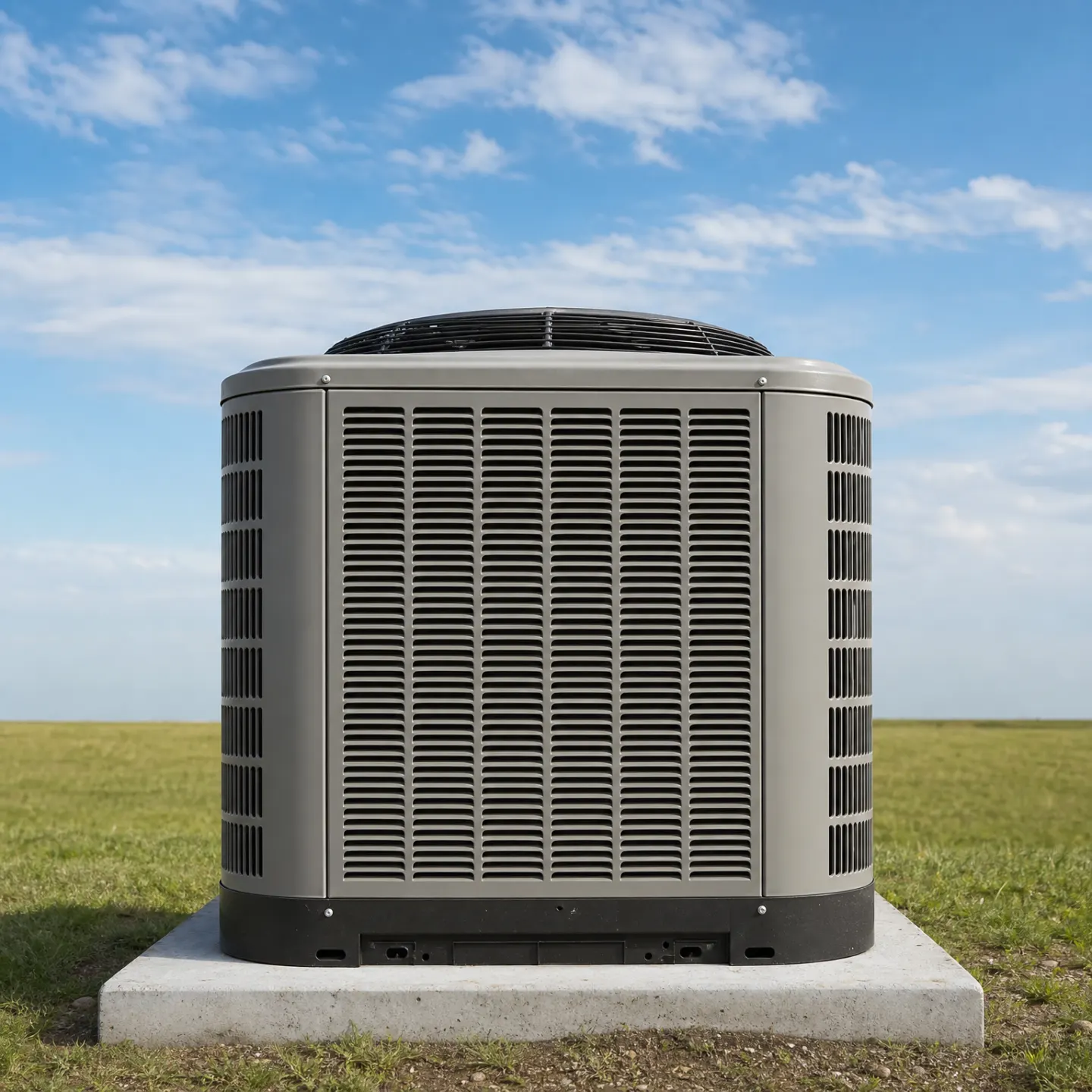
Ellis County had 133 hail events between 2015 and 2024. A condenser that takes a hit and keeps running can develop problems that only show up once summer starts pushing it hard.
NOAA nClimDiv, 1991–2020 normals
A compressor straining against a low charge keeps drawing current it can't put to use.
Run it another week like that and you're buying a compressor, not a recharge.




Texas homes paid 14.94 cents per kilowatthour in 2024, and that meter keeps turning whether the system is cooling the house or not. A low charge or a weak capacitor makes the compressor pull hard without getting the job done. You pay for that electricity either way. The longer a bad repair sits, with summer still ahead, the more it costs to run a machine that isn't earning its keep.
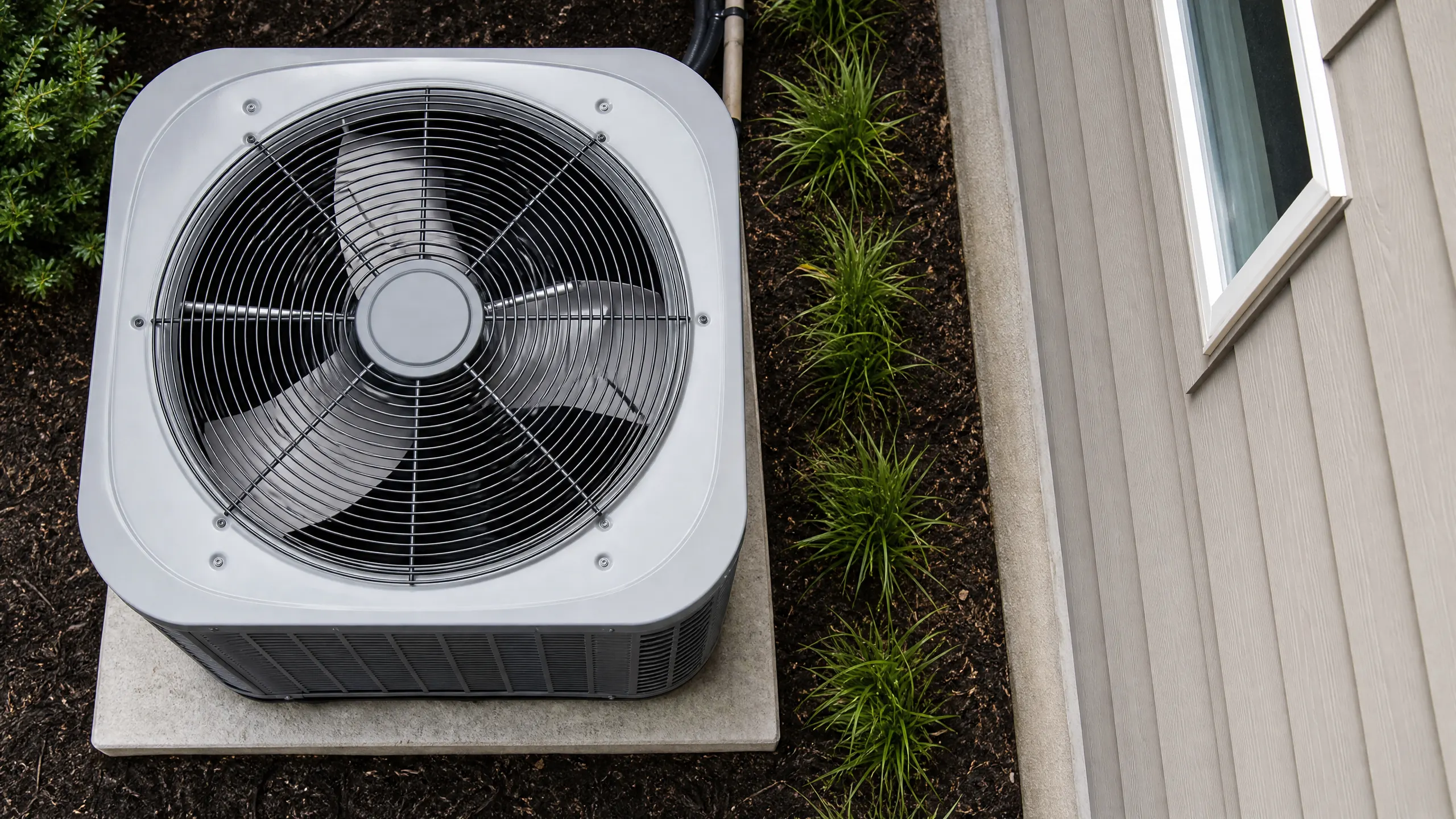
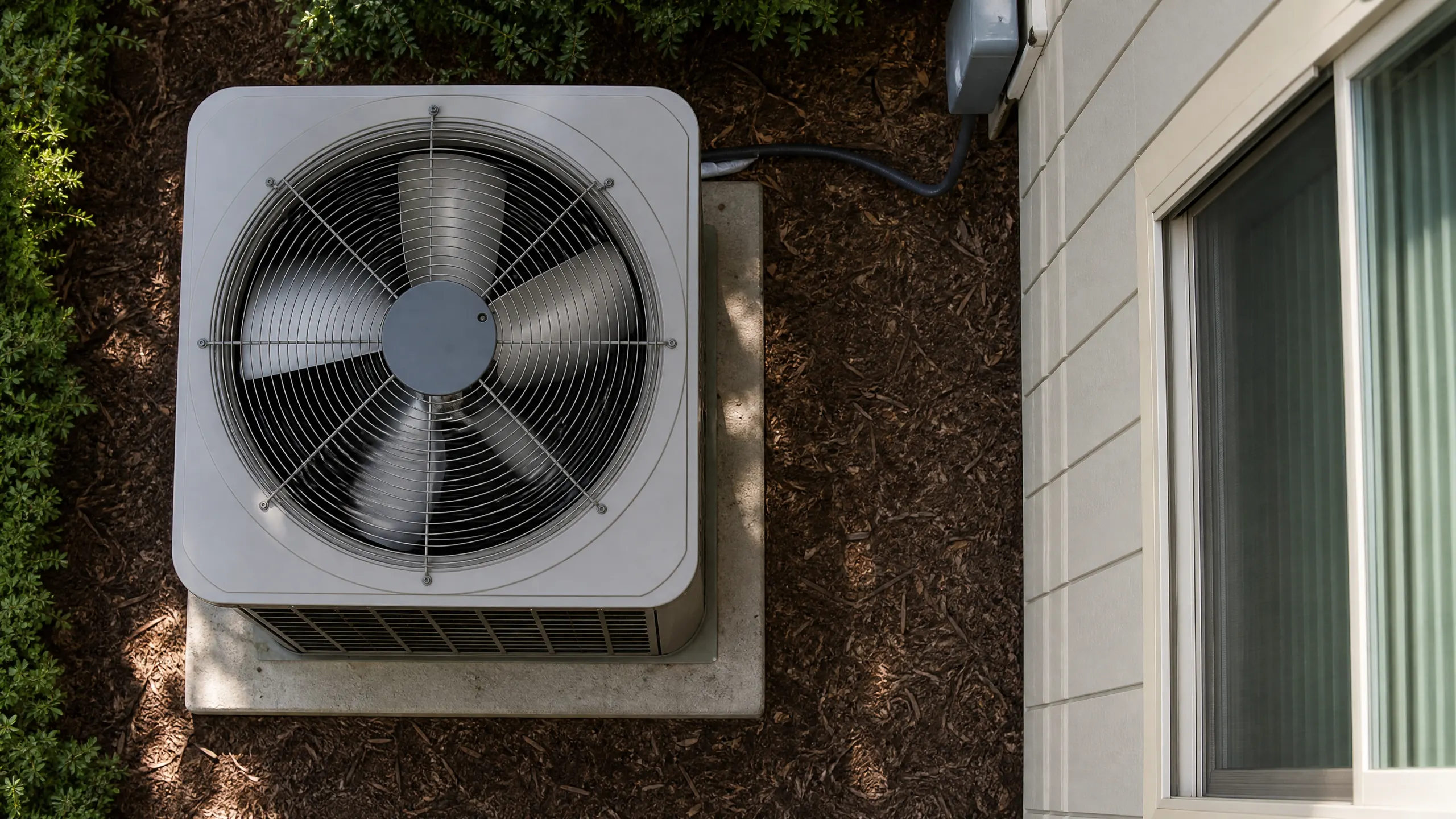
Six months of summer and a history of hail both land on the same condenser. Get it looked at before the next long run of heat finds the problem for you.
Find a contractor
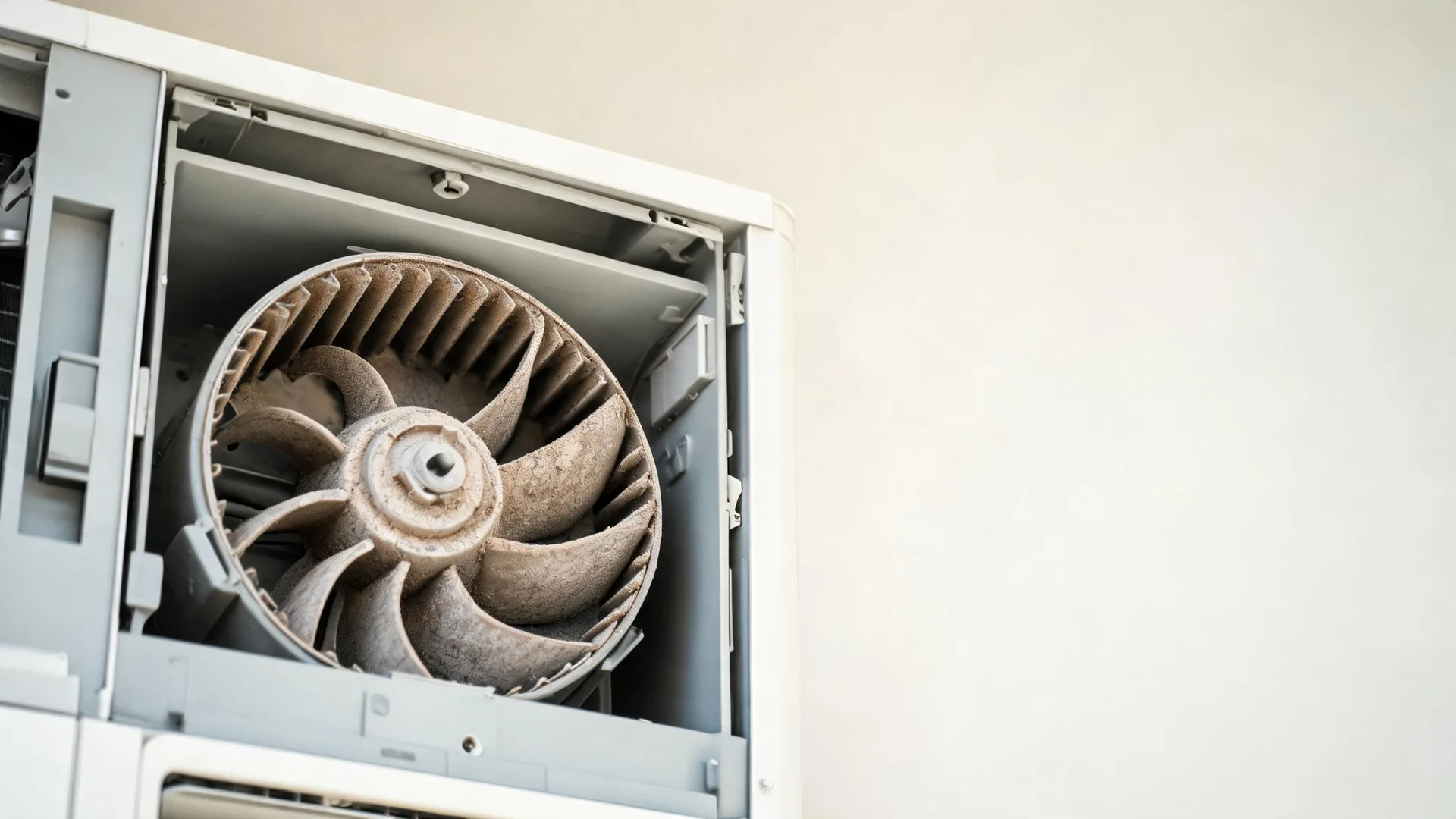
The clip beside this shows what running day into night does to a system over time. A system that came with a house built in 2002 or later has fewer of those cycles behind it than one from an older home. That matters when something starts acting up. A newer compressor or coil has less wear to account for, so a repair tech can usually trace the problem to the part that failed rather than the system as a whole wearing out.
When the outdoor coil is caked with dirt or the indoor coil is iced over, heat can't transfer the way it should. The compressor ends up running longer to do the same job, and that extra strain is what burns one out before its time.
The capacitor gives the compressor and fan motor the jolt they need to start and keep running smoothly. Once it weakens, the compressor starts pulling hard without getting up to speed, and that kind of strain is what ends a compressor's life.
Estimates for a typical Ellis County home, compared with an older unit built to the previous federal minimum, from EIA household energy data, Texas fuel prices and NOAA climate normals. Your home will differ.
Repair makes sense when a part like a capacitor or contactor has failed.
Replacement makes sense when the compressor has failed or the system uses R-22 refrigerant, which is no longer made.
A diagnostic starts with questions, not tools. When did it stop cooling, and what did it do right before that. A tech checks the thermostat first, because a setting bumped by accident looks exactly like a dead system from across the room. From there it's gauges on the refrigerant lines to see what the pressures are doing, and a meter on the capacitor and the compressor to see what they're drawing against what they should draw. The coils get a look too, since a coil caked with dirt or iced over will throw the readings off before anything else does. By the time the panel goes back on, the tech isn't guessing which part failed. They can show you the number that's wrong and explain what it means for the system.