Texas Cooling Help
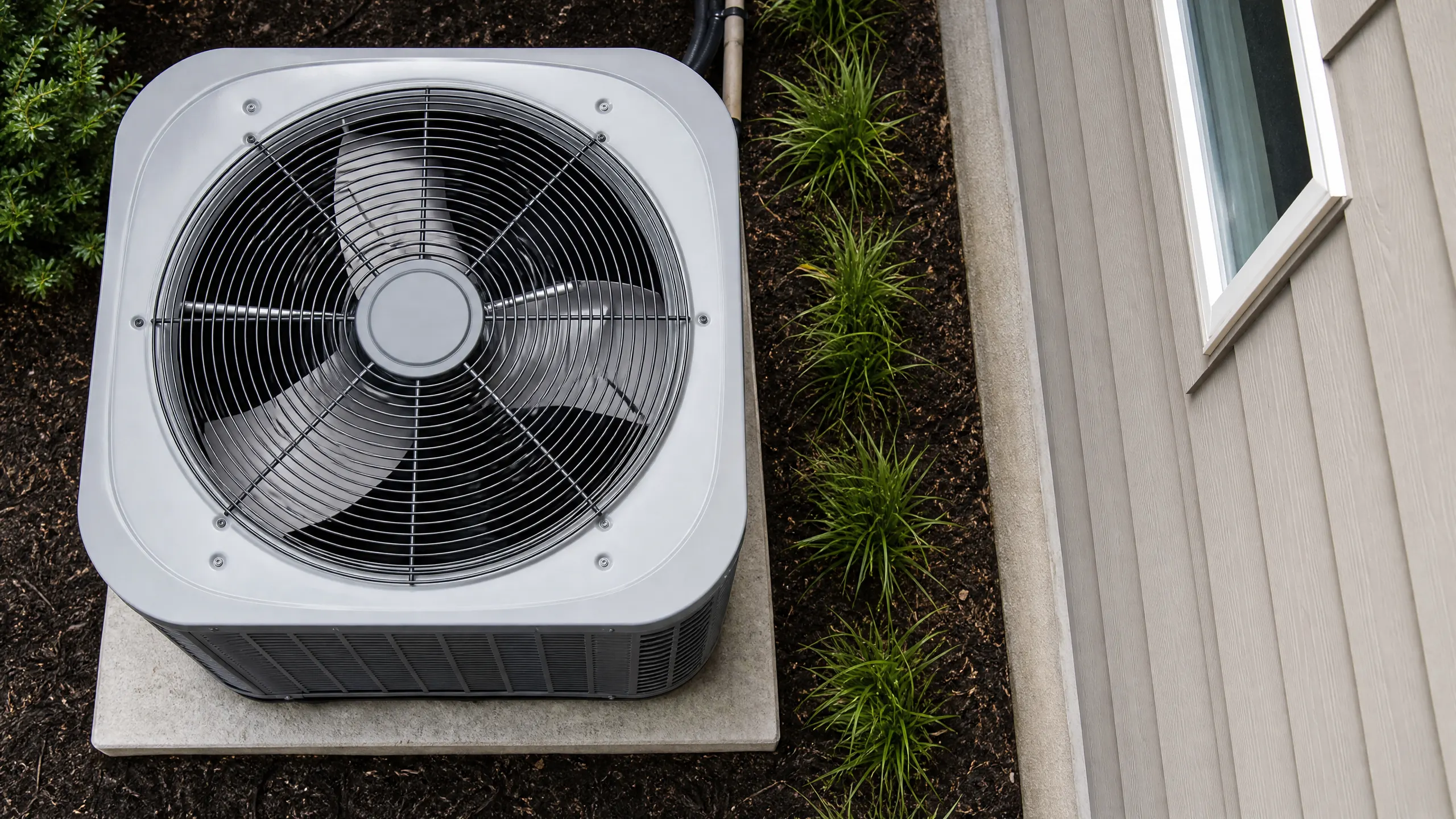
An outdoor air conditioning condenser unit on a concrete pad next to the gray vinyl siding of a residential home.

AC Repair in Dallas, TX

Tell us about the job

Takes about a minute. No obligation.

Step 1 of 3: Equipment

Six months of real heat

Dallas County runs its AC from May through October, and the afternoon high averages 94°F through June, July and August. That is most of the year spent working against real heat, with little time for the system to rest between stretches.

Hail adds another load

Dallas County logged 186 hail events between 2015 and 2024. An outdoor unit can take damage to its fins or coil that does not show up right away, and that damage stacks on top of the wear from long summers.

6 months
May through October, your air conditioner is on duty
94°F
the average summer afternoon it cools against
186 hail events
in ten years, and hail bends the fins on outdoor coils
145 wind events
in ten years, and wind drives debris into outdoor units
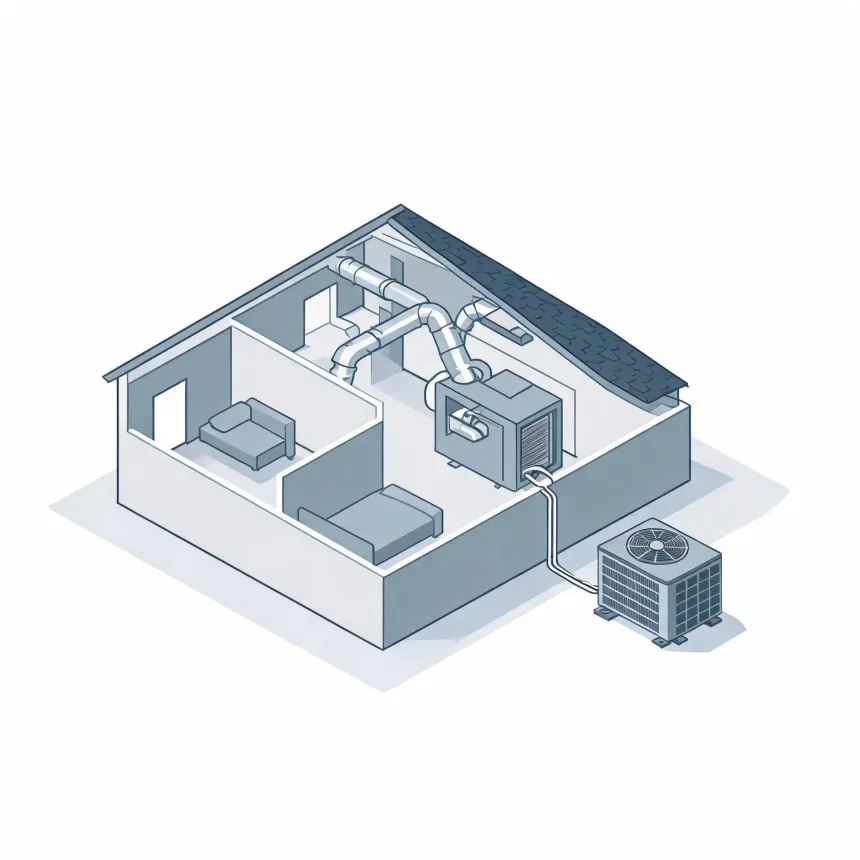
Isometric line illustration of a cutaway house showing an indoor air handler with branching ducts in the attic space, connected by a line set to an outdoor condenser unit beside the building, with simple furniture in two rooms.
Your air conditioner works hardest from June through September.

NOAA nClimDiv, 1991–2020 normals

An aging compressor or a coil full of leaks is a sign the system is near the end, not a part to chase with repeated repairs.

If the next fix costs nearly as much as a new system would, that's the system telling you it's done.

May is when a weak part gets found

Cooling runs May through October
Climate zone 2A
Power costs 14.94 cents a kWh statewide

Texas electricity ran 14.94 cents per kilowatthour in 2024, and Dallas asks a lot of hours out of an AC each year. A unit low on refrigerant or running on a weak capacitor doesn't just cool poorly, it runs longer to do less, and every one of those hours shows up on the bill. The fix is usually small next to what months of bad operation will cost you. Waiting doesn't make the repair cheaper, it just moves the expense from the invoice to the power bill.

Half of Dallas County's homes were built in 1983 or later

Half the homes in Dallas County were built in 1983 or later. If yours is one of them, the system behind your AC trouble likely still has working life left, even with what Dallas summers ask of it. That points to a repair, not a replacement.

Find a contractor
A man in a cap, dark jacket and tan work pants carries a canvas tool bag up concrete porch steps toward an orange front door, with a potted shrub beside the entry.
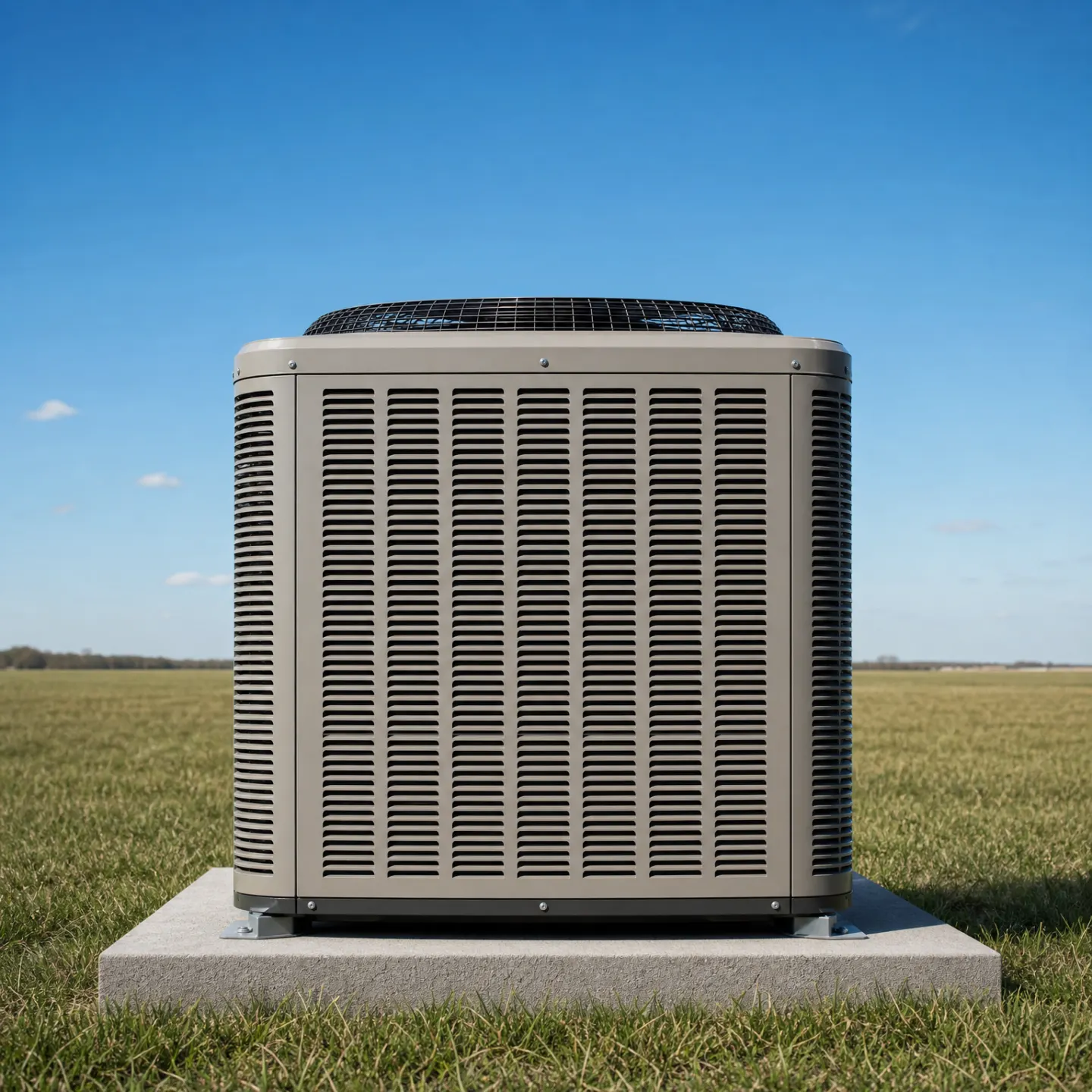
A gray residential air conditioner condenser unit mounted on a concrete pad in an open grass field.

The middle of the season is when it shows

Six straight months of cooling against 94 degree afternoons doesn't leave a system much downtime. Run hours add up fast, and whatever component is already weak, a capacitor, a low charge, a worn contactor, tends to show itself in the middle of that stretch rather than at the start or the end. If your AC is struggling right now, get it looked at rather than waiting to see if it comes around on its own. A tech can tell you whether this is a quick repair or the first sign of something bigger, and either way you want that answer before the next 94 degree day, not after.

Check the thermostat and the breaker first

Set the thermostat below room temperature and listen for the outdoor unit to kick on. If nothing happens, check the breaker box for a tripped switch before you assume the worst. Some outdoor units also have their own disconnect box nearby, and that can trip too.

Look at the filter and the outdoor unit

Pull the air filter and hold it up to light. If you can't see through it, air can't get through it either, and that alone can make a system struggle to cool. Walk outside and check that the condenser isn't packed with leaves, grass clippings or debris, and that nothing is blocking airflow around it.

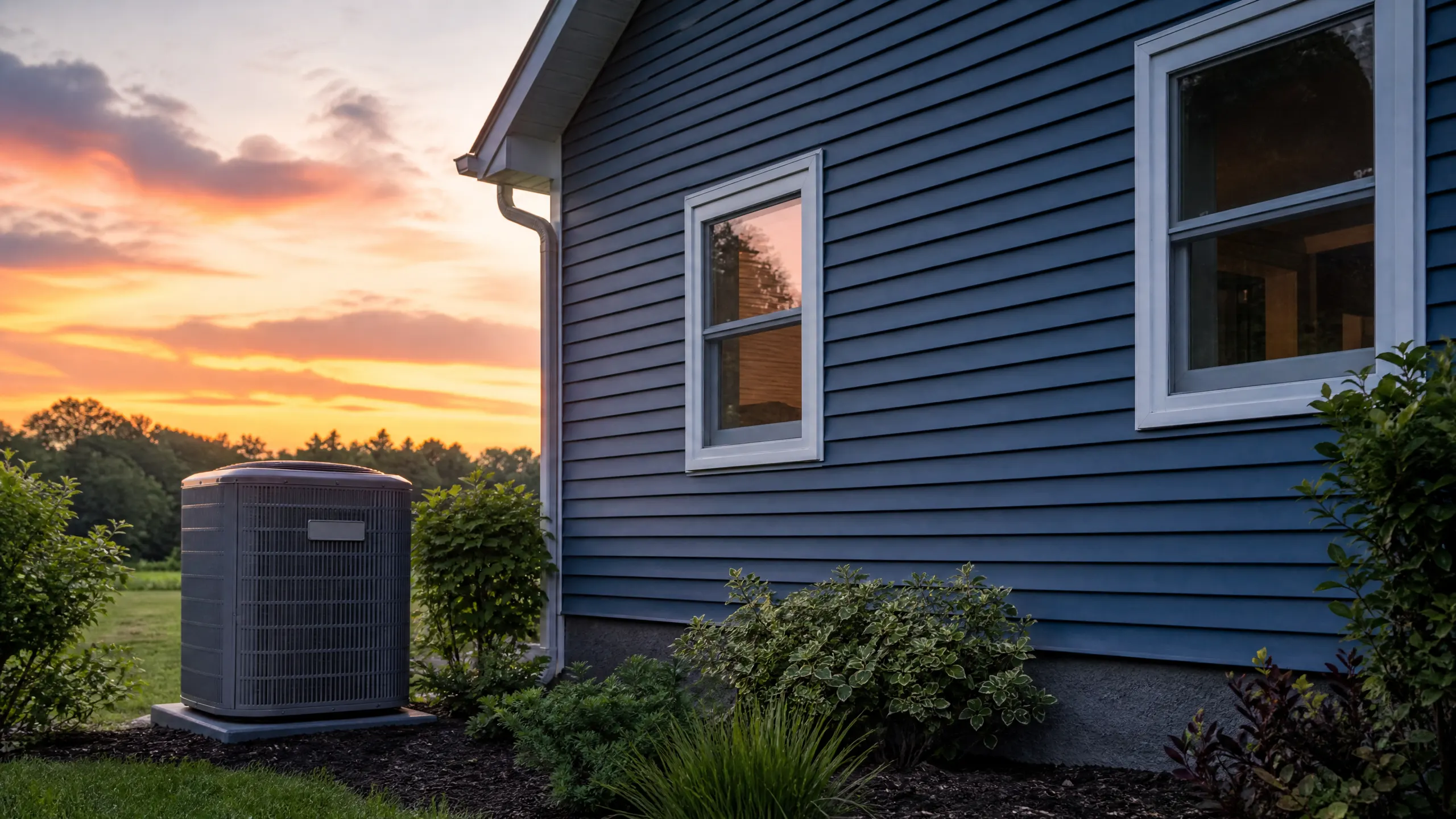
An outdoor air conditioning condenser unit installed beside the exterior wall of a blue vinyl-sided house at sunset.

A new air conditioner would cut about $70 a year off cooling for a typical Dallas County home.

  • A new one at the federal minimum, 14.3 SEER2$490 a year
  • An older air conditioner$560 a year

Estimates for a typical Dallas County home, compared with an older unit built to the previous federal minimum, from EIA household energy data, Texas fuel prices and NOAA climate normals. Your home will differ.

Repair makes sense when a part like a capacitor or contactor has failed.

Replacement makes sense when the compressor has failed or the system uses R-22 refrigerant, which is no longer made.

A diagnostic visit starts before any panel comes off. A tech will ask what the system is doing, when it started, and whether it's constant or it comes and goes. Then they check pressures at the outdoor unit and temperatures at the supply vents, because the gap between return air and supply air says a lot about whether the system is actually cooling. Electrical parts get tested under load, not just looked at, since a capacitor or contactor can look fine sitting still and still fail the moment it has to do work. If the coil or lines show oil residue, that's a sign of a refrigerant leak, and a tech will look for where before adding any charge back in. By the end you should know which part failed, why, and whether it's a sign of normal wear or something else in the system pushing it to fail early.