



Texas Cooling Help
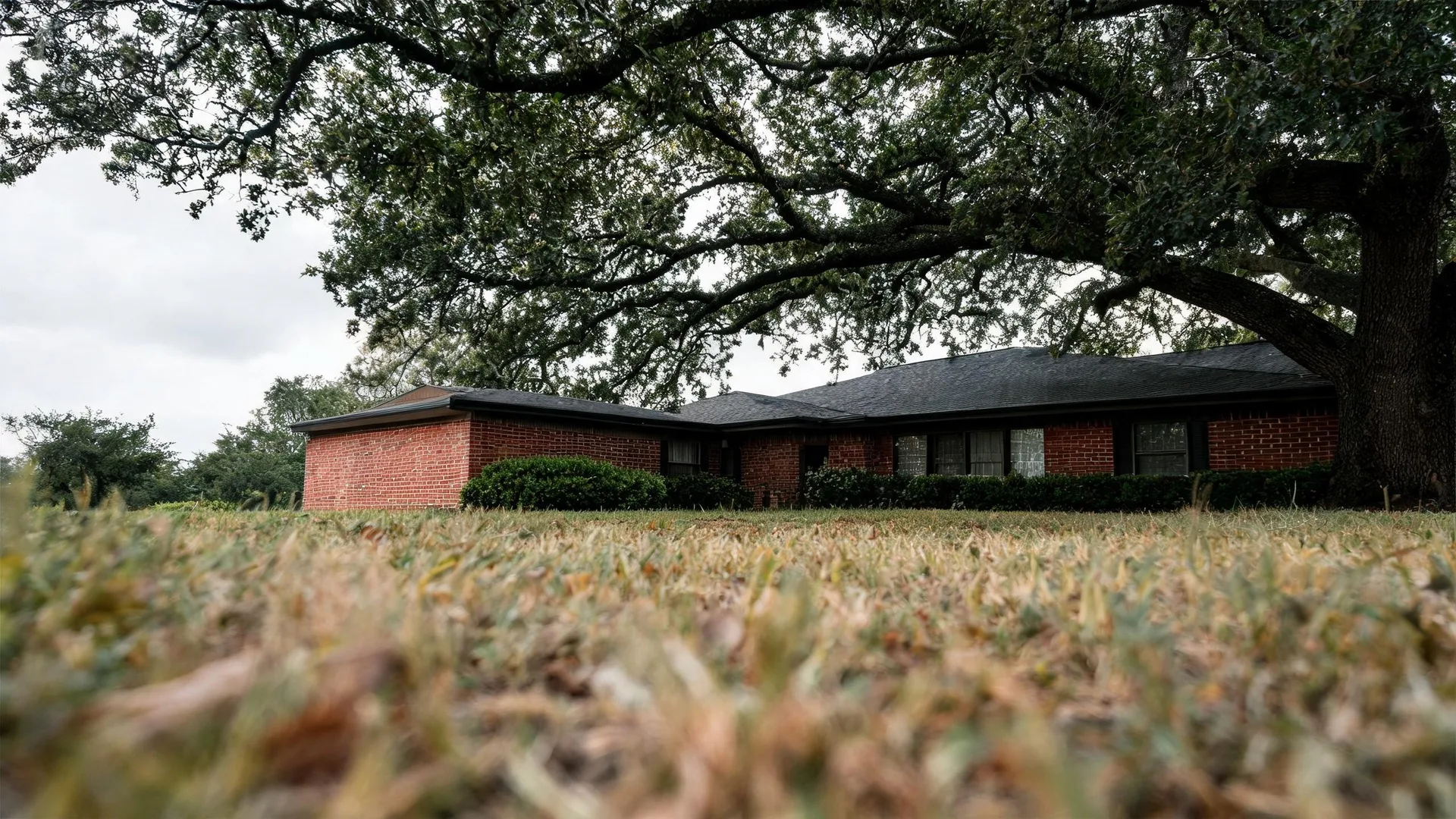
A single-story brick house with a dark shingled roof and trimmed shrubs, photographed low to the ground across a patchy dry lawn, with a large spreading oak tree overhanging from the right under an overcast sky.

AC Repair in Denton, TX

Tell us about the job

Takes about a minute. No obligation.

Step 1 of 3: Equipment

Most AC trouble shows up as a change you can hear or feel before the system quits outright. Warm air pushing through the vents when the thermostat is set low usually points to a refrigerant leak or a failing compressor. Short cycling, where the unit kicks on and off every few minutes instead of running a full cycle, often means a dirty filter is choking airflow or a thermostat sensor is misreading the room. Grinding, squealing or a hard clunk when the unit starts is almost never nothing, it's usually a motor bearing or a capacitor on its way out. Water pooling near the indoor unit points to a clogged condensate line, not a refrigerant problem, so don't assume the worst before a tech looks. Any of these is worth a call before the system stops cooling altogether, since a strained part left alone tends to take other parts down with it.

6 months
May through October, your air conditioner is on duty
94°F
the average summer afternoon it cools against
355 hail events
in ten years, and hail bends the fins on outdoor coils
115 wind events
in ten years, and wind drives debris into outdoor units
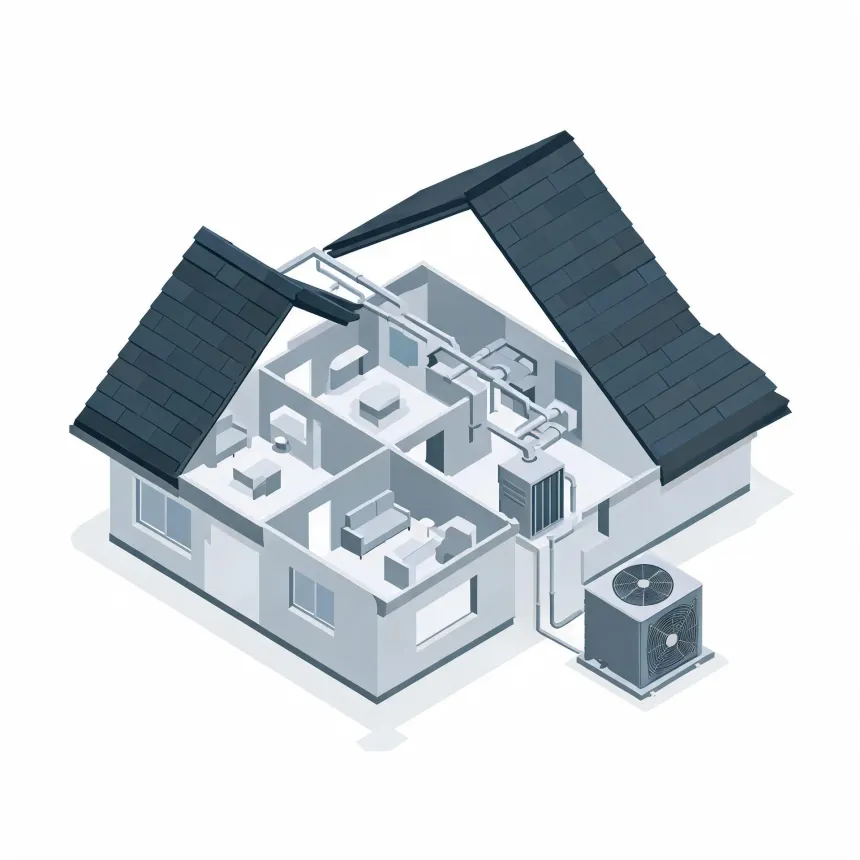
Isometric grayscale illustration of a cutaway house with the roof lifted, showing interior rooms, ductwork, an indoor air handler, and an outdoor condenser unit beside the building.
Your air conditioner works hardest from June through September.

NOAA nClimDiv, 1991–2020 normals

A weak capacitor gives the compressor a hard time starting, days or weeks before it fails for good.

A compressor pushed to start on a bad capacitor wears down faster, so that small part is worth catching early.

Half the homes in Denton County were built in 2003 or later, so a lot of AC units here still have life left

Half the homes here were built by 2003
Cooling runs May through October
Summer afternoons average 94°F
Running costs more hereTexas electricity ran 14.94 cents per kilowatt-hour in 2024, and a struggling AC eats more of it every month.

Cooling starts up in May here and runs through October. The first hot stretch is when a weak part usually gives out, because the system is finally asked to run full cycles after sitting idle all winter. A capacitor or contactor that was borderline before often won't make it through that first week of real load. If your AC struggled by the end of last season, that same problem is still sitting there waiting for the system to come back on. Getting it looked at in April, before the heat sets in, means a small repair instead of a breakdown once May hits.

Repair it

If your system came with a newer house, it likely has plenty of life left. Repair is usually the right call.

Find a contractor
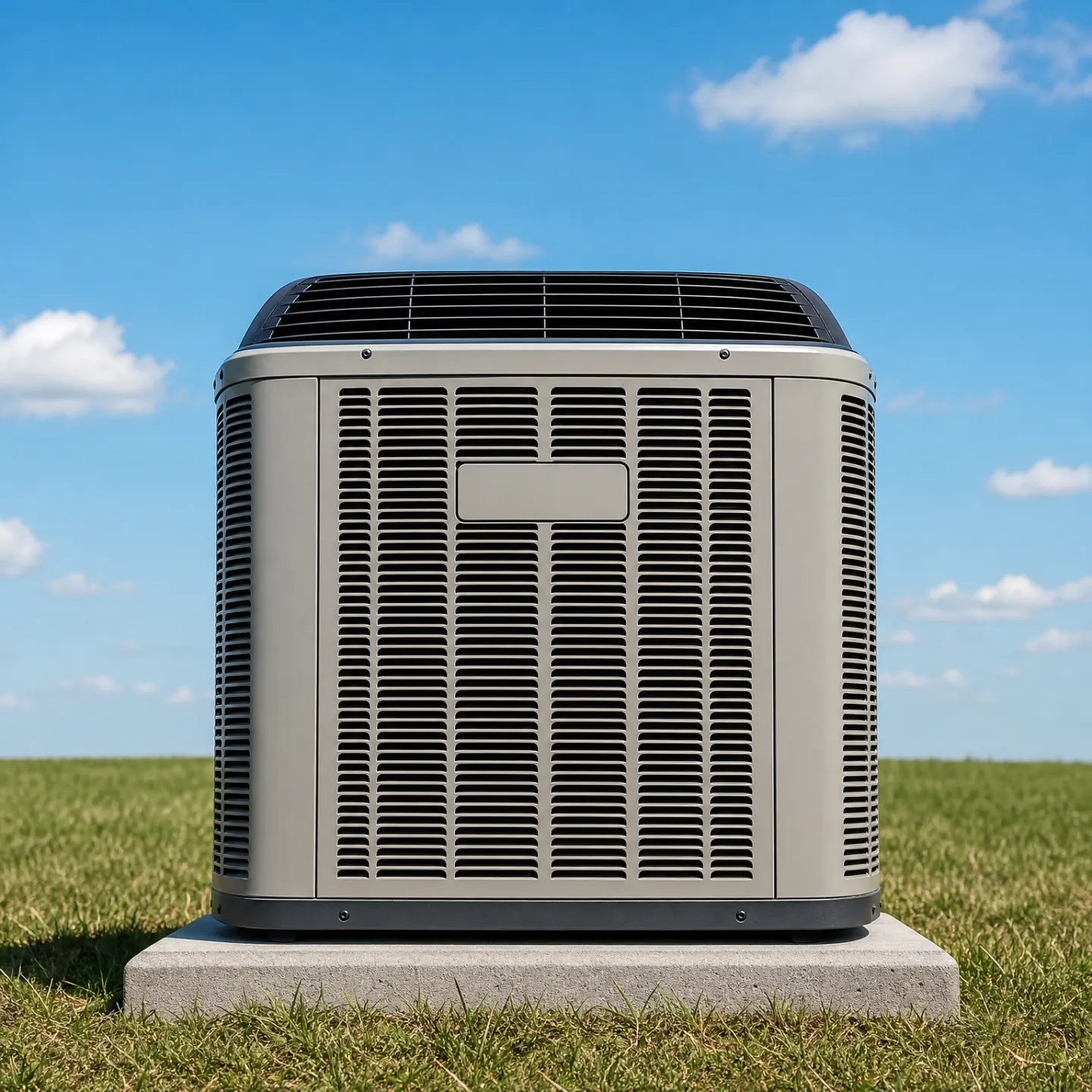
A gray residential air conditioning condenser unit mounted on a concrete pad outdoors, surrounded by green grass under a partly cloudy blue sky.

A part that's struggling now is still struggling on the next cycle

A system with a failing part doesn't fail that part and stop. It keeps running, and every cycle after that asks the weak part to do the same job under the same strain. A capacitor that's losing capacitance still gets the compressor started most of the time, so the system keeps calling on it, and each hard start heats the compressor windings a little more than a clean start would. A refrigerant leak doesn't hold steady either. The system keeps running low on charge, the compressor keeps working harder to move what's left, and compressors aren't built to run long term with too little refrigerant moving heat away from them. Airflow problems follow the same pattern. A coil that's starting to ice over blocks more airflow the longer it stays iced, which drops performance further and makes more ice. None of these fix themselves by running longer. The part or the problem causing the strain is still there every time the system cycles on, and the parts around it, the compressor especially, are the ones paying for it.

Check the filter first

Pull the filter and hold it up to a light. If you can't see through it, swap it for a new one before you do anything else. A clogged filter starves the system of airflow and can make the coil freeze over, which looks like a much bigger problem than it is.
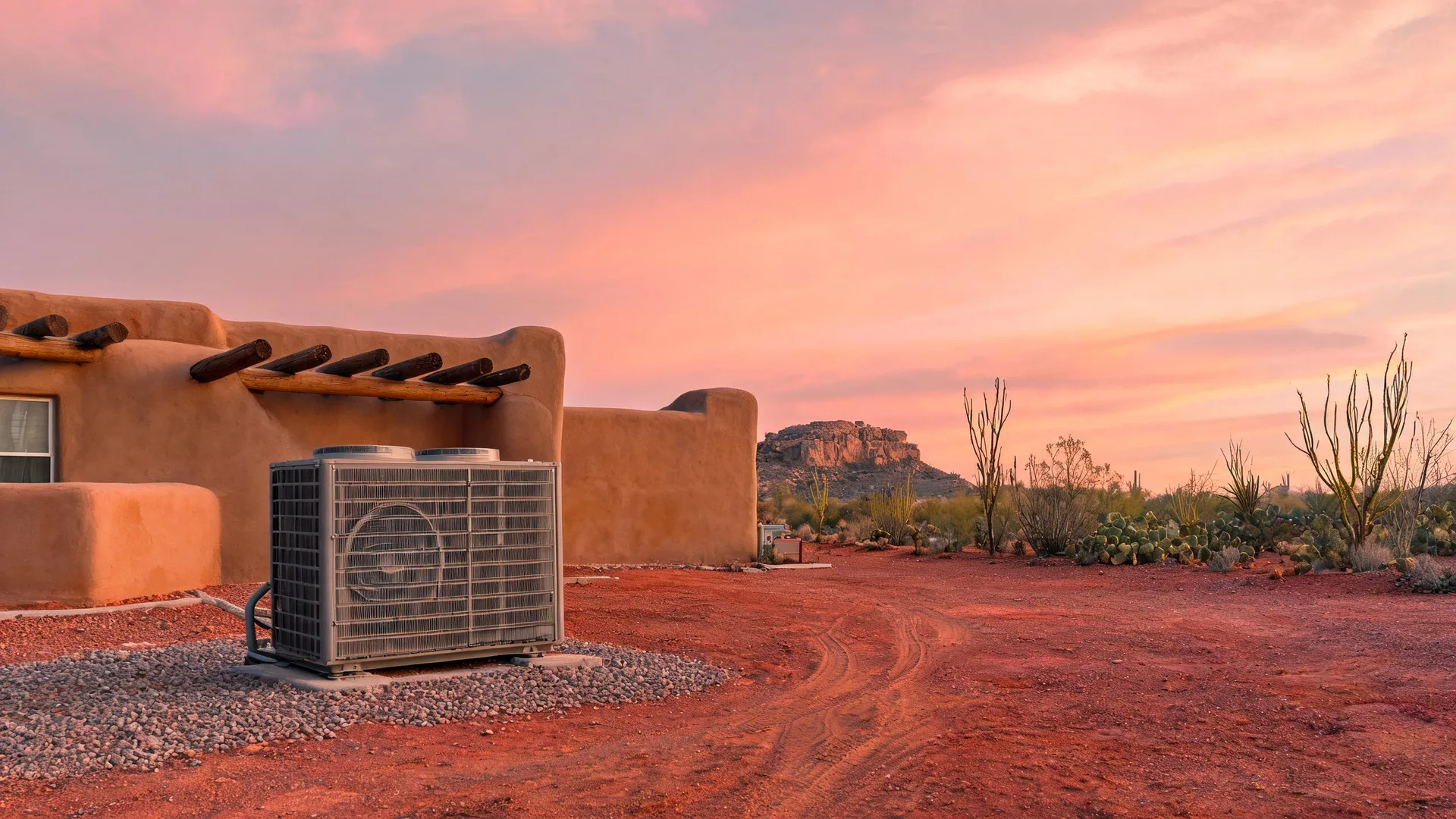
Look at the outdoor unit

Walk outside and check the condenser. Leaves, grass clippings or a fence line pressed too close can block airflow the same way a dirty filter does. Clear anything within a couple feet of it and make sure the fan on top isn't obstructed.

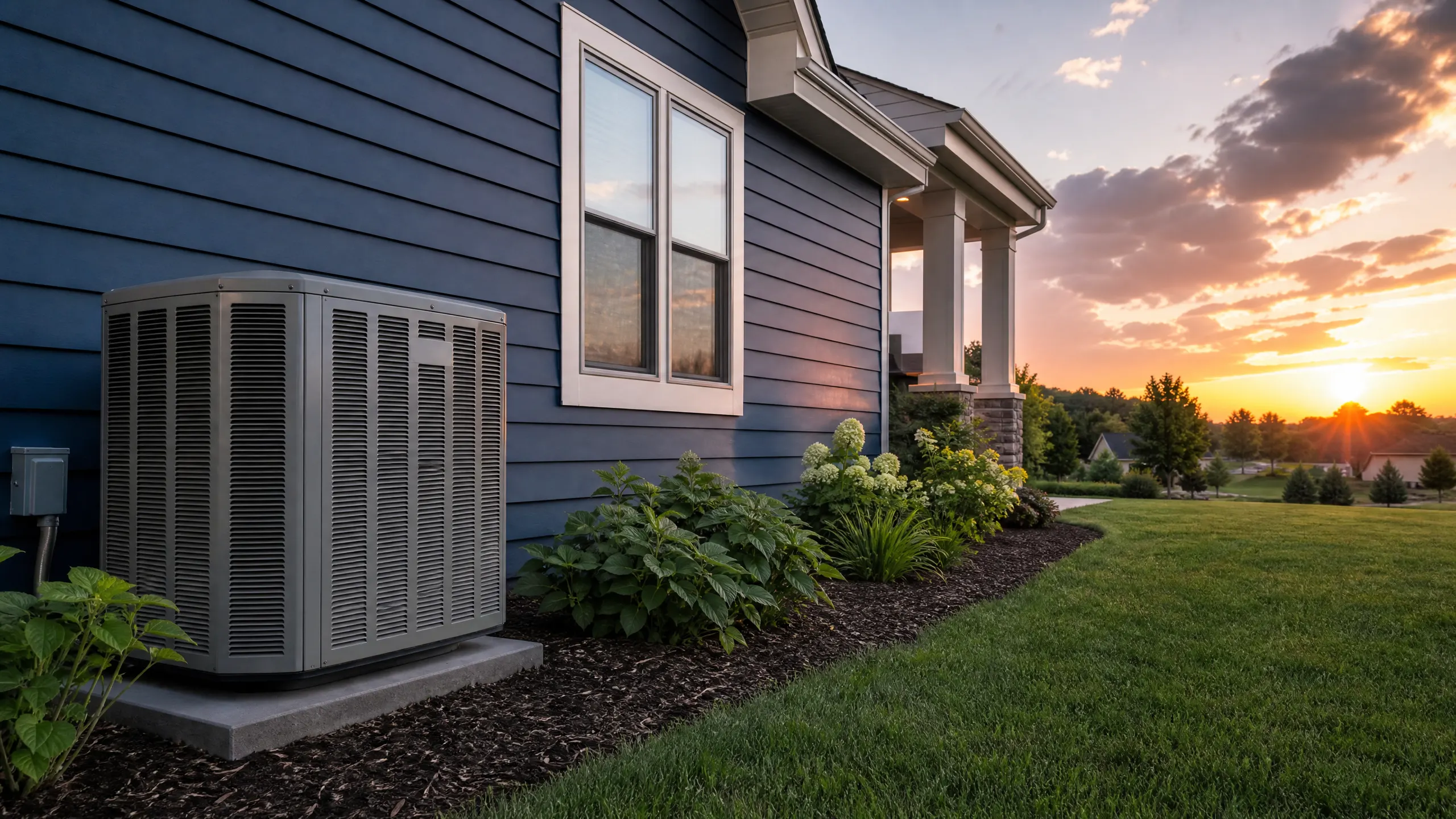
An outdoor central air conditioning unit mounted on a concrete pad beside a blue-sided house at sunset.

A new air conditioner would cut about $60 a year off cooling for a typical Denton County home.

  • A new one at the federal minimum, 14.3 SEER2$470 a year
  • An older air conditioner$530 a year

Estimates for a typical Denton County home, compared with an older unit built to the previous federal minimum, from EIA household energy data, Texas fuel prices and NOAA climate normals. Your home will differ.

Repair makes sense when a part like a capacitor or contactor has failed.

Replacement makes sense when the compressor has failed or the system uses R-22 refrigerant, which is no longer made.

Age and history matter more than any single symptom. A unit that's been reliable and is now showing one isolated problem, a capacitor, a contactor, a fan motor, is usually worth fixing. Those are standalone parts that don't say much about the rest of the system. It's a different story when the compressor itself is failing, or when the same system keeps calling a tech back for one thing after another. The compressor is the one part expensive and central enough that its failure usually ends the conversation about repair. Several smaller failures bunched together usually mean the system as a whole is wearing out, not that it keeps having bad luck with parts.