


Texas Cooling Help
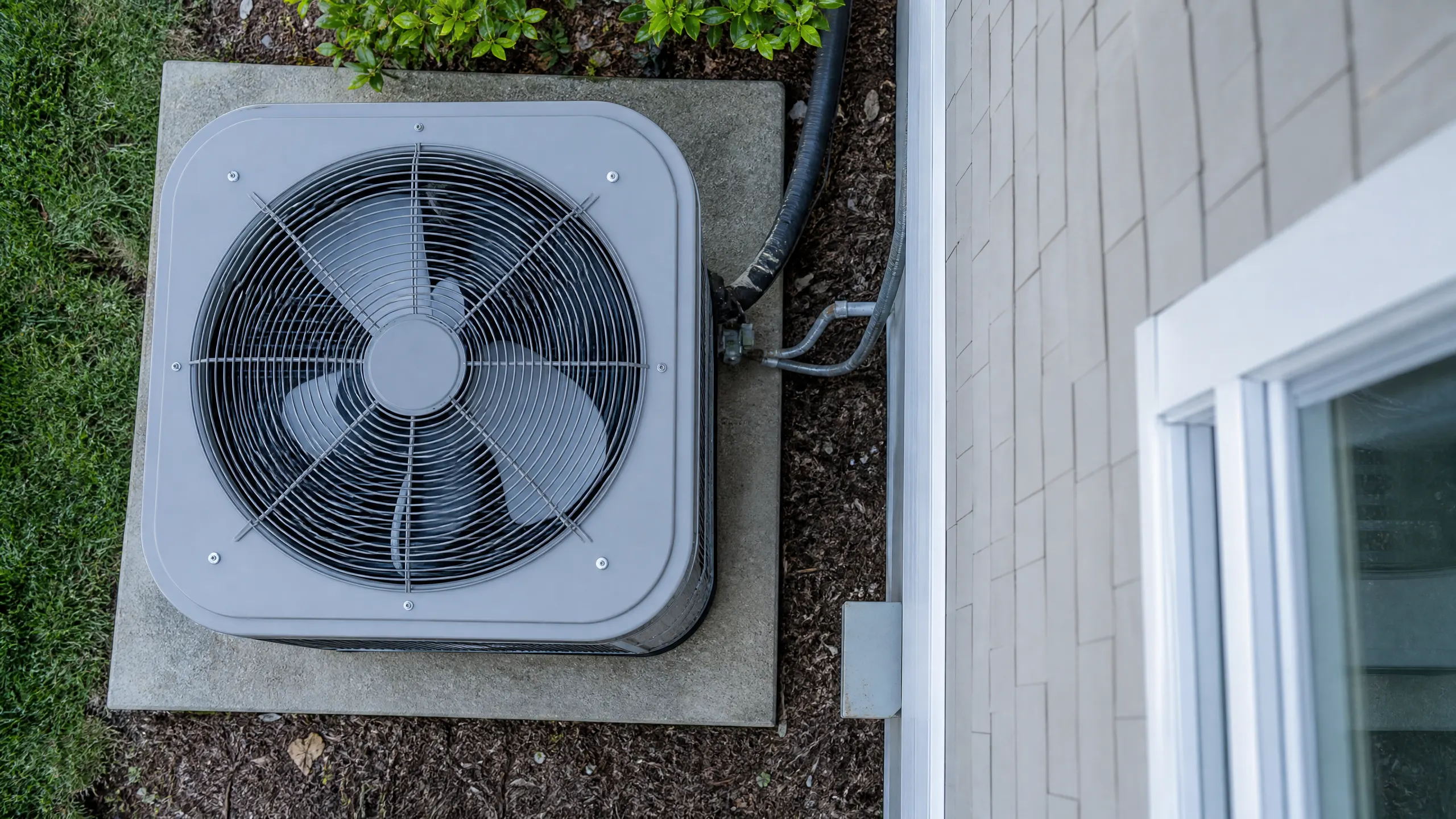
Aerial view of a residential air conditioning condenser unit mounted on a concrete pad next to a house with vinyl siding and a sliding glass door.

AC Maintenance in Wichita Falls, TX

Tell us about the job

Takes about a minute. No obligation.

Step 1 of 3: Equipment

Skip maintenance long enough and the signs show up slow, so slow you can miss them. Dust builds on the coil and the system has to run longer to move the same heat. A weak capacitor keeps starting the compressor until the day it doesn't. Low refrigerant doesn't announce itself, it just lets the house run warmer than the thermostat says it should. None of this looks urgent, right up until the compressor seizes or the coil ices over and the system stops moving air at all. Regular service catches the capacitor before it fails and the coil before it's coated, and that's the difference between a quick fix and a compressor replacement.

5 months
May through September, your air conditioner is on duty
96°F
the average summer afternoon it cools against
168 hail events
in ten years, and hail bends the fins on outdoor coils
117 wind events
in ten years, and wind drives debris into outdoor units
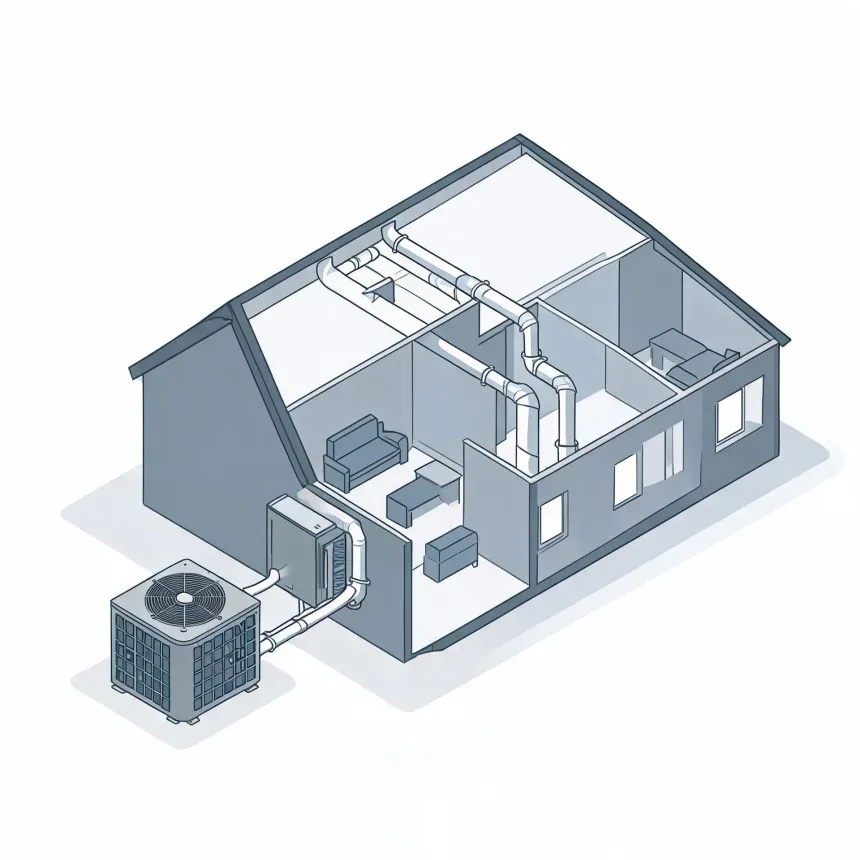
Isometric line illustration of a cutaway house showing interior rooms with ductwork, an indoor air handler, and an outdoor condenser unit connected by lines, on a white background.
Your air conditioner works hardest from June through September.

NOAA nClimDiv, 1991–2020 normals

Electricity in Texas ran 14.94 cents a kilowatt-hour in 2024.

A dirty coil or a weak capacitor makes your AC work harder to cool the same house, and here that shows up on the bill.

May is when cooling starts here, and when it works hardest

Cooling runs May through September
Summer afternoons average 96°F
168 hail events from 2015 to 2024

Summer here means five straight months of the system running, May through September, with afternoon highs averaging 96°F in June, July and August. That's a long stretch for a capacitor or a contactor to hold up without a break. A part that's been weakening all year usually gives out on one of those 96° afternoons, not in the mild weeks on either side. Wichita County also sees a lot of hail, and a cracked or dented condenser cabinet is easy to miss until the system's already working harder because of it. A check before May catches the worn part while it's still just worn.

Half the homes here were built in 1972 or earlier

If your AC is as old as the house, it's had a long time to pick up small problems. A yearly check catches the ones still small enough to fix on the spot.

Find a contractor
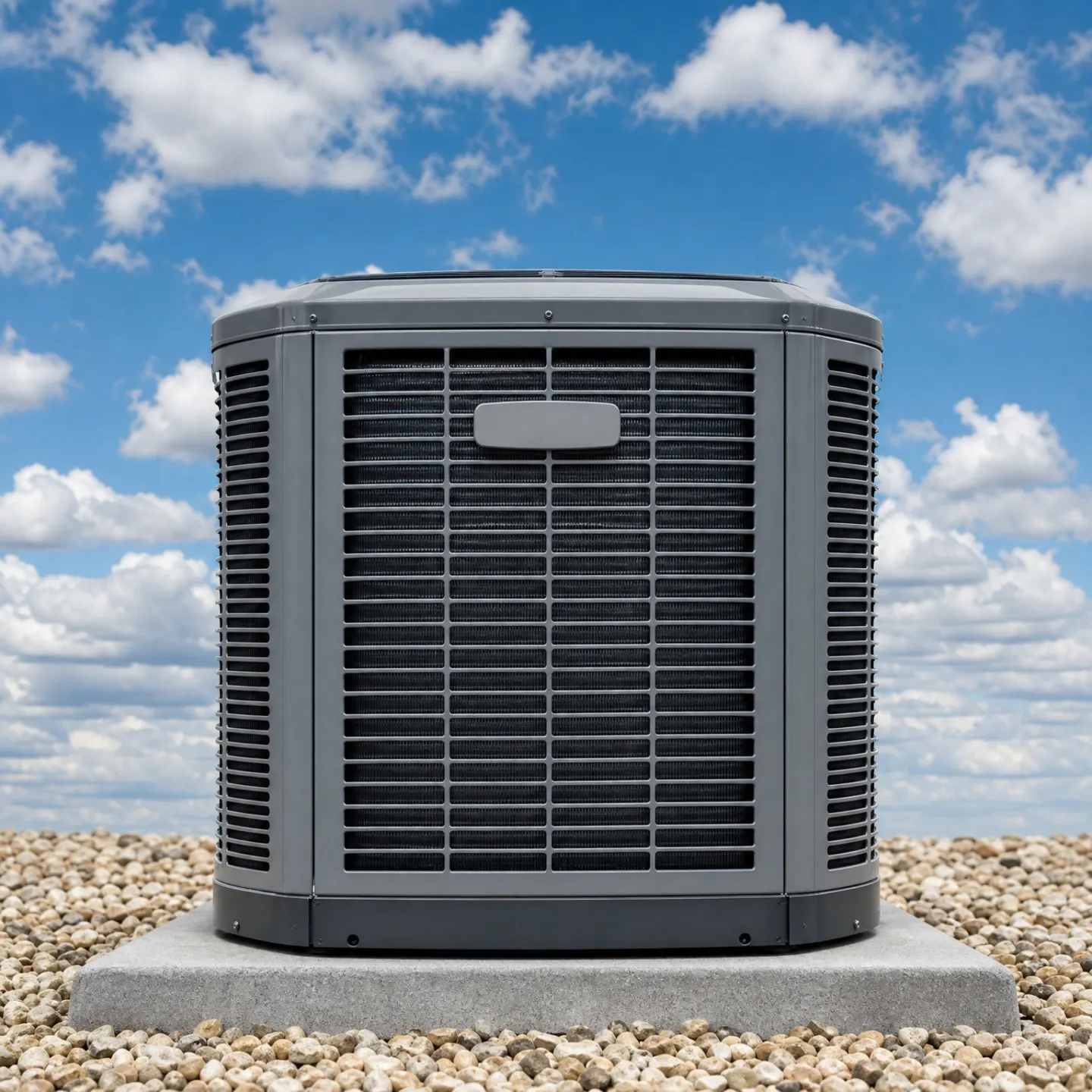
An outdoor air conditioning condenser unit mounted on a concrete pad surrounded by gravel, photographed against a partly cloudy blue sky.

An aging system doesn't tell you what it's lost

An old capacitor or a worn contactor doesn't send a warning before it fails. It just works a little worse each season until the day it stops. A yearly check means someone's looked at those parts while the system still had time left on them, not after.

A quick visit checks that it runs

A fast tune-up gets the system cycling, checks the thermostat responds, and calls it done. That tells you the AC turns on. It doesn't tell you the capacitor is still strong, the coil is still clean under the fins, or the refrigerant charge matches what the system needs.

A thorough one checks what it will do next season

A full tune-up means pulling the panel to look at the capacitor and contactor, washing the condenser coil instead of glancing at it, and checking refrigerant pressure against the system's actual charge. Those are the parts that fail quietly, and the ones a quick look skips over.

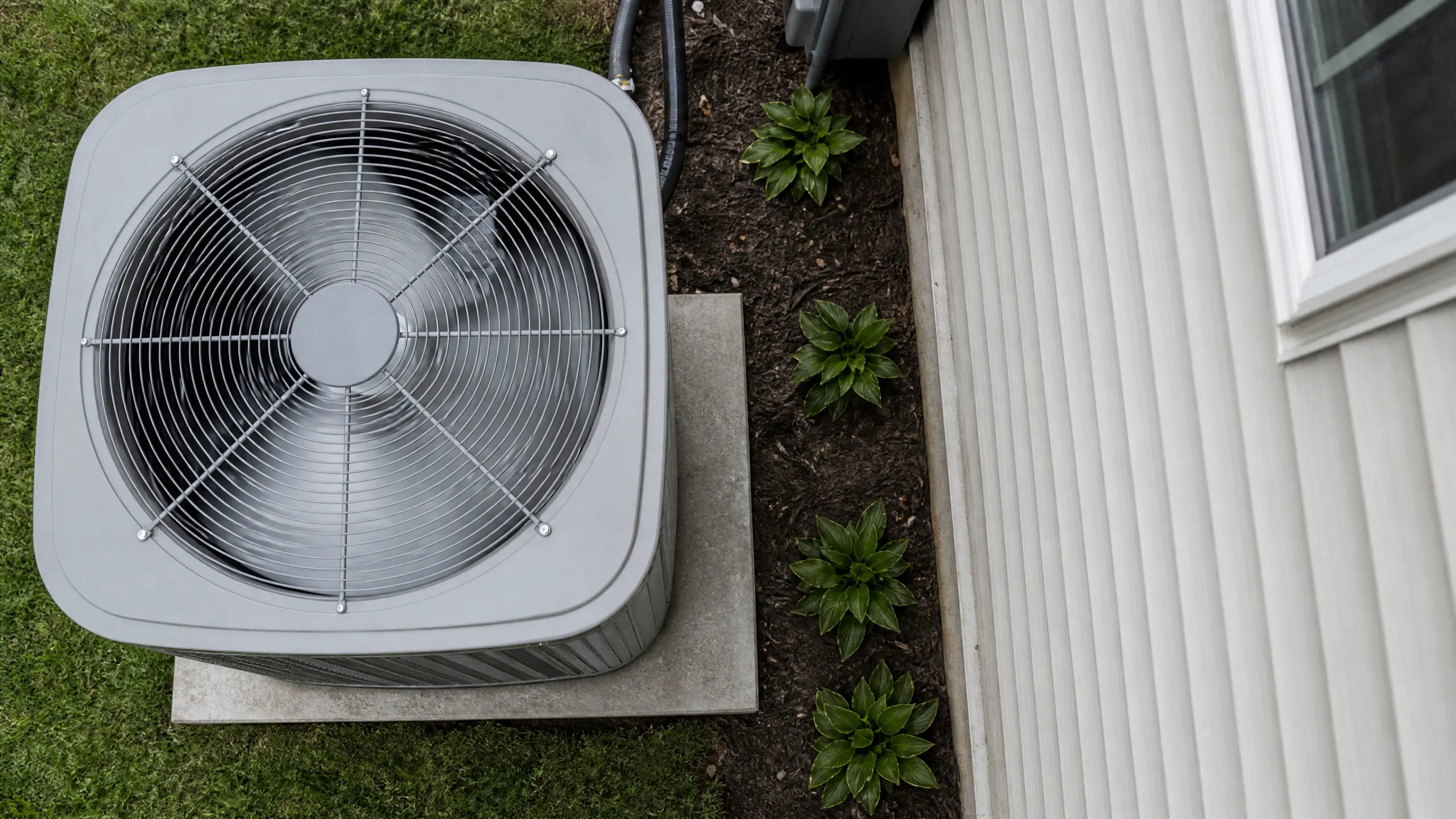
Overhead view of a gray outdoor AC condenser unit on a concrete pad beside a mulched garden bed and a house with vinyl siding.

Book your AC tune-up in April, before homes here start needing cooling in May.

  1. Jan
  2. Feb
  3. Mar
  4. Apr
  5. May
  6. Jun
  7. Jul
  8. Aug
  9. Sep
  10. Oct
  11. Nov
  12. Dec

A tune-up checks the refrigerant charge, cleans the coils, tests the capacitor and tightens the electrical connections.

A proper tune-up starts outside at the condenser. The coil gets washed clean, not just rinsed, because dirt packed between the fins blocks airflow even after a hose pass looks like it helped. The fan blade gets checked for wobble and the motor bearings for play. Inside the unit, the capacitor gets tested under load, not just eyeballed, since a capacitor can look fine and still be weak. The contactor gets checked for pitting, because that's what welds shut and leaves a system running with no way to shut off. Refrigerant pressure gets measured against what the system was built to hold, high or low both mean it's working wrong. The drain line gets checked too, since a clogged one backs up and shuts the system down on its own. Each of those is a separate check, and skipping any one of them means something that fails quietly keeps failing quietly.