




Texas Cooling Help
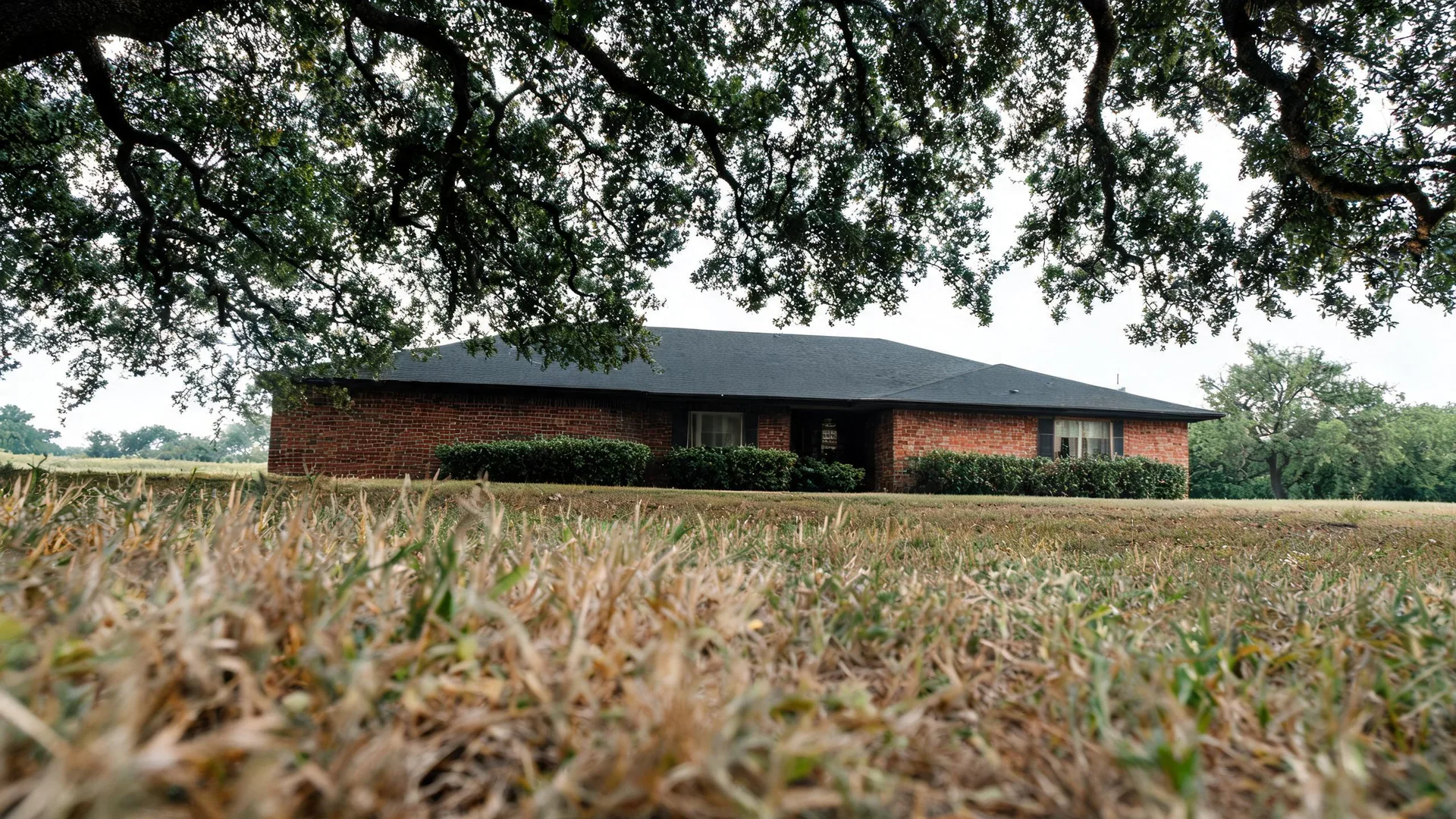
Single-story brick house with a dark shingled roof and trimmed shrubs, seen from a low angle across a dry lawn framed by overhanging tree branches.

AC Maintenance in Waxahachie, TX

Tell us about the job

Takes about a minute. No obligation.

Step 1 of 3: Equipment

A dirty coil or a low charge makes the compressor work harder to move the same amount of heat, and that extra work shows up on the meter. Texas homes paid 14.94 cents per kilowatthour in 2024, on the high side for the country, so a system running harder than it needs to costs more here than it would somewhere cheaper. Waxahachie summers push the AC for months at a stretch, which gives a neglected system plenty of time to waste that power. A tune-up gets the coil clean and the charge right, so the compressor is only doing the work it actually needs to do.

6 months
May through October, your air conditioner is on duty
94°F
the average summer afternoon it cools against
133 hail events
in ten years, and hail bends the fins on outdoor coils
43 wind events
in ten years, and wind drives debris into outdoor units
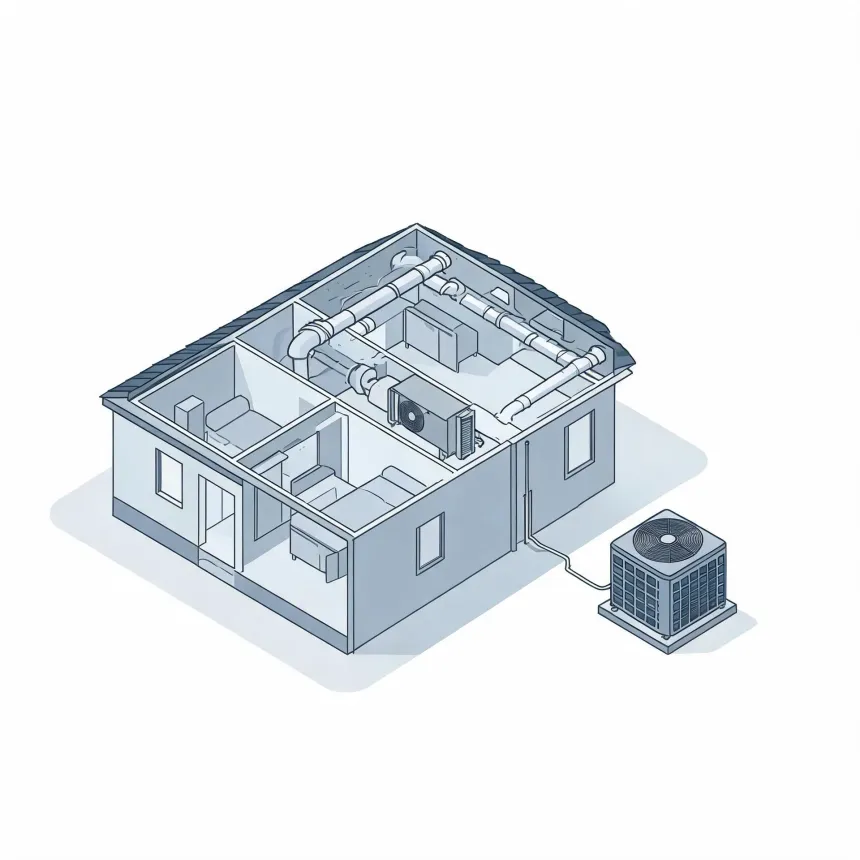
Isometric line illustration of a cutaway single-story house showing interior rooms, attic ductwork and an air handler, connected by a line to an outdoor condenser unit on a pad.
Your air conditioner works hardest from June through September.

NOAA nClimDiv, 1991–2020 normals

Half the homes in Ellis County were built in 2002 or later.

A system that age still has years ahead of it, and a yearly check is what keeps it running that way.

Six months of Texas heat, plus hail, is a hard way to treat a system

Cooling runs May through October
Summer afternoons average 94°F
133 hail events from 2015 to 2024
Get it checked before MayCooling runs May through October here. April is the month to have it looked at.

Ellis County recorded 133 hail events and 43 damaging wind events over the past ten years, and the outdoor unit sits outside through all of it. Hail dents the fins and closes them up. Wind throws branches and shingles into the coil. None of that shows up as a breakdown right away. It shows up as a system working harder to move the same heat, quietly, for months. A maintenance visit is when someone actually looks at the coil and the cabinet for that kind of damage, before it turns into a bigger repair or a summer without cooling.

A tune-up is the cheaper way to run this system

A clean coil and the right charge mean the compressor stops working harder than it has to. At 14.94 cents per kilowatthour, that difference shows up on the meter all summer long.

Find a contractor
A man in a dark long-sleeved shirt and brown work pants, seen from behind, carries a waxed canvas tool bag up porch steps toward an orange front door, with a potted shrub in a terracotta pot beside him.
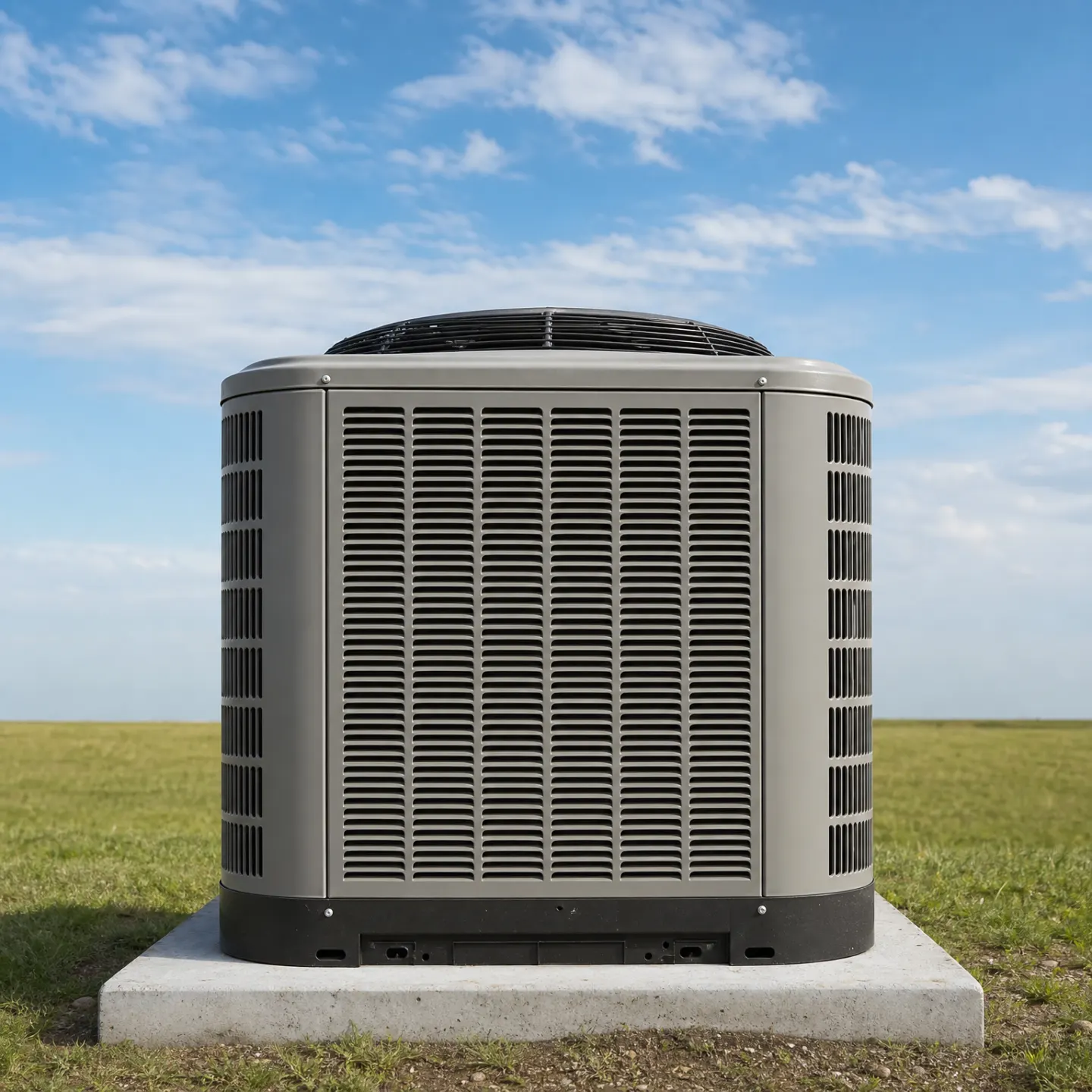
A gray metal air conditioning condenser unit mounted on a concrete pad in a flat grassy field under a partly cloudy sky.

Keep it running the way it started

A yearly check is a quick thing to get on the calendar for a system that still has years ahead of it. Have the same contractor look at it each spring and they will know what it looked like last year, which makes it easier to catch a coil or a charge that is drifting before it turns into a bigger repair.

Checking the charge versus just topping it off

A thorough tune-up checks refrigerant charge against the manufacturer's target using the actual temperature and pressure readings off the lines, then adjusts if needed. A quick visit just glances at a gauge and calls it fine. Running on the wrong charge wears the compressor down whether it's low or overfilled, and that damage builds quietly over a full season of use.

What actually gets touched

Pulling the panel to wash the coil, checking the capacitor's output, flushing the condensate line, and tightening electrical connections all take real time. A fast once-over skips straight to replacing the filter and glancing at the outdoor unit. Ask what the visit includes before it starts. If the list is short, so is the time someone spends looking for the problem that hasn't shown up yet.

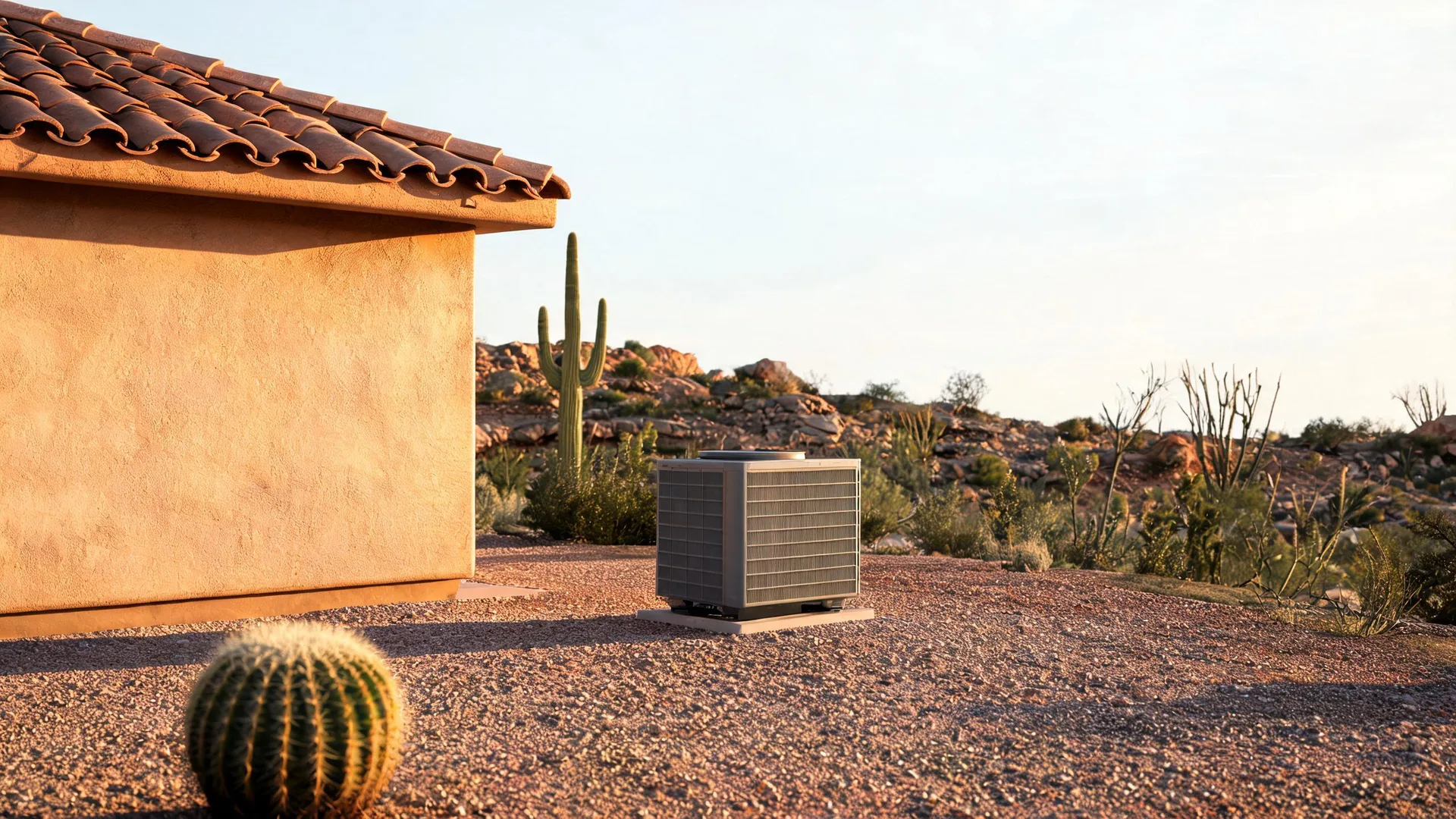
An outdoor air conditioning condenser unit installed beside the exterior wall of a blue vinyl-sided house at sunset.

Book your AC tune-up in April, before homes here start needing cooling in May.

  1. Jan
  2. Feb
  3. Mar
  4. Apr
  5. May
  6. Jun
  7. Jul
  8. Aug
  9. Sep
  10. Oct
  11. Nov
  12. Dec

A tune-up checks the refrigerant charge, cleans the coils, tests the capacitor and tightens the electrical connections.

A real tune-up starts outside at the condenser. The technician pulls the panel, washes the coil, and straightens any fins that have closed up, since a blocked coil can't shed heat the way it needs to. The capacitor gets tested under load, not just eyeballed, because a capacitor can read fine sitting still and still fail to kick the compressor on. The contactor points get checked for pitting, the condensate line gets flushed so it can't back up and trip the float switch, and every electrical connection gets tightened, since a loose one generates heat on its own. Inside, the blower wheel gets checked for dust buildup, which throws off airflow even when the filter is clean. None of this fixes something broken. It finds the part that's drifting toward failure while it still has an easy fix.