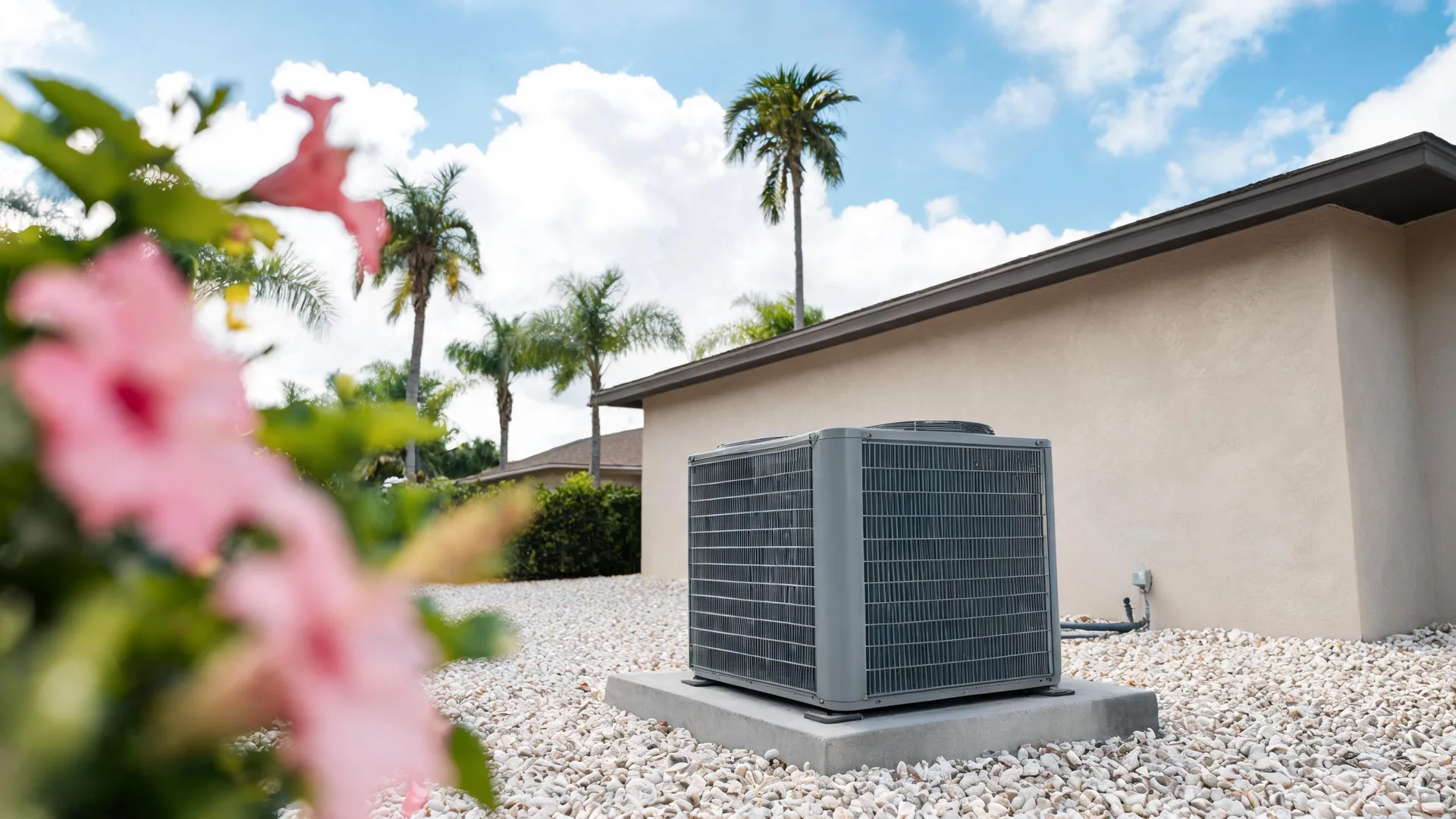
Electricity here runs 14.94 cents a kilowatt-hour
Texas homes paid that rate on average in 2024. A system that has to work harder to cool the same house burns through more of it every month.
Takes about a minute. No obligation.
Texas homes paid that rate on average in 2024. A system that has to work harder to cool the same house burns through more of it every month.
Your AC will keep cooling the house even when the coil is caked with dust or the charge is low. It just runs longer to get there, and at Texas rates that extra runtime is what a tune-up catches before it adds up.
NOAA nClimDiv, 1991–2020 normals
Warm air from the vents when the thermostat is set low enough means the system is losing the fight.
A technician can catch a low charge or a weak capacitor before the compressor gives out from the strain.



A tune-up gets at what you can't see from the thermostat. A technician clears the coil, checks the charge against what the system calls for, and tests the capacitor before it weakens enough to take the compressor with it. That's maybe an hour of work against months of the system running longer than it should to hit the same temperature. In Waco, where every one of those extra hours shows up on the bill at Texas electric rates, catching it once a year is what keeps the cost of running the system close to what it should be.
McLennan County saw 174 severe weather events between 2015 and 2024, hail and damaging wind among them. Statewide, a third of Texas households lost power for a day or more last year. An outdoor unit takes that weather straight on, and an outage puts your cooling out with it. A check before storm season catches debris and damage you would not otherwise see until the system is struggling.
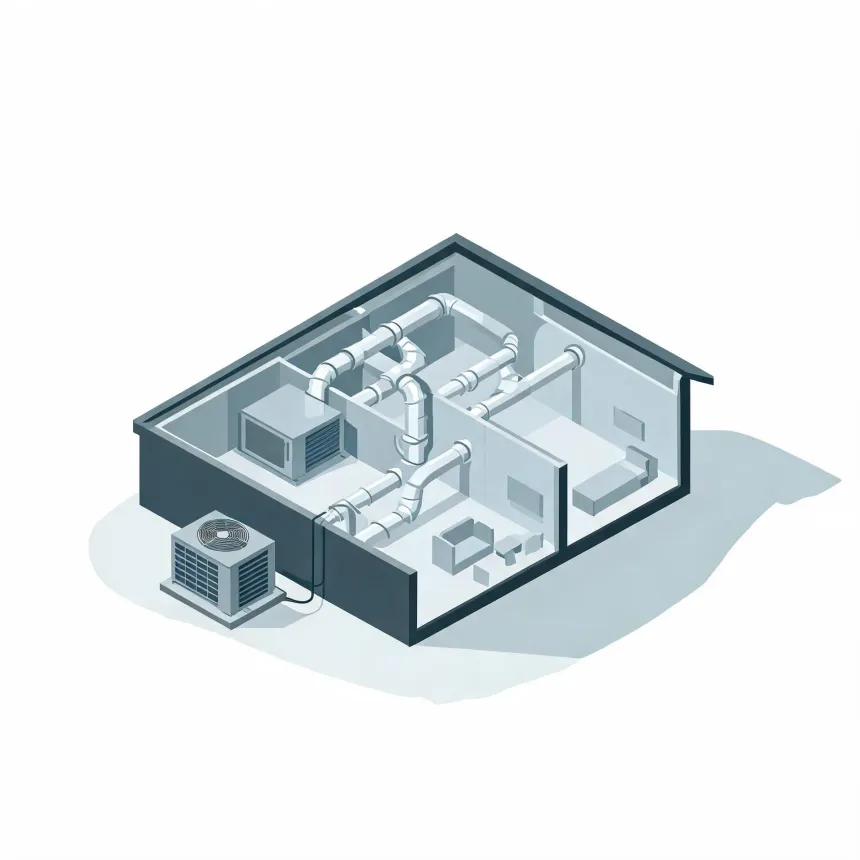
Find a contractorThe filter is the only thing between the air in your house and the coil, and when it loads up with dust the coil is next in line. A coil wearing a layer of dust can't shed heat the way it's built to, so the system runs longer to pull the same heat out of the air. That coil stays wet while the system runs, which is normal, but wet means dust sticks instead of blowing past, and a thin film gets thicker every stretch it goes unchecked. The drain underneath is handling all the water that coil pulls out of the air, and it's a narrow line that algae and dirt clog easily. When it backs up, the water finds another way out, usually down through the ceiling below it. None of this fails loudly. The system keeps running right up until the coil is too fouled to cool or the drain is blocked enough to overflow.
A technician checks the charge against a gauge, not a guess. Too little and the system loses its capacity to pull heat out of the air. Too much and the compressor works against pressure it was never built to handle. Either way the thermostat still reads the same number, so there is no sign at the vent that tells you which one you have.
Every time the system cycles on and off, the metal in its wiring and terminals heats and cools, and over time that movement works connections loose. A loose connection runs hotter than it should and can burn a contact or trip the system off mid cycle. Tightening those points is part of a tune-up precisely because nothing about a loose screw shows up from inside the house.
A tune-up checks the refrigerant charge, cleans the coils, tests the capacitor and tightens the electrical connections.
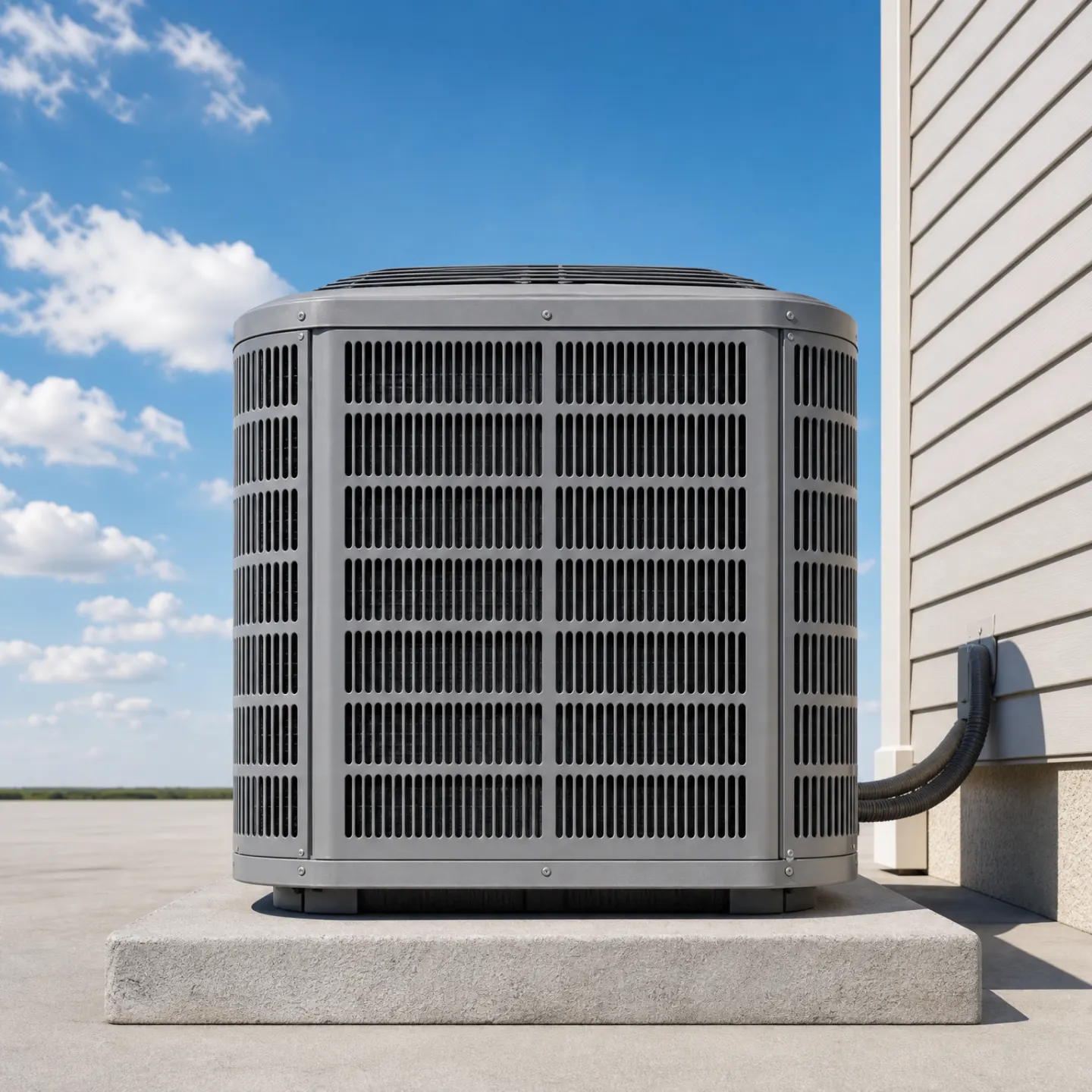
A tune-up starts outside, at the condenser. A technician pulls the top off and straightens or clears whatever the fan can't push air through, then washes the coil down so it can shed heat the way it's supposed to. Inside, the evaporator coil gets checked too, along with the blower that pushes air across it. The capacitor gets tested under load, not just looked at, because a capacitor can read fine sitting still and still fail the moment the compressor asks it to start. Refrigerant gets checked against the pressures the system is built to run at, and adjusted if it's off either way. Every electrical connection gets tightened, since that's the one thing that works itself loose on its own and never announces it until something trips. The drain line gets cleared so the water the coil pulls out of the air has somewhere to go. None of it is guesswork. Each check is a known failure point, looked at before it turns into one.