





Texas Cooling Help
Single-story brick and siding houses with lawns behind a long trimmed hedge, framed by large oak branches draped with Spanish moss under an overcast sky.

AC Maintenance in Tyler, TX

Tell us about the job

Takes about a minute. No obligation.

Step 1 of 3: Equipment

A dirty coil or a low charge makes the compressor work harder to move the same amount of heat out of your house. That extra work shows up on the meter. Texas homes paid 14.94 cents per kilowatthour in 2024, well above what a lot of the country pays, so a system working harder here costs more than the same neglect would somewhere cheaper. An AC that is low on refrigerant or pulling air through a clogged filter can run long stretches just to hold the house at temperature. A tune-up catches the coil, the charge and the airflow before they turn into higher bills.

6 months
May through October, your air conditioner is on duty
93°F
the average summer afternoon it cools against
107 hail events
in ten years, and hail bends the fins on outdoor coils
148 wind events
in ten years, and wind drives debris into outdoor units
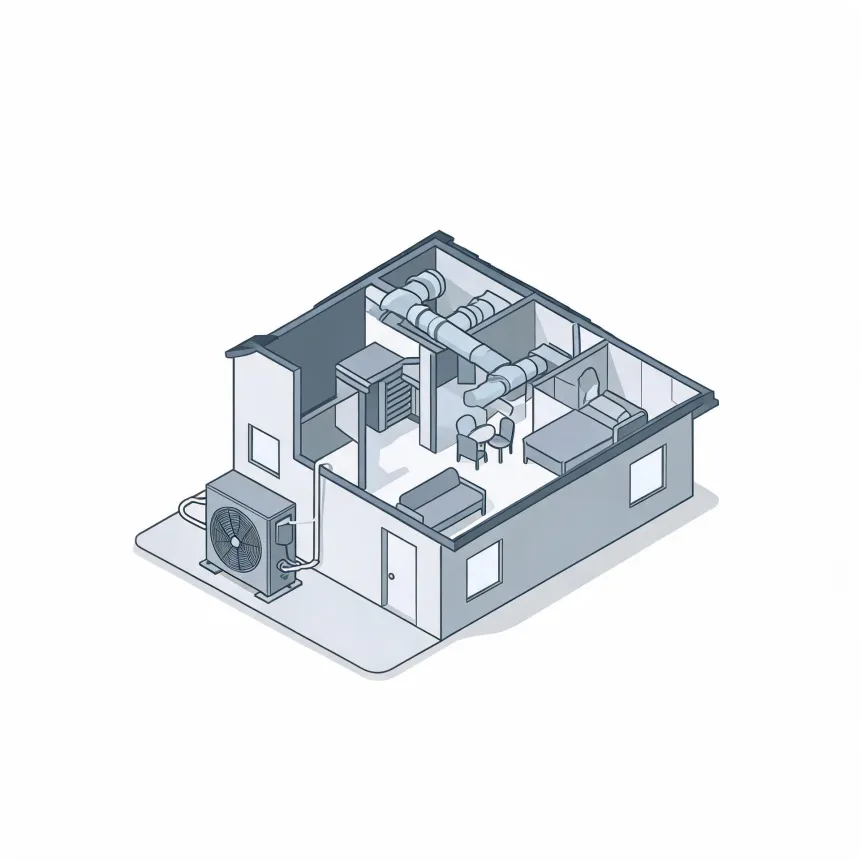
Isometric line illustration of a cutaway house showing interior rooms with furniture and ceiling ductwork, connected to an outdoor condenser unit with a fan beside the building.
Your air conditioner works hardest from June through September.

NOAA nClimDiv, 1991–2020 normals

A dirty coil or a low charge forces the compressor to run longer just to keep up.

Skip enough tune-ups and that extra runtime wears the compressor out before its time.

May is when cooling starts working for its living here, so get it checked in April

Cooling runs May through October
Summer afternoons average 93°F
148 damaging wind events from 2015 to 2024
Newer homes, systems still worth protectingHalf the homes in Smith County were built in 1986 or later

Cooling runs here from May through October, six months of the compressor holding the house at temperature against real heat. Afternoon highs average 93 in June, July and August, so that compressor isn't coasting, it's working the whole stretch. Smith County also takes its share of wind and hail, and a storm that bends a fin or knocks debris into the outdoor unit leaves damage that doesn't show up until the system is already working its hardest. A spring check catches a weak coil or a loose connection before the heat asks more of it.

Catch it now, or pay for it all summer

A tune-up now costs you one visit. A compressor run ragged on a dirty coil costs you more every month at 14.94 cents a kilowatthour, for as long as you own the system. Getting the coil and charge checked before summer is the cheaper way through it.

Find a contractor
A man in a cap, gray long-sleeve shirt and brown pants carries a worn canvas tote bag up porch steps toward an orange front door beside a potted olive tree.
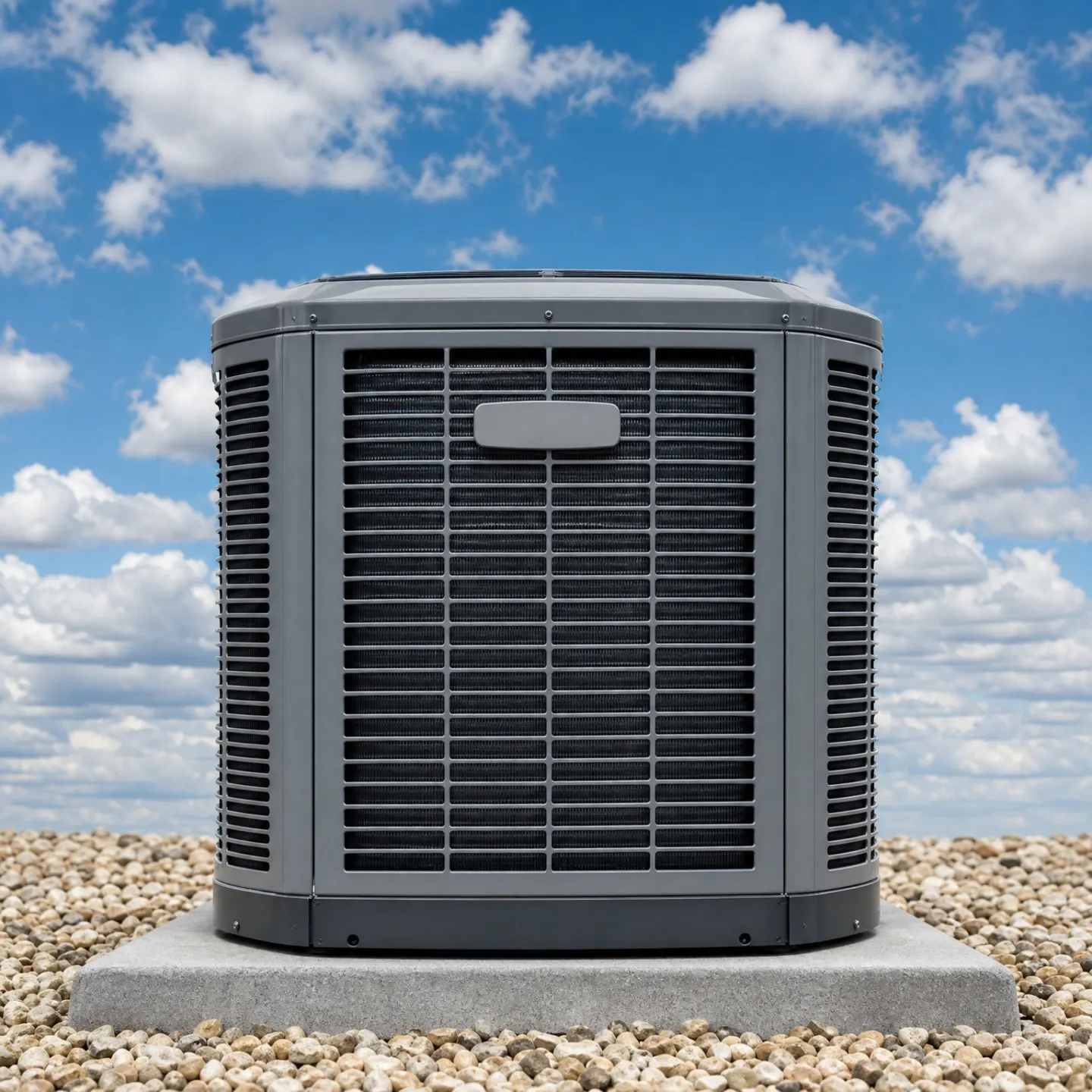
An outdoor air conditioning condenser unit mounted on a concrete pad surrounded by gravel, photographed against a partly cloudy blue sky.

What you can check yourself, and what you can't

The filter is the one thing worth checking yourself between visits. Pull it out and hold it up to the light. If you can't see through it, it's choking the airflow across the coil, and the system runs longer to move the same heat. A clean filter is the cheapest insurance there is. Outside, look at the condenser unit now and then. Keep leaves, grass clippings and mulch away from the fins, and don't stack anything against the sides that blocks airflow. Bent fins or a coil packed with debris make the unit work harder, the same as a dirty filter does. Indoors, keep an ear out for anything new. A rattle, a hum that wasn't there before, a hiss. Those are the system telling on itself before something fails outright. None of that replaces what a tune-up finds. A gauge set checks the refrigerant charge, and nobody reads that by eye. A technician can also catch a weak capacitor or a connection working itself loose, things that don't show from the outside.

Short cycles wear it out fast

An AC that shuts off a few minutes after starting isn't satisfied, it's tripping on something. A dirty coil or a stuck sensor can make the system think the house is cooled when it isn't. Short cycling wears the compressor down faster than a full, normal cycle, and the house still ends up warm.
Warm air or weak air means something's failing

Air coming out warm points to the refrigerant charge or the compressor itself. Air that barely moves points to the blower motor or a duct that's come loose or blocked. Either way the system runs without doing the one job it has, which is pulling heat out of the house.

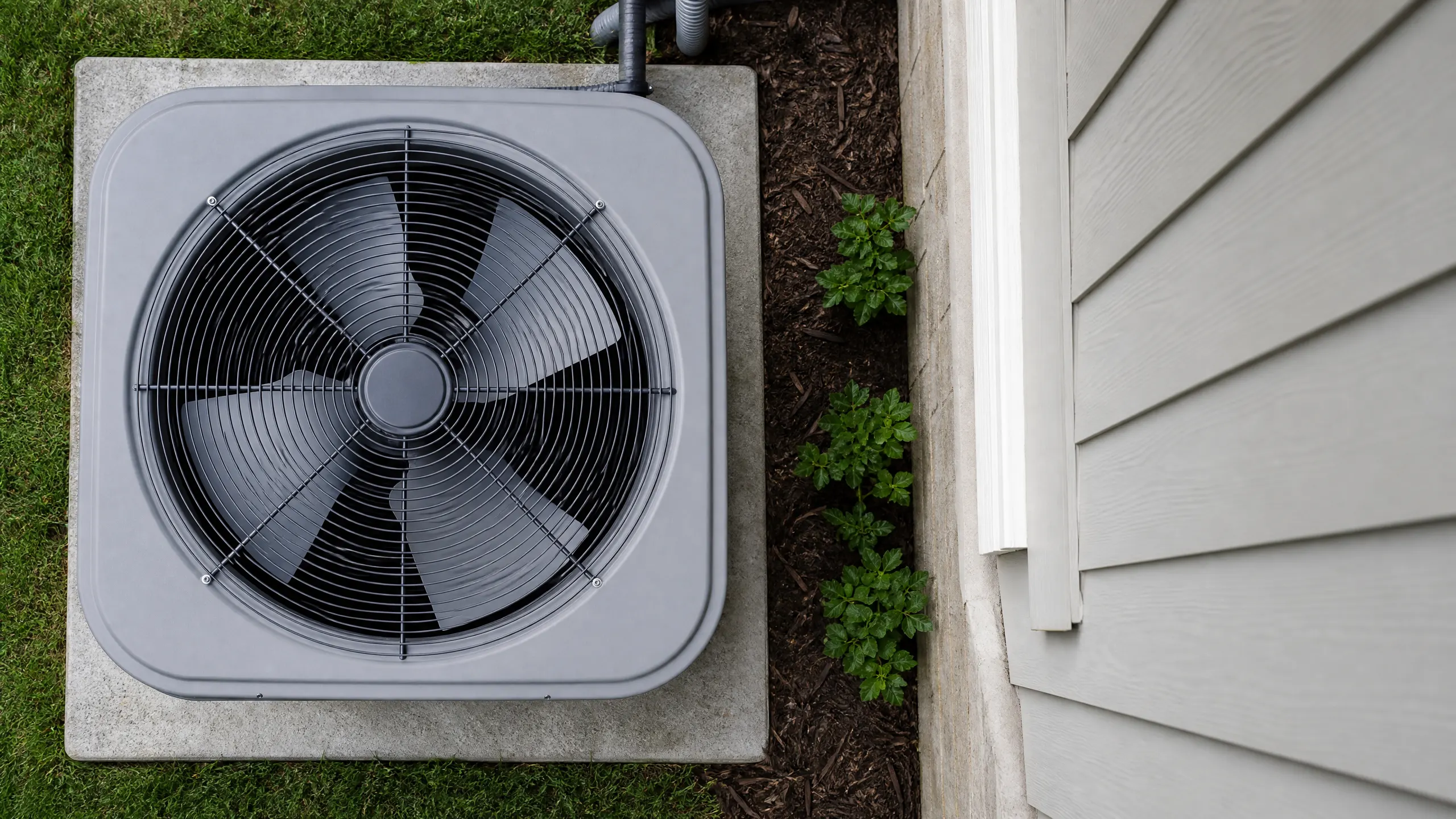
Aerial view of a gray central air conditioning condenser unit on a concrete pad next to a house with vinyl siding.

Book your AC tune-up in April, before homes here start needing cooling in May.

  1. Jan
  2. Feb
  3. Mar
  4. Apr
  5. May
  6. Jun
  7. Jul
  8. Aug
  9. Sep
  10. Oct
  11. Nov
  12. Dec

A tune-up checks the refrigerant charge, cleans the coils, tests the capacitor and tightens the electrical connections.

A real tune-up starts with the coil. The technician cleans it, because dirt and dust across those fins act like a blanket, and the system can't dump heat through a blanket. Next comes the refrigerant charge, checked against the gauges, not guessed at. Too little and the compressor strains. Too much and it strains just as hard the other way. The capacitor and contactor get tested under load, since those are the parts that fail without warning and leave the compressor dead on a hot afternoon. The blower gets checked too, along with the ductwork it pushes air through, because a strong compressor behind a weak blower still leaves you with a warm house. Last, the drain line gets cleared, so condensation has somewhere to go instead of backing up into the pan.