



Texas Cooling Help
Night view of illuminated white Southern-style houses with wraparound porches beneath Spanish moss-draped oak trees.

AC Maintenance in Sugar Land, TX

Tell us about the job

Takes about a minute. No obligation.

Step 1 of 3: Equipment

A dirty coil or a weak capacitor makes the compressor work harder to do the same job. That shows up on the meter. Texas homes paid 14.94 cents per kilowatthour in 2024, close to the top of what any state pays, and an AC that runs all summer on that rate will show the difference between running clean and running dirty. A tune-up catches the coil, the refrigerant charge and the airflow before any of it costs you for months straight. Skip it and the system does not break. It just costs more to do the same job, every day it runs.

7 months
April through October, your air conditioner is on duty
93°F
the average summer afternoon it cools against
33 hail events
in ten years, and hail bends the fins on outdoor coils
39 wind events
in ten years, and wind drives debris into outdoor units
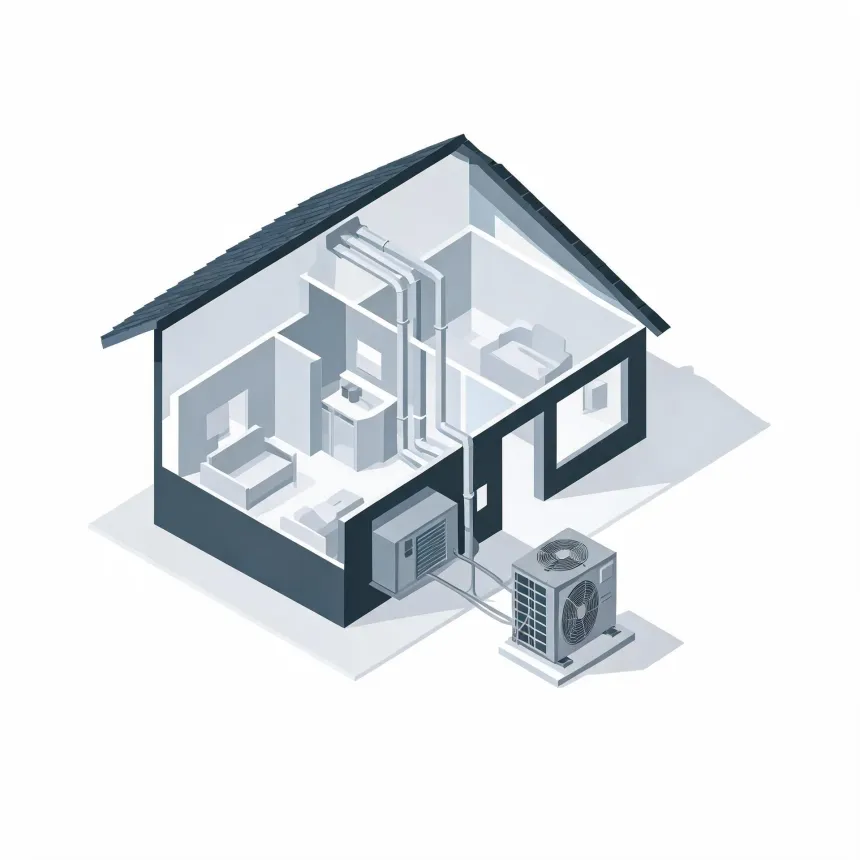
Isometric cutaway illustration of a small house showing interior rooms, ductwork, an indoor air handler, and an outdoor condenser unit connected by lines, on a plain white background.
Your air conditioner works hardest from May through September.

NOAA nClimDiv, 1991–2020 normals

Fort Bend County logged 91 severe weather events between 2015 and 2024, mostly wind and hail.

An outdoor condenser left with bent fins or storm debris has to work harder once summer heat puts load on it.

April is when it goes to work. March is when you check it.

Cooling runs April through October
Summer afternoons average 93°F
Power costs 14.94 cents a kWh statewide

Half the homes in Fort Bend County were built in 2005 or later, so a lot of the AC systems out here haven't logged that many summers yet. That's worth something. A newer condenser and coil still have most of their working life ahead of them, and what happens to that life depends on what gets done with it now. A unit that gets checked every year stays close to the shape it started in. One that doesn't drifts a little further off each summer, and the drift is hard to see from the outside. By the time it shows up as a real problem, it has been building for a while.

Seven months of cooling ahead. Get it checked before it starts.

Cooling runs seven months here, April through October, with afternoon highs averaging 93°F through the hottest stretch. A worn capacitor or a dirty coil does not hold up under that kind of running time. Have it looked at before April so whatever is wearing thin gets caught while the system is still idle.

Find a contractor
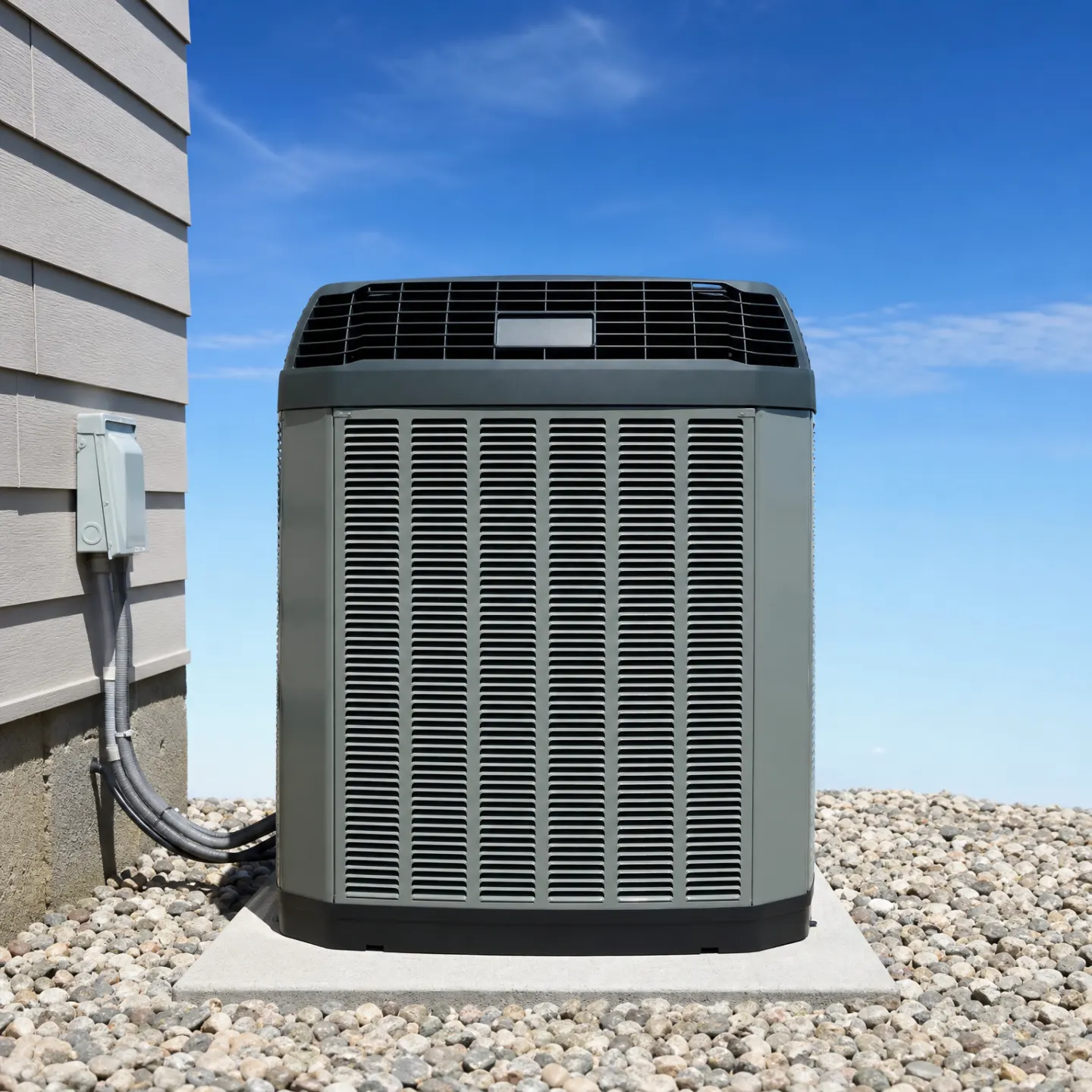
An outdoor air conditioning condenser unit mounted on a concrete pad beside a house, with electrical conduit running to a wall-mounted disconnect box.

What a season of running does to a system

A system that runs every day for months doesn't fail all at once. It gives signs first. The airflow from the vents gets weaker before the compressor ever quits. The unit cycles on and off more than it used to, because it's losing the fight to keep up and shutting off short of finishing the job. It runs longer stretches to hit the same temperature it used to hit faster. Sometimes there's a smell when it kicks on, usually dust burning off a coil that hasn't been cleaned in a while, and that one clears up fast if it gets caught early. A unit that's been running hard all season without a check is the one most likely to show these signs. Catching them before the next run of hot months is the whole point of looking now.

Keep the airflow clear

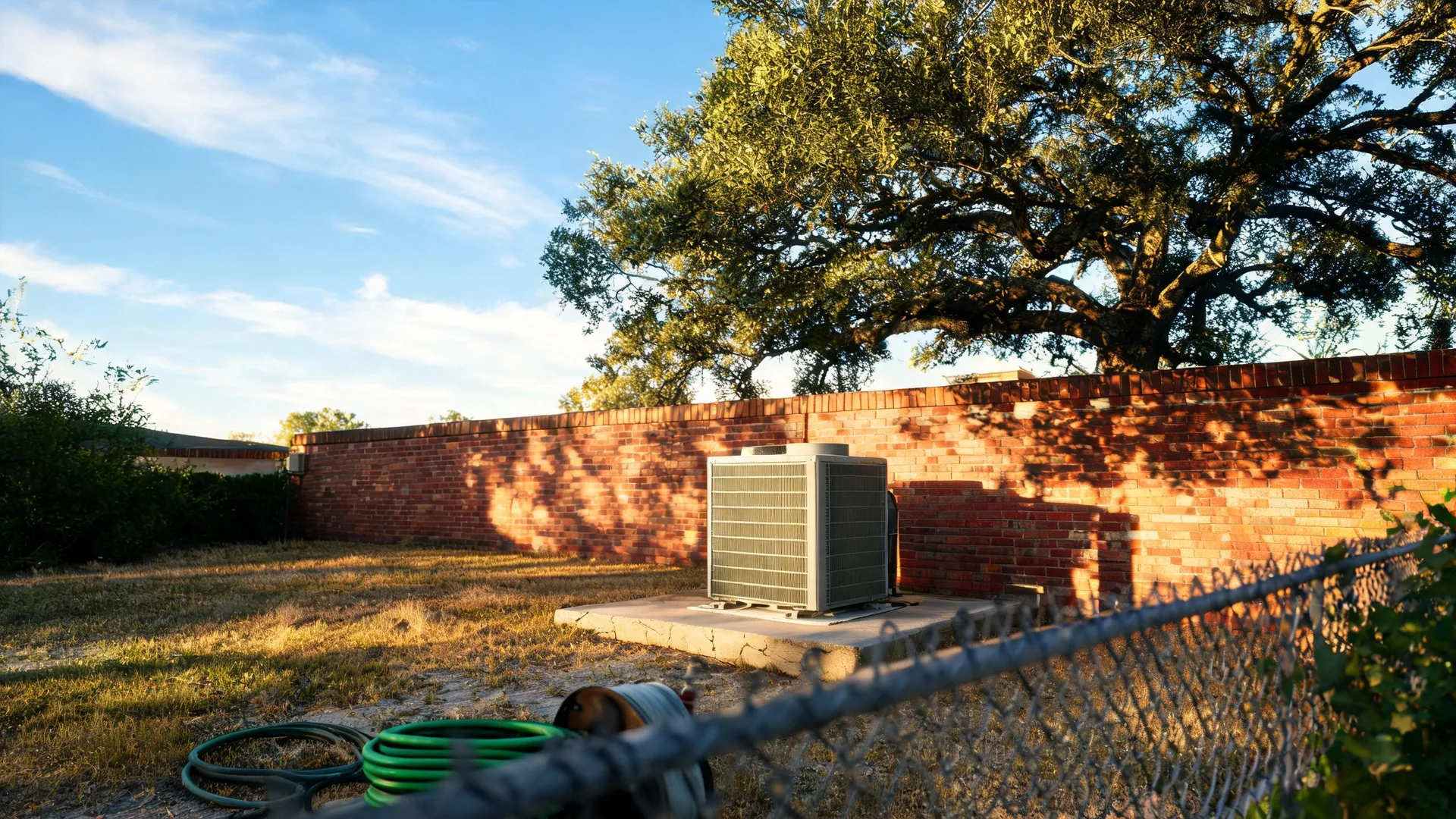
A clogged filter is the one thing worth checking without waiting for a visit. Swap or rinse it on a regular schedule, and keep the area around the indoor vents and the outdoor condenser free of furniture, plants or debris. Starved airflow makes the whole system work harder, and it's the easiest cause to rule out yourself.
Leave the inside alone

The refrigerant charge, the capacitor and the coil are not something to open up or test at home. Guessing at them risks a shock or a system that runs with the wrong charge for months before anyone notices. Watch for weak airflow, longer run times or a smell at startup, and let those be what sends you to call, not a repair attempt.

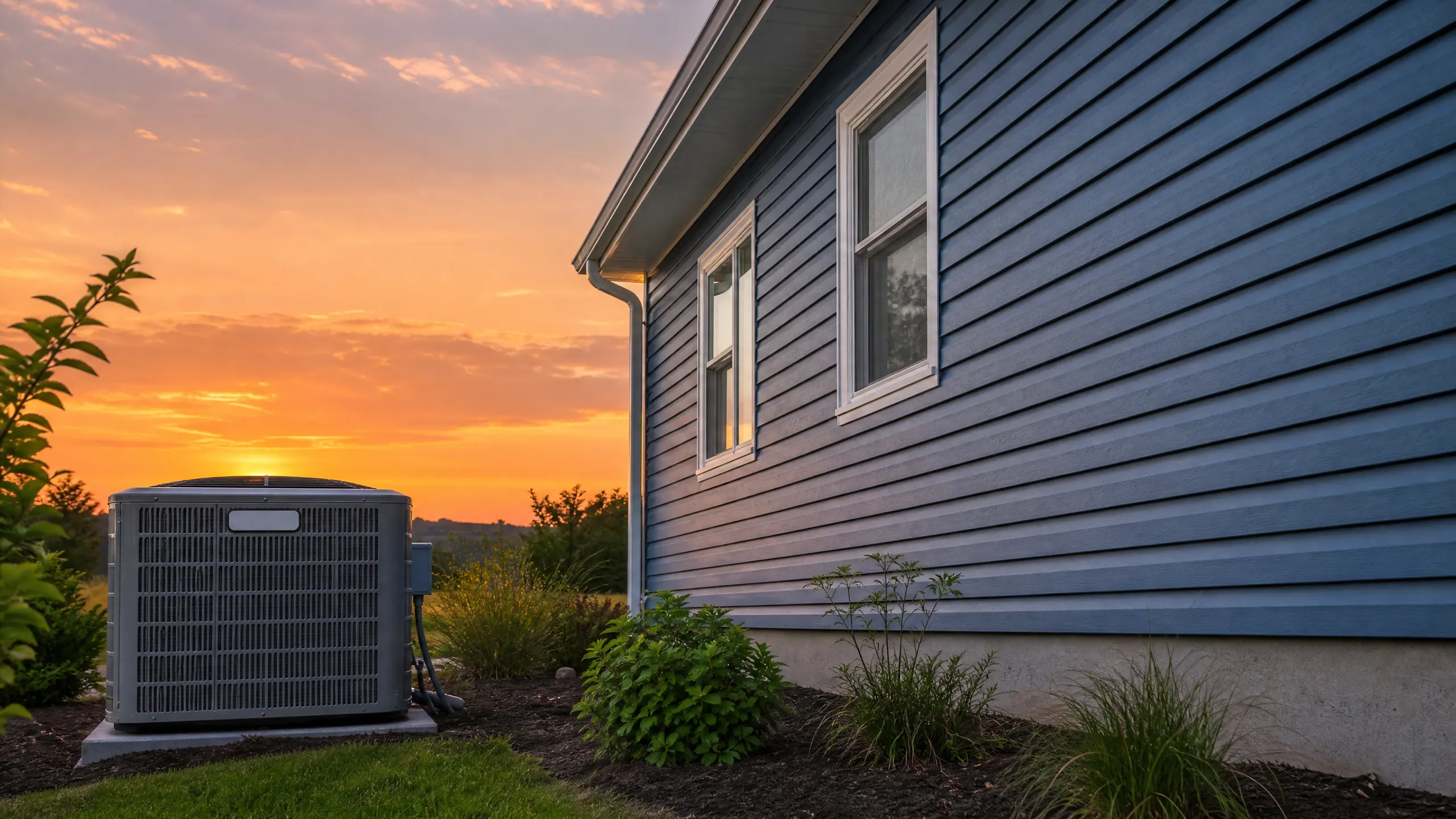
An outdoor air conditioning condenser unit positioned beside a blue-sided house at sunset.

Book your AC tune-up in March, before homes here start needing cooling in April.

  1. Jan
  2. Feb
  3. Mar
  4. Apr
  5. May
  6. Jun
  7. Jul
  8. Aug
  9. Sep
  10. Oct
  11. Nov
  12. Dec

A tune-up checks the refrigerant charge, cleans the coils, tests the capacitor and tightens the electrical connections.

A tune-up starts outside, at the condenser. The coil gets cleaned so it can shed heat the way it's supposed to, and the fins get checked for anything blocking airflow through them. Refrigerant charge gets tested against what the system calls for, since too much or too little both make the compressor strain. The capacitor gets tested under load, not just looked at, because a capacitor can read fine sitting still and still fail once it has to start the compressor. Inside, the blower wheel gets checked for dirt buildup and the drain line gets cleared so condensation has somewhere to go. Electrical connections get tightened, since a loose one generates heat and heat is what burns out a contactor or a terminal over time. None of this is guesswork. Every part gets measured against a number that tells you whether it's still doing its job or starting to fail.