Texas Cooling Help
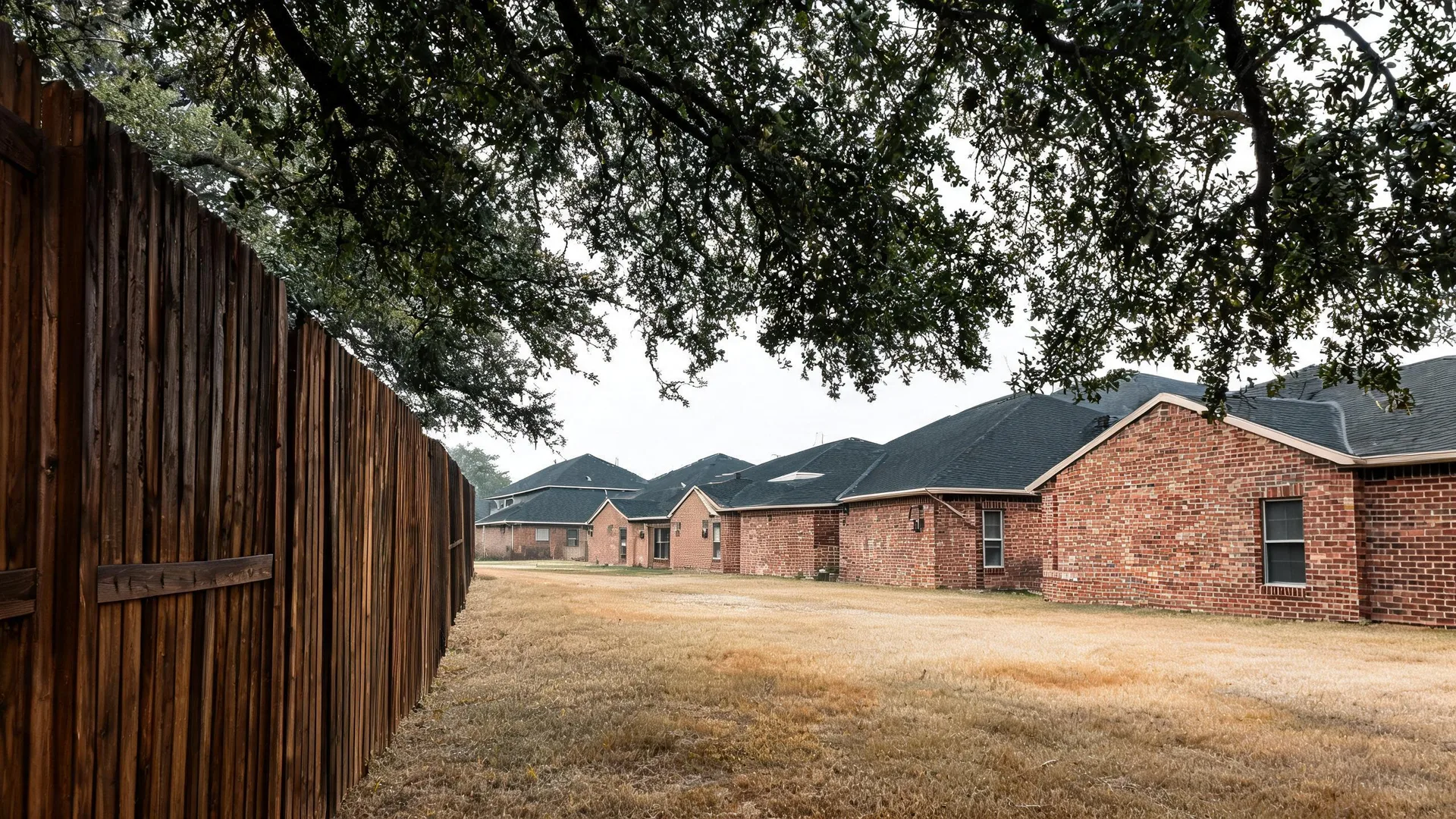
A wooden privacy fence runs along the left side of a dry grass field, with a row of single-story brick houses with dark shingled roofs on the right and tree branches overhead.

AC Maintenance in Sherman, TX

Tell us about the job

Takes about a minute. No obligation.

Step 1 of 3: Equipment

The coil and capacitor get checked, not just the filter

A quick visit means someone swaps the filter, glances at the outdoor unit, and leaves. A thorough one means the condenser coil gets cleaned of the dirt and grass clippings packed between its fins, the capacitor gets tested under load instead of eyeballed, and the refrigerant charge gets checked against what the system actually calls for. A dirty coil or a weak capacitor is a common reason an AC quits in the middle of summer, and both look fine from across the yard.

You should get a number, not just a nod

Ask what the temperature split was between the air going into the return and the air coming out of the supply vent. A tech who did the job right can tell you that figure and what it means for your system. One who just walked through will tell you everything looks good and head for the truck. The reading is what shows the system is actually moving heat the way it should, not just running.

5 months
May through September, your air conditioner is on duty
93°F
the average summer afternoon it cools against
150 hail events
in ten years, and hail bends the fins on outdoor coils
79 wind events
in ten years, and wind drives debris into outdoor units
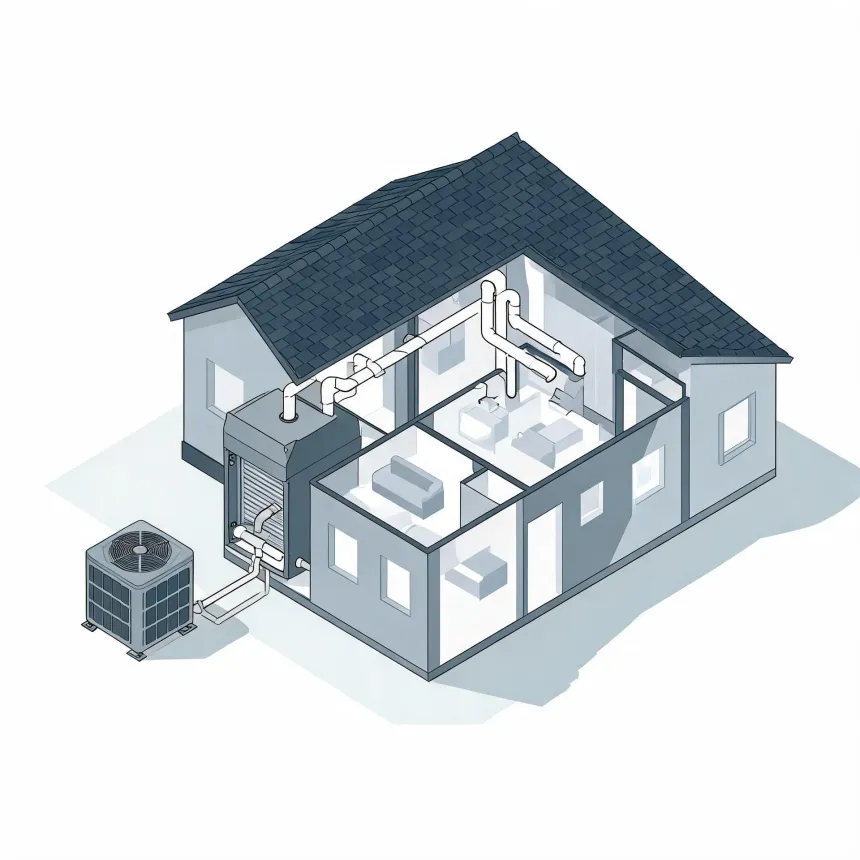
Isometric illustration of a cutaway single-story house showing interior rooms, ductwork running from an indoor air handler, and an outdoor condenser unit on a pad beside the building.
Your air conditioner works hardest from June through September.

NOAA nClimDiv, 1991–2020 normals

Half the homes in Grayson County were built in 1985 or later.

A system that age still has years ahead of it, and a yearly check is what gets it there.

May is when cooling starts here, so April is when it gets checked

Cooling runs May through September
Summer afternoons average 93°F
150 hail events from 2015 to 2024

The AC here runs from May through September, and afternoons in June, July and August average 93 degrees. That is five straight months of the system working near its limit, not a few hot days scattered through the year. A part that is wearing out tends to fail right in that stretch, because that is when the compressor and fan run longest and hardest. Grayson County also sees a lot of hail, and a hailstorm can bend the thin fins on an outdoor coil without leaving any other mark on the unit. Checking the system before May gets going is what catches that kind of damage, or a capacitor on its way out, while there's still time to deal with it.

A neglected AC costs more to run here

Texas electricity ran 14.94 cents per kilowatthour in 2024, and a system that has to work harder to move the same heat burns more of it. A dirty coil or a weak capacitor makes the compressor run longer to do the same job, month after month through summer. Checking those before the season gets going is what keeps that cost from creeping up.

Find a contractor
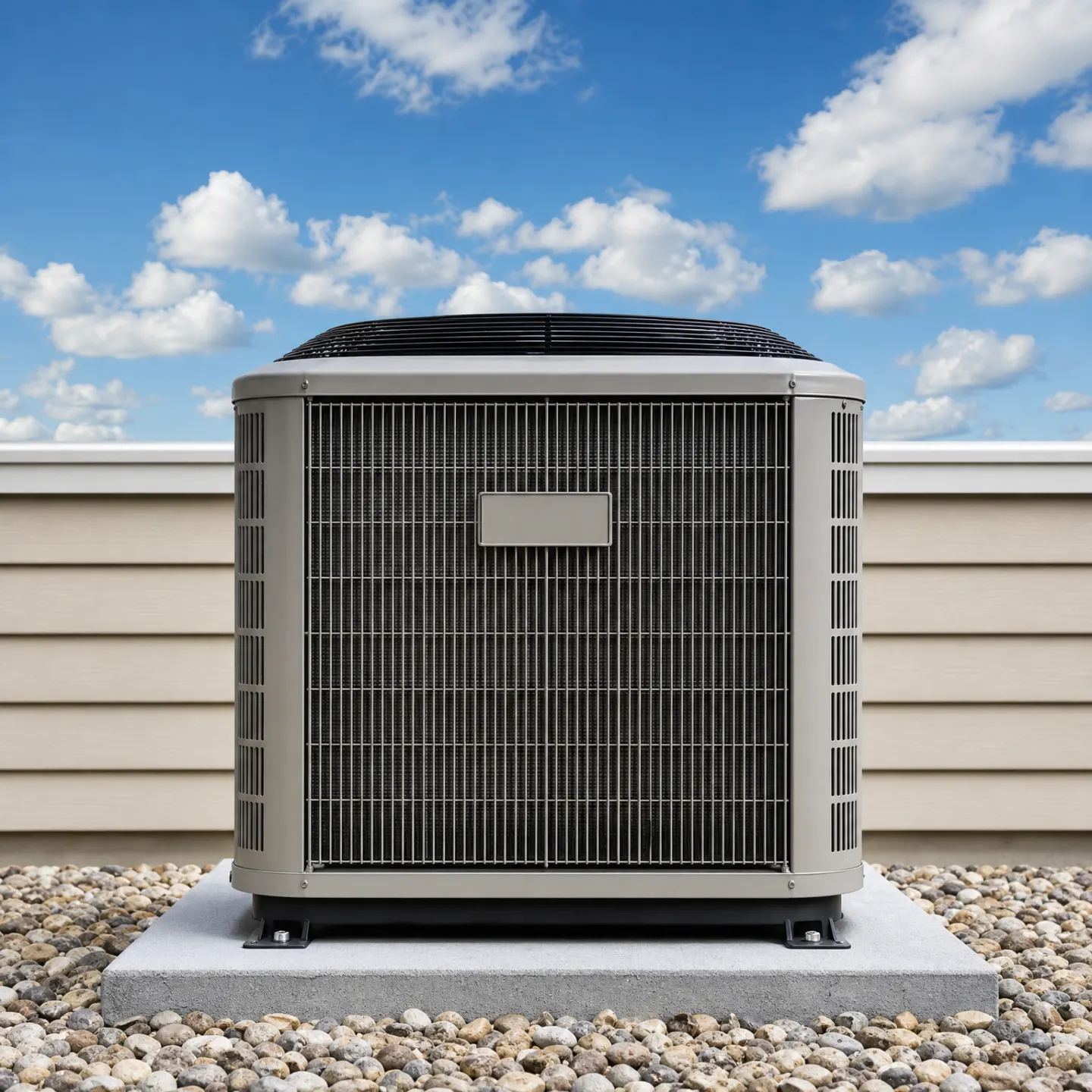
An outdoor residential air conditioning condenser unit mounted on a concrete pad, surrounded by gravel with a blue sky in the background.

Five months of this, every year

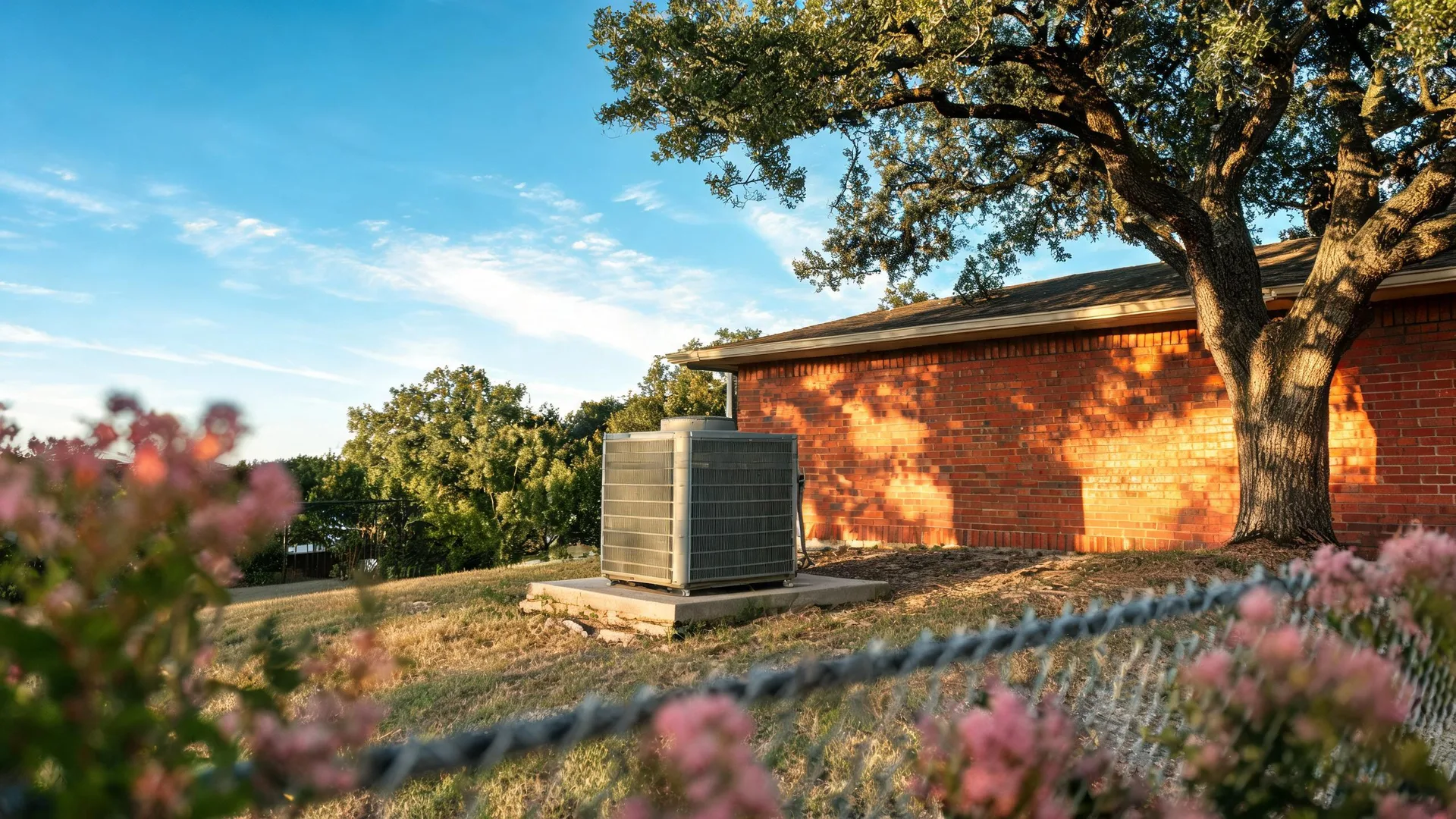
Five months of running near 93 degrees wears on a system fast, and this time-lapse shows why. Day into night, the compressor and fan cycle on and off for hours at a stretch, all season. A coil that's lost its fins to hail or a capacitor that's starting to go won't show it in May. It shows up in July, when the unit is already working as hard as it can. Getting it looked at before the season starts is what catches a weak part while there's still nothing riding on it.

A dirty coil doesn't announce itself

A condenser coil loses efficiency as dirt and debris build up on it, and the system keeps running through that whole decline without any warning sign. The compressor just works harder to move the same heat, cycle after cycle, until the day it can't keep up anymore. By the time the house feels it, the coil has been costing the system for a long stretch already.

A capacitor doesn't wear down gently

A capacitor holds its charge until it doesn't, and there's rarely a middle stage where it's working halfway. It helps the compressor and fan motor start up, and a weak one makes them struggle on every cycle until one cycle it just doesn't start at all. Skipped maintenance means nobody tested it under load, so the first sign of trouble is the unit not turning on.

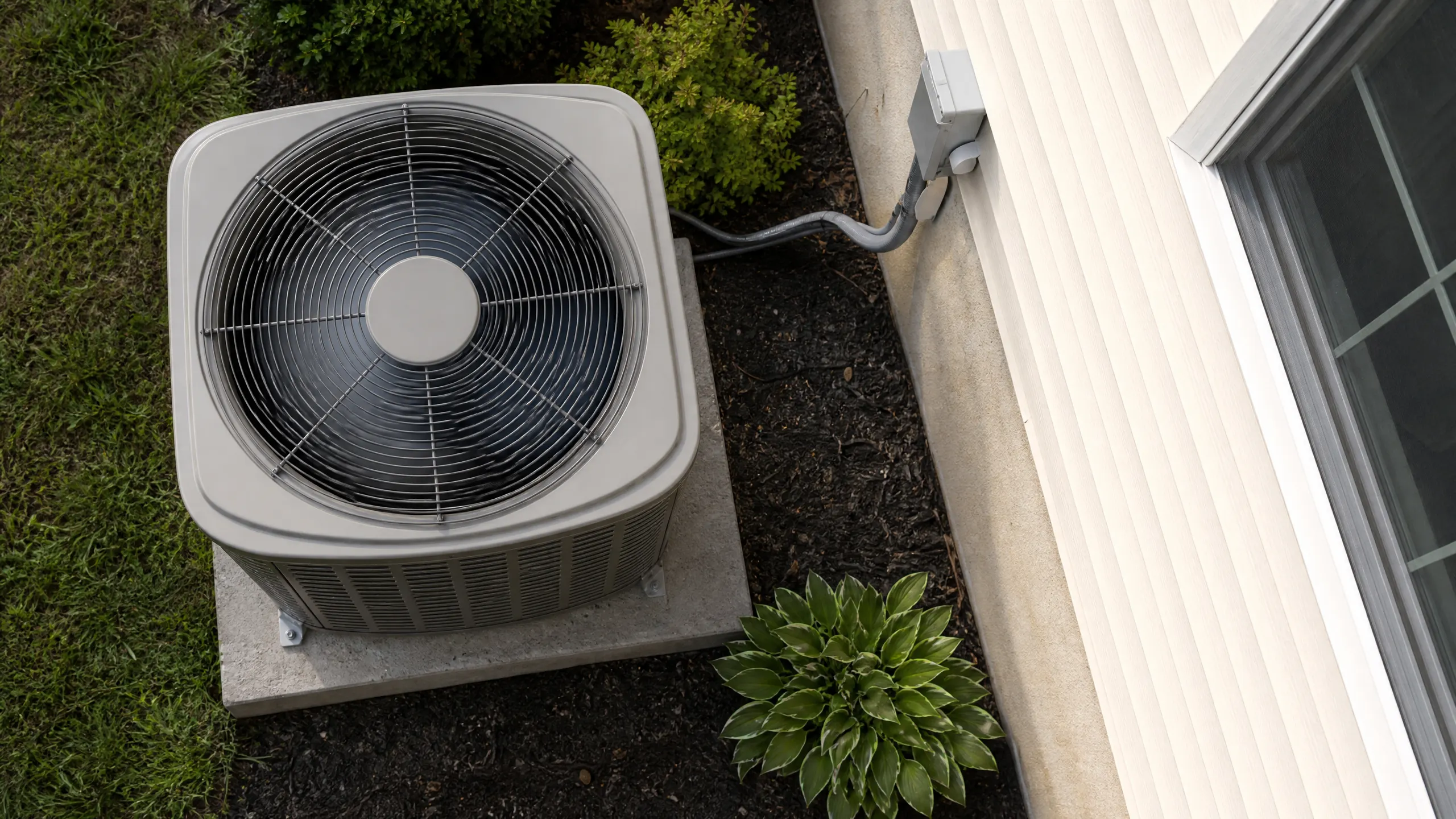
An overhead view of a residential air conditioning condenser unit mounted on a concrete pad next to a house with vinyl siding.

Book your AC tune-up in April, before homes here start needing cooling in May.

  1. Jan
  2. Feb
  3. Mar
  4. Apr
  5. May
  6. Jun
  7. Jul
  8. Aug
  9. Sep
  10. Oct
  11. Nov
  12. Dec

A tune-up checks the refrigerant charge, cleans the coils, tests the capacitor and tightens the electrical connections.

A real tune-up starts outside, with the power to the unit shut off before anything else happens. The coil gets washed clean, not just rinsed, since packed dirt between the fins holds heat in rather than letting the system shed it. The fan blade gets checked for wobble, and the motor bearings get listened to, because a bearing that's starting to go makes noise before it seizes. Refrigerant lines get checked for the oily residue that means a slow leak. Inside, the blower wheel gets looked at for dirt buildup, since a caked wheel moves less air no matter how clean the filter is. The drain line gets flushed too, because algae and dirt build up in there over a season and a clogged line backs water up into the house instead of outside where it belongs.