Texas Cooling Help
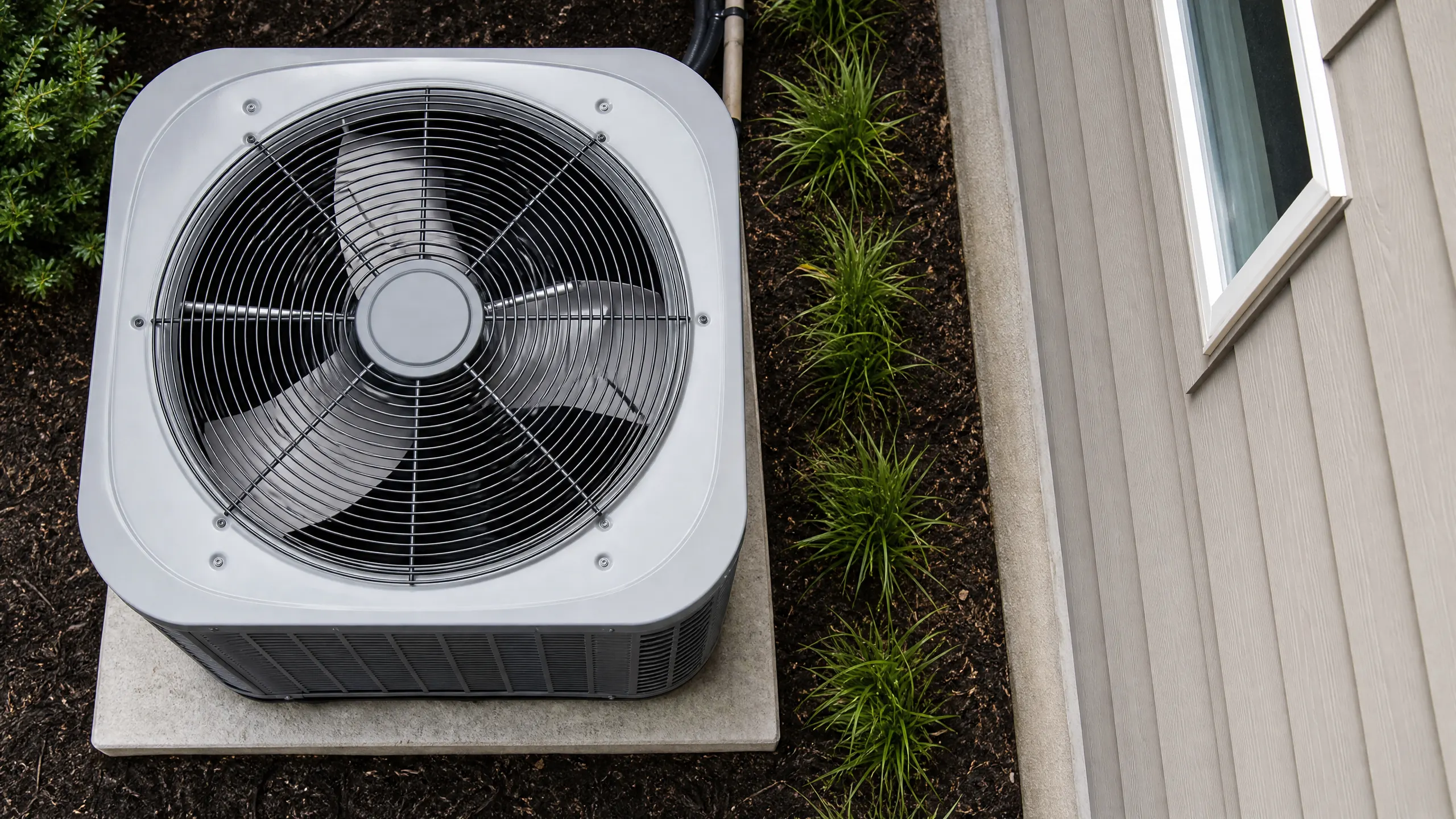
An outdoor air conditioning condenser unit on a concrete pad next to the gray vinyl siding of a residential home.

AC Maintenance in Seguin, TX

Tell us about the job

Takes about a minute. No obligation.

Step 1 of 3: Equipment

The system runs longer to do the same job

A dirty condenser coil or a low refrigerant charge makes the compressor work harder to cool the same air. The air still gets cold eventually, so nothing feels wrong at first. The strain shows up later as a compressor that wears out before its time.

Short cycles or weak airflow mean a look before a breakdown

An AC that shuts off soon after starting, or blows air that is not as cold as it used to be, is usually telling you about a dirty filter, a failing capacitor, or a coil starting to ice over. Catching it during a checkup means a tech fixes the actual cause. Waiting usually means the same problem shows up again as a no-cool call on a hot afternoon.

7 months
April through October, your air conditioner is on duty
95°F
the average summer afternoon it cools against
34 hail events
in ten years, and hail bends the fins on outdoor coils
56 wind events
in ten years, and wind drives debris into outdoor units
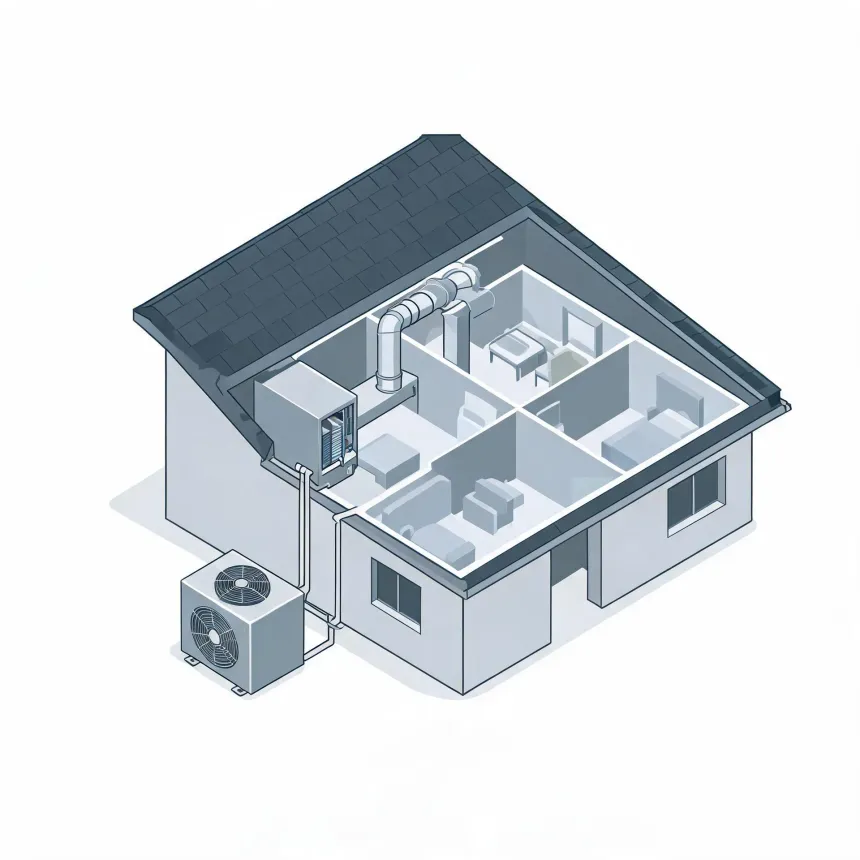
Isometric cutaway illustration of a single-story house showing interior rooms, ceiling ductwork connected to an indoor air handler, and an outdoor condenser unit beside the exterior wall.
Your air conditioner works hardest from May through September.

NOAA nClimDiv, 1991–2020 normals

Half the homes in Guadalupe County were built in 2003 or later.

A system that age still has years ahead of it, and a yearly checkup is what gets it there.

Storms come through Guadalupe County often enough to matter for the unit sitting outside

104 severe weather events from 2015 to 2024
33% of homes statewide lost power a day or more in 2024
56 damaging wind events from 2015 to 2024

Cooling starts in April here and runs through October. March is when to get the AC looked at, before it has to work. A system that sat idle since October needs the refrigerant charge checked and the condenser coil cleaned before the first real heat hits it. Wait until April and the unit is already running hard when a tech finds the problem. Seven months is a long stretch to carry a weak capacitor or a dirty coil. Getting the check done in March means whatever needs fixing gets fixed before the season asks anything of it.

Seven months of 95 degree afternoons wears parts down fast

Seven months of cooling, with afternoons averaging 95°F in June, July and August, is a long stretch for a system to carry a weak part. Once the heat sets in, small problems turn into no-cool calls.

Find a contractor
A man in a cap, dark long-sleeve shirt and tan work pants walks up wooden porch steps toward an orange front door, carrying a canvas tool tote; an orange planter with ornamental grass stands to the right.
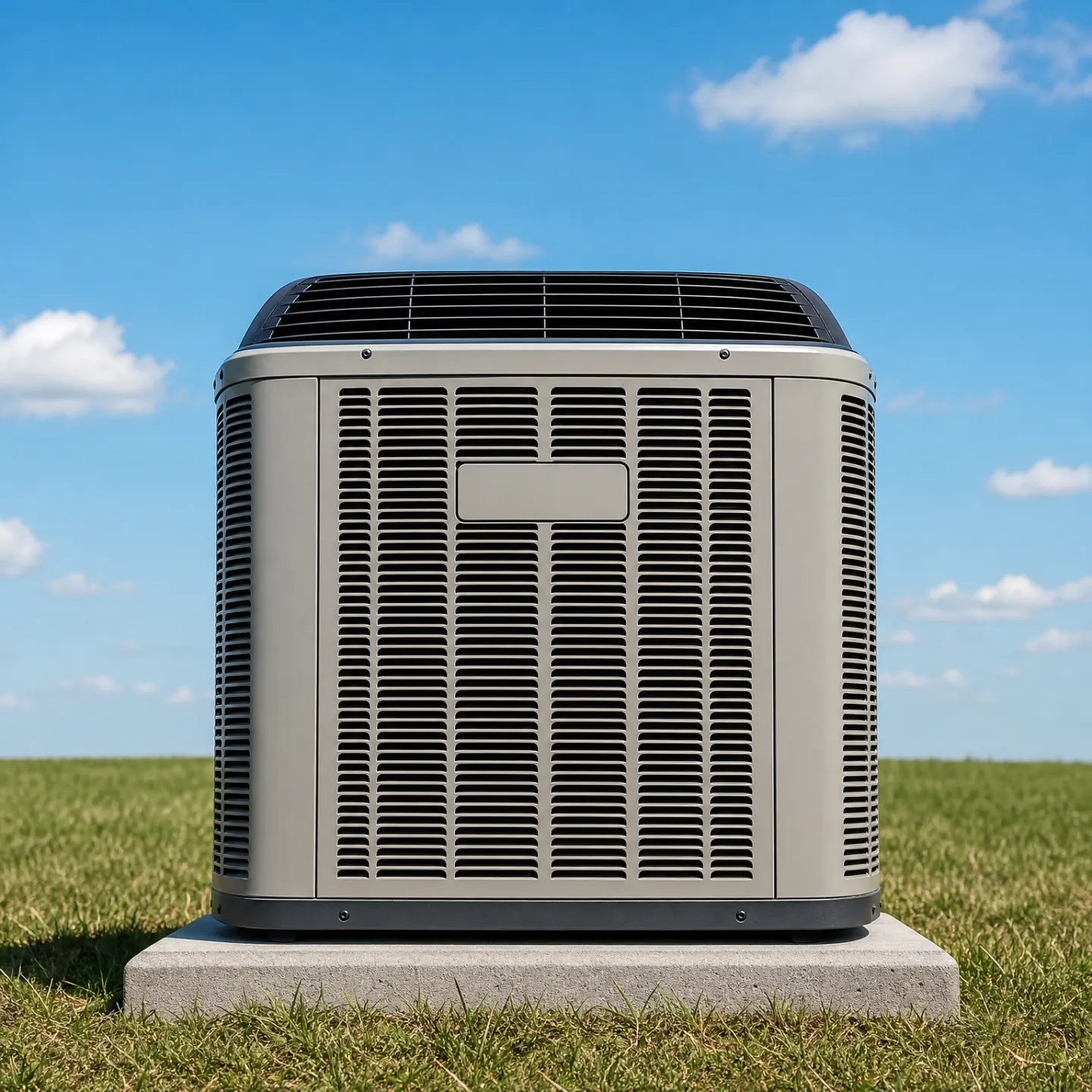
A gray residential air conditioning condenser unit mounted on a concrete pad outdoors, surrounded by green grass under a partly cloudy blue sky.

Skip the checkup and small wear becomes a breakdown

A system that never gets opened up keeps running on whatever charge and airflow it had last year, even as the coil loses efficiency and the capacitor weakens. Dust and grime building up on the condenser coil make the compressor run longer each cycle to move the same heat outside. A capacitor that has drifted out of spec might still start the compressor most days, until the one afternoon it does not. None of this shows up as a sudden failure. It shows up as a slightly longer run time, then a much longer one, then a system that will not come back on at all. A yearly look catches the coil before it is caked, the capacitor before it fails, and the charge before a slow leak turns into a bigger repair.

A thorough visit opens the system up

A tech pulls the panel, checks refrigerant pressure against what the system calls for, and tests the capacitor under load rather than just looking at it. The condenser coil gets washed, not just glanced at. The blower wheel gets checked for dust buildup that cuts airflow even when the filter is clean.

A quick visit checks what it can see

A fast tune-up looks at the filter, listens for strange noise, and confirms the system turns on and blows cold. That catches the obvious problems but misses a coil losing efficiency under a layer of grime or a capacitor testing weak but still working. Those show up later, usually on a hot afternoon.

An outdoor central air conditioning unit mounted on a concrete pad beside a blue-sided house at sunset.

Book your AC tune-up in March, before homes here start needing cooling in April.

  1. Jan
  2. Feb
  3. Mar
  4. Apr
  5. May
  6. Jun
  7. Jul
  8. Aug
  9. Sep
  10. Oct
  11. Nov
  12. Dec

A tune-up checks the refrigerant charge, cleans the coils, tests the capacitor and tightens the electrical connections.

A proper tune-up starts outside at the condenser. The tech cuts power to the unit, pulls the panel, and washes the coil clean rather than hosing it from a few feet back and calling it done. Refrigerant pressure gets checked against what the system actually calls for, high or low, since either one makes the compressor work harder than it should. The capacitor gets tested under load, not just eyeballed, because a weak one can still start the compressor on a cool morning and fail outright once the heat comes on. Inside, the blower wheel gets checked for a film of dust that cuts airflow even past a clean filter, and the drain line gets cleared so condensation has somewhere to go. Electrical connections get checked too, since a loose one heats up and fails long before anything mechanical does.