Texas Cooling Help
Overhead view of an outdoor AC condenser unit on a concrete pad next to a house with a dark shingle roof.

AC Maintenance in San Marcos, TX

Tell us about the job

Takes about a minute. No obligation.

Step 1 of 3: Equipment

A dirty system draws more power

A coil caked with dust or a charge that's drifted low makes your AC run longer to cool the same house. That extra runtime shows up on the meter, and Texas electricity ran 14.94 cents per kilowatthour in 2024, higher than a lot of the country.

The waste is steady, not occasional

Your AC in San Marcos isn't an appliance that runs a few weeks a year. A unit working harder than it needs to burns that extra power across the whole stretch it runs, not just on the hottest days.

7 months
April through October, your air conditioner is on duty
94°F
the average summer afternoon it cools against
59 hail events
in ten years, and hail bends the fins on outdoor coils
36 wind events
in ten years, and wind drives debris into outdoor units
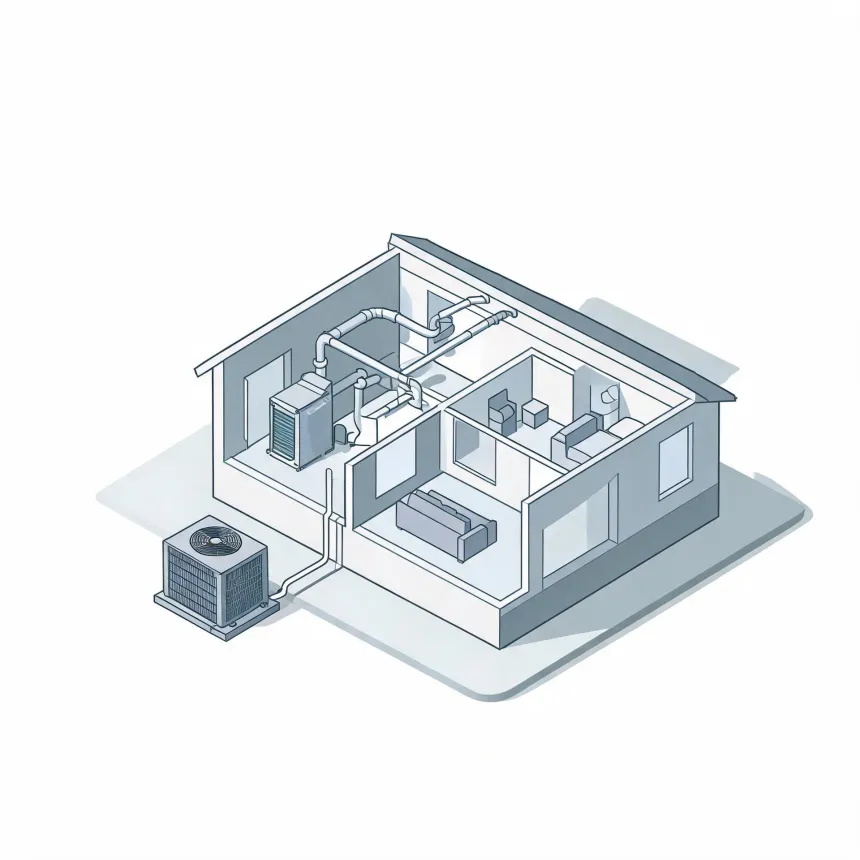
Isometric line illustration of a cutaway house showing interior rooms, a furnace or air handler with ductwork, and an outdoor condenser unit beside the building.
Your air conditioner works hardest from May through September.

NOAA nClimDiv, 1991–2020 normals

Your AC in San Marcos runs cooling for about seven months, April through October.

Seven months of afternoons near 94 degrees wears parts down faster than one season should.

Hays County gets hailed on and blown through most years. Have the outdoor unit checked before summer asks something of it.

108 severe weather events from 2015 to 2024
33% of homes statewide lost power a day or more in 2024
36 damaging wind events from 2015 to 2024
A lot of these systems are still youngHalf the homes in Hays County were built in 2007 or later

A hailstorm bends the fins on an outdoor unit, and bent fins choke the airflow the coil needs to shed heat. Wind-blown debris does the same thing from the other direction, packing leaves and grit into the coil face where you can't see it. Before summer gets going, a technician can pull the panel, check the coil and fins for damage, and clear out what's built up since last year. That's a quick check against a unit having to fight its own condenser all summer.

Get it checked before it costs you all summer

A coil that's clogged or a charge that's drifted low makes your AC run longer than it should, and that extra runtime lands on a bill already higher than most states pay. A tune-up gets the coil clean and the charge right before the stretch of cooling months ahead, so you're not paying for the waste.

Find a contractor
A man in a cap, worn gray shirt and brown work pants, seen from behind, carries a leather tool bag up steps toward an orange front door beside a potted shrub.
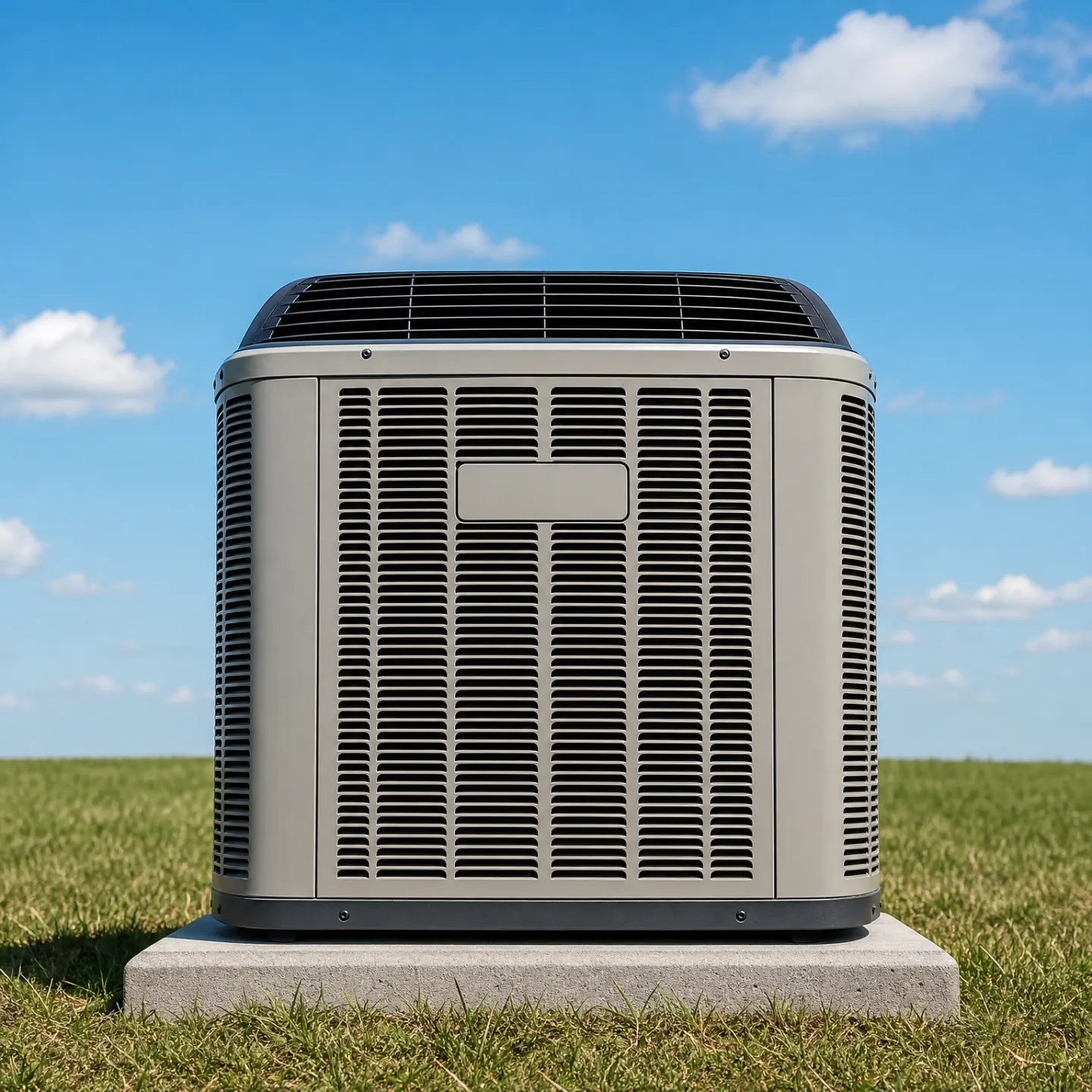
A gray residential air conditioning condenser unit mounted on a concrete pad outdoors, surrounded by green grass under a partly cloudy blue sky.

Catch it before the season does

Seven months doesn't leave much room to catch a worn part before it fails outright. Get the system looked at before April, while it's sitting idle, so a weak capacitor or a contactor going bad shows up on a technician's gauge instead of as a dead unit in the middle of summer.

Parts wear even when nothing's wrong yet

A capacitor loses its charge slowly over years, not all at once. A contactor's points pit a little more each time they close. None of that announces itself. Left alone, the weak part keeps working until the moment it can't, usually on the day the AC is running hardest.

Skipped maintenance hides the small problems

A tune-up is when a technician checks refrigerant charge, tightens electrical connections, and looks at the coil before any of it causes a breakdown. Skip it and those same issues don't go away, they just stay invisible until the system stops cooling and the diagnosis happens the hard way.

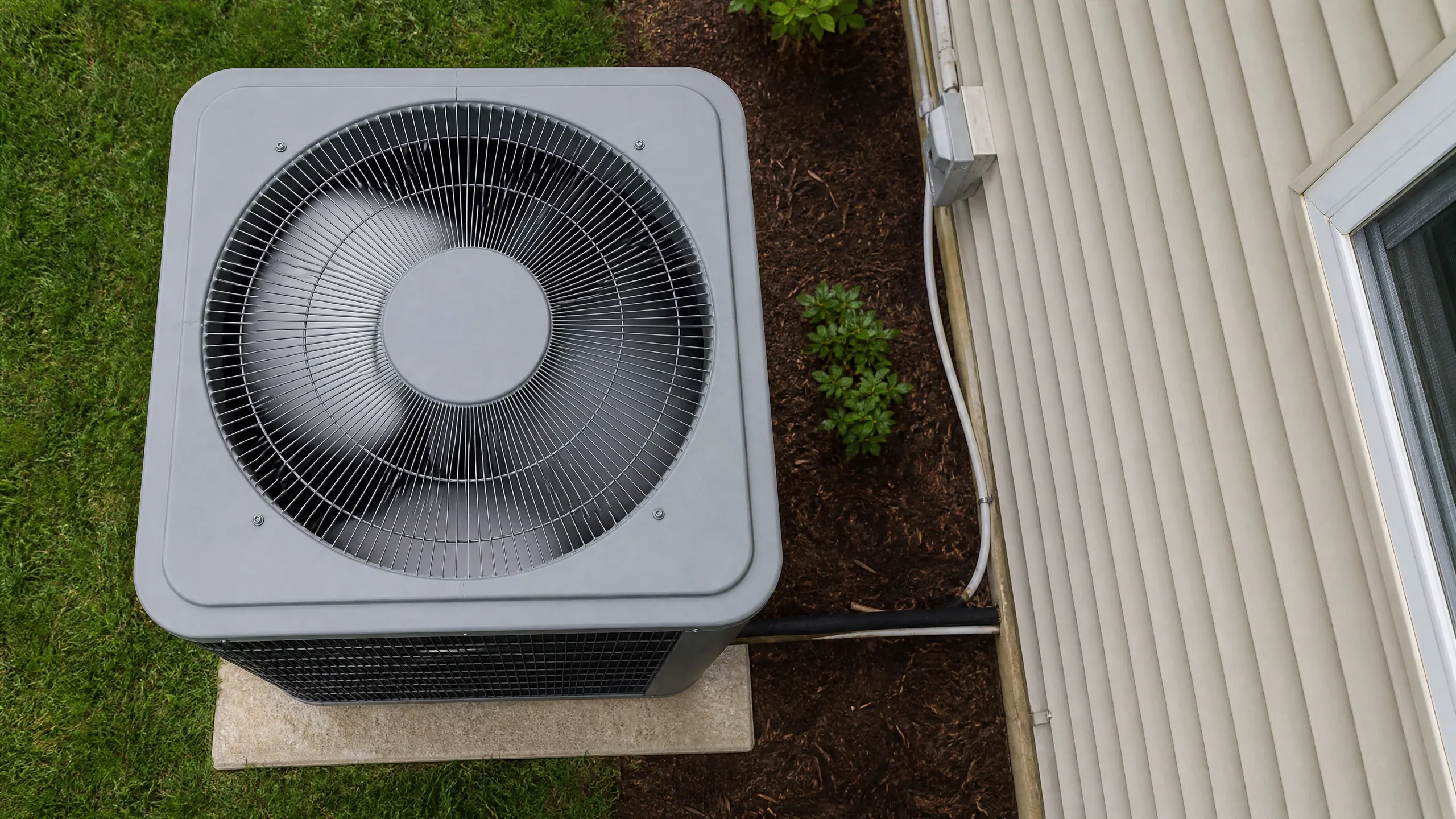
Aerial view of a gray outdoor air conditioning condenser unit mounted on a concrete pad next to a house with vinyl siding.

Book your AC tune-up in March, before homes here start needing cooling in April.

  1. Jan
  2. Feb
  3. Mar
  4. Apr
  5. May
  6. Jun
  7. Jul
  8. Aug
  9. Sep
  10. Oct
  11. Nov
  12. Dec

A tune-up checks the refrigerant charge, cleans the coils, tests the capacitor and tightens the electrical connections.

A tune-up starts with the refrigerant charge, checked against what the system is supposed to hold rather than guessed at. Too little and the compressor runs harder for less cooling. The condenser coil and evaporator coil both get checked, since either one coated in dust or grime can't shed heat the way it should. A technician tightens electrical connections, because a loose one heats up and eventually fails right there. The contactor and capacitor get tested under load, not just looked at, since both can read fine sitting still and still be close to done. Airflow gets checked too, at the blower and across the coil, since a system starved for air works harder no matter how clean everything else is.