A dirty system draws more power
A coil caked with dust or a charge that's low makes the compressor work harder to cool the same air. That shows up on the meter, not just in the house.
Takes about a minute. No obligation.
A coil caked with dust or a charge that's low makes the compressor work harder to cool the same air. That shows up on the meter, not just in the house.
Texas rates make a system that's losing efficiency more costly to ignore than in a cheaper state. A tune-up catches the strain before it adds up on the bill.
NOAA nClimDiv, 1991–2020 normals
April is when cooling starts working hard in Bexar County.
Get it checked in March, before that first stretch of heat hits.




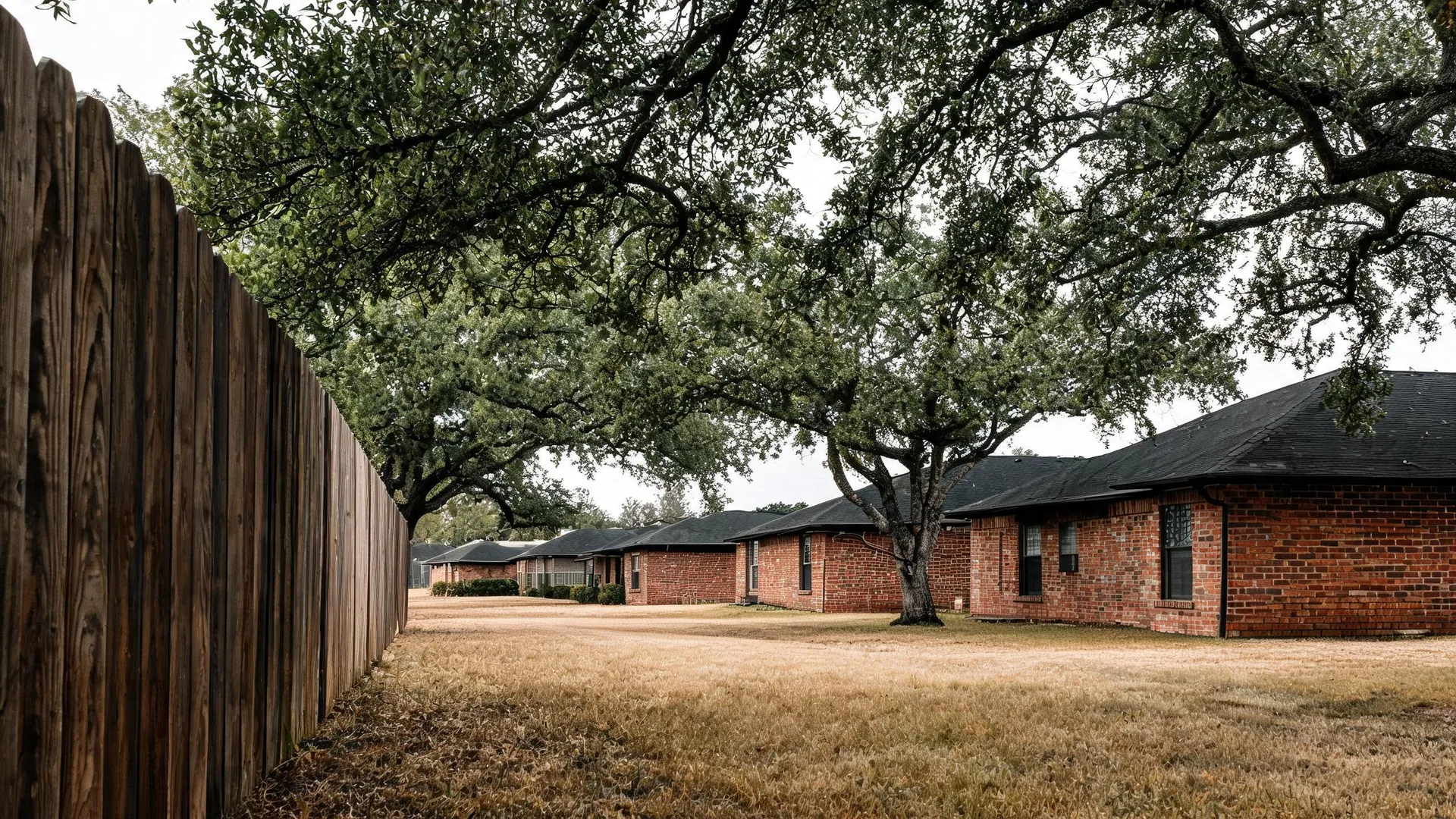
Half the homes in Bexar County were built in 1990 or later. If yours is one of them, the system cooling it may still be well within its working life. That's worth protecting, not just maintaining when something acts up. A yearly check on a newer system finds the small stuff, a weak capacitor, a refrigerant charge drifting low, before it turns into a compressor replacement. The newer the equipment, the more a checkup is just upkeep, not a repair call.
Electricity here runs 14.94 cents a kilowatt-hour, so a system that's drifted out of tune costs more to run here than it would somewhere cheaper. A checkup catches that drift early, whether the system is new or old.
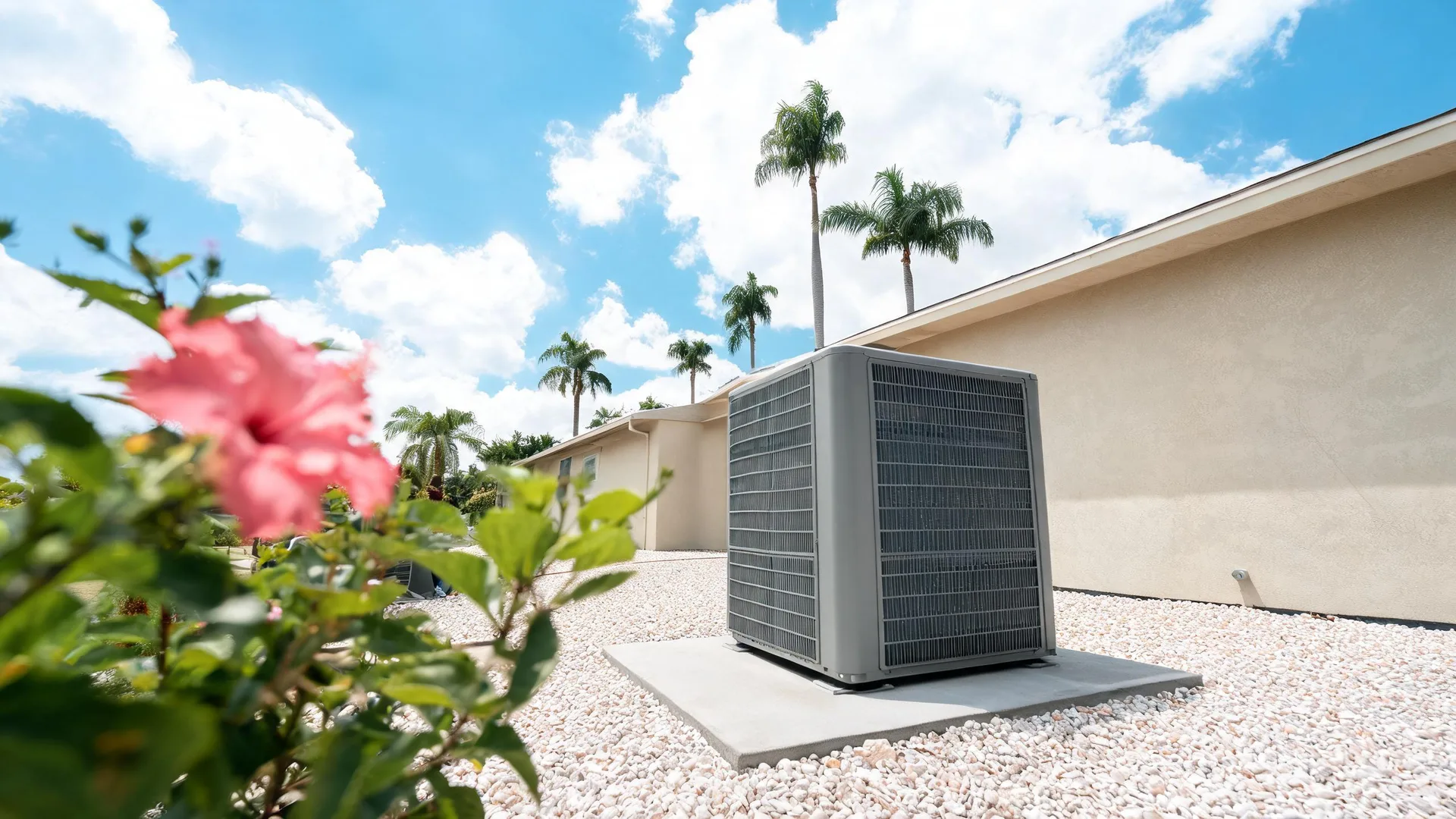
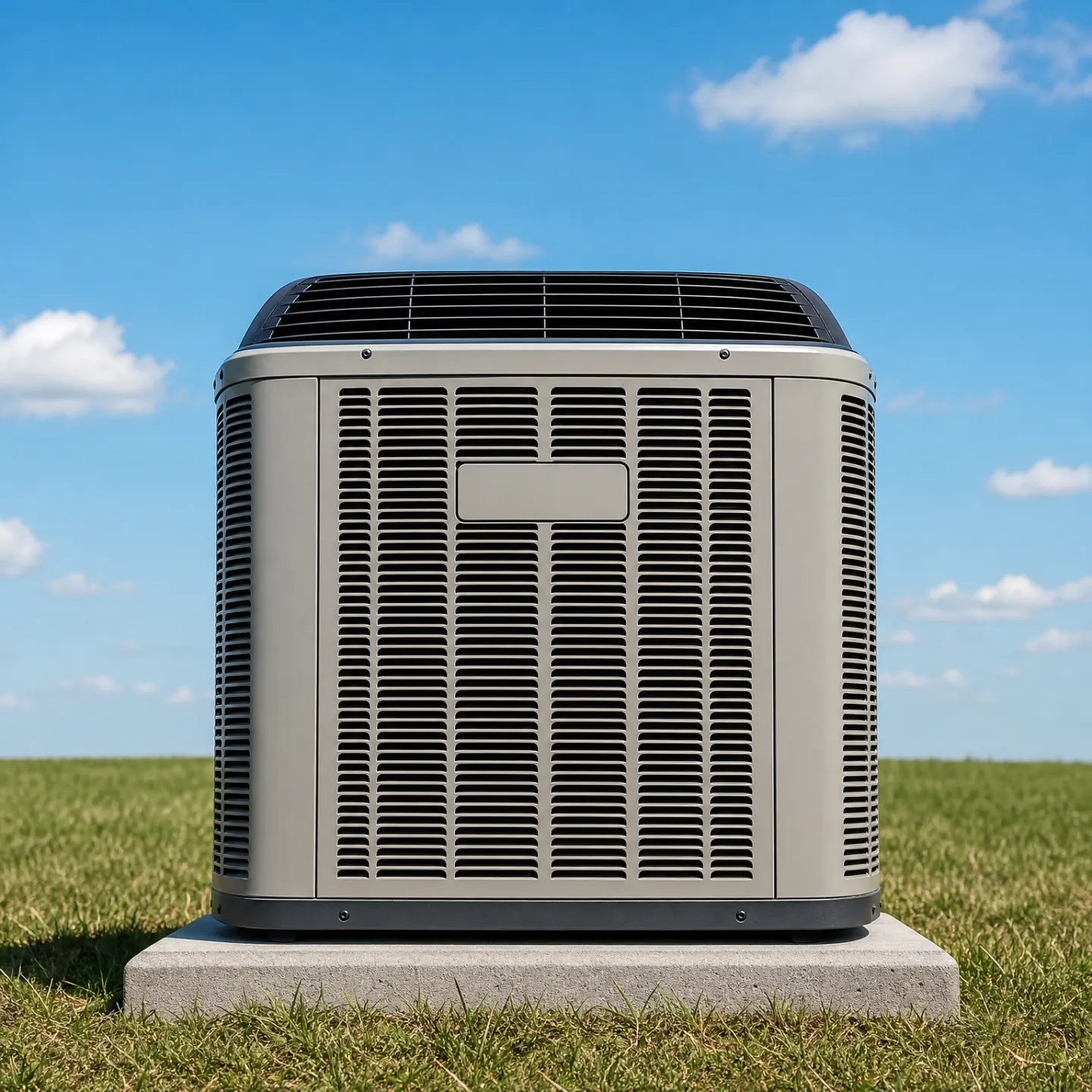
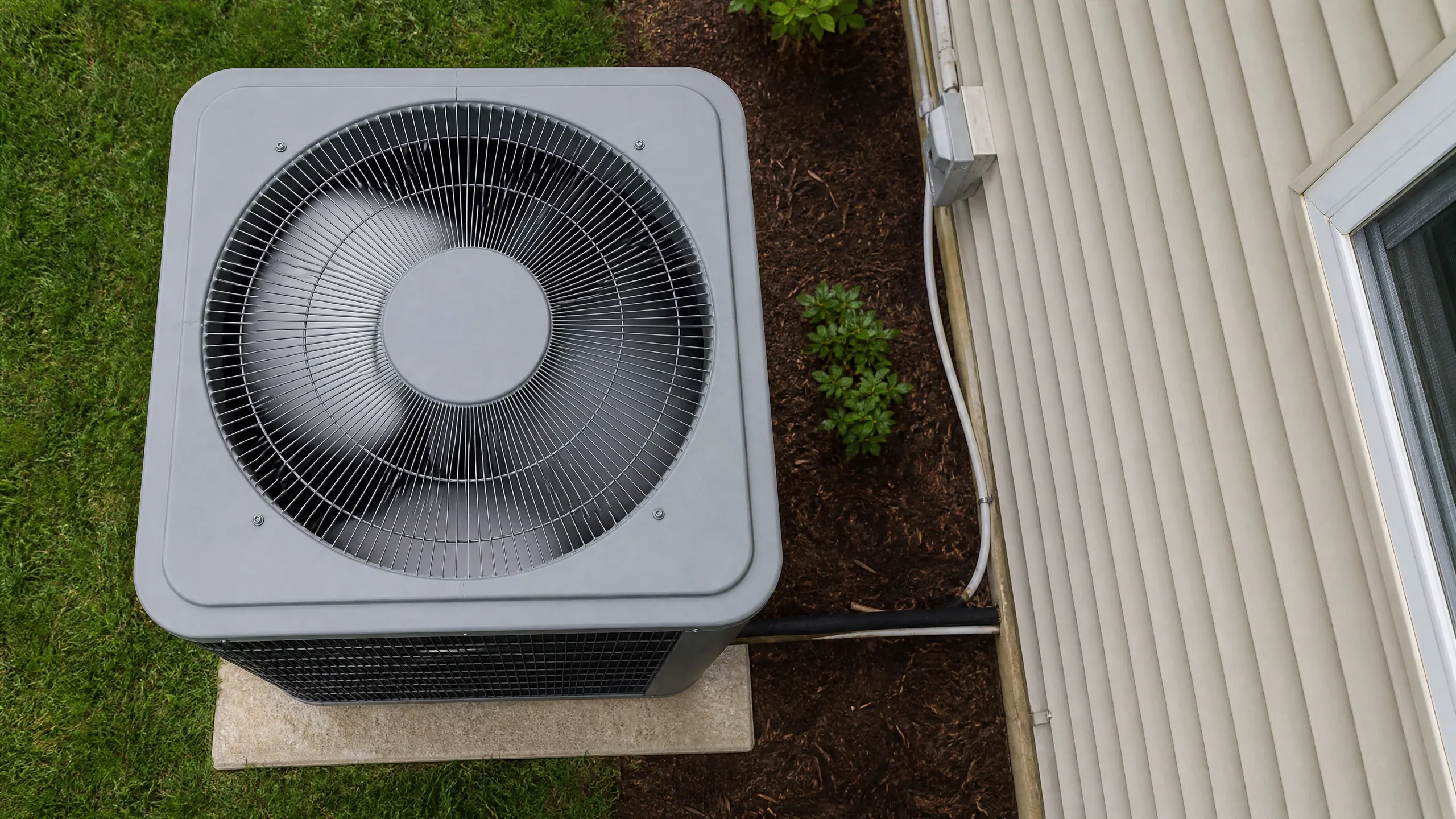
Find a contractorThe filter is the one thing that's really on you. Pull it out, hold it up to a light. If you can't see through it, swap it or clean it. A clogged filter starves the system of airflow, and that makes the coil behind it run colder than it should, which leads to ice forming right on the coil. Once that happens the system is cooling less, not more, no matter how long it runs. Outside, keep the area around the condenser clear. Leaves, grass clippings, a stray branch against the cabinet, all of that blocks the airflow it needs to dump heat. A couple feet of open space on every side is enough. You can also rinse the outdoor coil fins gently with a hose, straight on, not at an angle, just to knock off the surface dust. Don't bend the fins doing it. Inside, listen for anything new. A rattle, a hum that wasn't there, a hiss. Those are worth mentioning to a tech even if the system still seems to cool fine. What you shouldn't do is open the cabinet or touch the refrigerant lines. That's sealed equipment, and a charge that's low or high enough to matter isn't something you can see or guess at. That part is for the yearly check, not for in between.
Condensation has to go somewhere, and the drain line carries it out. Algae and dust build up inside that line over time, and when it clogs, water backs up into the pan under the coil. Some systems shut themselves off when that pan fills. Others just overflow, and that damage shows up in the ceiling or the closet around the air handler before anyone notices the drain was the problem.
Heat only leaves the house if the indoor coil can pull it out of the air passing over it. A film of dust on that coil works like a blanket, so the refrigerant inside stays cooler than the air around it instead of trading heat with it. The system runs the same amount of time and moves the same amount of air, but less of the heat actually leaves the house.
A tune-up checks the refrigerant charge, cleans the coils, tests the capacitor and tightens the electrical connections.
A tune-up is more than a quick look and a sign-off. A tech checks the refrigerant charge against what the system calls for, since a charge even a little off makes the compressor run longer to do the same job. The capacitor gets tested, not just eyeballed, because a weak one still starts the compressor most days right up until the day it doesn't. Electrical connections get checked for corrosion and tightened, since a loose connection builds heat over time. The condensate drain gets flushed so it can't back up later. Contacts and relays get inspected for pitting. None of that shows up from across the room, which is the point of having someone who knows where to look.