Texas Cooling Help
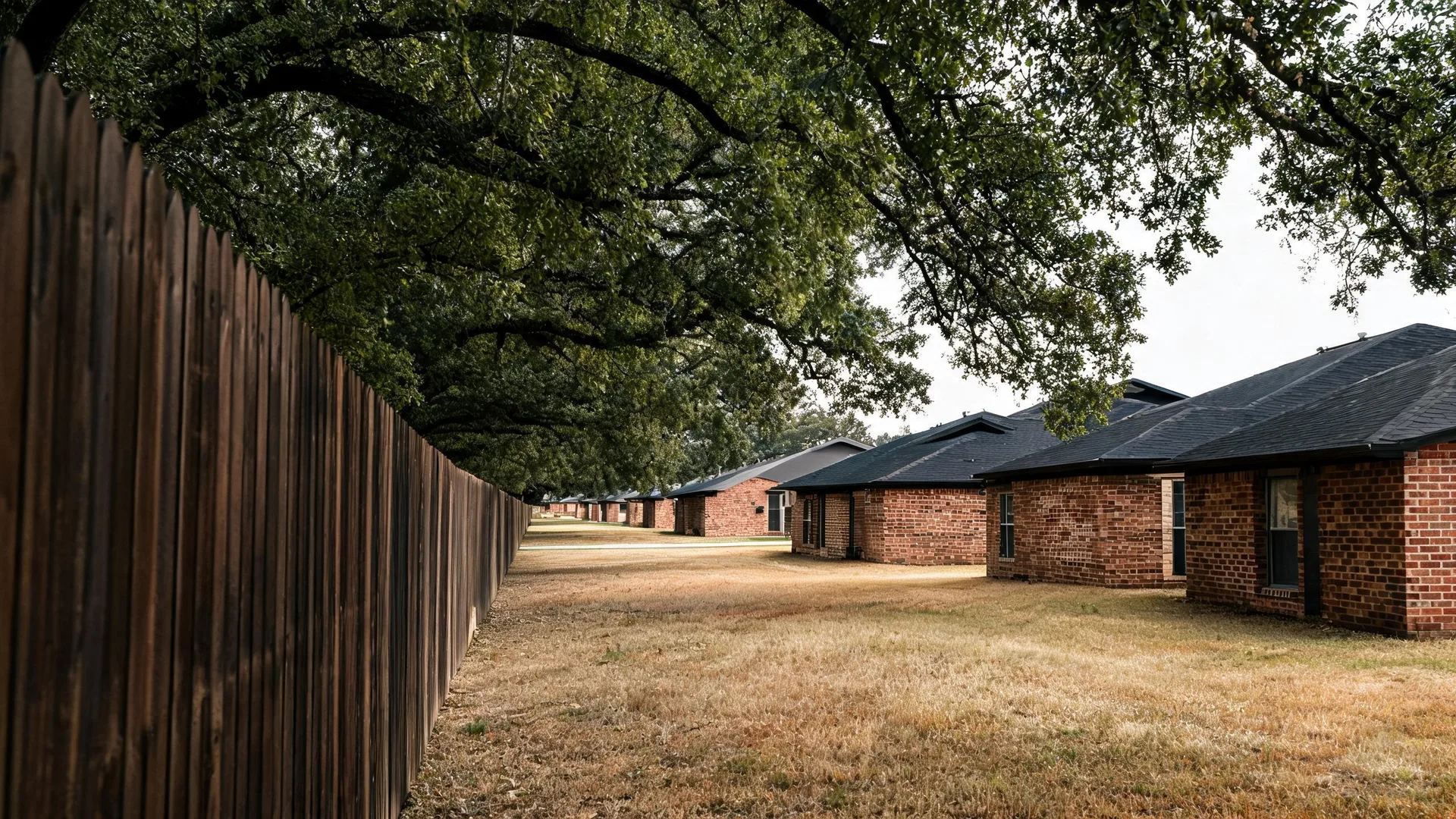
A tall wooden privacy fence runs along the left side of a dry grass lawn, with a row of single-story brick buildings with dark shingled roofs on the right and large tree branches overhead.

AC Maintenance in San Angelo, TX

Tell us about the job

Takes about a minute. No obligation.

Step 1 of 3: Equipment

The refrigerant charge is never visible from outside

A unit that looks fine and blows cool air can still be running on a low charge. The gauges catch it before the compressor takes the damage, because by the time airflow at the vents feels weak, the compressor has usually been straining for a while.

A weak capacitor won't announce itself until it quits

The capacitor that kicks the compressor and fan on can test weak long before it fails outright. A tech checks it against its rating. Catching it during a tune-up means a scheduled fix instead of a dead system on the hottest day of the month.

7 months
April through October, your air conditioner is on duty
95°F
the average summer afternoon it cools against
171 hail events
in ten years, and hail bends the fins on outdoor coils
171 wind events
in ten years, and wind drives debris into outdoor units
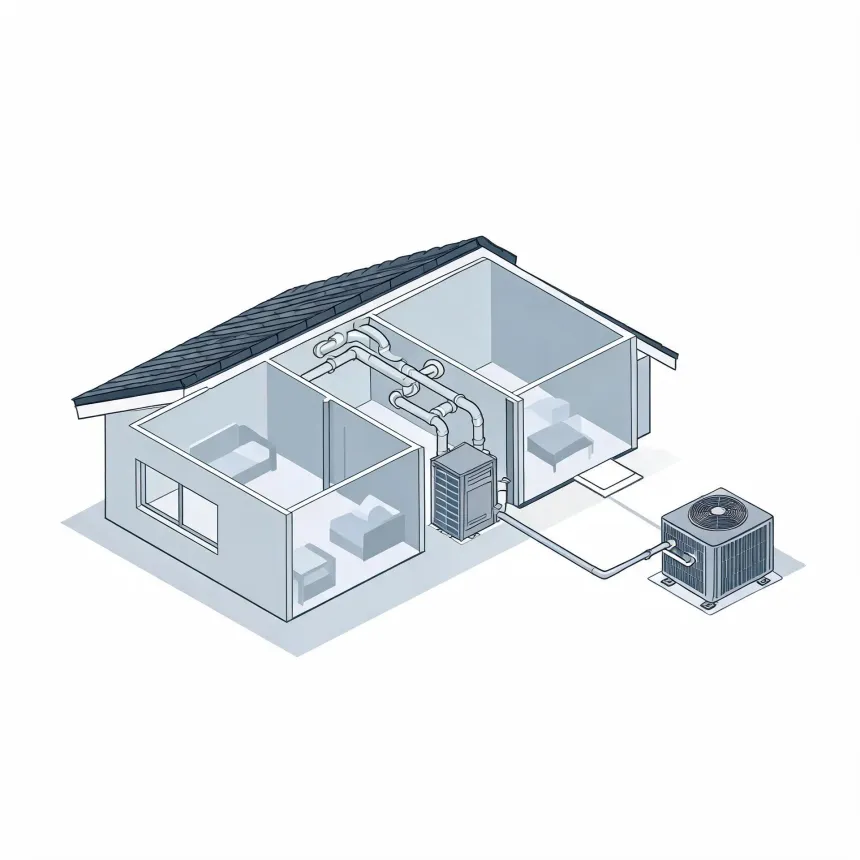
Isometric line illustration of a cutaway single-story house showing interior rooms, ductwork, an indoor air handler or furnace, and a refrigerant line running to an outdoor condenser unit on a pad.
Your air conditioner works hardest from May through September.

NOAA nClimDiv, 1991–2020 normals

A dirty filter chokes airflow before anything else in the system fails.

Coils and the drain line only stay clean if the filter upstream is doing its job.

At 95 degrees, a system that has to work this hard costs more to run when it's neglected

Power costs 14.94 cents a kWh statewide
Cooling runs April through October
Summer afternoons average 95°F

Half the homes in Tom Green County were built in 1980 or later, so a lot of the AC systems here haven't put in the years you'd see elsewhere. That's worth something, but only if the system gets looked at while it's still in good shape. A yearly check on a newer unit catches the small stuff, a capacitor testing weak, a refrigerant charge drifting low, before it turns into a bigger repair. Systems that get skipped year after year don't fail any less often just because the house is new. The age of the house buys you a head start. A yearly check is what keeps you from losing it.

A tune-up pays for itself here

A neglected system uses more power, and power costs more here. A tune-up pays for itself.

Find a contractor
A man in a dark long-sleeve shirt and tan work pants, seen from behind, carries a canvas tool bag up wooden steps toward an orange front door with a potted plant beside it.
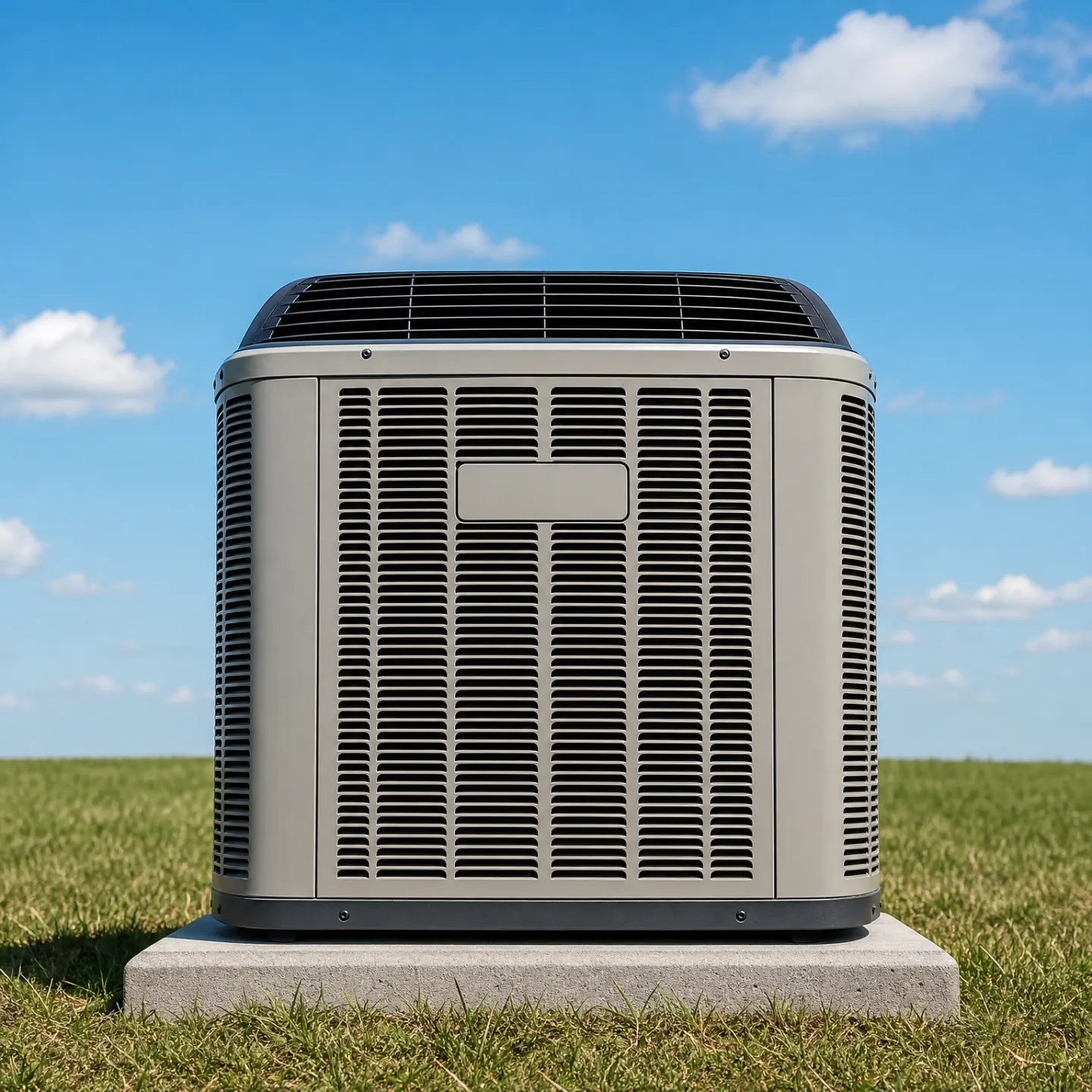
A gray residential air conditioning condenser unit mounted on a concrete pad outdoors, surrounded by green grass under a partly cloudy blue sky.

Seven months of load, afternoons near 95, and weather that doesn't let up

Seven months of cooling here, April through October, with afternoon highs averaging 95 in June, July and August. That's a long season of hard running, not a few weeks of it. The outdoor unit takes a beating too. Tom Green County has seen 171 hail events and a matching number of damaging wind events over the past decade, and that cabinet and coil sit outside through all of it. A capacitor or contactor that would hold up fine somewhere milder wears thinner here, faster. Better to find that out during a check than when the system won't start in July.

Short cycling wears the compressor down

A system that shuts off a few minutes after starting, then kicks back on again and again, is struggling with something. Could be a dirty coil, a stuck thermostat signal, low refrigerant. Every one of those starts puts load on the compressor. A tech can trace short cycling to its cause before the compressor itself takes the hit.

Warm air from the vents means something downstream failed

Air that used to feel cold and now just feels like air is a sign the system is moving air without actually cooling it. A failing compressor can do that. So can a blocked coil, or refrigerant that has dropped. Whatever it is, it did not happen overnight, and a maintenance visit catches it while the fix is still small.

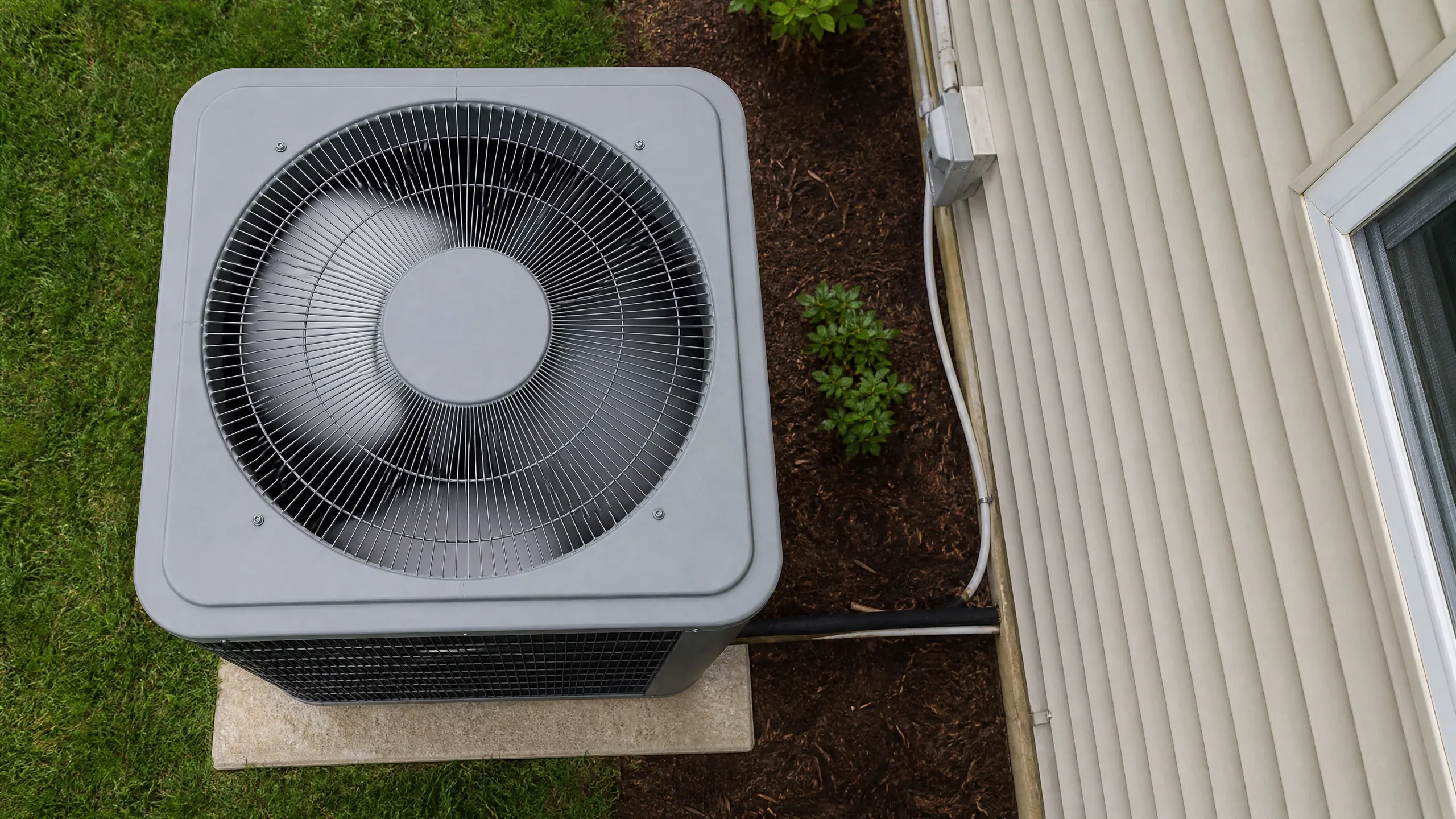
Aerial view of a gray outdoor air conditioning condenser unit mounted on a concrete pad next to a house with vinyl siding.

Book your AC tune-up in March, before homes here start needing cooling in April.

  1. Jan
  2. Feb
  3. Mar
  4. Apr
  5. May
  6. Jun
  7. Jul
  8. Aug
  9. Sep
  10. Oct
  11. Nov
  12. Dec

A tune-up checks the refrigerant charge, cleans the coils, tests the capacitor and tightens the electrical connections.

A real tune-up starts outside, with the condenser coil. Dirt and grass clippings pack into those fins and choke the airflow the system needs to dump heat, so a tech washes the coil out, not just hoses off the cabinet top. Inside, they check the suction line temperature against the pressure on the gauges, because that's what tells you the refrigerant charge is right, not just whether the air feels cold. The contactor gets a look too, since the points on it pit and burn with every start and stop over the years. Condensate drain gets flushed, because a clogged one backs up and shuts the system down on its own. Electrical connections get tightened, since a loose one runs hot and eventually fails right there at the terminal. None of this is guesswork. Every reading gets checked against what the system is supposed to be doing, not just whether it's running.