Electricity here costs more
Texas homes paid 14.94 cents per kilowatthour in 2024. A dirty coil or a low charge makes the compressor run longer to cool the same house, and every one of those extra hours gets charged at that rate.
Takes about a minute. No obligation.
Texas homes paid 14.94 cents per kilowatthour in 2024. A dirty coil or a low charge makes the compressor run longer to cool the same house, and every one of those extra hours gets charged at that rate.
A technician checking the coil, the refrigerant charge and the airflow finds the kind of wear that makes a system work harder before it shows up as a weak breeze or a warm room. Catching it there keeps the unit running the way it was built to.
NOAA nClimDiv, 1991–2020 normals
April is when cooling starts here, not when to start thinking about it.
Book the tune-up in March, before the system has to work.



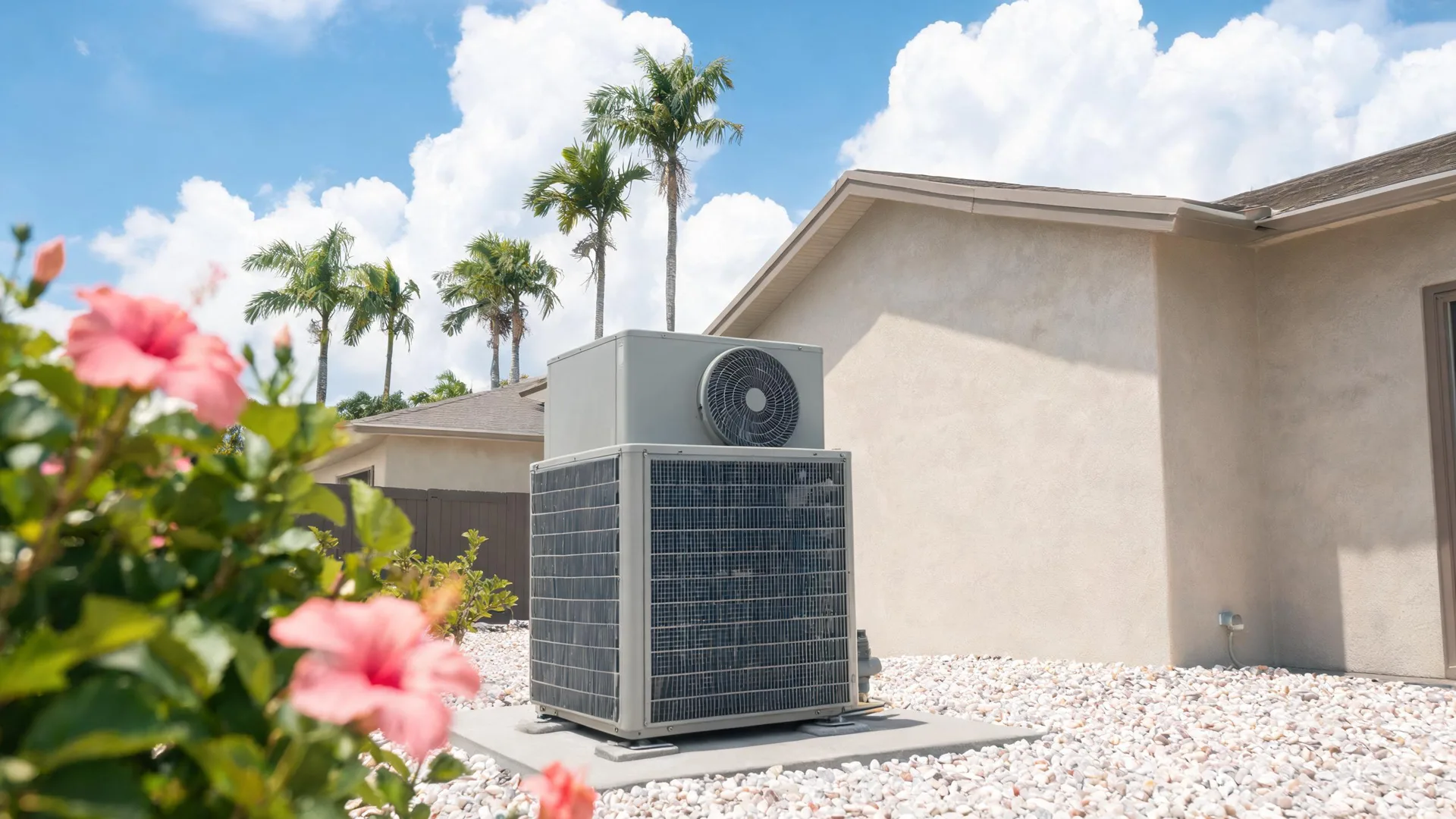
Hail hits this county 130 times between 2015 and 2024, more than any other storm type here. Outdoor AC units sit outside with no cover from that. A hailstone bends the fins on the condenser coil, and bent fins cut the airflow the unit needs to cool the house. Wind drives branches and debris into the unit too. A pre-season check is a chance to look the condenser over for that kind of damage before summer puts it to work.
Half the houses in Williamson County were built in 2006 or later. A system that age still has a lot of years ahead of it. A yearly check is what keeps it getting to those years without a compressor or coil problem cutting them short.
Find a contractorKeep the area around the outdoor unit clear. Grass clippings, leaves and mulch piled against the cabinet block the airflow the condenser coil needs, and a trimmer thrown against the fins does the same kind of damage as hail. Leave at least a couple feet of open space on every side. Inside, change the air filter on a regular schedule. A clogged filter starves the system of airflow, and that makes the evaporator coil run colder than it should until it ices over. Once it's frozen, the fix is to shut the system off and let it thaw, not to keep running it hoping for cool air. Check the condensate drain line too. If it backs up, water shows up where it shouldn't, sometimes staining a ceiling before anyone notices the pan underneath is full. Beyond that, leave the refrigerant charge, the electrical connections and the coil cleaning to a technician. Those need gauges and training to do without causing damage.
A quick tune-up gets the system cycling, checks the thermostat responds, and calls it done. That tells you the unit turns on. It doesn't tell you whether the refrigerant charge is correct or the coil is clean enough to transfer heat the way it should.
A thorough tune-up pulls the refrigerant pressures against the manufacturer's numbers, checks the temperature split across the evaporator coil, and tightens electrical connections that loosen from vibration over time. Those are the things that fail quietly, months before a homeowner notices warm air coming through the vents.
A tune-up checks the refrigerant charge, cleans the coils, tests the capacitor and tightens the electrical connections.
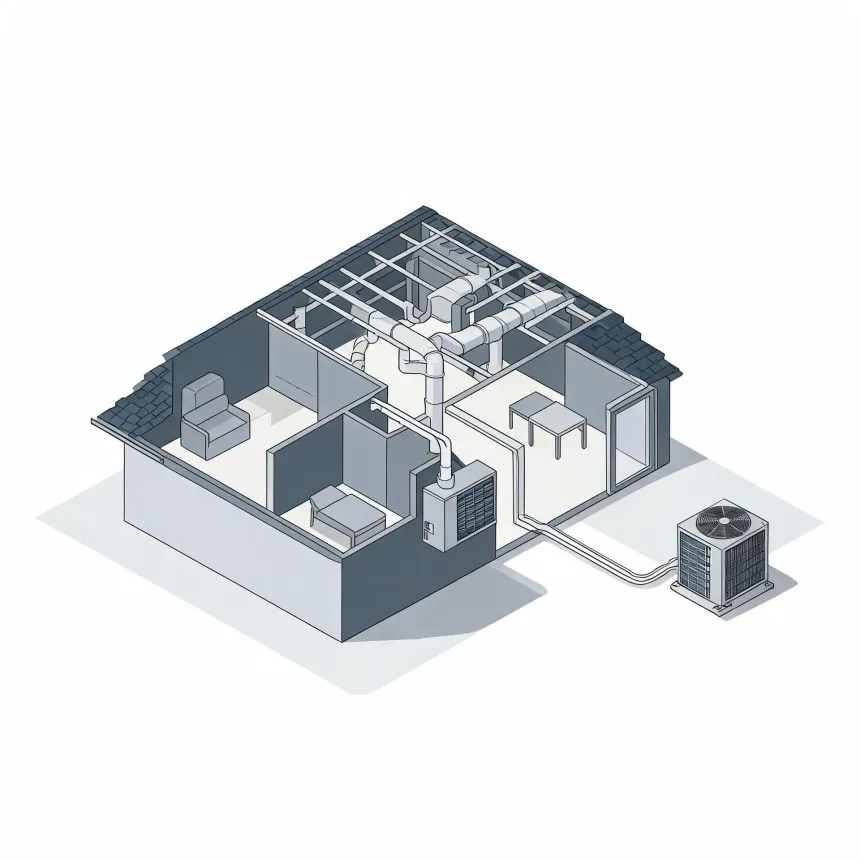
A real tune-up starts outside at the condenser. The technician cuts power to the unit first, then pulls the fan guard and checks the fan motor and blade before getting to the coil. The coil gets washed clean, not just rinsed, because dirt packed between the fins blocks airflow the same as bent fins do. Refrigerant pressures get checked against what the manufacturer specifies for that unit, not against a general rule of thumb, since the right charge depends on the equipment and the weather at the time of the test. Capacitors get tested under load, because a capacitor can read fine sitting still and still fail to start the compressor on a hot afternoon. Inside, the blower wheel gets inspected for dust buildup, and the drain line gets flushed so it can't back up later. Each of these is a separate check with its own pass or fail. Skipping any one of them doesn't shorten the tune-up, it just means something that was about to fail gets missed instead of caught.