Texas Cooling Help
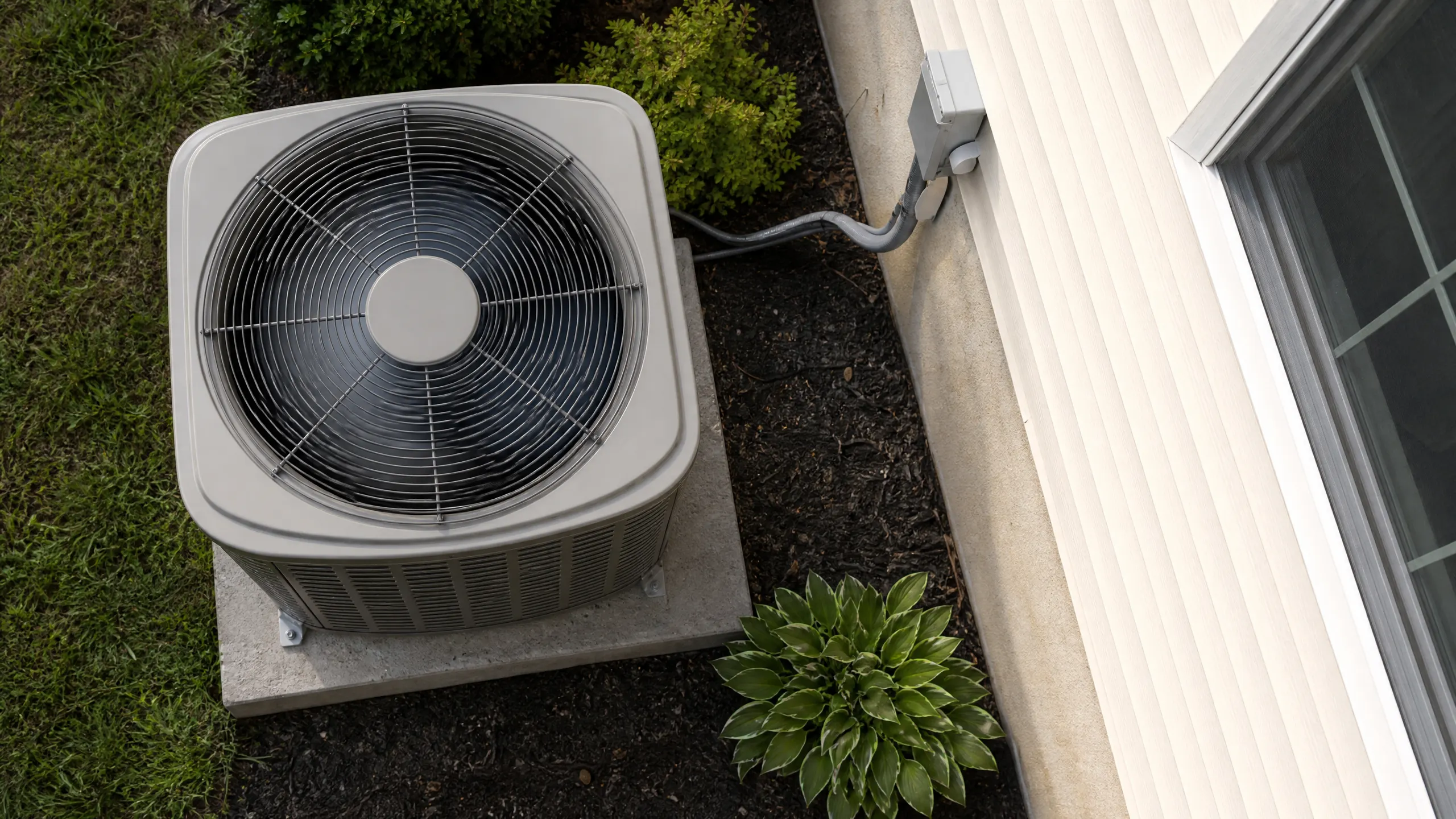
An overhead view of a residential air conditioning condenser unit mounted on a concrete pad next to a house with vinyl siding.

AC Maintenance in Rockwall, TX

Tell us about the job

Takes about a minute. No obligation.

Step 1 of 3: Equipment

Electricity here runs 14.94 cents a kilowatt-hour

Texas power costs more than in a lot of states, and your AC is the biggest draw on your meter all summer. A dirty coil or a low charge makes the compressor run longer to do the same job, and every extra minute shows up on the bill.

A strained system burns power before it fails

Your AC doesn't quit the first day something's off. It keeps cooling the house while using more electricity to do it, sometimes for months before anyone notices. That stretch of overworking is pure waste, and in Rockwall it costs more than it would most places.

6 months
May through October, your air conditioner is on duty
93°F
the average summer afternoon it cools against
30 hail events
in ten years, and hail bends the fins on outdoor coils
9 wind events
in ten years, and wind drives debris into outdoor units
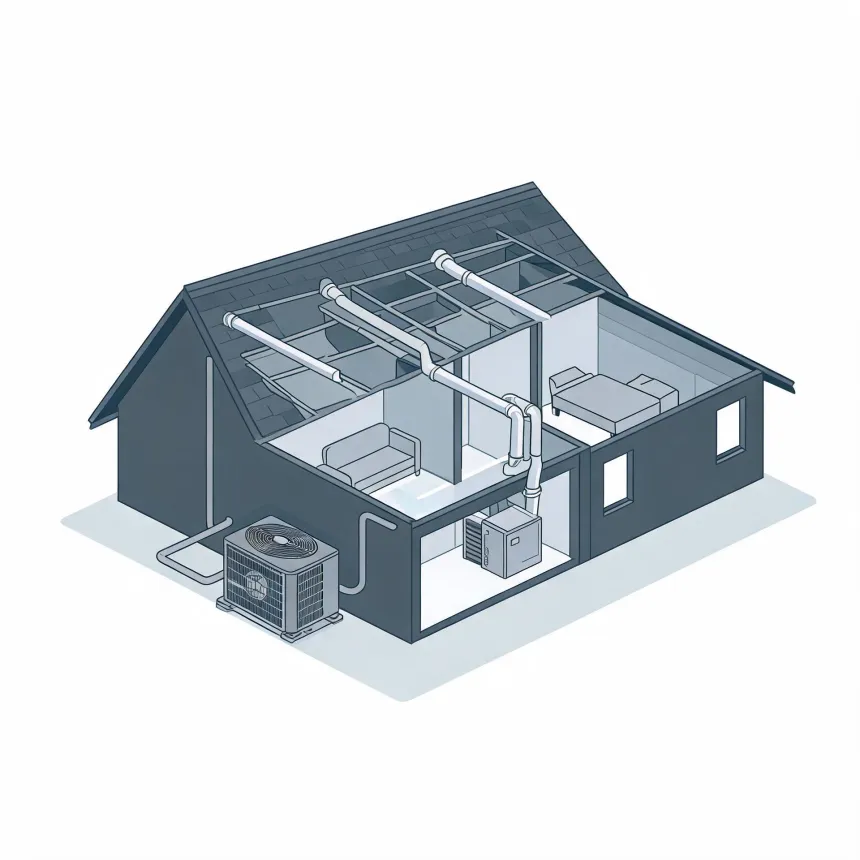
Isometric cutaway illustration of a single-story house showing interior rooms with furniture, overhead ductwork, an indoor air handler unit, and an outdoor condenser unit connected by lines at the side of the building.
Your air conditioner works hardest from June through September.

NOAA nClimDiv, 1991–2020 normals

A quick tune-up swaps the filter and checks the thermostat, nothing more.

A thorough one tests the capacitor under load, checks refrigerant charge against the manufacturer's numbers, and pulls the panel to clean the coil, because a weak capacitor or a dirty coil is what actually leaves you without cooling.

Rockwall sees enough storms to knock out power. Your AC only needs checking once a year.

48 severe weather events from 2015 to 2024
33% of homes statewide lost power a day or more in 2024
9 damaging wind events from 2015 to 2024
Six months a year of thisCooling runs May through October here, with afternoons averaging 93°F in June, July and August.

Half the homes in Rockwall County were built in 2006 or later. If yours is one of them, the system cooling it is probably well inside its working life, not near the end of it. That's worth something. A unit with years ahead of it is worth checking every year, because whatever shape it's in now is the shape it'll carry forward. Skip a few years of checkups and a small problem, a weak capacitor, a slow refrigerant leak, has time to wear on parts around it. Catch it early instead and the system keeps running the way it was built to.

Get it checked before it costs you more to run

A tune-up catches the weak capacitor or dirty coil before it drives up what you pay to cool the house. That's a cheaper visit than a summer of your compressor working harder than it should.

Find a contractor
A man in a cap, dark shirt and tan work pants walks up concrete steps toward a red front door, carrying a canvas tool bag with tools in its side pocket.
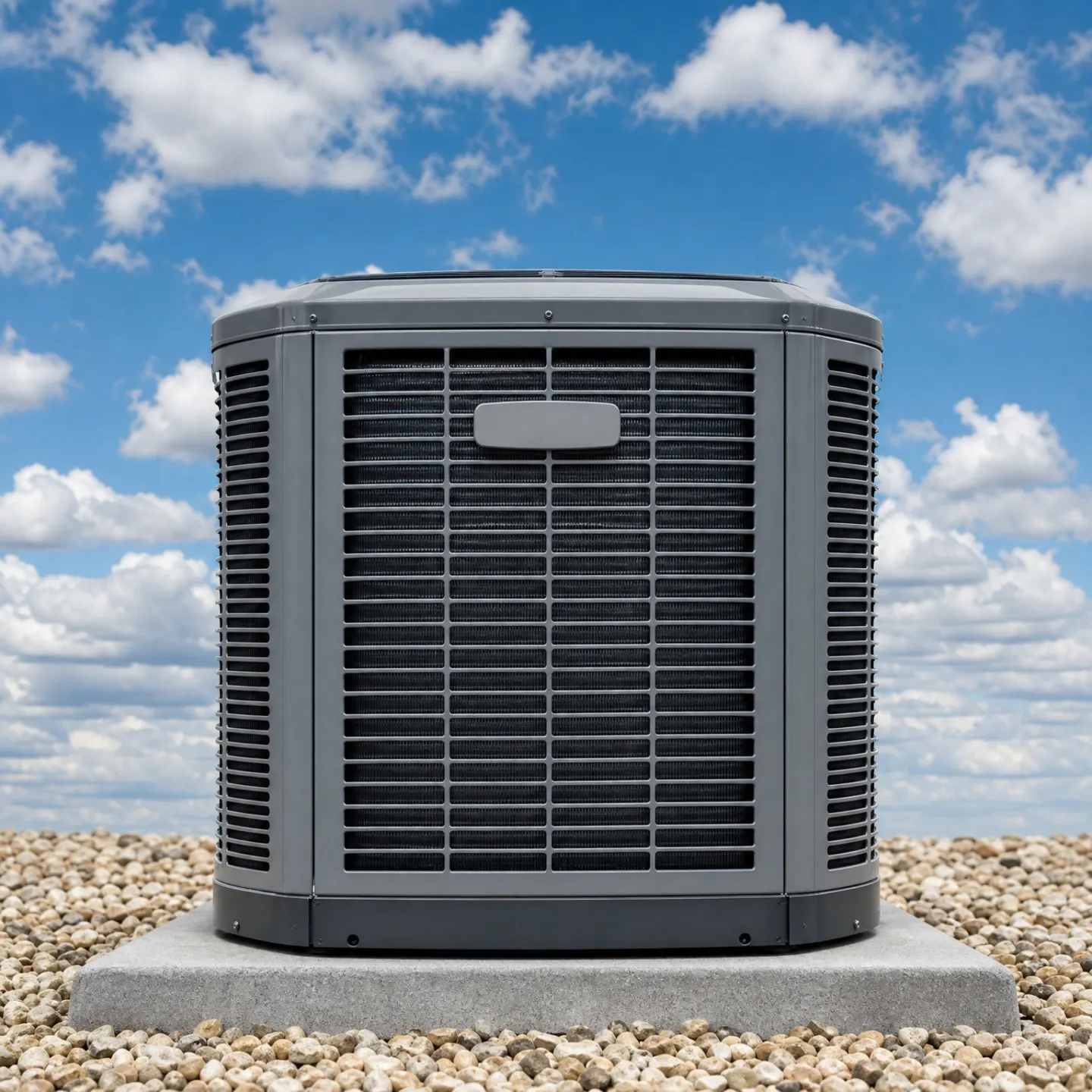
An outdoor air conditioning condenser unit mounted on a concrete pad surrounded by gravel, photographed against a partly cloudy blue sky.

Get it on a yearly schedule now

A system still well inside its working life is worth putting on a set schedule rather than waiting for something to feel off. Have it checked every spring before the heat starts. That's the one habit that keeps a newer unit running the way it did the day it was installed.

The capacitor is already failing before it quits

A capacitor gives the compressor and fan motor the push they need to start. It weakens slowly, and a weak one still starts the system most mornings. A meter tests it under load and shows the drop long before the unit fails to start at all.

The coil gets checked where you can't see it

The evaporator coil sits behind a panel, not out in the open, and dust and a fine layer of grime build up on it without any sign in the airflow at first. A tech pulls the panel to look at it directly, because by the time a dirty coil shows up as warm air at the vents, it's been losing capacity for a while.

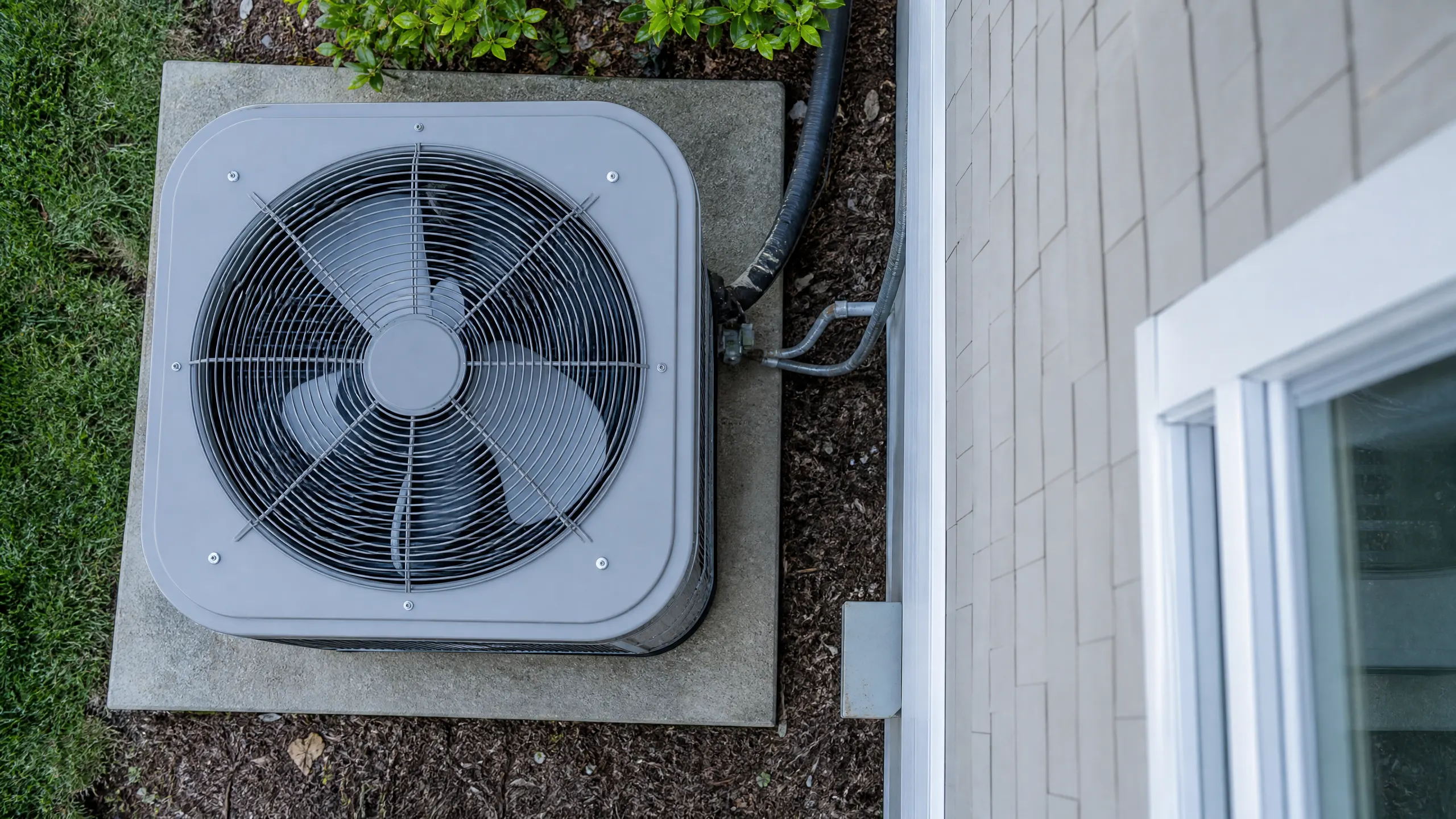
Aerial view of a residential air conditioning condenser unit mounted on a concrete pad next to a house with vinyl siding and a sliding glass door.

Book your AC tune-up in April, before homes here start needing cooling in May.

  1. Jan
  2. Feb
  3. Mar
  4. Apr
  5. May
  6. Jun
  7. Jul
  8. Aug
  9. Sep
  10. Oct
  11. Nov
  12. Dec

A tune-up checks the refrigerant charge, cleans the coils, tests the capacitor and tightens the electrical connections.

A real tune-up checks the system while it runs, not sitting idle. A tech watches the pressures, the amp draw on the compressor, the temperature drop across the coil. Anyone can look at a unit while it's off and say it looks fine. The refrigerant charge gets checked against what the manufacturer specifies for that unit, not topped off by feel. The condensate drain gets checked too, because a clogged one backs up and can shut the system down or let water sit where it shouldn't. The outdoor unit gets cleared of anything blocking airflow around the coil, since restricted airflow outside makes the compressor work harder the same way a dirty coil inside does. None of this shows up by looking at the unit from across the room. It takes pulling panels and running the system to find.