


Texas Cooling Help
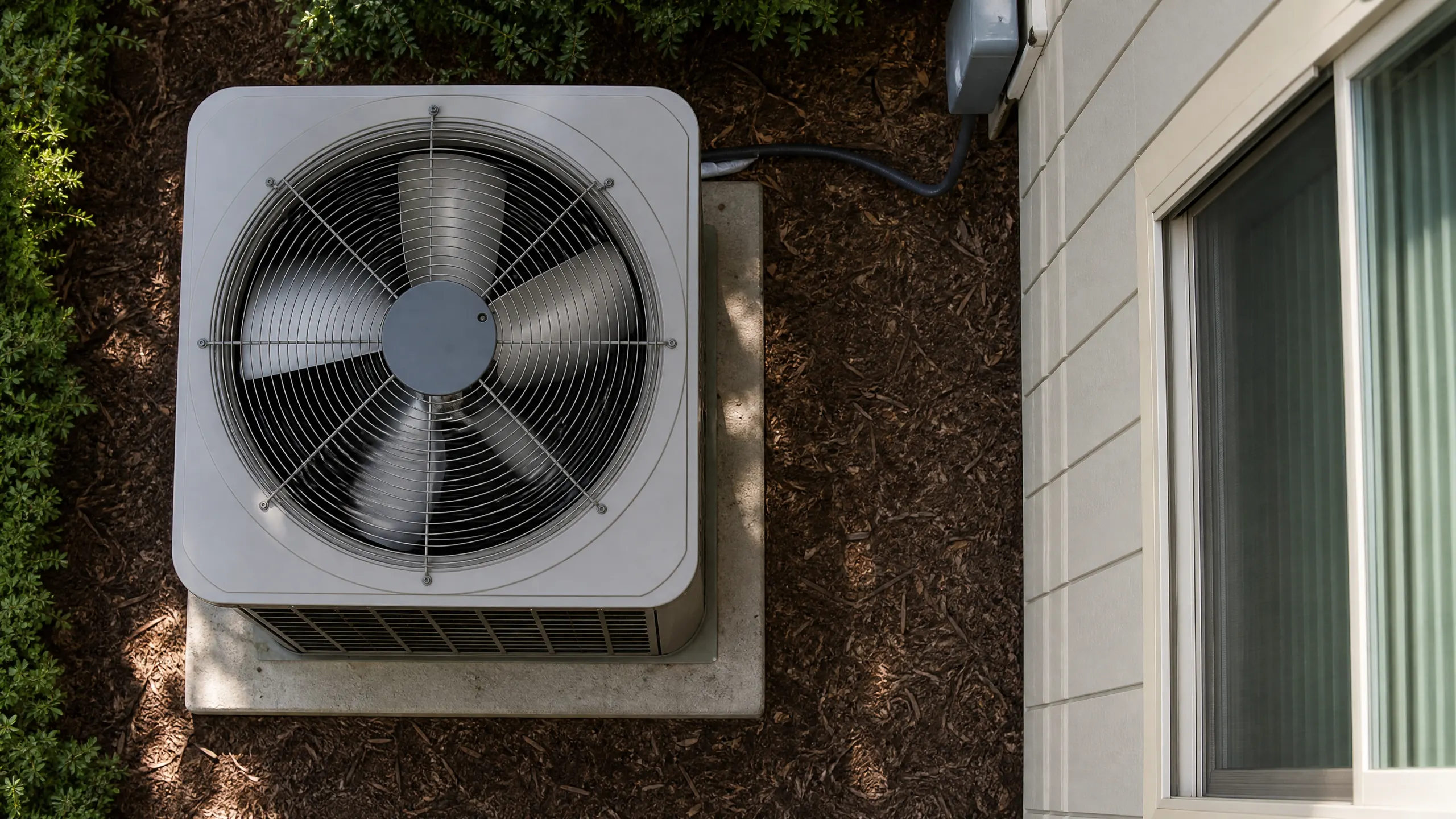
Aerial view of a square outdoor air conditioning condenser unit on a concrete pad beside a house wall with a sliding glass door.

AC Maintenance in Plano, TX

Tell us about the job

Takes about a minute. No obligation.

Step 1 of 3: Equipment

Collin County saw 283 hail events between 2015 and 2024. That outdoor unit sits outside year round, so it takes that hit directly. Hail dents the fins on the condenser coil, and wind throws branches and debris into the cabinet. A maintenance visit gets the coil checked and cleaned and the cabinet cleared out before summer load tests what storm season left behind. Worth doing before the heat sets in, not after it quits.

6 months
May through October, your air conditioner is on duty
93°F
the average summer afternoon it cools against
283 hail events
in ten years, and hail bends the fins on outdoor coils
86 wind events
in ten years, and wind drives debris into outdoor units
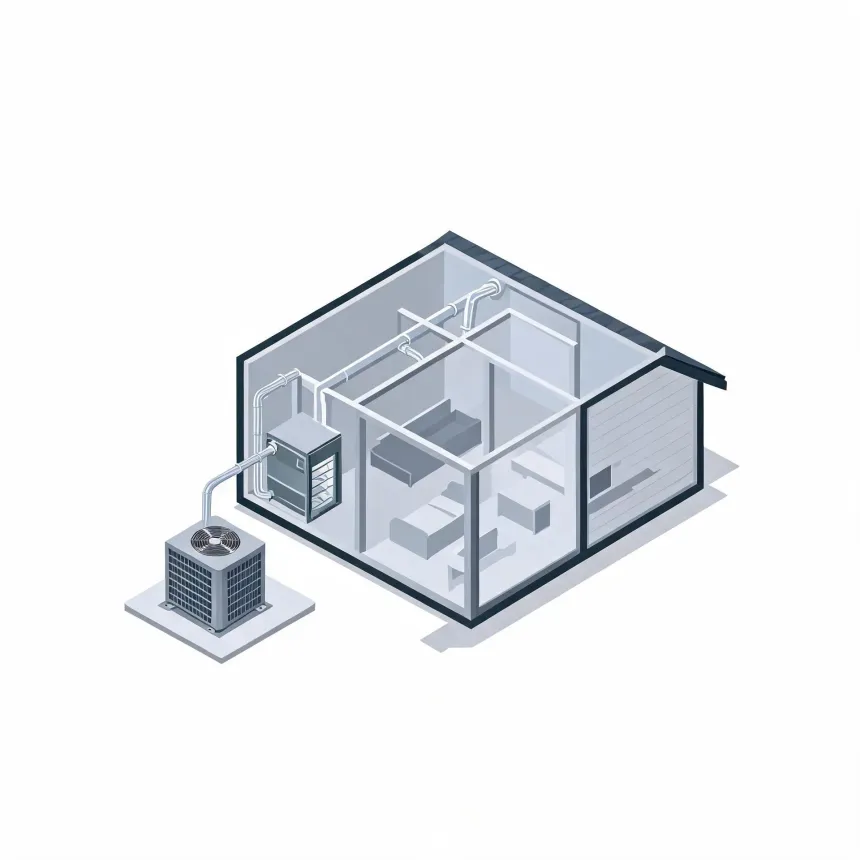
Isometric grayscale illustration of a cutaway house showing interior rooms, ductwork, an indoor air handler, and an outdoor condenser unit on a pad connected by lines.
Your air conditioner works hardest from June through September.

NOAA nClimDiv, 1991–2020 normals

May is when cooling starts here and when it runs hardest right out of the gate.

Get the check done in April, before the load hits.

A dirty coil costs more to run, and power here isn't cheap

Power costs 14.94 cents a kWh statewide
Cooling runs May through October
Summer afternoons average 93°F

Plano sits at 93 degrees most summer afternoons, June through August, and the AC runs from May into October to keep up. Six months is a long stretch for one machine to carry that kind of load without a break. A capacitor that's been weakening all spring tends to give out on the first real hot day, not before. Same with a contactor that's been arcing a little, or a blower motor bearing that's been getting louder by degrees. None of that shows up on a walk-through. It shows up on a gauge, or under a cover panel, which is why the check happens before the heat does.

Half the homes here were built in 2003 or later

Half the homes in Collin County were built in 2003 or later. A system that age still has a lot of working life left. A yearly check is what keeps it running that whole stretch instead of giving out early.

Find a contractor
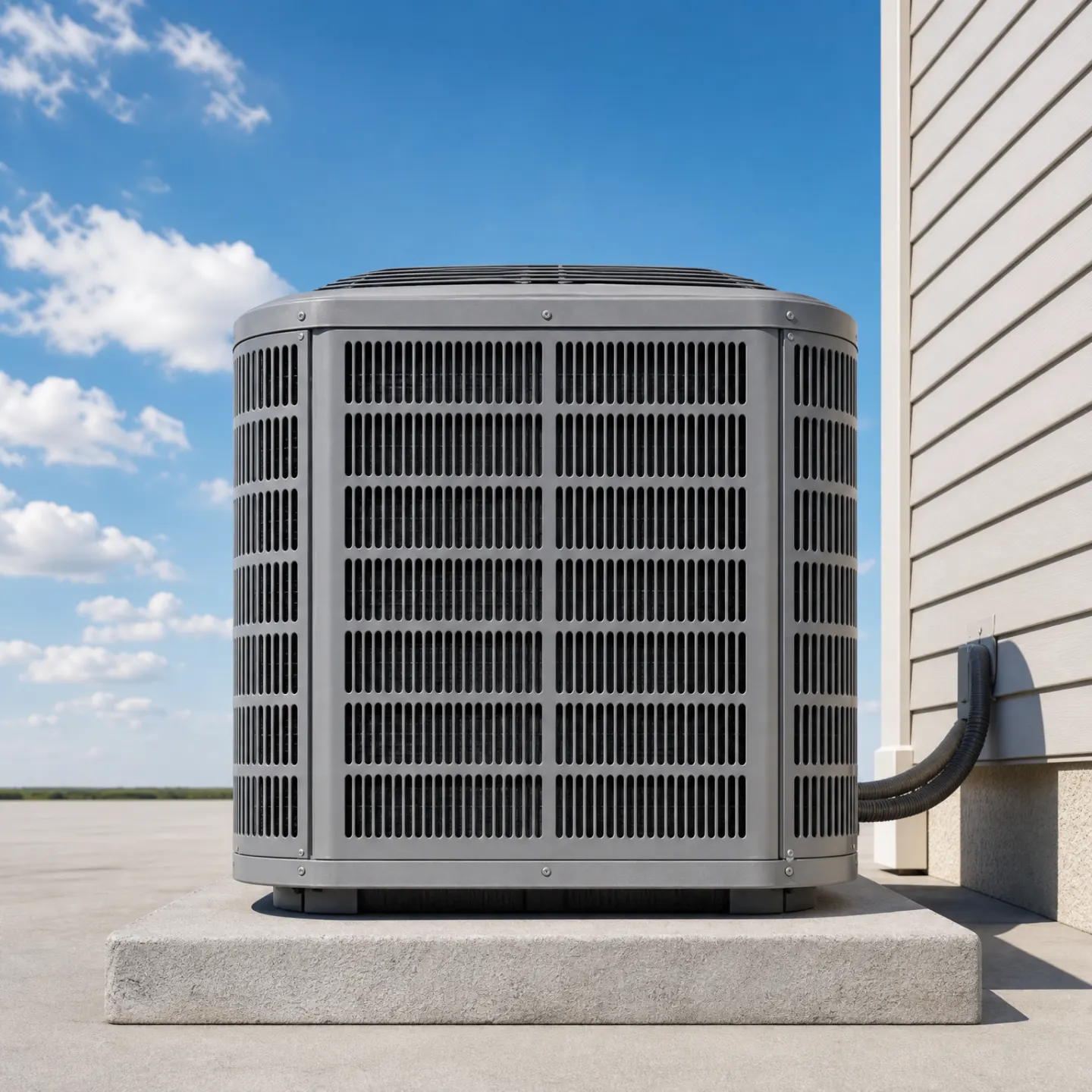
A gray cylindrical air conditioning condenser unit mounted on a concrete pad next to a light-colored vinyl-sided house exterior.

Six months of runtime finds the weak part first

Six months of running time wears parts down before the end of the season, not after. A capacitor or contactor that's been getting weaker since June won't announce itself ahead of time. It just stops, usually on one of those 93 degree afternoons when the system is working hardest. Checking it in spring catches that part while it's still failing, not after it's failed.

Refrigerant charge gets measured, not guessed

A quick visit checks that the system runs and blows cold air. A thorough one hooks up gauges and checks the refrigerant charge against what the manufacturer specifies for the outdoor temperature that day. A system can blow cold and still run on a low charge for months, wearing down the compressor the whole time.

The coil gets cleaned, not just looked at

Looking at the condenser coil tells you if it's caked with dirt. Cleaning it is a different step, and it's the one that actually lowers the head pressure the compressor has to work against. A tune-up that skips the rinse and brush leaves the coil restricted even after someone's written down that it was checked.

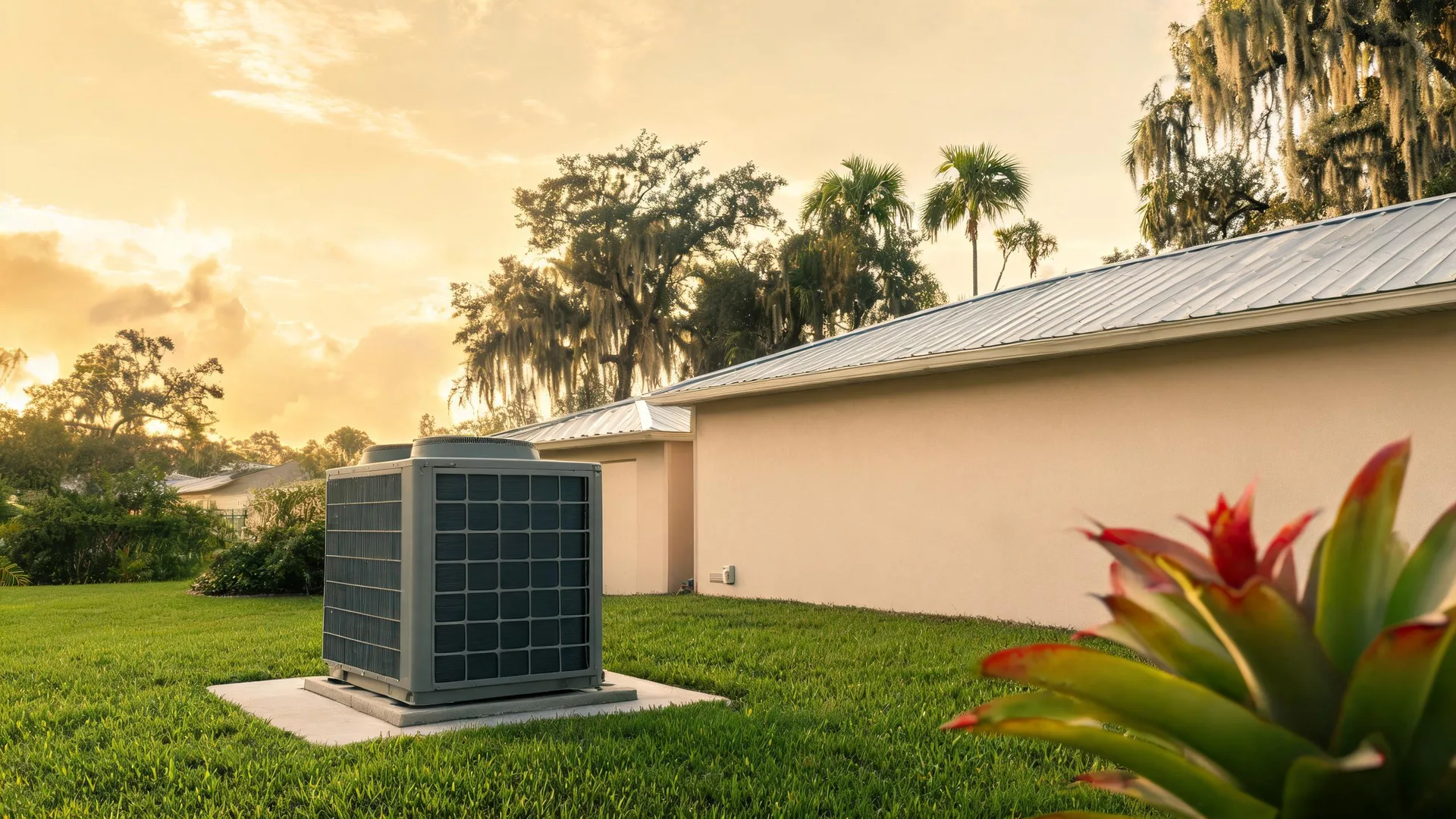
Overhead view of an outdoor AC condenser unit on a concrete pad next to a house with a dark shingle roof.

Book your AC tune-up in April, before homes here start needing cooling in May.

  1. Jan
  2. Feb
  3. Mar
  4. Apr
  5. May
  6. Jun
  7. Jul
  8. Aug
  9. Sep
  10. Oct
  11. Nov
  12. Dec

A tune-up checks the refrigerant charge, cleans the coils, tests the capacitor and tightens the electrical connections.

A real tune-up starts with the filter and works inward. Airflow gets checked across the evaporator coil, because a system can have good refrigerant and still struggle if something upstream is restricting the air. The condensate drain gets flushed, since algae and dirt build up in that line and a clogged drain backs water up into the pan or the ductwork. Electrical connections get tightened, because a loose lug heats up under load and that heat damages the wire insulation over time. The contactor gets inspected for pitting, and the capacitor gets tested under load rather than just looked at, since a capacitor can read fine sitting still and fail the moment the compressor asks it for a jolt of current. Blower wheel and motor get checked for wear and lubricated if the motor calls for it. None of this takes long when the system is healthy. It takes longer, and matters more, on a system that's been running hard without anyone looking under the cover.