


Texas Cooling Help
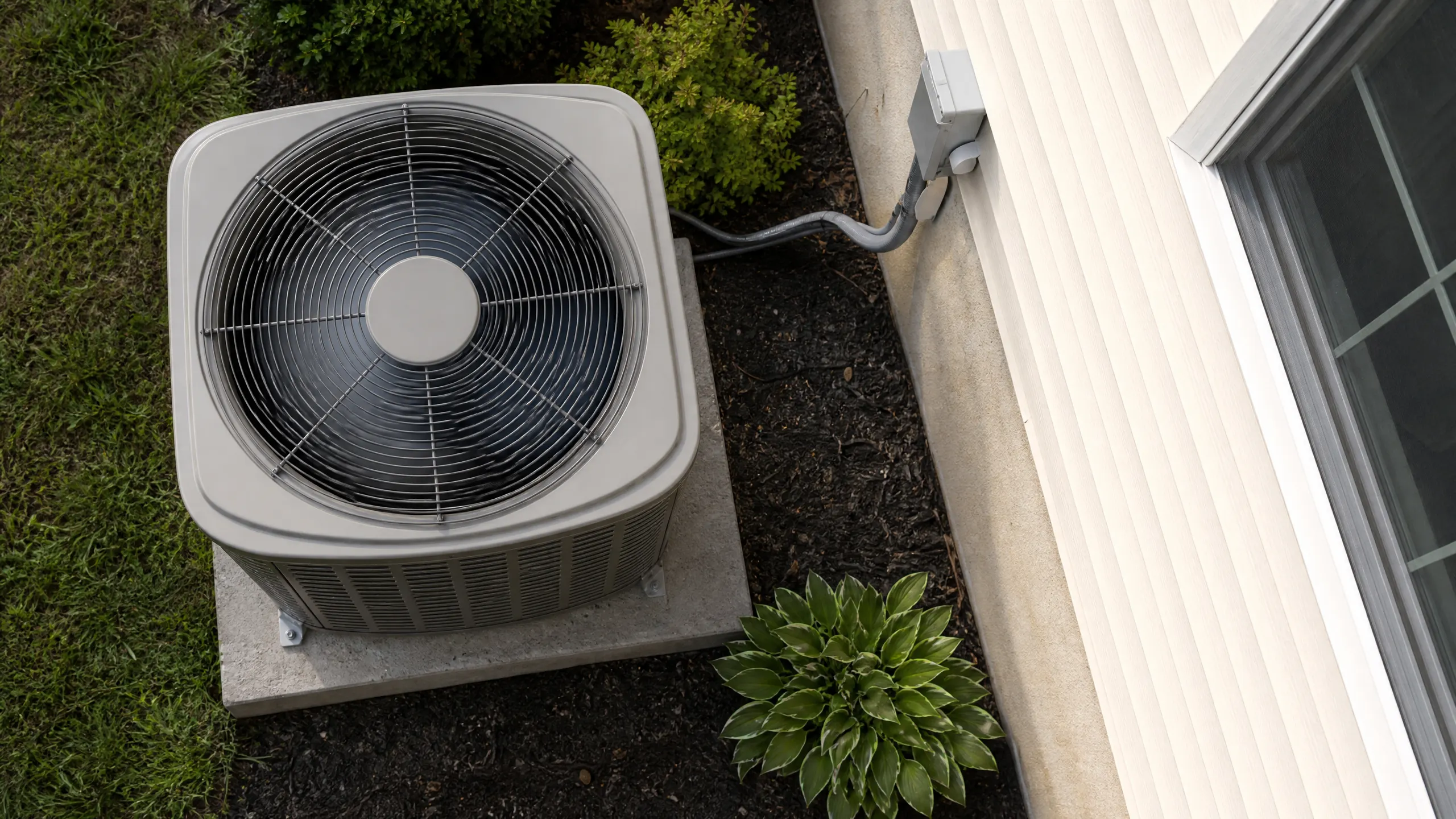
An overhead view of a residential air conditioning condenser unit mounted on a concrete pad next to a house with vinyl siding.

AC Maintenance in Pearland, TX

Tell us about the job

Takes about a minute. No obligation.

Step 1 of 3: Equipment

Electricity in Texas ran 14.94 cents per kilowatt-hour in 2024. A dirty coil or a low refrigerant charge makes the compressor work harder to do the same job, and that extra draw shows up on the meter every time the system cycles on. A unit that gets checked once a year catches that kind of drag before it settles in for the summer. Skip it, and you're paying the higher rate on wasted power all season, not just on the days it finally fails.

7 months
April through October, your air conditioner is on duty
91°F
the average summer afternoon it cools against
25 hail events
in ten years, and hail bends the fins on outdoor coils
63 wind events
in ten years, and wind drives debris into outdoor units
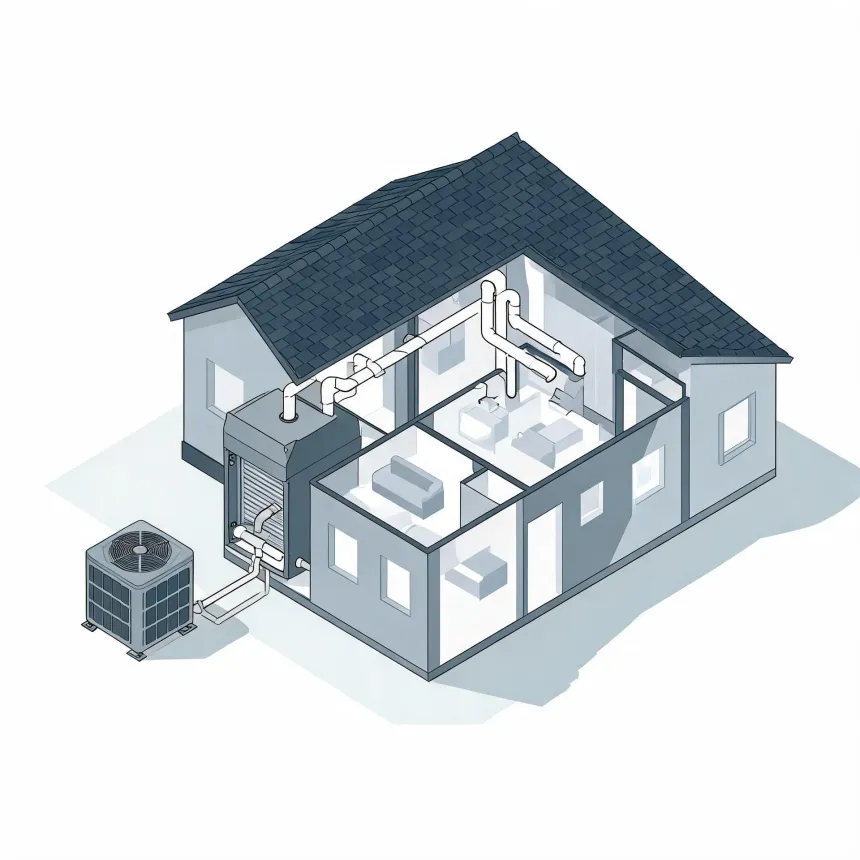
Isometric illustration of a cutaway single-story house showing interior rooms, ductwork running from an indoor air handler, and an outdoor condenser unit on a pad beside the building.
Your air conditioner works hardest from May through September.

NOAA nClimDiv, 1991–2020 normals

April is when AC in Pearland starts working for its living.

March is when a contractor can still get to it before that first hot pull.

Get the coil cleaned and the charge checked before the first 91° afternoon asks something of it

Power costs 14.94 cents a kWh statewide
Cooling runs April through October
Summer afternoons average 91°F

Seven months of cooling is a long season for any system to carry. Afternoons average 91 all through June, July and August, and the compressor runs at that load day after day, not just on the hottest week. That kind of stretch finds the weak spot first, a capacitor that's been fading or a coil that's been losing airflow slowly. Most of those show small signs before they show big ones, a longer run time, a harder cycle, a sound that wasn't there last year. A spring check catches them while they're still small.

A tune-up pays for itself here

A neglected system uses more power, and power costs more here. A tune-up pays for itself.

Find a contractor
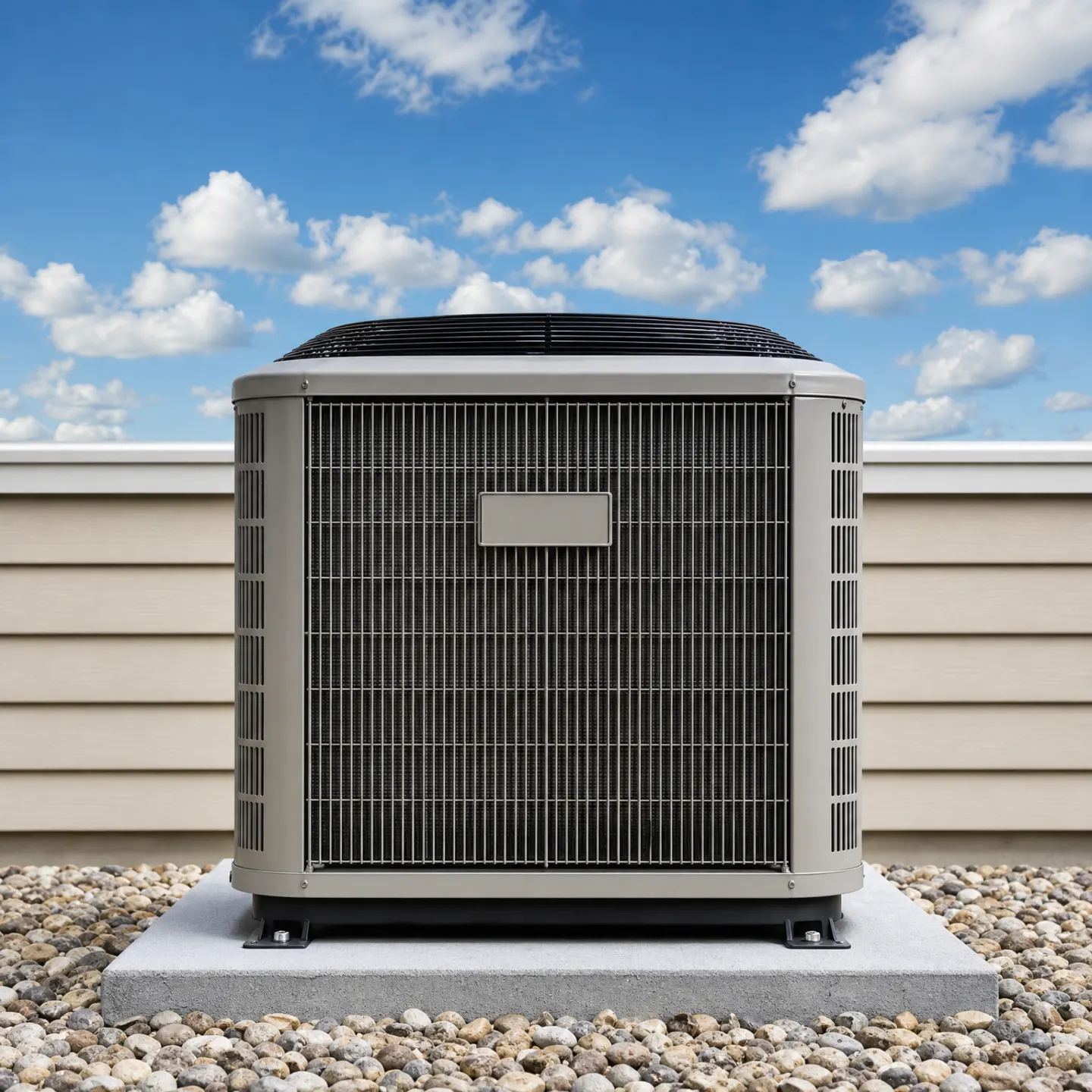
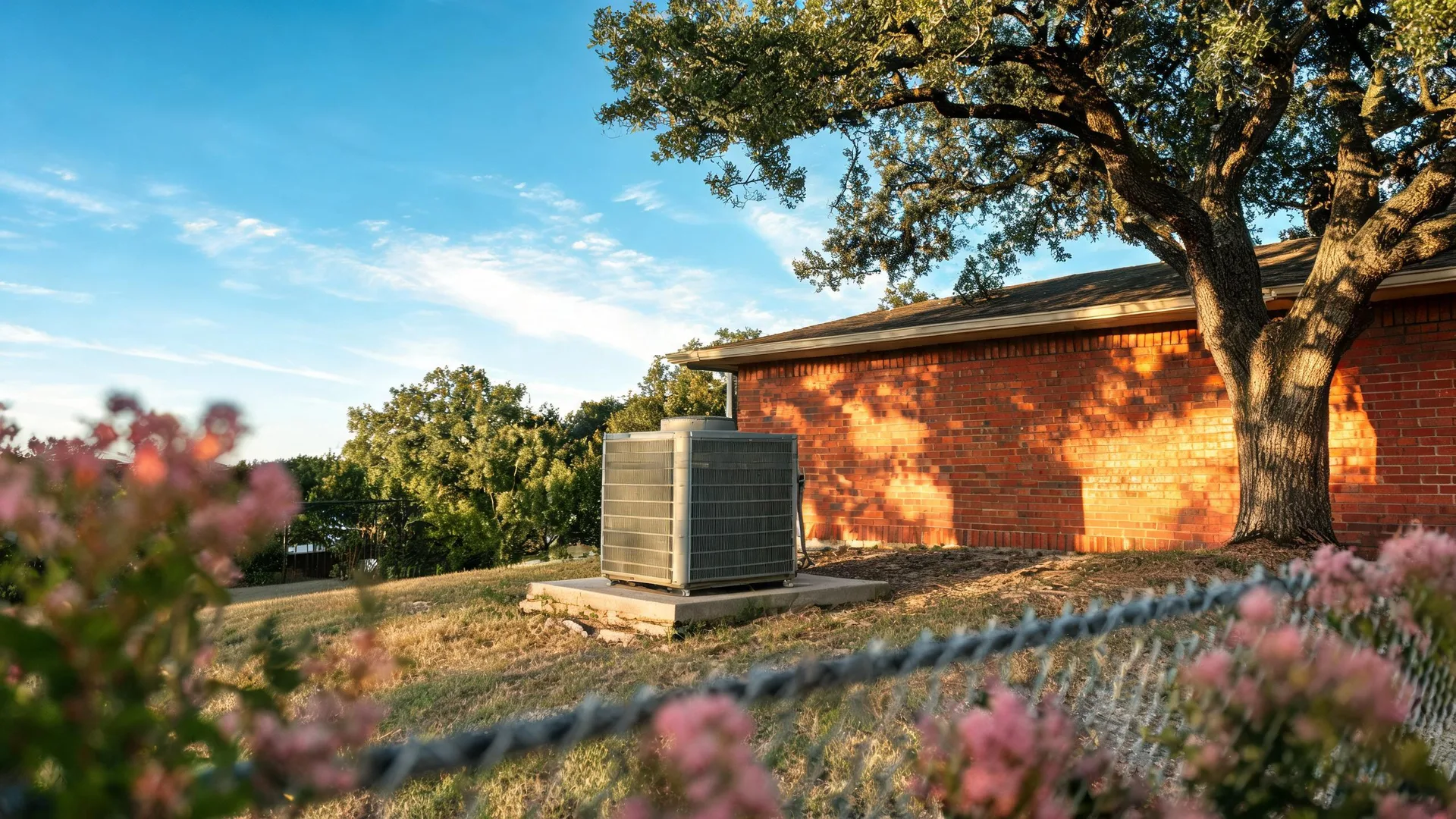
An outdoor residential air conditioning condenser unit mounted on a concrete pad, surrounded by gravel with a blue sky in the background.

A newer system still needs the yearly look

Half the homes in Brazoria County were built in 1996 or later. If yours is one of them, the system inside it has had less time to wear and less reason to be babied. A yearly check keeps it that way. Catching a weak capacitor or a dirty coil early means the unit never has to work past where it should, year after year, and that's what keeps a newer system newer longer.

What gets checked that you'd never see

A tune-up means pulling the panel and testing things no homeowner looks at. The capacitor gets checked under load, not just by whether it starts the system. Refrigerant gets measured against the charge the manufacturer specified, not just topped off. The contactor points get inspected for pitting before they burn through. None of that shows up on the thermostat.
What it means for the rest of the season

A capacitor that tests weak can still start the system every time, for a while. It just takes longer each time, and that strain adds up on the compressor underneath it. Finding it before the heat sets in means swapping a part on a slow day. Finding it after means the system won't start at all, usually on the afternoon it's working hardest.

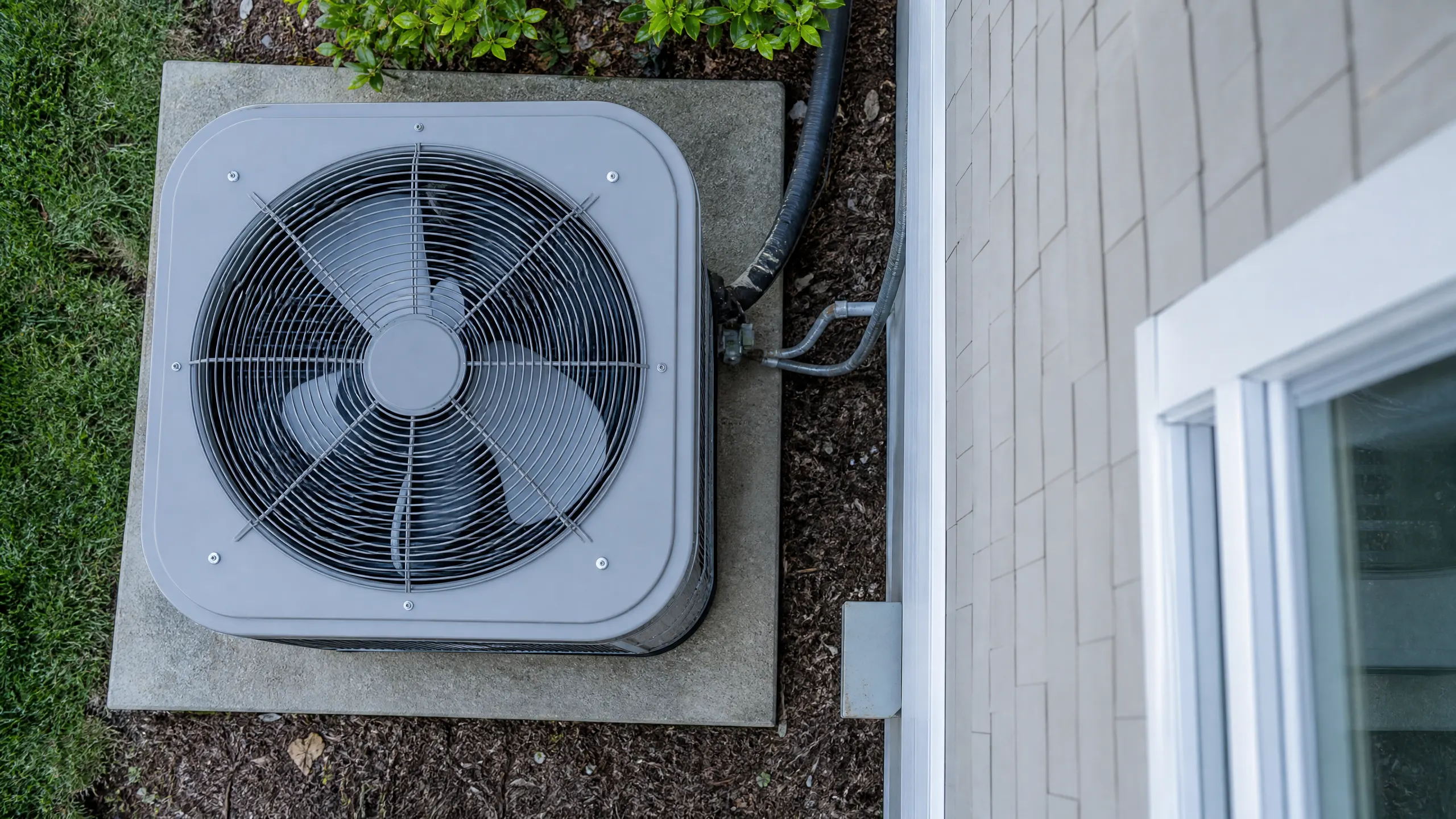
Aerial view of a residential air conditioning condenser unit mounted on a concrete pad next to a house with vinyl siding and a sliding glass door.

Book your AC tune-up in March, before homes here start needing cooling in April.

  1. Jan
  2. Feb
  3. Mar
  4. Apr
  5. May
  6. Jun
  7. Jul
  8. Aug
  9. Sep
  10. Oct
  11. Nov
  12. Dec

A tune-up checks the refrigerant charge, cleans the coils, tests the capacitor and tightens the electrical connections.

A tune-up starts outside, at the condenser. The coil gets rinsed clean of the dirt and cut grass that's packed into the fins, because a blocked coil can't shed heat and the compressor pays for that in run time. The fan motor gets checked for play in the bearing and for the shake that shows up before a bearing actually fails. Inside, the blower wheel gets looked over for the dust buildup that quietly cuts airflow across the whole system. The condensate line gets flushed too, since a clogged one backs up and shuts the system down on its own before anything else goes wrong. None of this is guesswork. It's the same checks, done the same way, whether the system just went in or has been running for years.