

Texas Cooling Help
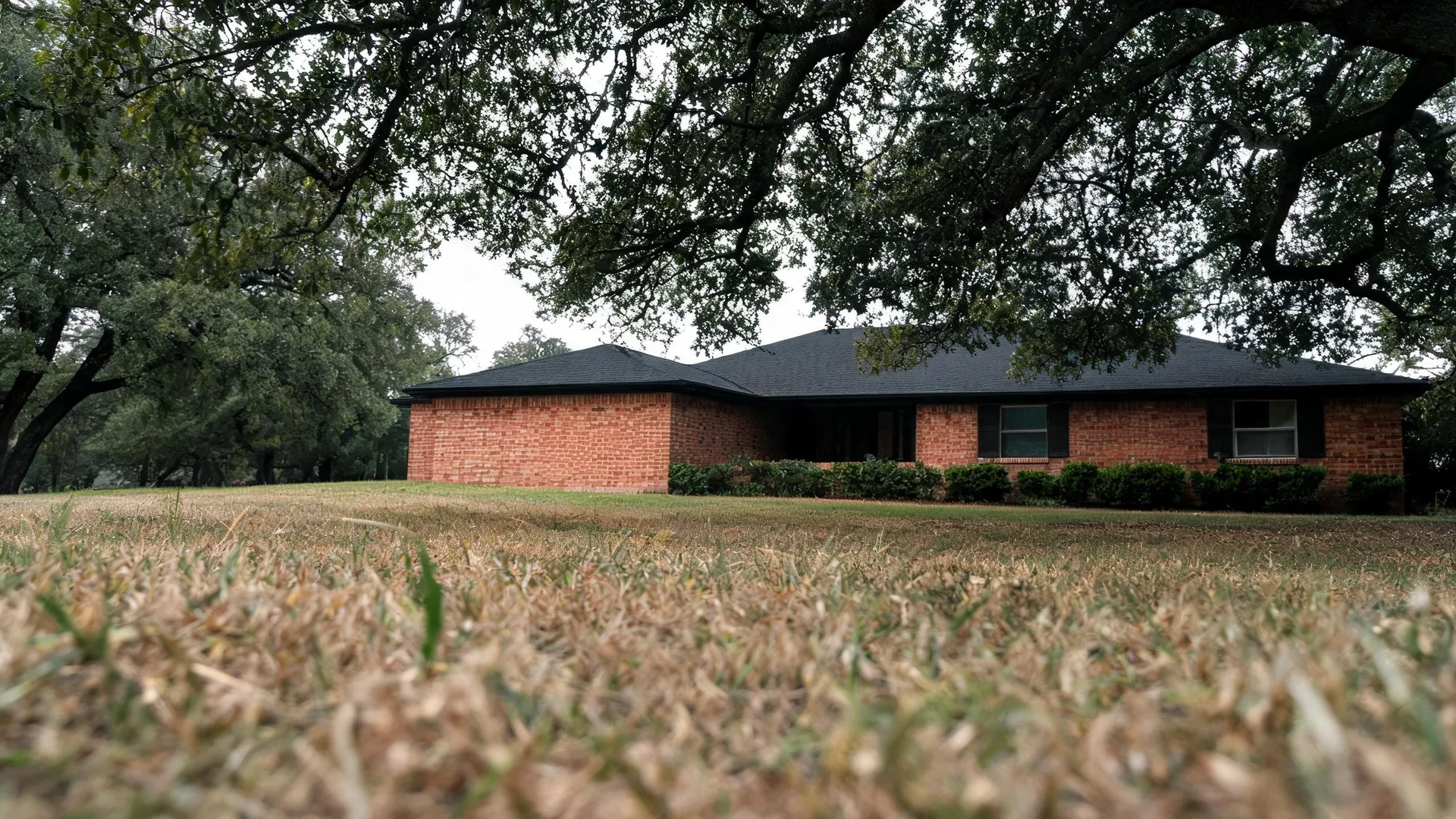
Low-angle view across a patchy brown and green lawn toward a single-story red brick house with a dark roof, framed by large overhanging oak branches under an overcast sky.

AC Maintenance in Odessa, TX

Tell us about the job

Takes about a minute. No obligation.

Step 1 of 3: Equipment

Electricity in Texas ran 14.94 cents per kilowatt-hour in 2024. That rate applies whether your air conditioner is running clean or straining to do the same job. A unit with a dirty coil or a low refrigerant charge pulls more power to put out the same cooling, and here that difference shows up fast on the bill. A tune-up catches the weak capacitor or the clogged coil before it costs you all summer. Skip it, and the system still runs. It just runs more expensively.

5 months
May through September, your air conditioner is on duty
95°F
the average summer afternoon it cools against
137 hail events
in ten years, and hail bends the fins on outdoor coils
71 wind events
in ten years, and wind drives debris into outdoor units
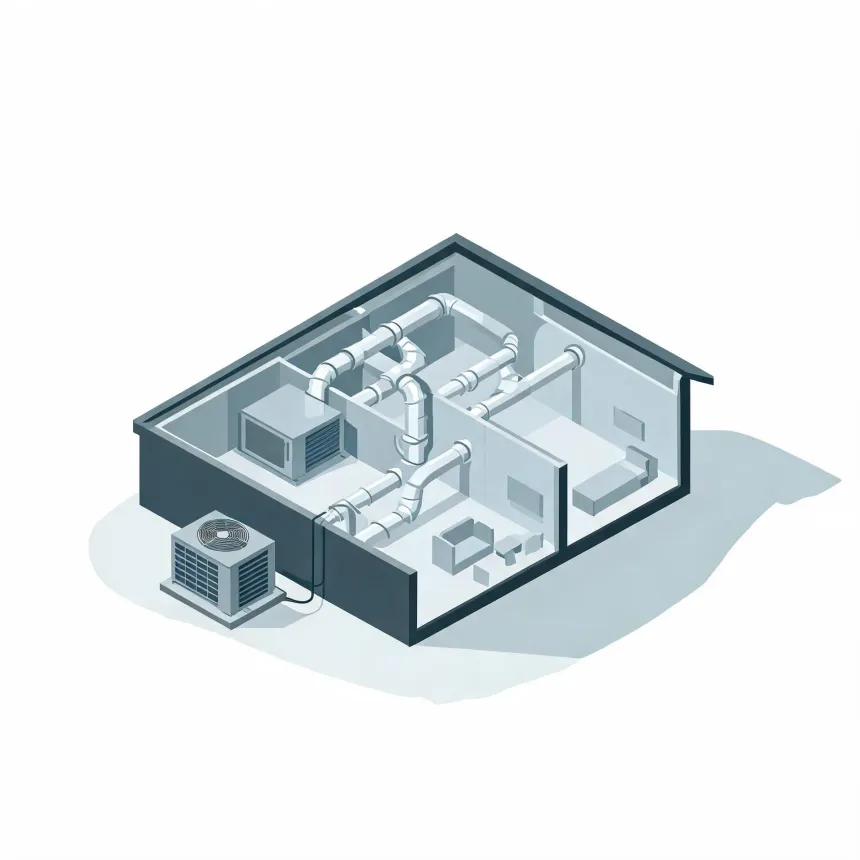
Isometric cutaway illustration of a house interior showing ducted HVAC piping, an indoor air handler unit, and an outdoor condenser with fan connected by a line, rendered in grey tones on a white background.
Your air conditioner works hardest from May through September.

NOAA nClimDiv, 1991–2020 normals

May is when cooling starts in Ector County, and it runs straight through to September.

Get the tune-up done in April, before the system has to work.

Once a year covers itHalf the homes here were built in 1984 or later. A system that age or younger still only needs one tune-up a year.

Most of these signs show up before the system quits for good. The air coming out of the vents feels warmer than it used to, even with the thermostat set the same as always. A room that used to cool down fine now lags behind the rest of the house. The outdoor unit cycles on and off more than it needs to, instead of running a steady stretch and shutting off. It takes longer to bring the house down to temperature than it did last year, and you notice the system is running most of the afternoon instead of resting between cycles. Sometimes there's a new sound, a hum from the contactor or a rattle from a fan blade that's come loose. None of these stop the house from cooling today. They're what a tune-up is supposed to catch before the day that it does.

A clean system costs less to run

Get the tune-up scheduled before the season gets going. It's the cheapest way to keep Texas's 14.94 cents per kilowatt-hour from adding up on a unit working harder than it should.

Find a contractor
A man in a cap, dark shirt and tan work pants, seen from behind, carries a worn canvas tool bag up porch steps toward an orange front door, with a potted shrub beside the entry.
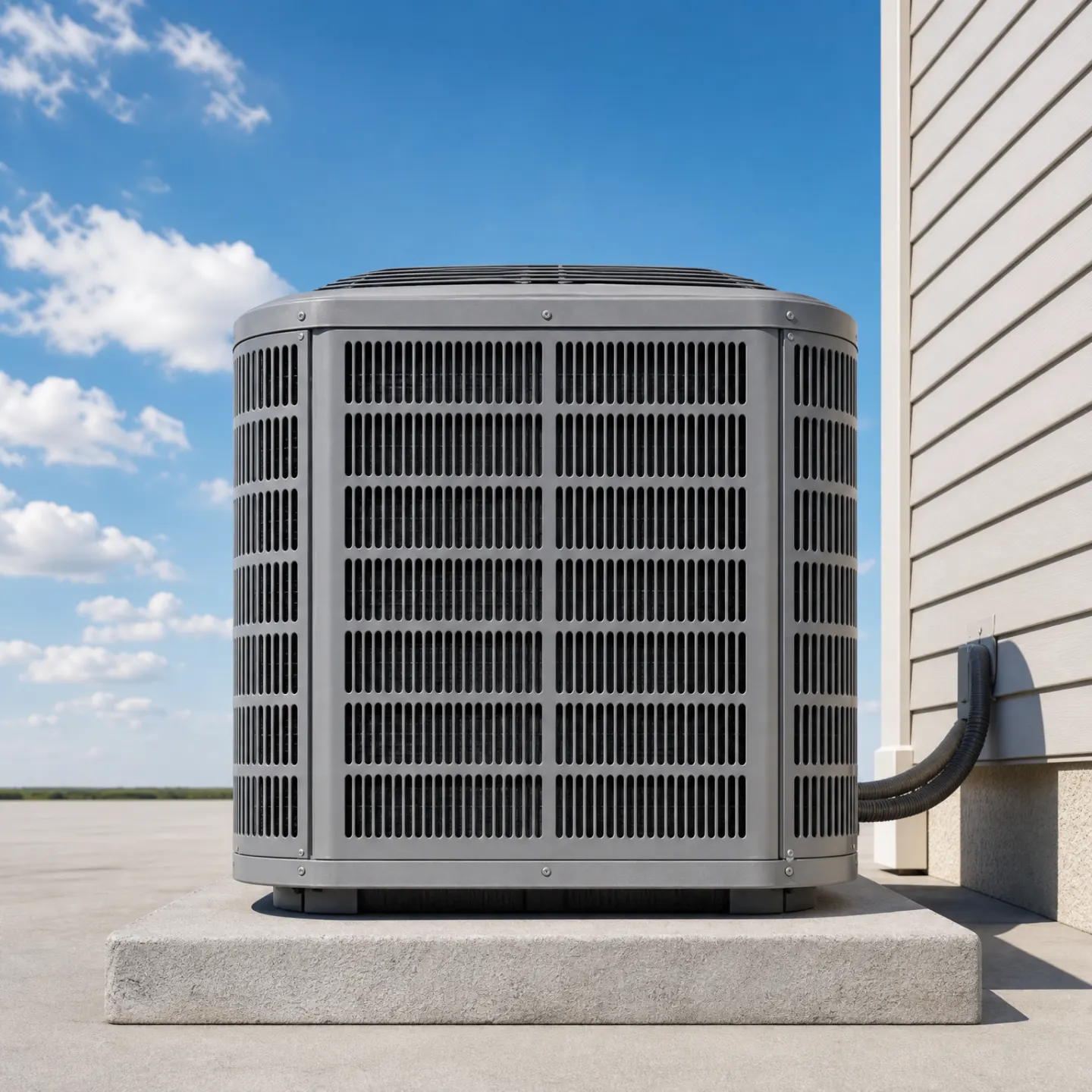
A gray cylindrical air conditioning condenser unit mounted on a concrete pad next to a light-colored vinyl-sided house exterior.

The season doesn't wait for a slow start

Five months of running flat out, with afternoon highs near 95°F for most of that stretch, doesn't leave much slack for a weak part to coast along unnoticed. Get the tune-up on the calendar before May, while there's still time to catch what's wearing thin.

What the filter protects

A dirty filter chokes off airflow across the indoor coil, and a starved coil can ice over even when the house is hot. Once ice builds up, the system stops pulling heat out of the air at all. The filter is the easiest part to check and the easiest one to forget.

What the coil and drain need

The outdoor coil has to shed heat to the air outside, and fins packed with dirt or debris make it work harder to do that. The drain line carries away the water the indoor coil pulls from the air, and when that line clogs, water backs up into the pan and some systems shut themselves down rather than let it overflow.

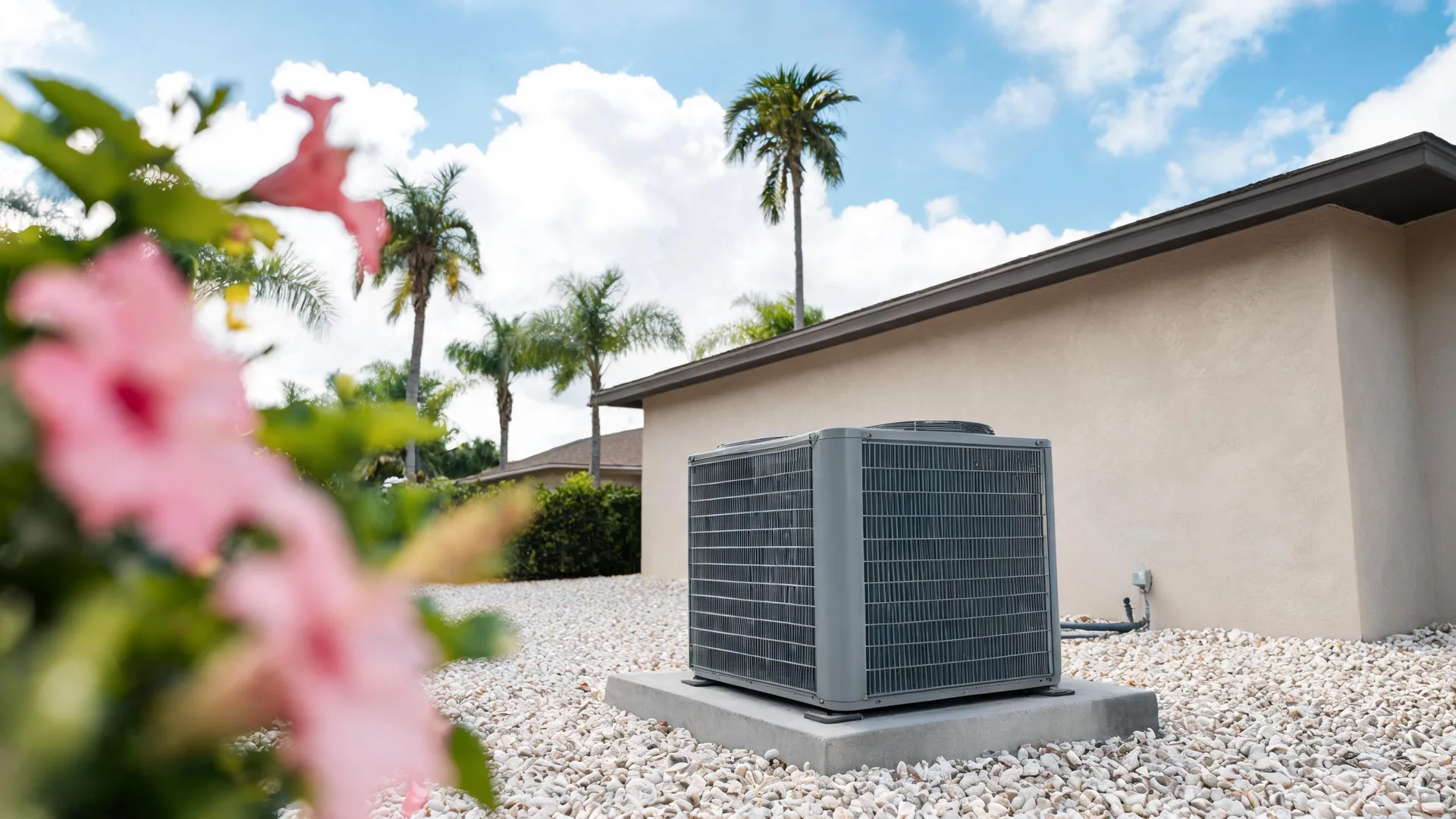
An outdoor air conditioning condenser unit mounted on a concrete pad next to a blue-sided residential house at sunset.

Book your AC tune-up in April, before homes here start needing cooling in May.

  1. Jan
  2. Feb
  3. Mar
  4. Apr
  5. May
  6. Jun
  7. Jul
  8. Aug
  9. Sep
  10. Oct
  11. Nov
  12. Dec

A tune-up checks the refrigerant charge, cleans the coils, tests the capacitor and tightens the electrical connections.

A real tune-up starts with the technician actually reading the system, not just looking at it. That means checking refrigerant charge against the manufacturer's spec, not just confirming the lines are cold. It means measuring static pressure in the ducts, so airflow across the coil is actually verified instead of assumed. The capacitor and contactor get tested under load, since a capacitor can read fine sitting still and still fail the moment the compressor draws on it. The condenser coil gets washed, not wiped, because packed-in dirt between the fins doesn't come off with a rag. The condensate line gets flushed clear. Electrical connections get tightened, since a loose one generates heat right at the lug. Anything less than that is a filter change with a invoice attached.