Texas Cooling Help
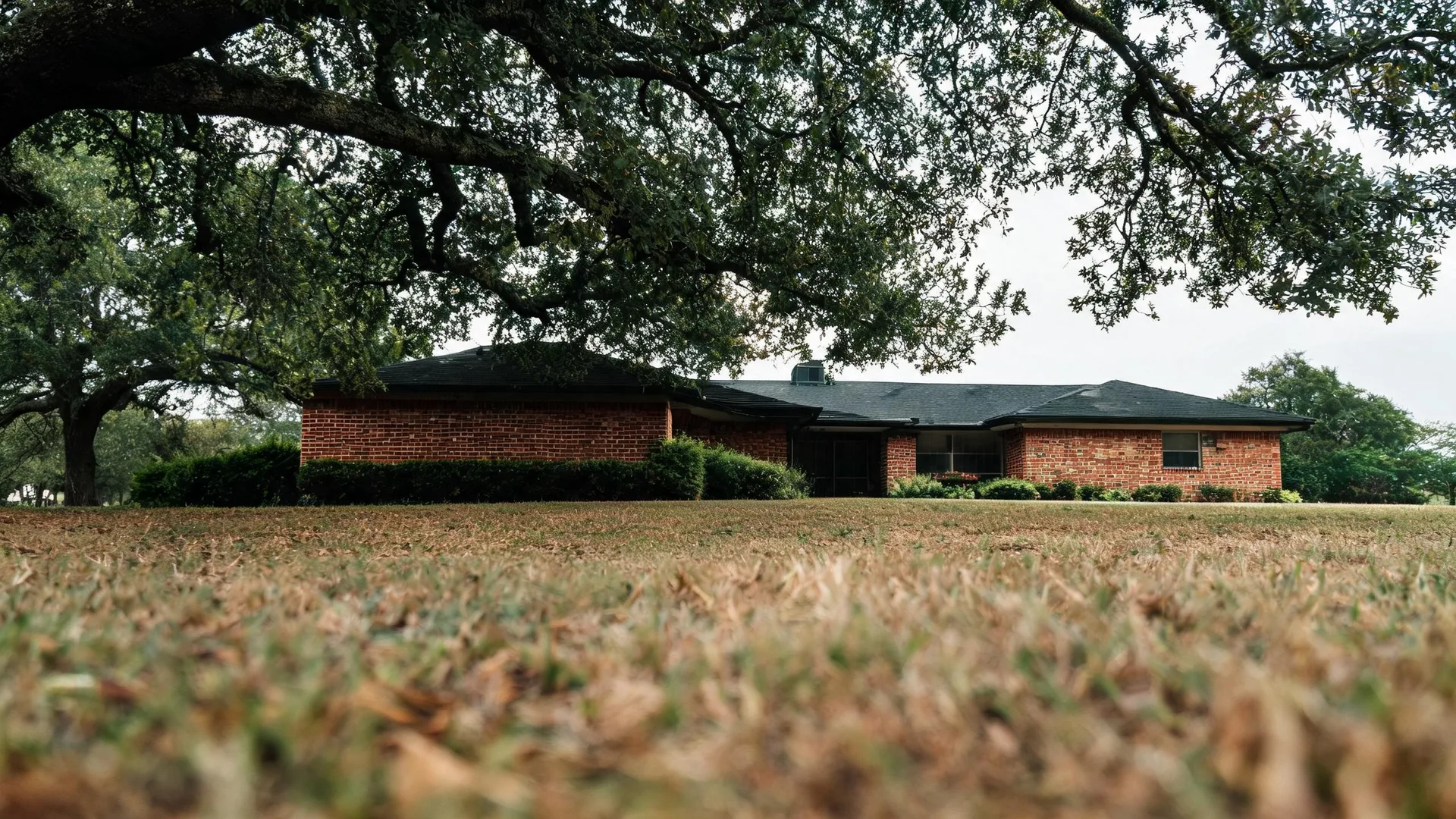
A single-story brick house with a dark shingled roof seen across a dry lawn, photographed from ground level with a large oak tree's branches overhanging from above.

AC Maintenance in Midland, TX

Tell us about the job

Takes about a minute. No obligation.

Step 1 of 3: Equipment

A dirty filter starves the coil

When the filter clogs, the blower can't pull enough air across the evaporator coil. The coil gets too cold, moisture on it turns to ice instead of draining away, and airflow drops even further. A system can run like this for a while before anyone notices, which is why it's worth catching before the coil ices over.

The drain line decides where the water goes

Every pound of moisture the coil pulls out of the air has to leave through the condensate drain. Algae and dust build up in that line over time and narrow it until it backs up. When it backs up, the water goes wherever gravity takes it instead of outside, usually down through the ceiling or along the floor near the indoor unit.

5 months
May through September, your air conditioner is on duty
95°F
the average summer afternoon it cools against
154 hail events
in ten years, and hail bends the fins on outdoor coils
93 wind events
in ten years, and wind drives debris into outdoor units
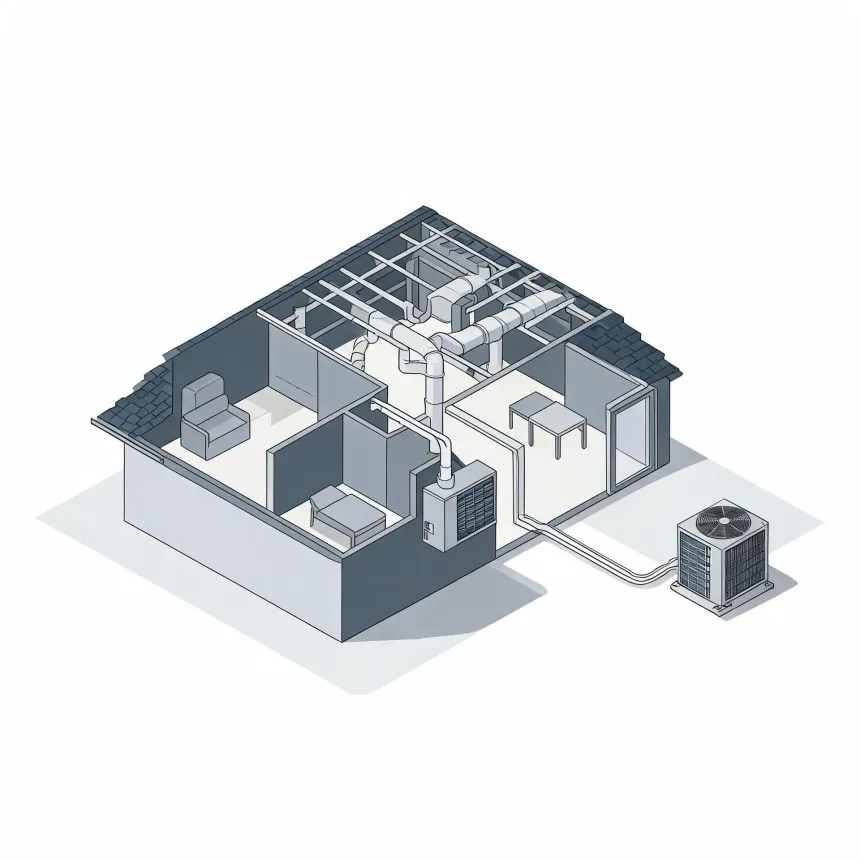
Isometric cutaway illustration of a house showing attic ductwork, an indoor air handler, and an outdoor condenser unit connected by lines.
Your air conditioner works hardest from May through September.

NOAA nClimDiv, 1991–2020 normals

Cooling in Midland starts in May and runs through September.

Have the AC checked in April so it's ready before the first hot month hits.

Half the homes here were built by 1992, so the AC is probably younger than the house

Half the homes here were built by 1992
Cooling runs May through September
Summer afternoons average 95°F

A tune-up checks things a homeowner has no way to see from the thermostat. The refrigerant charge is one. Too little and the system loses capacity and can ice the coil, too much and it strains the compressor, and neither shows up until the damage is done. The electrical side matters just as much. A capacitor that's starting to fail can still start the compressor most days, right up until the day it can't, and a tech can test it under load instead of waiting for it to quit. The contactor gets checked too, since its contacts pit and burn with every cycle and eventually stop making good contact at all. None of this announces itself with a sound or a smell. It just shows up later as a system that won't turn on.

Book it before the season

It starts running hard in the first month of the season here. Book the check the month before.

Find a contractor
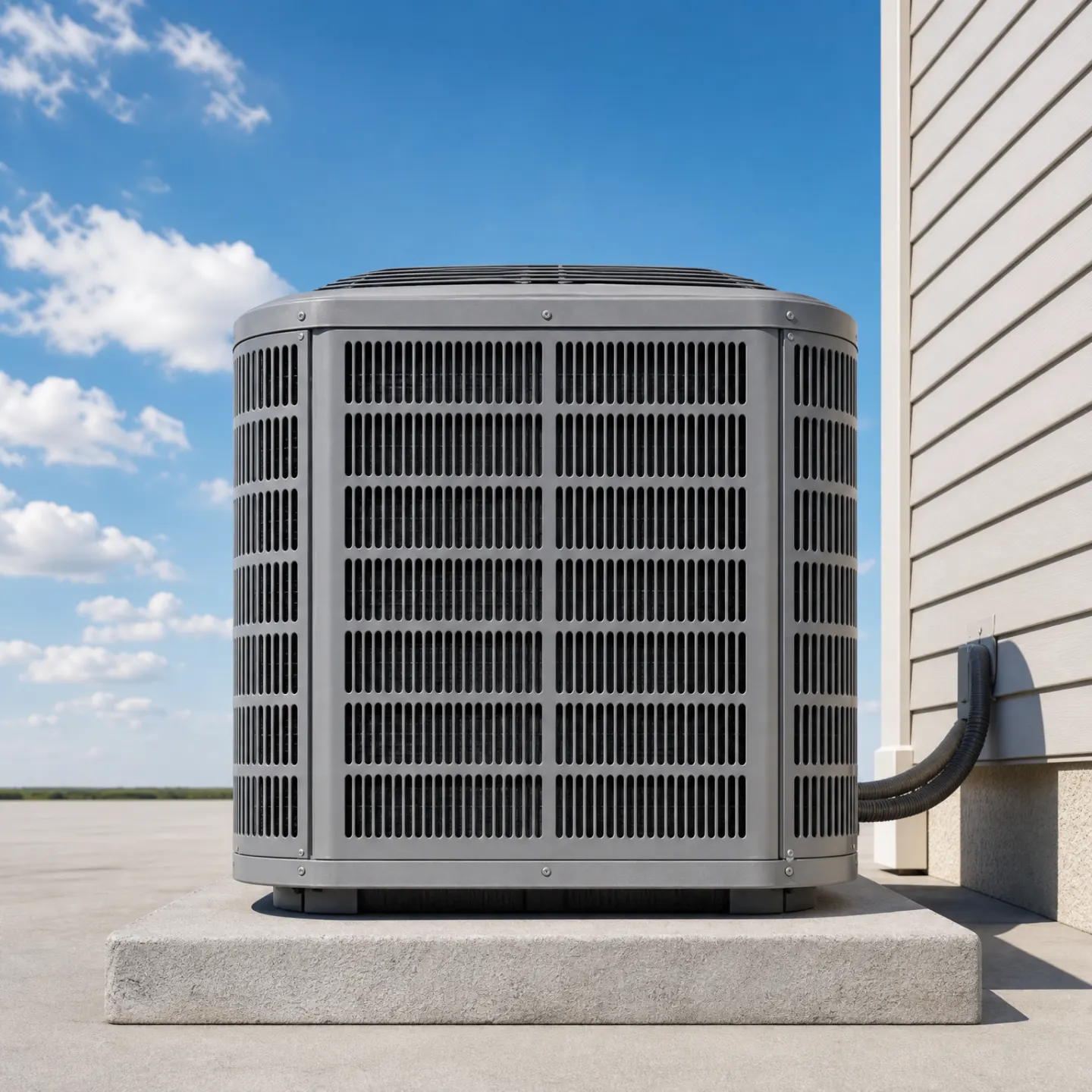
A gray cylindrical air conditioning condenser unit mounted on a concrete pad next to a light-colored vinyl-sided house exterior.

A real tune-up opens the cabinet

A thorough tune-up means the panels come off. A tech wants eyes on the blower wheel and the coil, not just a gauge reading taken through a service port. Refrigerant pressure gets checked against the manufacturer's numbers for the outdoor temperature that day, not just glanced at and called fine. The capacitor gets tested under load with a meter, not judged by whether the compressor happens to start that morning. Contacts get checked for pitting, the drain line gets flushed, and amp draw on both motors gets checked against what the nameplate calls for. A quick visit skips most of this. Gauges go on, a temperature split gets checked at the vents, and if the air feels cold enough the tech moves on. That can miss a capacitor that's weak but still working, or a coil coated in dust and quietly losing capacity. The system still runs. It just runs worse, and nobody finds out why until it stops.

Keep the filter clean

A clean filter is the one thing a homeowner controls. Check it monthly and replace or wash it when it looks gray and matted. A filter held up to light should let light through. If it doesn't, airflow is already suffering.

Keep the outdoor unit clear

The condenser needs open space around it to shed heat. Keep grass clippings, leaves and mulch away from the cabinet, and keep anything from being stacked or stored against it. A hose can rinse dust off the fins from the outside, but the panels and the inside of the unit should stay for a tech to open.

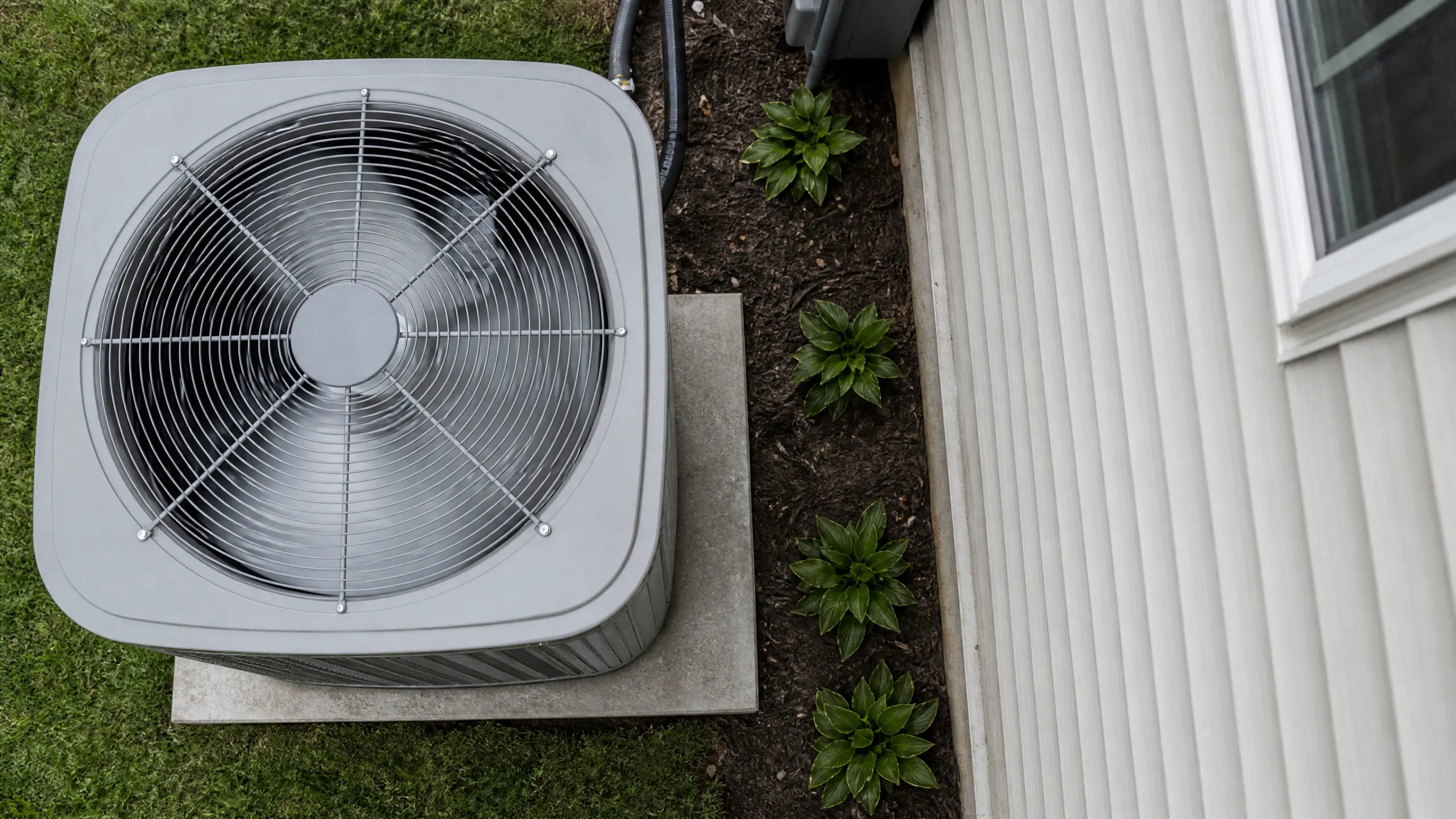
Overhead view of a gray outdoor AC condenser unit on a concrete pad beside a mulched garden bed and a house with vinyl siding.

Book your AC tune-up in April, before homes here start needing cooling in May.

  1. Jan
  2. Feb
  3. Mar
  4. Apr
  5. May
  6. Jun
  7. Jul
  8. Aug
  9. Sep
  10. Oct
  11. Nov
  12. Dec

A tune-up checks the refrigerant charge, cleans the coils, tests the capacitor and tightens the electrical connections.

A tune-up also covers the parts that move outside the cabinet. The blower motor and the condenser fan motor both run on bearings that wear with use, and a motor running dry makes a grinding or rattling sound before it seizes. A tech checks the blower wheel for dirt buildup too, since a coated wheel moves less air even when the motor itself is fine. The refrigerant lines get a look as well, checking the insulation on the suction line and the joints where a slow leak would show up as oil residue. None of these fail on a schedule, but a tune-up catches the one that's closest to going before it takes the system down with it.