



Texas Cooling Help
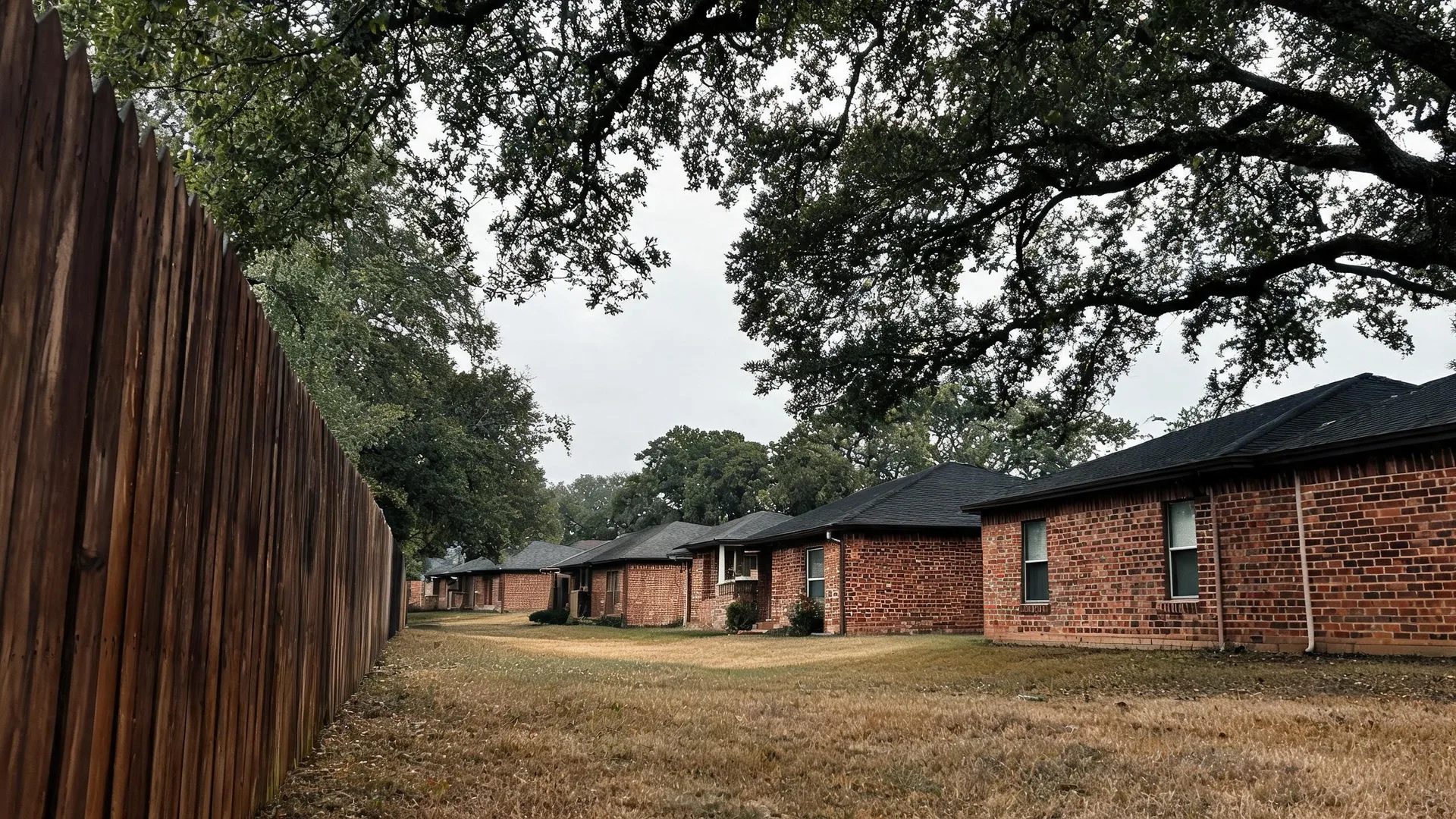
A row of single-story brick houses with dark shingled roofs sits along a grassy lawn beside a tall weathered wooden privacy fence, under large oak trees and an overcast sky.

AC Maintenance in McAllen, TX

Tell us about the job

Takes about a minute. No obligation.

Step 1 of 3: Equipment

A dirty coil or a low charge makes the compressor work harder to do the same job, and that shows up on the meter. Electricity in Texas ran about 14.94 cents per kilowatthour in 2024, and an AC that's falling behind on maintenance can burn through a lot more of it than one that's been looked after. In McAllen this machine already runs long stretches of the year, so a small drop in how well it runs adds up fast. A tune-up catches the dirty coil, the weak capacitor, the low charge, the stuff that makes the unit strain without you knowing it yet. That's the kind of cost you don't see until the bill comes.

10 months
February through November, your air conditioner is on duty
97°F
the average summer afternoon it cools against
50 hail events
in ten years, and hail bends the fins on outdoor coils
90 wind events
in ten years, and wind drives debris into outdoor units
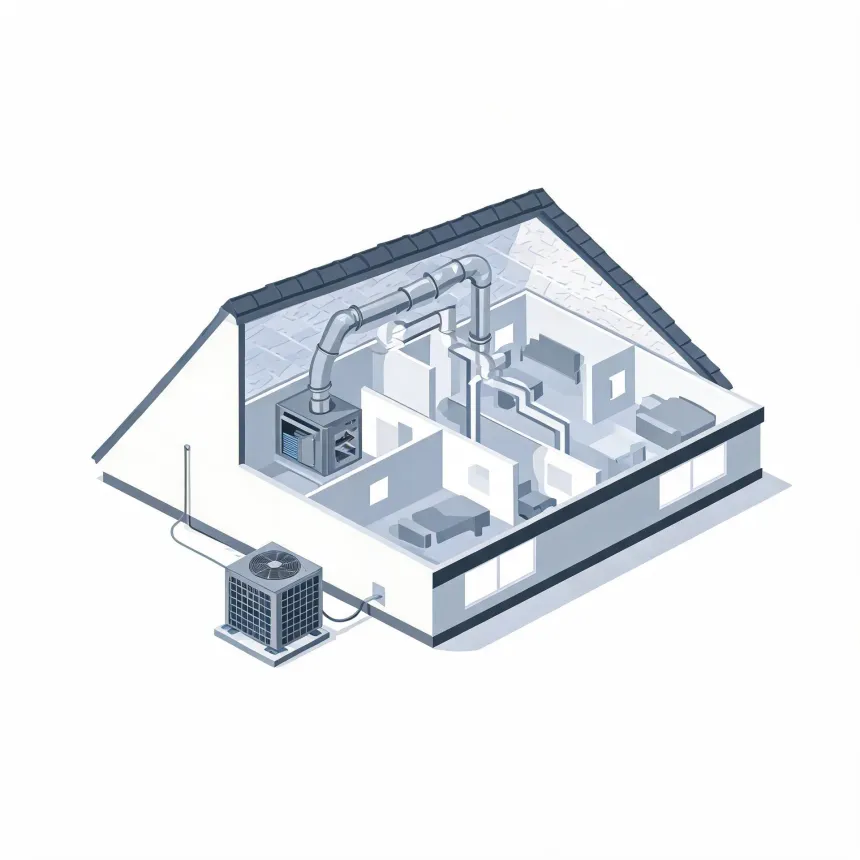
Isometric illustration of a cutaway house showing interior rooms, an attic furnace with large ducts, and an outdoor condenser unit connected by a line set, on a white background.
Your air conditioner works hardest from May through October.

NOAA nClimDiv, 1991–2020 normals

Hidalgo County logged 148 severe weather events between 2015 and 2024, most of them damaging wind or hail.

Your outdoor unit sits outside through all of it, so have it checked for bent fins and hail dents before storm season starts.

Cooling starts in February here. Have it checked in January.

Cooling runs February through November
Summer afternoons average 97°F
Power costs 14.94 cents a kWh statewide

Half the homes in Hidalgo County were built in 2000 or later. If yours is one of them, the AC in it has a lot of working life left to protect. A system that age usually hasn't hit the point where parts wear out on their own. What wears it down early is strain nobody caught, a weak capacitor, a low charge, a coil losing its grip on the heat it's supposed to pull out of the air. A yearly check finds that kind of thing while it's still small. Skip it for a few years running and the compressor ends up working harder than it should, year after year, until it's the compressor itself that needs replacing.

Ten months of cooling finds the weak part fast. Check it first.

Ten months of cooling a year doesn't leave much room for a worn part to sit quietly. Once the system is running daily through afternoons near 97, anything weak starts showing itself fast. Get it looked at now, while it's still a quiet fix.

Find a contractor
A man in a cap, brown jacket and tan pants, seen from behind, carries a canvas tool bag up concrete steps toward an orange front door.
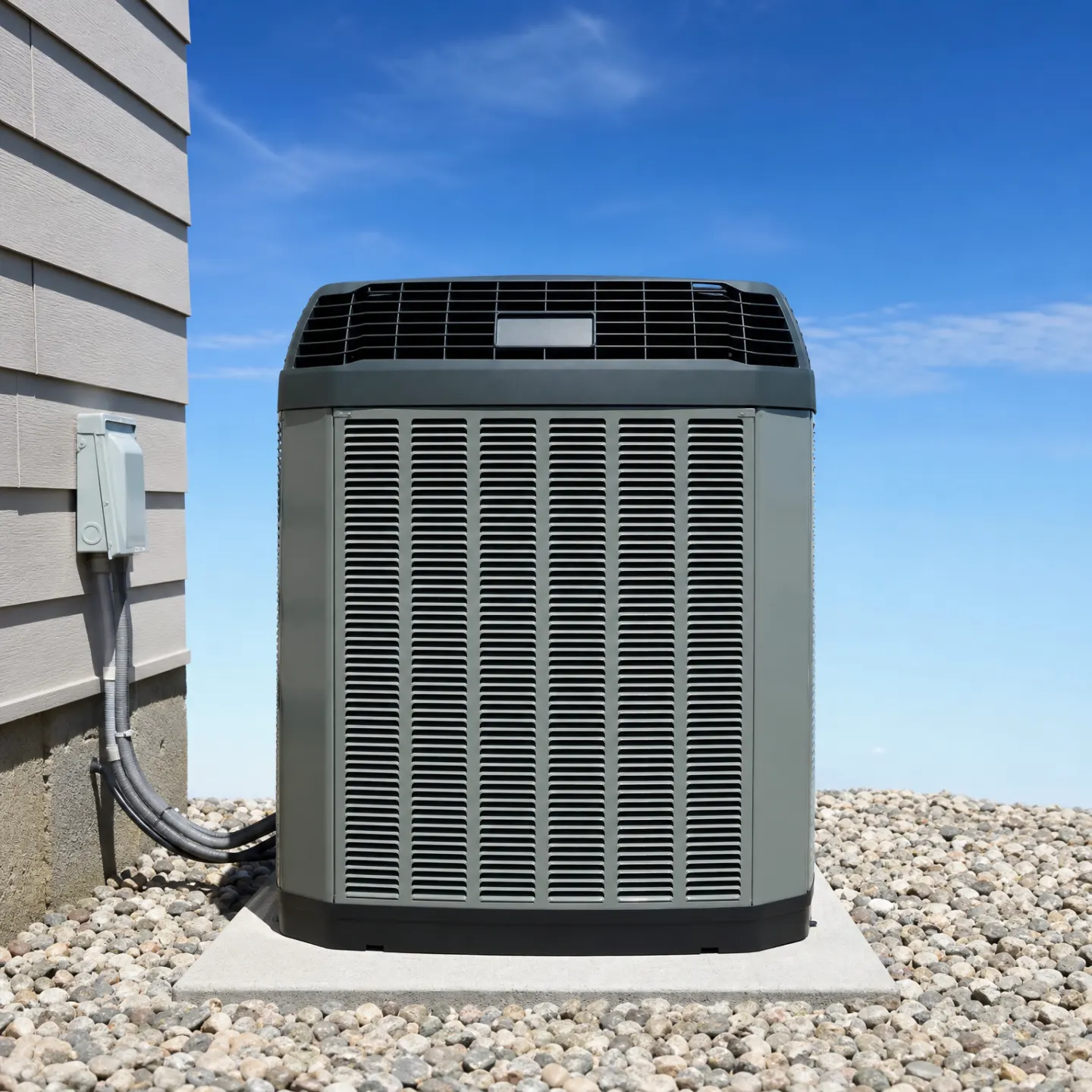
An outdoor air conditioning condenser unit mounted on a concrete pad beside a house, with electrical conduit running to a wall-mounted disconnect box.

The coil and the drain do the work nobody sees

The filter is the only part of this job you can check yourself. Hold it up to the light. If you can't see through it, the coil behind it isn't getting the airflow it needs to pull heat out of the house. A coil that stays starved for air gets colder than it should and starts icing over, and ice on a coil blocks even more air than a dirty filter does. That's how one neglected filter turns into a frozen system by mid-summer. The condensate drain is the part nobody thinks about until it backs up. It carries away the water the coil pulls out of the air, and it runs slow and warm most of the year, which is exactly what algae likes. A clogged drain doesn't just drip. It shuts the system down, because the float switch sitting in the drain pan is built to kill the AC before that water reaches the ceiling below it. A yearly check clears that line before it has the chance.

The system usually tells you first

A room that takes longer to cool than the one next to it, a return vent breathing weak, a smell when the air first kicks on. None of that stops the AC from running. It just means something inside, the coil, the blower, the charge, isn't doing its full share anymore. A check during maintenance catches that signal while it's still just a signal.
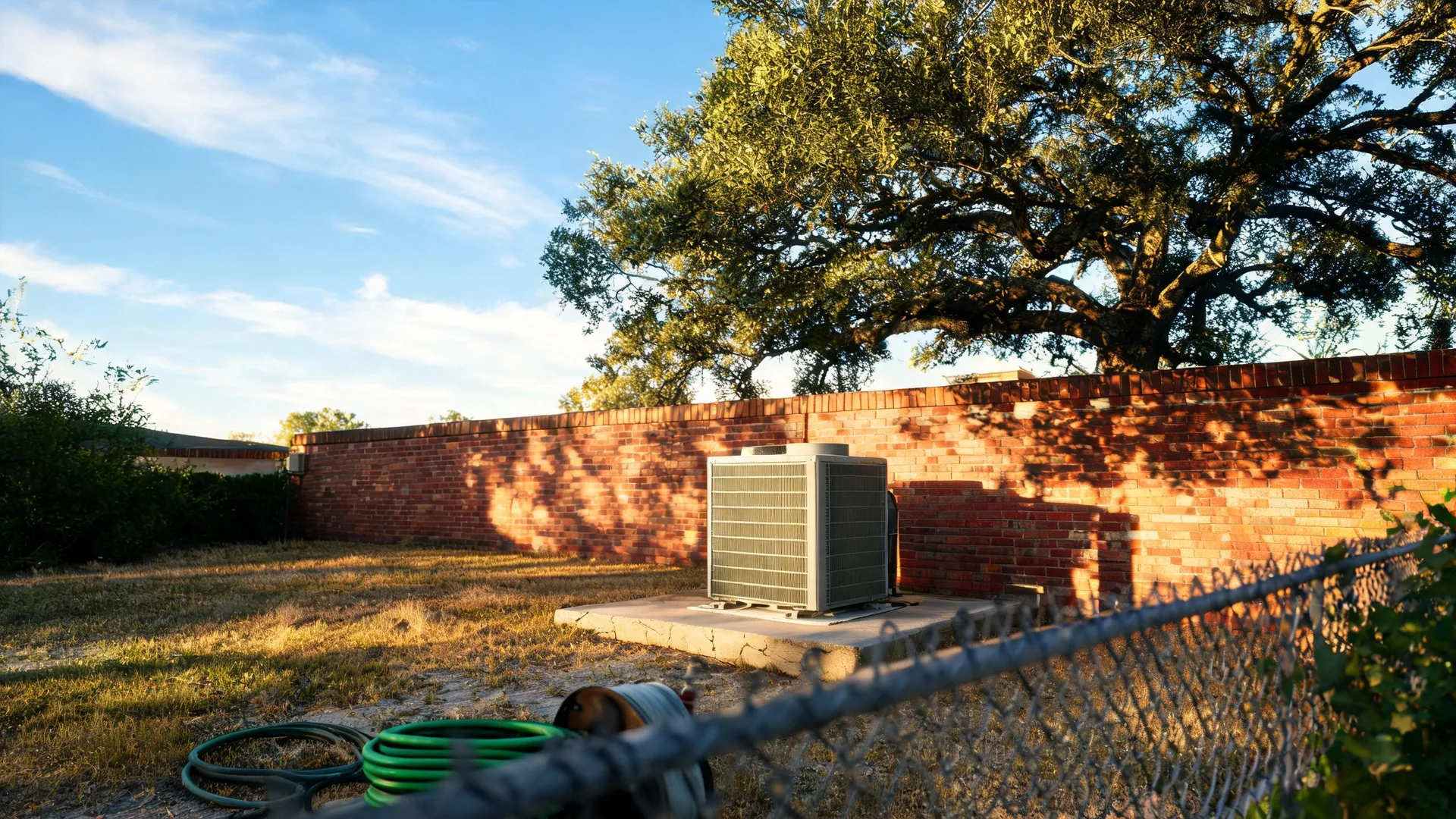
Short cycling wears out the part nobody wants to replace

An AC that shuts off a few minutes after it starts, then kicks back on soon after, isn't resting. It's struggling to finish a cycle, often because of a dirty coil, a failing capacitor, or a charge that's drifted low. Every short cycle is a hard start for the compressor, and the compressor is the part a tune-up is meant to protect.

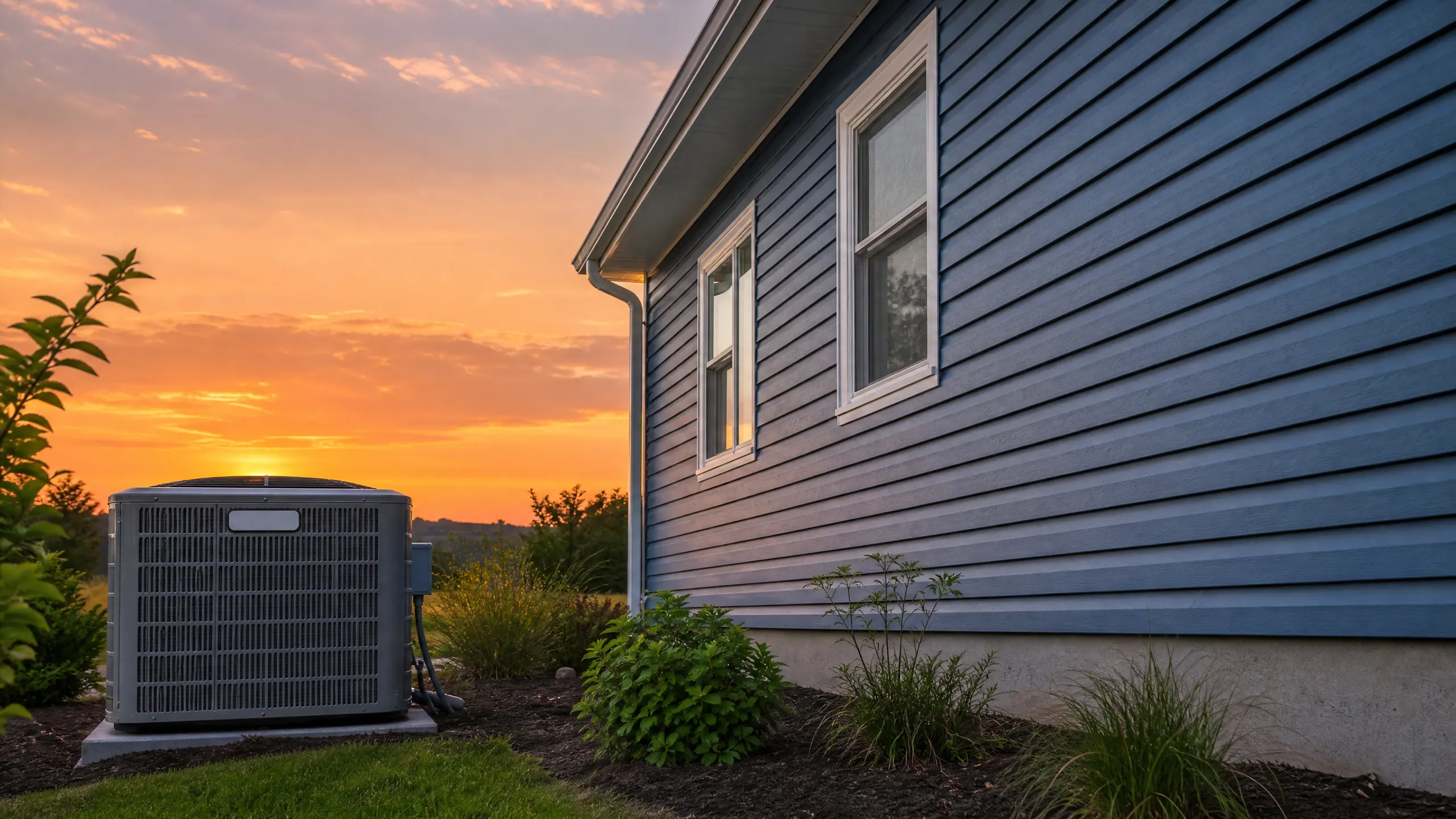
An outdoor air conditioning condenser unit positioned beside a blue-sided house at sunset.

Book your AC tune-up in January, before homes here start needing cooling in February.

  1. Jan
  2. Feb
  3. Mar
  4. Apr
  5. May
  6. Jun
  7. Jul
  8. Aug
  9. Sep
  10. Oct
  11. Nov
  12. Dec

A tune-up checks the refrigerant charge, cleans the coils, tests the capacitor and tightens the electrical connections.

A tune-up means someone is actually at the unit with gauges and tools, not just looking at it. The refrigerant charge gets checked against what the system is supposed to carry, because a few pounds low and the compressor runs long and hot without ever throwing a code. The capacitor gets tested under load, since a weak one still starts the system most days right up until the day it doesn't. The coil gets inspected and cleaned if it needs it, because dirt on the coil acts like a blanket between the refrigerant and the air it's supposed to cool. Electrical connections get checked for corrosion and loose terminals, the kind of thing that causes a breaker to trip for no clear reason months later. The blower wheel gets looked at too, since dust buildup there cuts airflow the same way a clogged filter does, just quieter.