




Texas Cooling Help
An outdoor air conditioning condenser unit positioned beside a blue-sided house at sunset.

AC Maintenance in Lubbock, TX

Tell us about the job

Takes about a minute. No obligation.

Step 1 of 3: Equipment

Electricity in Texas ran 14.94 cents per kilowatt-hour in 2024. A dirty coil or a low charge makes the compressor work harder to move the same amount of heat, and that extra work shows up on the meter every month it runs. Lubbock summers ask a lot of an air conditioner, so a system that's lost some efficiency has months to rack up the difference. A tune-up catches a weak capacitor or a clogged filter before it drags the whole system down. Keeping the unit running the way it was built to run is what keeps that cost from creeping up.

5 months
May through September, your air conditioner is on duty
92°F
the average summer afternoon it cools against
93 hail events
in ten years, and hail bends the fins on outdoor coils
150 wind events
in ten years, and wind drives debris into outdoor units
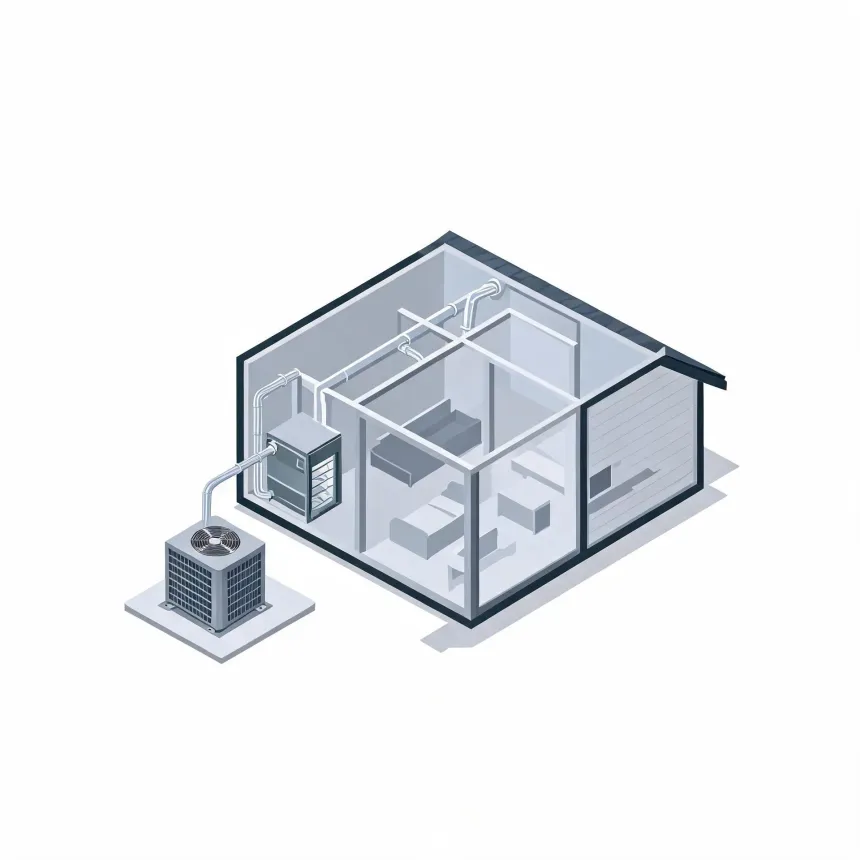
Isometric grayscale illustration of a cutaway house showing interior rooms, ductwork, an indoor air handler, and an outdoor condenser unit on a pad connected by lines.
Your air conditioner works hardest from June through August.

NOAA nClimDiv, 1991–2020 normals

Summers here run five months of afternoons near 92 degrees.

An AC that gets checked before May works through all of it instead of quitting partway.

Half the homes in Lubbock County date to 1985 or later, so a lot of this county's AC units still have years of work left in them

Half the homes here were built by 1985
Cooling runs May through September
Summer afternoons average 92°F

Lubbock County saw 260 severe weather events between 2015 and 2024, most of them damaging wind or hail. An outdoor AC unit sits through all of it, exposed to whatever the wind throws at the coil and whatever the hail does to the fins. Bent fins and a coil packed with debris both make the unit work harder to move heat, the same as a dirty one would. A maintenance visit before summer is a chance to catch that kind of damage while it's still minor. Statewide, a third of Texas households lost power for a day or more in 2024, and a unit that's already straining has less room to handle a hard restart when it comes back on.

Get it checked in April, before May turns the heat on

Cooling runs May through September here, five months straight once it starts. Whatever shape the unit is in going into that first week is the shape it holds for the rest of the summer. April is the month to catch a weak part before the system runs hard on it every day.

Find a contractor
A man in a dark shirt and tan pants, seen from behind, carries a canvas duffel bag up porch steps toward an orange front door beside a potted shrub.
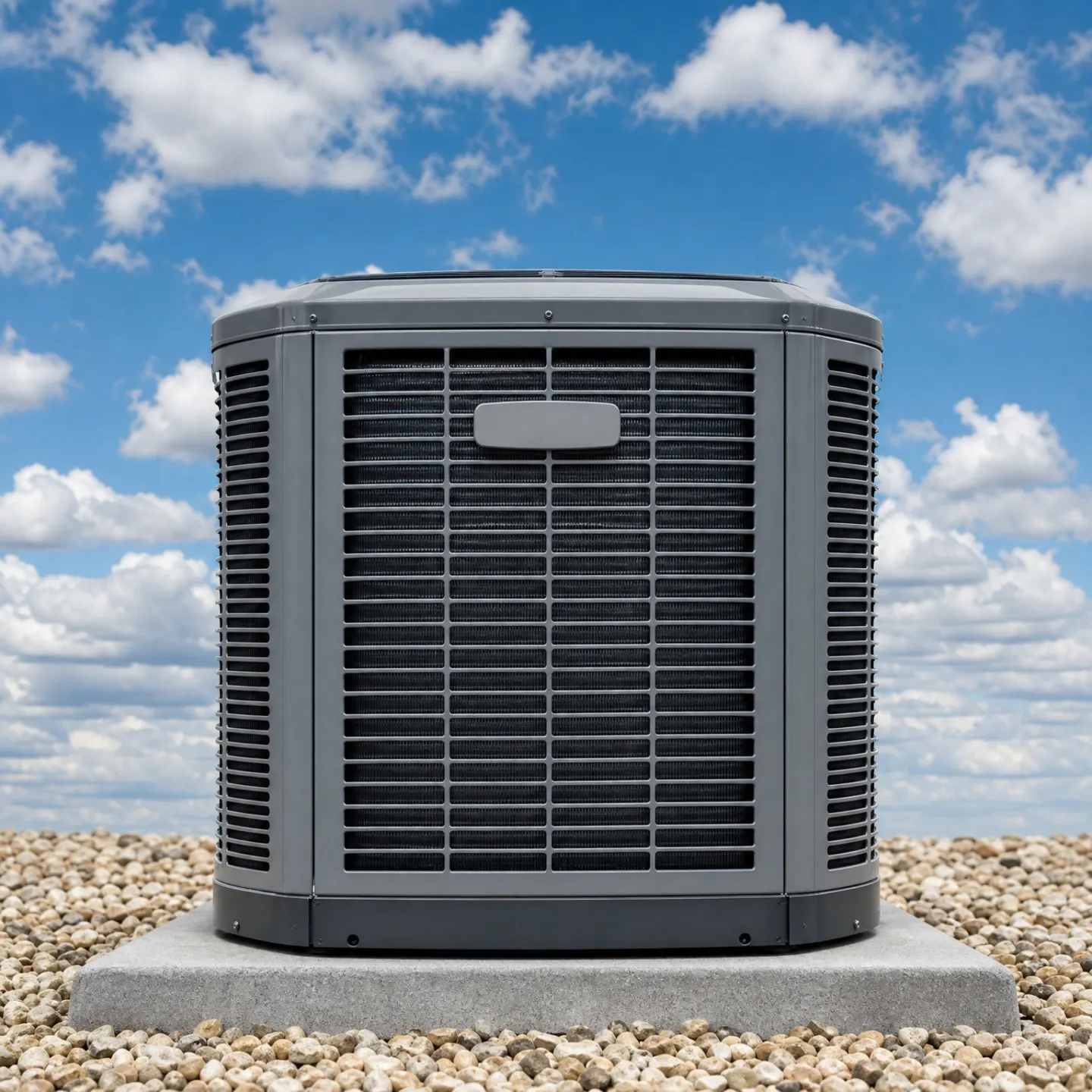
An outdoor air conditioning condenser unit mounted on a concrete pad surrounded by gravel, photographed against a partly cloudy blue sky.

A newer unit still needs the yearly visit

A system installed new still has most of its working life ahead of it. A yearly check is what keeps it on track to use all of it. Catching a worn contactor or a low charge early means that part gets replaced on its own schedule instead of taking the compressor down with it. The units going in now are the ones worth keeping on a yearly visit, since there's more years ahead to protect.

Dirt and dust don't go away on their own

A coil loses its grip on heat once dust builds up on it, and a dirty filter starves the system of airflow it needs to work right. Neither one fixes itself. Left alone, the system keeps running, just worse, and the parts carrying the extra load are the ones that wear out first.

A refrigerant leak only gets worse

A system low on refrigerant doesn't top itself off. It keeps losing charge from wherever the leak is, and the compressor keeps working against a charge that's wrong for the job. Caught during a tune-up, a slow leak is a repair. Left alone, it's the reason the compressor fails.

An outdoor air conditioning condenser unit positioned on a concrete pad next to a blue-sided house, surrounded by green shrubs and flowering hydrangeas at sunset.

Book your AC tune-up in April, before homes here start needing cooling in May.

  1. Jan
  2. Feb
  3. Mar
  4. Apr
  5. May
  6. Jun
  7. Jul
  8. Aug
  9. Sep
  10. Oct
  11. Nov
  12. Dec

A tune-up checks the refrigerant charge, cleans the coils, tests the capacitor and tightens the electrical connections.

A tune-up is a set list, not a glance at the unit. The tech checks refrigerant charge against what the system calls for, since too little and too much both make the compressor work wrong. The coil gets cleaned, inside and out, because dust and debris on either one block the heat transfer the whole system depends on. The capacitor and contactor get tested, since those are the parts that wear out quietly and take the compressor with them when they fail. The condensate drain gets cleared so the system isn't sitting in its own water. Electrical connections get tightened, because a loose one runs hot and burns itself out. The blower gets checked for the airflow it's supposed to move. None of this is guesswork. It's the same list, done right, every time.