Texas Cooling Help
Two illuminated white colonial-style houses with wrap-around porches, flanked by oak trees draped in Spanish moss, photographed at night.

AC Maintenance in Longview, TX

Tell us about the job

Takes about a minute. No obligation.

Step 1 of 3: Equipment

Electricity here runs 14.94 cents a kilowatt-hour

Texas power costs more than in a lot of states, and that rate hits every hour your AC runs. A unit that has to work harder to cool the same house burns through more of those kilowatt-hours, and you pay for every one.

A dirty coil or a low charge costs you all summer

A system that's low on refrigerant or dragging a dirty coil runs longer to do the same job, month after month. In Longview that extra runtime shows up on the bill before it shows up as a breakdown.

6 months
May through October, your air conditioner is on duty
93°F
the average summer afternoon it cools against
31 hail events
in ten years, and hail bends the fins on outdoor coils
58 wind events
in ten years, and wind drives debris into outdoor units
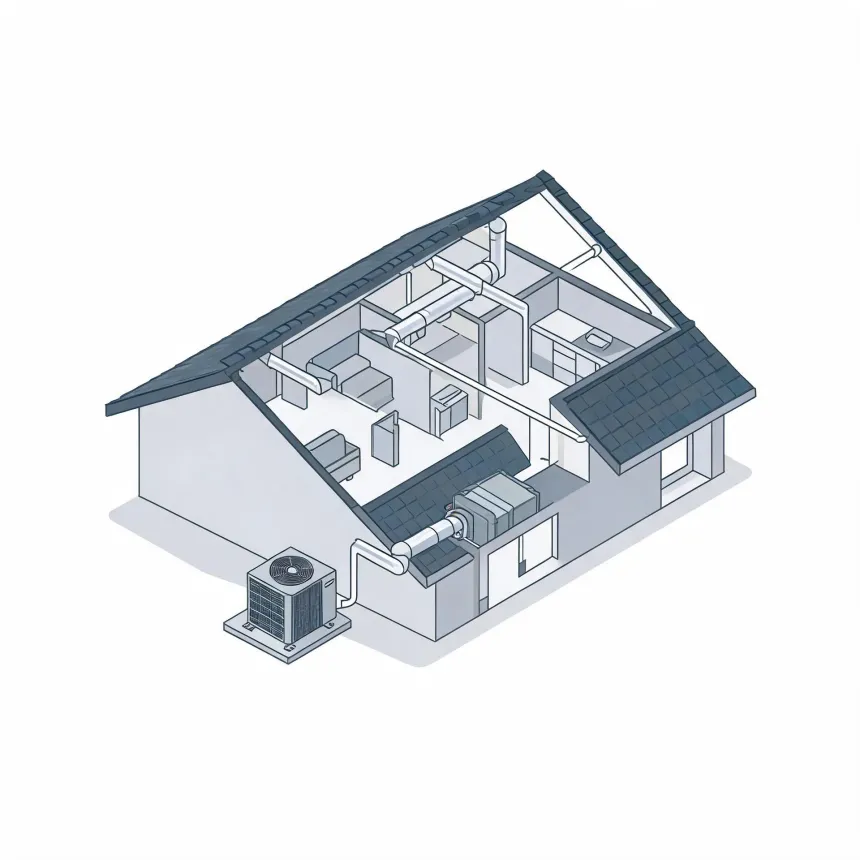
Isometric line illustration of a cutaway single-story house showing interior rooms, ceiling ductwork and an air handler, connected to an outdoor condenser unit on a pad beside the building.
Your air conditioner works hardest from June through September.

NOAA nClimDiv, 1991–2020 normals

AC here starts running in May.

Have it checked in April, before it has to work.

Half the homes here are young enough that a checkup, not a repair, is probably all this system needs

Half the homes here were built by 1980
Cooling runs May through October
Summer afternoons average 93°F

AC runs here from May through October, six months straight. June, July and August average 93 in the afternoon, and the unit has to answer that heat every one of those days. A capacitor or contactor that's been wearing down doesn't get a slow month to fail in gently. It just runs hard again tomorrow, and the day after. Catching a worn part before May means it gets swapped out on a bench, not in a hot attic in July.

A tune-up pays for itself here

A neglected system uses more power, and power costs more here. A tune-up pays for itself.

Find a contractor
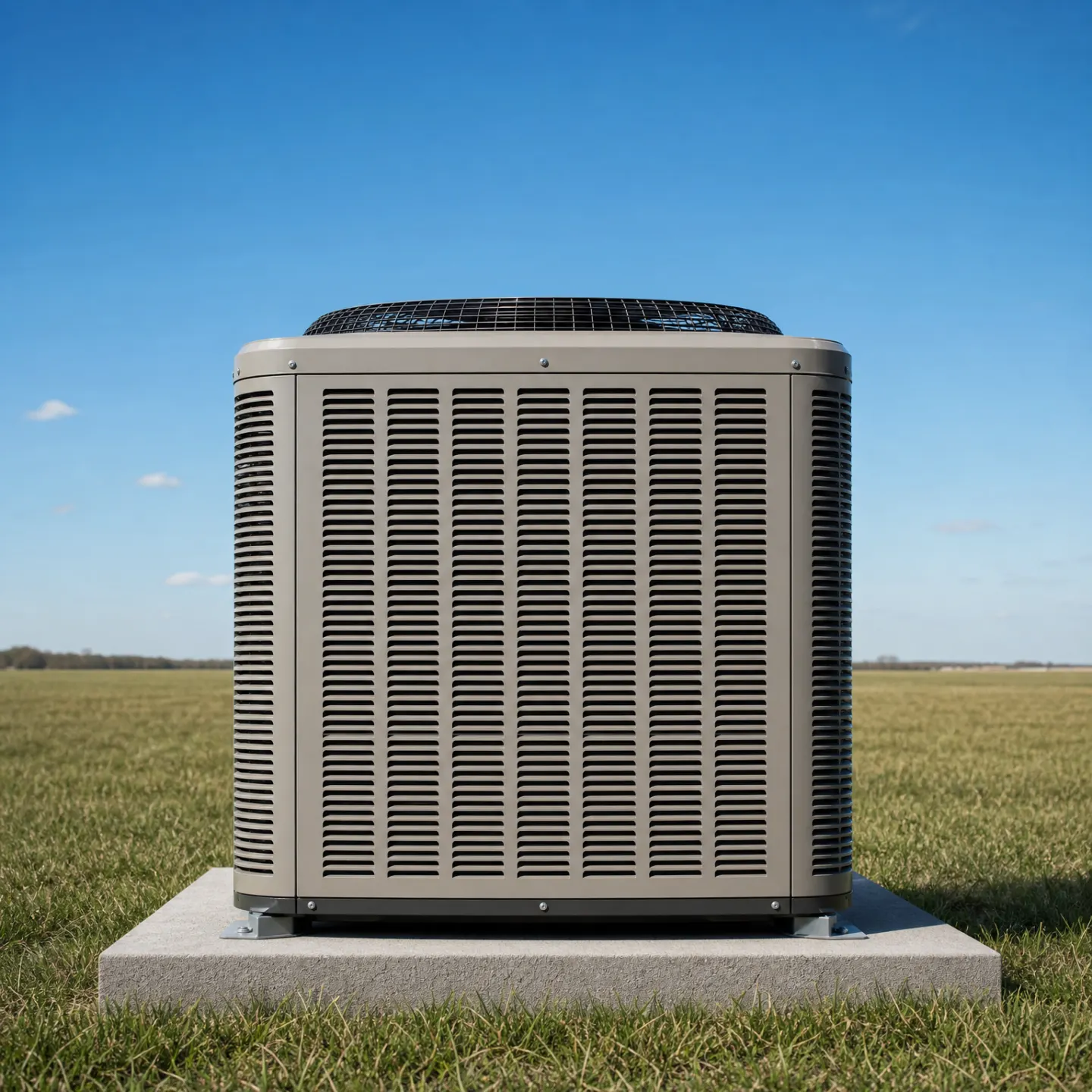
A gray residential air conditioner condenser unit mounted on a concrete pad in an open grass field.

A young system still needs a yearly look

A system installed when the house was built has had less time to pick up the wear that makes a compressor or a capacitor fail. If your system came with the house, a yearly check is mostly about keeping it that way. The tech cleans the coil, checks the charge, tightens what's loose. That's a short visit for a unit with years of good running ahead of it, and it's what keeps that visit short the next year too.

Warm air from a cold setting

If the thermostat is set low and the air coming out of the vent doesn't feel much cooler than the room, the system is losing its fight somewhere between the compressor and the vent. A tech can catch a weak compressor or a refrigerant leak before it stops cooling altogether.

Short cycles or long ones

An AC that shuts off soon after it starts, or one that runs on and on without the house ever feeling cool, is telling you something is off. Short cycling wears the compressor down faster. A system that won't stop running is usually fighting a low charge or a coil it can't move enough air across.

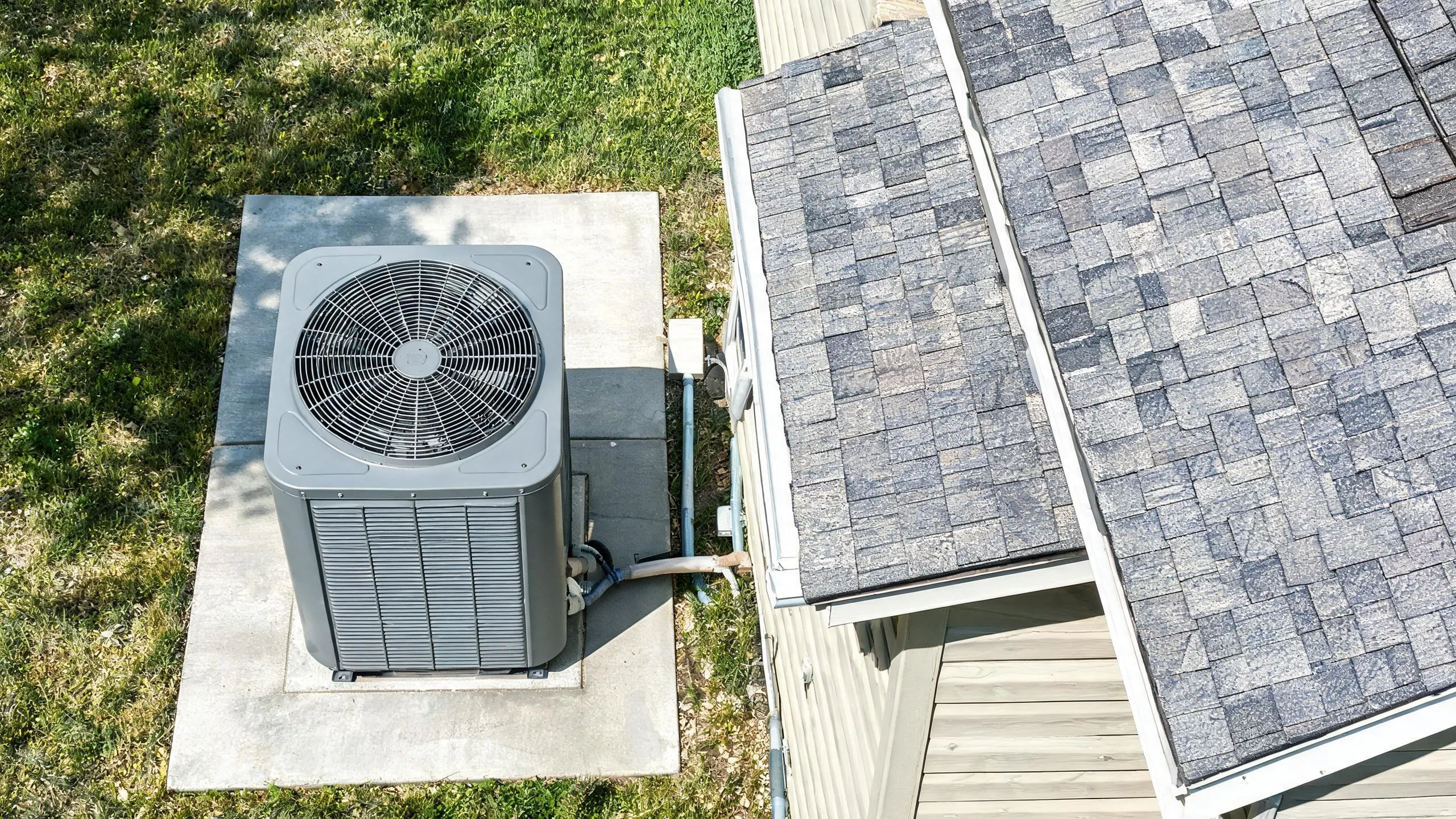
Overhead view of a gray residential air conditioning condenser unit mounted on a concrete pad beside a house with asphalt shingle roofing.

Book your AC tune-up in April, before homes here start needing cooling in May.

  1. Jan
  2. Feb
  3. Mar
  4. Apr
  5. May
  6. Jun
  7. Jul
  8. Aug
  9. Sep
  10. Oct
  11. Nov
  12. Dec

A tune-up checks the refrigerant charge, cleans the coils, tests the capacitor and tightens the electrical connections.

A tune-up is a fixed list, not a once-over. The tech cleans the condenser coil, because a coil caked with dirt and grass clippings can't shed heat the way it should, and the compressor behind it works harder for the same result. They check refrigerant charge against what the system calls for, since low charge is the most common reason a unit runs long and still can't cool the house. They test the capacitor and contactor, the parts that get the compressor and fan motor started and keep them running, and both wear out from heat cycling on and off for years. They check the blower motor and make sure the evaporator coil inside is clean too, because a dirty one chokes airflow the same way a dirty filter does. Last, they check that the thermostat is telling the system the truth and that it's actually shutting off when it should.