Electricity here isn't cheap
Texas homes paid 14.94 cents per kilowatthour in 2024. A dirty coil or a low refrigerant charge makes your AC run longer to cool the same house, and every one of those extra hours gets billed at that rate.
Takes about a minute. No obligation.
Texas homes paid 14.94 cents per kilowatthour in 2024. A dirty coil or a low refrigerant charge makes your AC run longer to cool the same house, and every one of those extra hours gets billed at that rate.
A technician checking the coil, the charge and the airflow finds the drag before it runs up a summer of bills. Catching it at a maintenance visit costs less than catching it after your system has been working harder than it should for months.
NOAA nClimDiv, 1991–2020 normals
April is when AC here starts working for real.
March is when to get it checked, before it has to.



Half the homes in Galveston County were built in 1990 or later. If yours is one of them, your AC still has plenty of working life left, and a yearly check is what keeps it that way. A system loses a little efficiency each year from normal wear on the coil and the fan motor. Caught early, a tune-up keeps that loss small. Skip it for a few years running through League City summers and the drag only builds.
Galveston County saw 94 severe weather events between 2015 and 2024, from hail to tropical storms. Your outdoor unit rides out all of it with nowhere to hide. Have it checked for bent fins, debris in the coil or a cracked line before summer puts it to work.
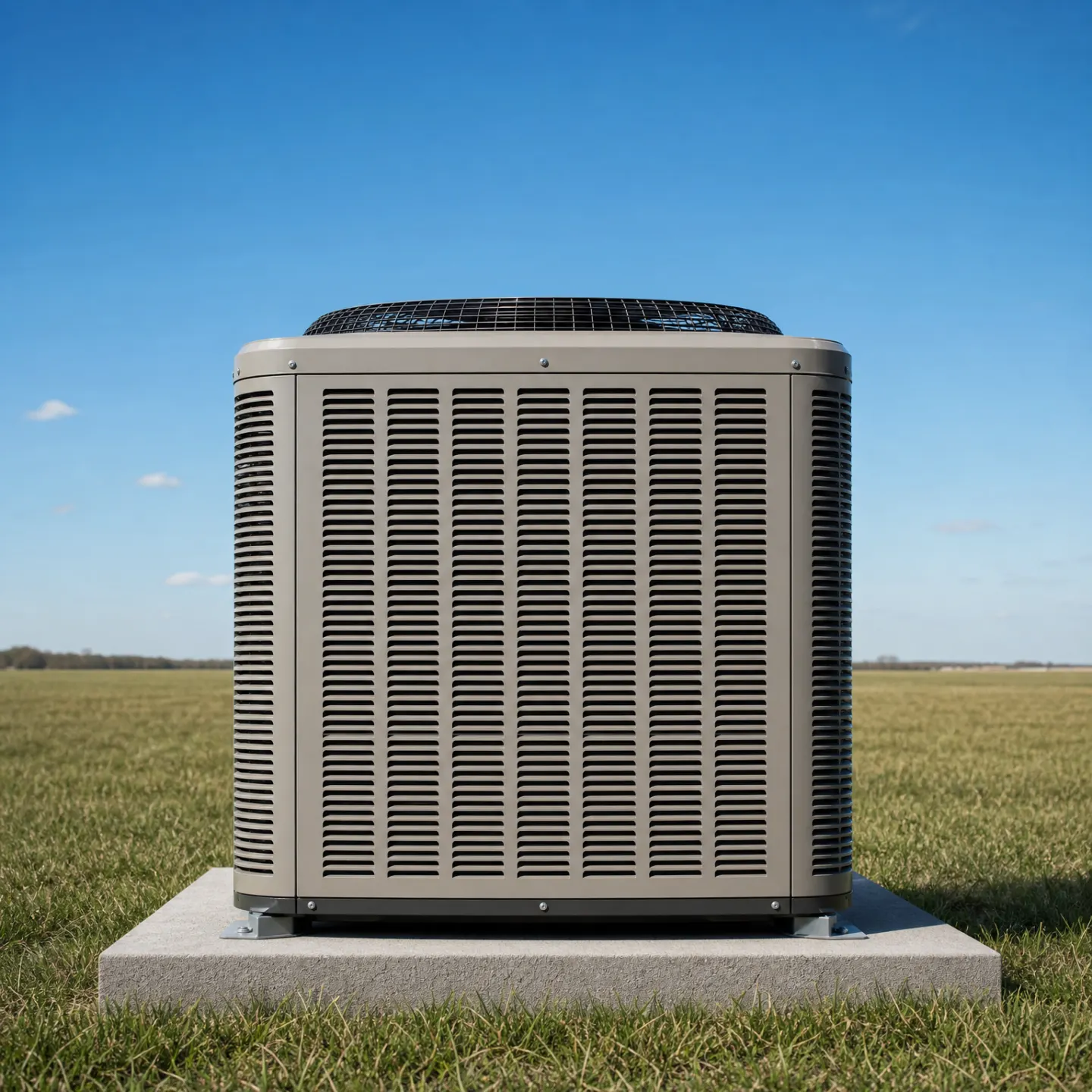
Find a contractorRun your hand along the fins on the outdoor unit. If they're bent over or packed with grass clippings and cottonwood fluff, the coil underneath can't shed heat the way it needs to, and the compressor works harder for the same result. Inside, pull the filter and hold it up to a light. If you can't see through it, airflow is already choppy. A system that short cycles, turning off and on every few minutes instead of running a steady stretch, is usually struggling with airflow or a refrigerant charge that's drifted low. Warm air from a vent that used to blow cold, ice on the copper line running to the outdoor unit, or a fan that rattles instead of hums are all worth a look before the unit is asked to run for months straight.
Anyone can pull the panel and look at the coil. A thorough tune-up means hooking up gauges to check the refrigerant charge against what the system is supposed to hold. The technician checks the subcooling and superheat too, not just whether the air coming out feels cold. A system can blow cool air and still be low on charge, running longer than it should to get the house down to temperature. That only shows up on the gauges.
A capacitor that's starting to fail can still kick the compressor on that day and die the next week in the heat. A real tune-up checks its rating against what it's supposed to hold, not just whether the unit starts. The contactor gets checked too. A technician looks at the contacts for pitting and burn marks, because a contactor that's arcing will keep working right up until the morning it doesn't.
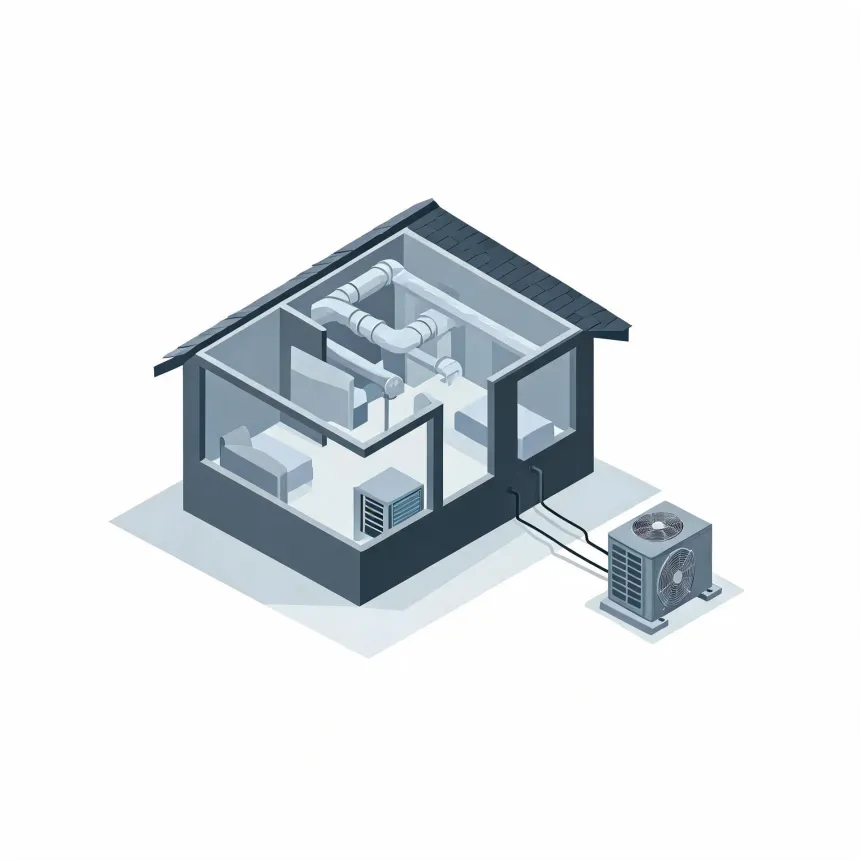
A tune-up checks the refrigerant charge, cleans the coils, tests the capacitor and tightens the electrical connections.
A tune-up is more than a once-over with a flashlight. The technician pulls the blower wheel and checks it for caked-on dust, because a dirty wheel moves less air even when the motor behind it is fine. The drain line gets checked too, since a clogged one backs up and shuts the system down or leaks into the house. Refrigerant levels get confirmed against the system's rating, not just judged by how cold the air feels at the vent. Electrical connections at the disconnect box and inside the unit get tightened, since a loose connection runs hot and wears out whatever it's feeding. The thermostat gets checked against a separate thermometer too, because a thermostat reading a few degrees off will run the system longer than the house actually needs.