


Texas Cooling Help
A single-story red brick house with a dark shingled roof set among large spreading oak trees, photographed from ground level across a dry, patchy lawn.

AC Maintenance in Laredo, TX

Tell us about the job

Takes about a minute. No obligation.

Step 1 of 3: Equipment

A dirty coil or a weak capacitor makes your AC run longer to get the house cool. In Laredo it runs most months of the year, so that extra runtime adds up fast. Texas households paid 14.94 cents per kilowatthour in 2024, among the higher rates homeowners here deal with. A system that has to work harder to do the same job burns more of those kilowatthours every single day it runs. Keeping the coil clean and the parts in good shape is what keeps your power bill from climbing for no reason.

8 months
March through October, your air conditioner is on duty
98°F
the average summer afternoon it cools against
48 hail events
in ten years, and hail bends the fins on outdoor coils
31 wind events
in ten years, and wind drives debris into outdoor units
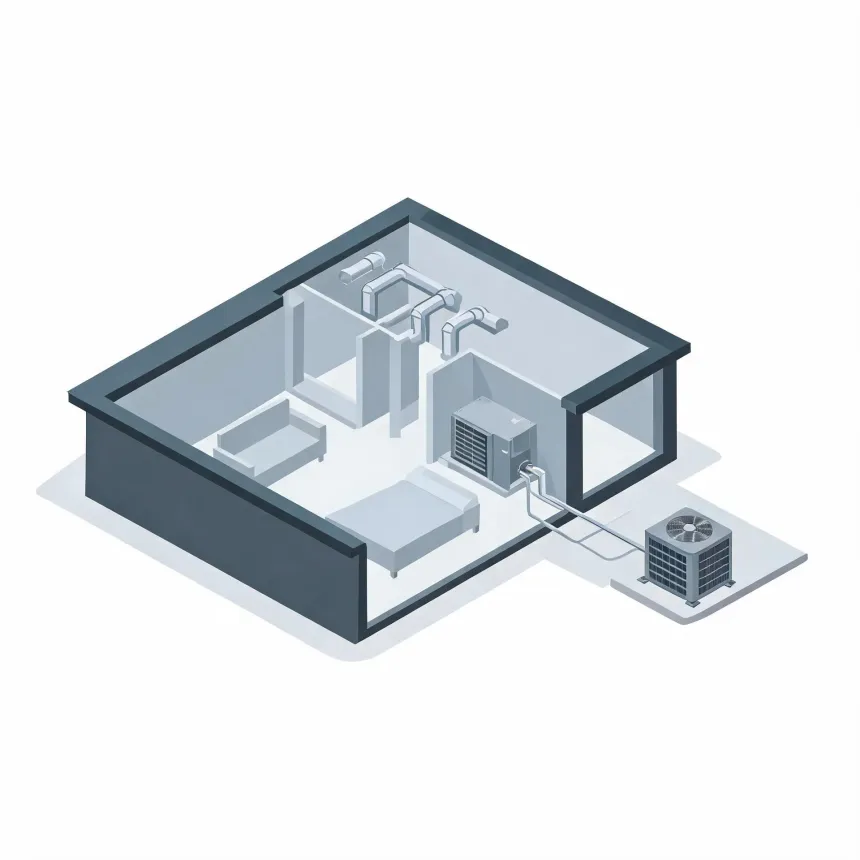
Isometric cutaway illustration of a small home interior with furniture and ducting, showing an indoor air handler connected by lines to an outdoor condenser unit on a pad.
Your air conditioner works hardest from May through September.

NOAA nClimDiv, 1991–2020 normals

A quick tune-up checks that your AC turns on and blows cold.

A thorough one checks the refrigerant charge, the capacitor, and the coil, the parts that actually fail.

Have it checked in FebruaryCooling runs March through October here, eight months straight.

Half the homes in Webb County were built in 1997 or later, so a lot of the AC systems here haven't hit the age where big problems start showing up. That's worth something. A system still within its working life responds to maintenance instead of just limping along on it. A yearly check on a newer unit catches a weak capacitor or a coil that's starting to foul before either one takes the system down in the middle of summer. Skip that check for a few years and the same small issues turn into a compressor working harder than it should, year after year.

A clean system costs less to run

A tune-up catches the coil and capacitor issues that make your AC run longer than it needs to. Less runtime at 14.94 cents a kilowatthour is the quickest way to keep that bill in check.

Find a contractor
A man in a dark t-shirt and tan work pants walks up concrete steps toward a red front door, carrying a worn canvas tool bag, with a potted shrub beside the entry.
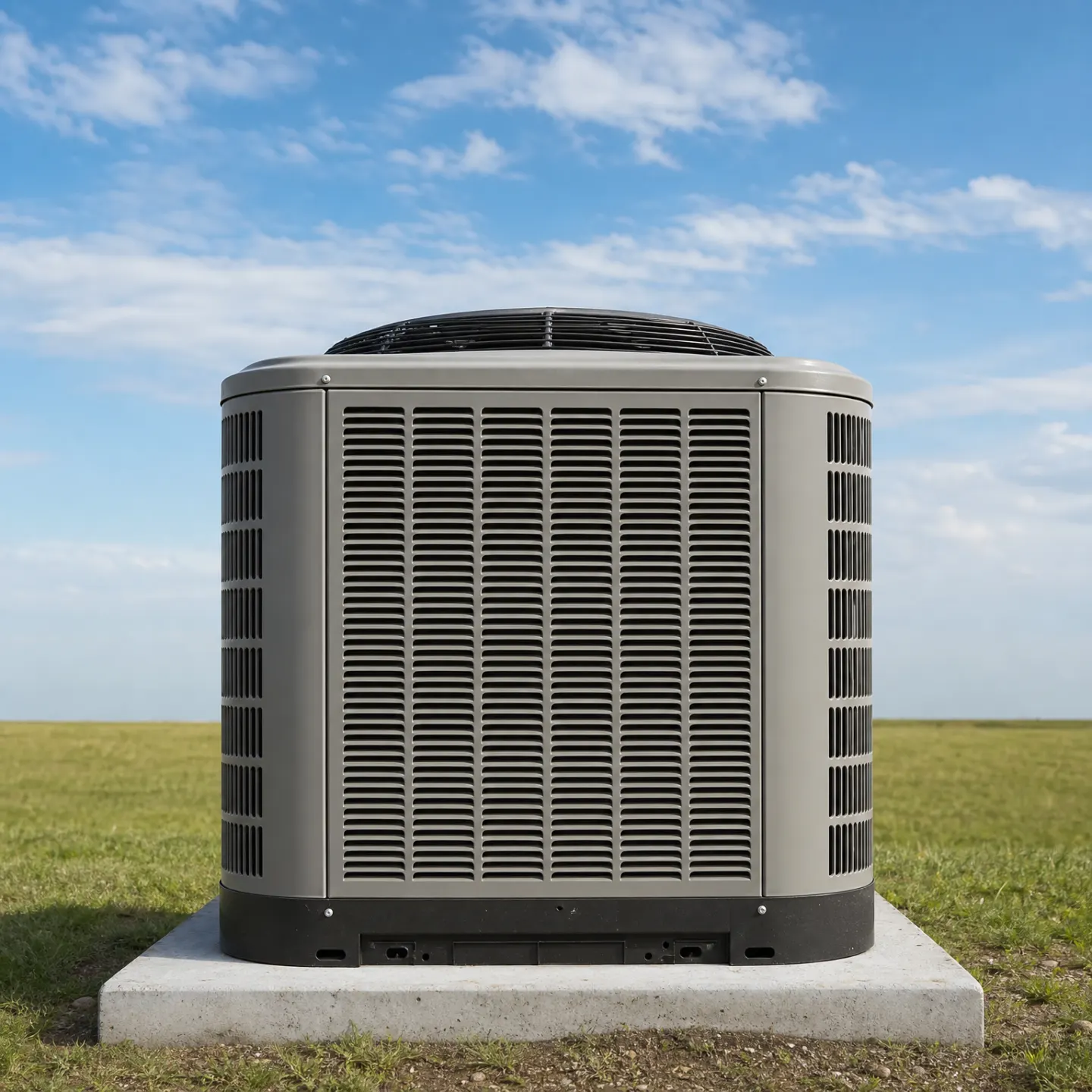
A gray metal air conditioning condenser unit mounted on a concrete pad in a flat grassy field under a partly cloudy sky.

The AC doesn't ask for help until it fails

A system that's about to need attention still runs. That's what makes the signs easy to miss. Listen for it cycling on and off more than it used to, short bursts instead of a steady run, because that pattern wears on the compressor every time it restarts. Watch how long it takes to cool the house down after it's been off. A longer stretch than you remember means something inside, usually the coil or the airflow across it, isn't moving heat the way it should. A capacitor near the end of its life often gives no warning at all. It starts the system fine for months, then one day it doesn't, and you're without cooling until someone replaces it. A check before that point catches a capacitor testing weak and swaps it on your schedule instead of its own.

Dirt doesn't stop at the coil

A coil caked with dust blocks airflow, so the system pulls return air through a dirty filter and across a dirty coil and still has to hit the same temperature. The motor and compressor pick up the slack. Run that way long enough and the strain shifts from a cleaning job to a compressor replacement.

Small parts fail first

A capacitor, a contactor, a run of refrigerant line all wear before the compressor does. Caught early, each one is a swap. Left alone, a weak capacitor forces the compressor to start harder every cycle, and a compressor that strains on every start is the one that eventually won't start at all.

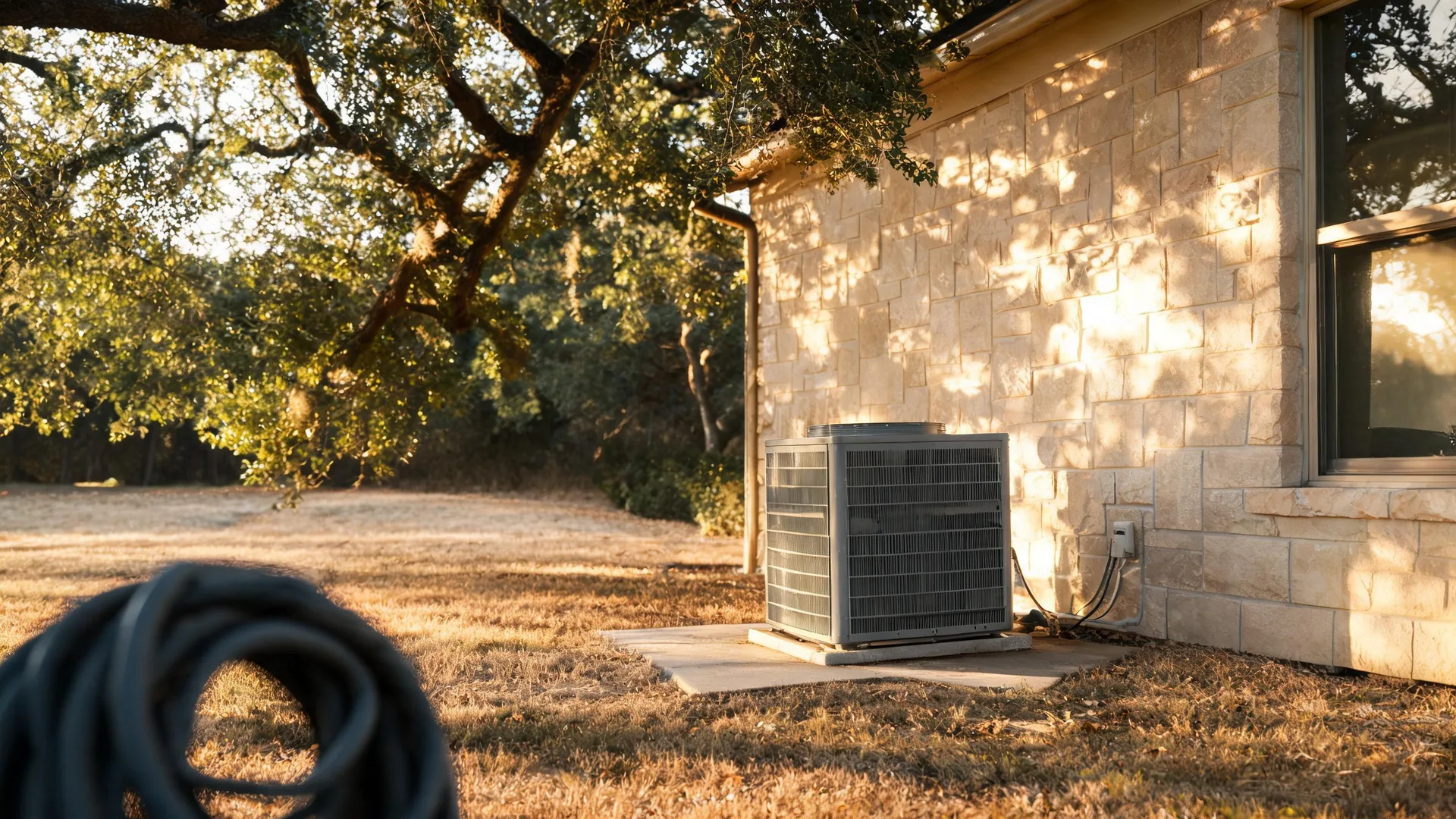
An outdoor air conditioning condenser unit positioned beside a blue-sided house at sunset.

Book your AC tune-up in February, before homes here start needing cooling in March.

  1. Jan
  2. Feb
  3. Mar
  4. Apr
  5. May
  6. Jun
  7. Jul
  8. Aug
  9. Sep
  10. Oct
  11. Nov
  12. Dec

A tune-up checks the refrigerant charge, cleans the coils, tests the capacitor and tightens the electrical connections.

A real tune-up starts with the technician cutting power and pulling the panel, not just running the system and watching the vents. The coil gets checked and cleaned, since a thin film of dirt across the fins is enough to cut how well it sheds heat. The capacitor gets tested under load, because a capacitor can measure fine sitting still and still fail to start the compressor. Refrigerant charge gets checked against what the system calls for, since both too little and too much make it run longer to do the same job. The contactor gets looked at for pitting, the condensate drain gets cleared so it doesn't back up, and the electrical connections get tightened, because a loose connection generates its own heat over time. None of that shows up from the outside. It only shows up when something opens the unit and checks each part on purpose.