




Texas Cooling Help
Two illuminated single-story brick ranch houses photographed at night, framed by large oak trees and a wide concrete driveway.

AC Maintenance in Killeen, TX

Tell us about the job

Takes about a minute. No obligation.

Step 1 of 3: Equipment

A dirty coil or a weak capacitor makes your AC work harder to do the same job, and harder work means more electricity. In Texas, that electricity ran 14.94 cents per kilowatthour in 2024, on the higher side for the country. Your AC isn't running a few weeks a year here. It's running for months, so any drop in efficiency gets charged to you on every one of those months' bills. A tune-up catches the dirty coil or the weak capacitor before it costs you anything extra.

7 months
April through October, your air conditioner is on duty
95°F
the average summer afternoon it cools against
116 hail events
in ten years, and hail bends the fins on outdoor coils
44 wind events
in ten years, and wind drives debris into outdoor units
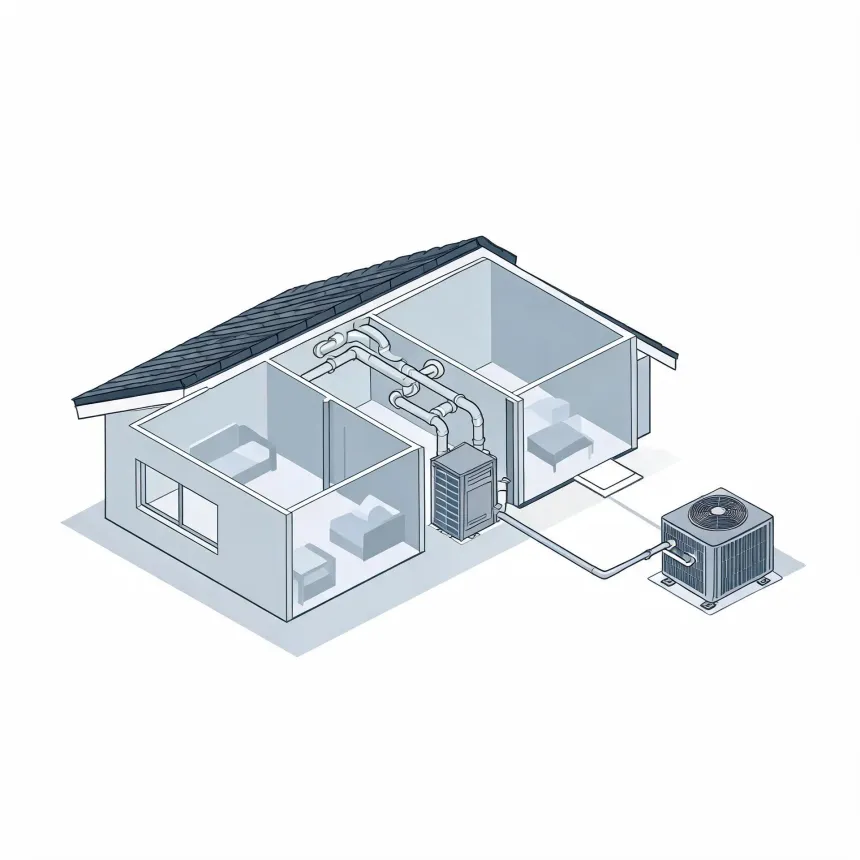
Isometric line illustration of a cutaway single-story house showing interior rooms, ductwork, an indoor air handler or furnace, and a refrigerant line running to an outdoor condenser unit on a pad.
Your air conditioner works hardest from June through September.

NOAA nClimDiv, 1991–2020 normals

Half the homes in Bell County were built in 1996 or later.

A system installed with a newer home still has years of work left in it, and a yearly check is what keeps it running smoothly through all of them.

April is the first month your AC works for a living. Have it checked in March.

Cooling runs April through October
Summer afternoons average 95°F
116 hail events from 2015 to 2024
Bell County weather is hard on outdoor units177 severe weather events hit Bell County between 2015 and 2024.

April through October, that's seven months your AC runs in Bell County, with afternoon highs averaging 95 in June, July and August. That kind of stretch wears on a capacitor or a contactor faster than a mild climate ever would. Bell County also sees a lot of hail, and hail finds the condenser outside before it finds anything else. Bent fins on that coil block airflow, and blocked airflow means the system runs longer to do the same job. A part that's already weak going into April tends to show it by June, right when the heat gives it no room to rest.

Catch the weak part before summer runs up the bill

Get the coil cleaned and the capacitor checked before the system has to carry a Texas summer. A weak part working harder than it should runs up a bill at 14.94 cents per kilowatthour, month after month, until someone catches it.

Find a contractor
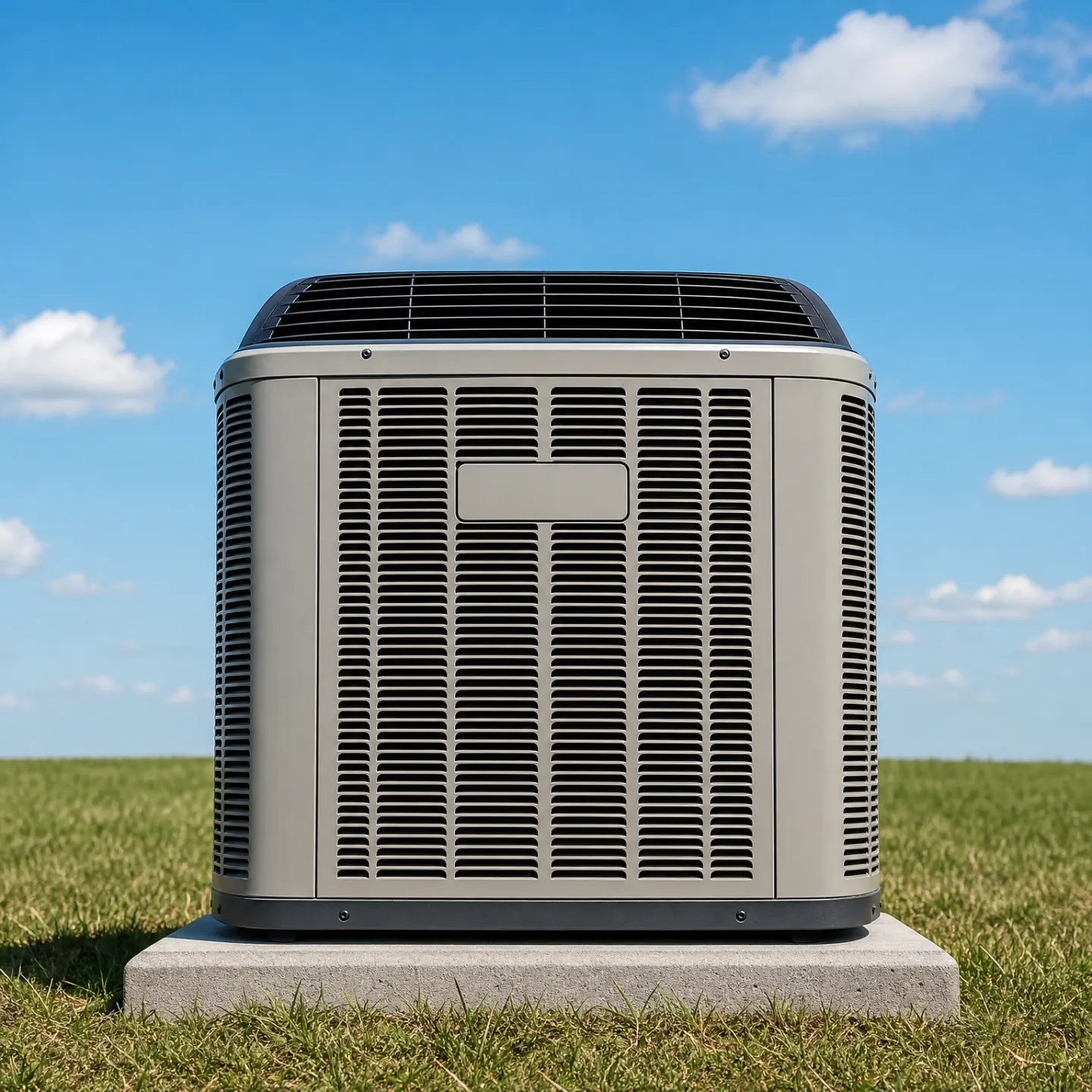
A gray residential air conditioning condenser unit mounted on a concrete pad outdoors, surrounded by green grass under a partly cloudy blue sky.

What a real check looks at, and what a quick one skips

A thorough tune-up checks parts under the conditions they'll actually face. The capacitor gets tested under a load that mimics startup, not just read with a meter while it sits idle. The refrigerant charge gets measured against what the system is rated for, not just checked for presence. A quick visit skips the load test and the drain line, and looks at the filter instead of the coil behind it. Both visits can end with the system turning on and blowing cold air. Only one of them tells you whether the parts behind that cold air are strong enough to carry the months ahead.

A warm house before the thermostat says so

Walk into a room and feel it's warmer than the setting before the thermostat catches up. That lag usually means the system is losing the fight against the heat outside, often a sign the refrigerant charge is low or the coil can't shed heat the way it should.
A short cycle is a warning, not a relief

An AC that shuts off a few minutes after it starts looks like it's keeping up, but short cycling strains the compressor and means something, often a dirty filter or a failing capacitor, is cutting the run short before the house actually cools.

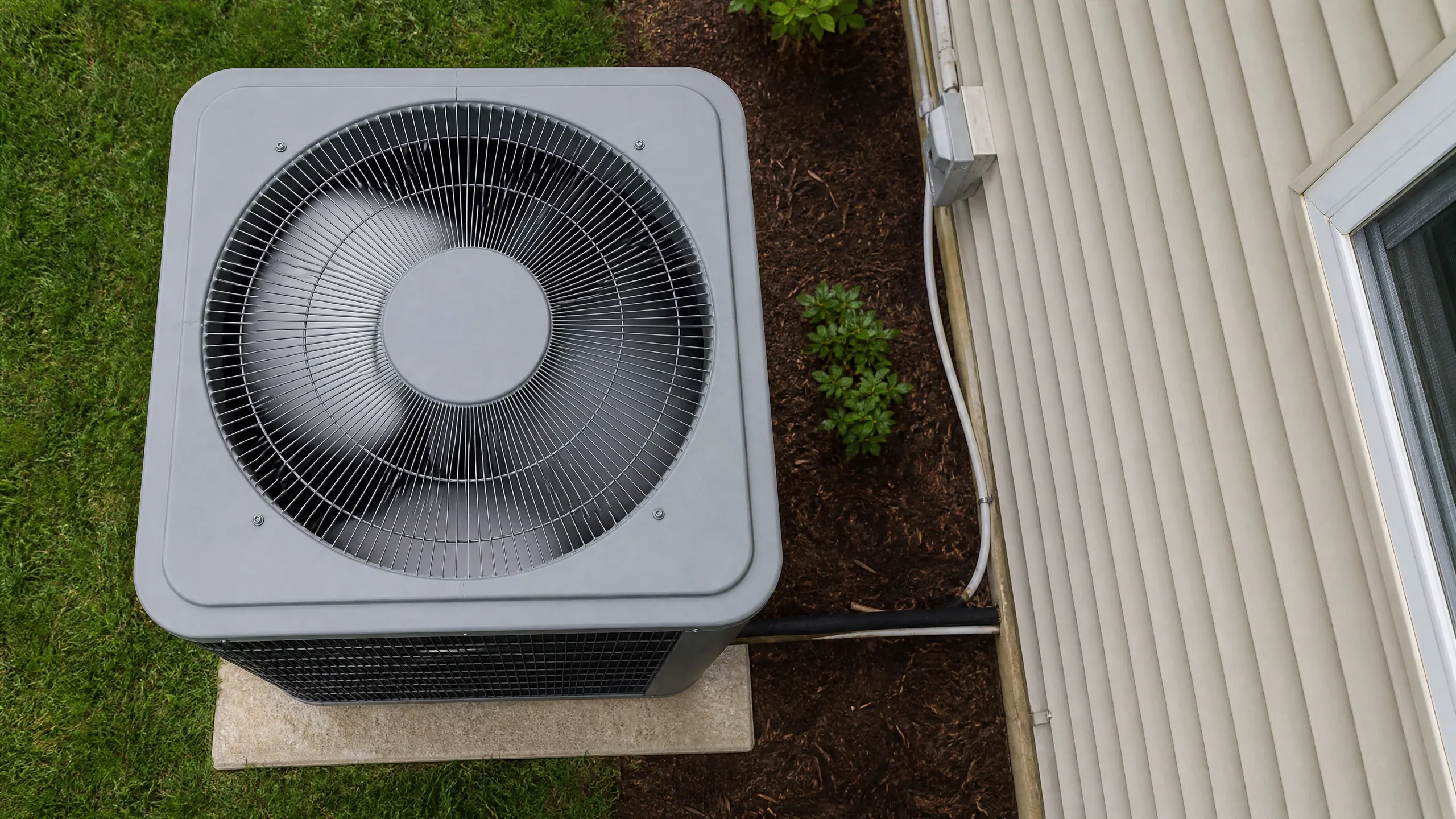
Aerial view of a gray outdoor air conditioning condenser unit mounted on a concrete pad next to a house with vinyl siding.

Book your AC tune-up in March, before homes here start needing cooling in April.

  1. Jan
  2. Feb
  3. Mar
  4. Apr
  5. May
  6. Jun
  7. Jul
  8. Aug
  9. Sep
  10. Oct
  11. Nov
  12. Dec

A tune-up checks the refrigerant charge, cleans the coils, tests the capacitor and tightens the electrical connections.

A tune-up starts outside at the condenser. The tech checks the refrigerant charge against what the system calls for, because too little refrigerant and the coil can't pull heat out of the air no matter how long it runs. The capacitor gets tested under load, not just looked at. A capacitor can read fine sitting still and still fail the moment the compressor asks it for a jolt. The contactor gets checked for pitting, since a pitted one can stick or fail to close the circuit at all. Indoors, the coil gets inspected for dirt and the drain line gets cleared, because a clogged drain backs up and shuts the system down on its own. Last comes the blower and the filter. A system can have a strong compressor and good refrigerant and still cool poorly if the air isn't moving through it.