





Texas Cooling Help
White plantation-style houses with wraparound porches lit at night, surrounded by Spanish moss-draped live oak trees.

AC Maintenance in Houston, TX

Tell us about the job

Takes about a minute. No obligation.

Step 1 of 3: Equipment

A quick visit gets you a glance at the filter and a check of the thermostat, then a sticker on the unit. A thorough one takes the panel off. The tech checks refrigerant pressure against what the system actually calls for, not just whether the lines feel cold. They pull the capacitor and test it under load, because a capacitor can read fine sitting still and still fail under the compressor's draw. They clean the condenser coil, not just blow dust off the top of it, since a coil caked with dirt and grass clippings makes the compressor work harder all season. They check the contactor for pitting, tighten electrical connections that work loose from vibration, and flush the condensate drain so it doesn't back up and shut the system down later. If all they do is glance and go, ask what they checked. If they can tell you the numbers they found, you had the real thing.

7 months
April through October, your air conditioner is on duty
93°F
the average summer afternoon it cools against
149 hail events
in ten years, and hail bends the fins on outdoor coils
178 wind events
in ten years, and wind drives debris into outdoor units
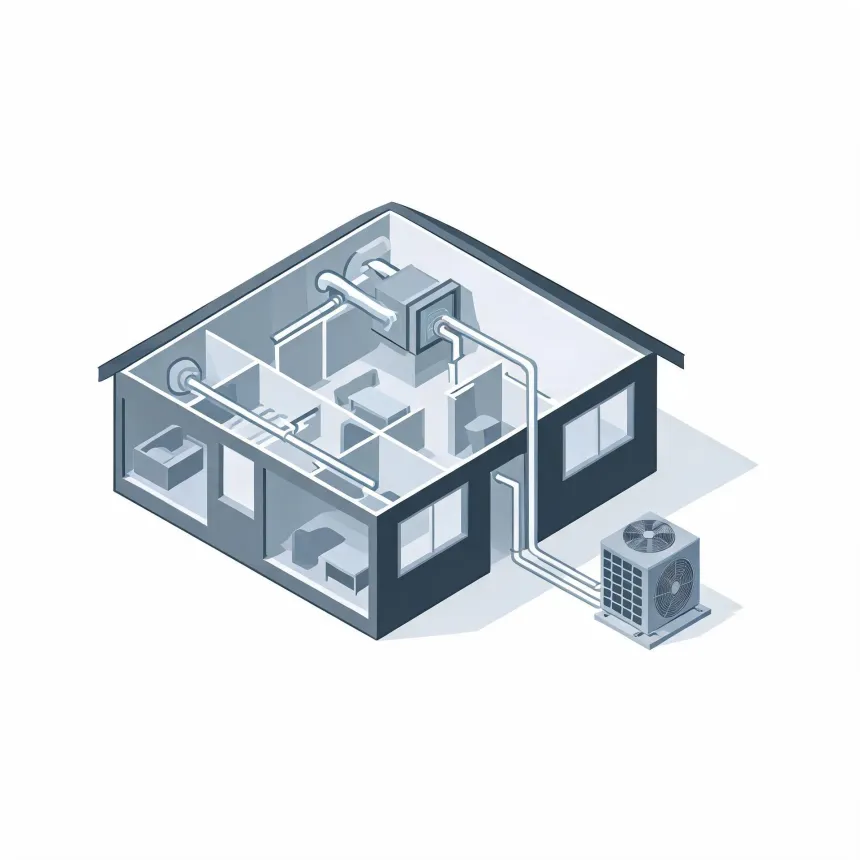
Isometric cutaway illustration of a single-story house showing interior ductwork and an air handler connected by lines to an outdoor condenser unit on a pad beside the building.
Your air conditioner works hardest from May through September.

NOAA nClimDiv, 1991–2020 normals

Warm air from the vents when the thermostat is set cold enough means the system is already struggling.

Catch that on a maintenance visit and it's a dirty coil or a weak capacitor, not a dead compressor.

Cooling starts working hard in April here. Have it checked in March.

Cooling runs April through October
Summer afternoons average 93°F
178 damaging wind events from 2015 to 2024
A newer system here still needs a yearly checkHalf the homes in Harris County were built in 1988 or later.

Harris County logged 403 severe weather events between 2015 and 2024, and damaging wind and hail made up most of them. Hail dents the fins on an outdoor unit and bends them shut. Wind throws branches and debris into the coil where you can't see it from the yard. A maintenance visit gets the panel off and looks at the coil directly, so that kind of damage gets caught before it cuts into how well the system cools. It matters more here because when the power goes out after a storm, it tends to stay out a while, and a unit already struggling to begin with has less room to recover.

A neglected AC costs more to run in Houston

Electricity here runs 14.94 cents per kilowatt-hour, and a system working harder than it should pulls more of it every time it cycles on. A dirty coil or a weak capacitor makes the compressor strain, and that shows up on the bill before it shows up as a breakdown. A maintenance visit catches that while it's still cheap to fix.

Find a contractor
A man in a dark shirt and tan work pants carries a waxed canvas bag up wooden porch steps toward an orange front door, with a potted shrub to the right.
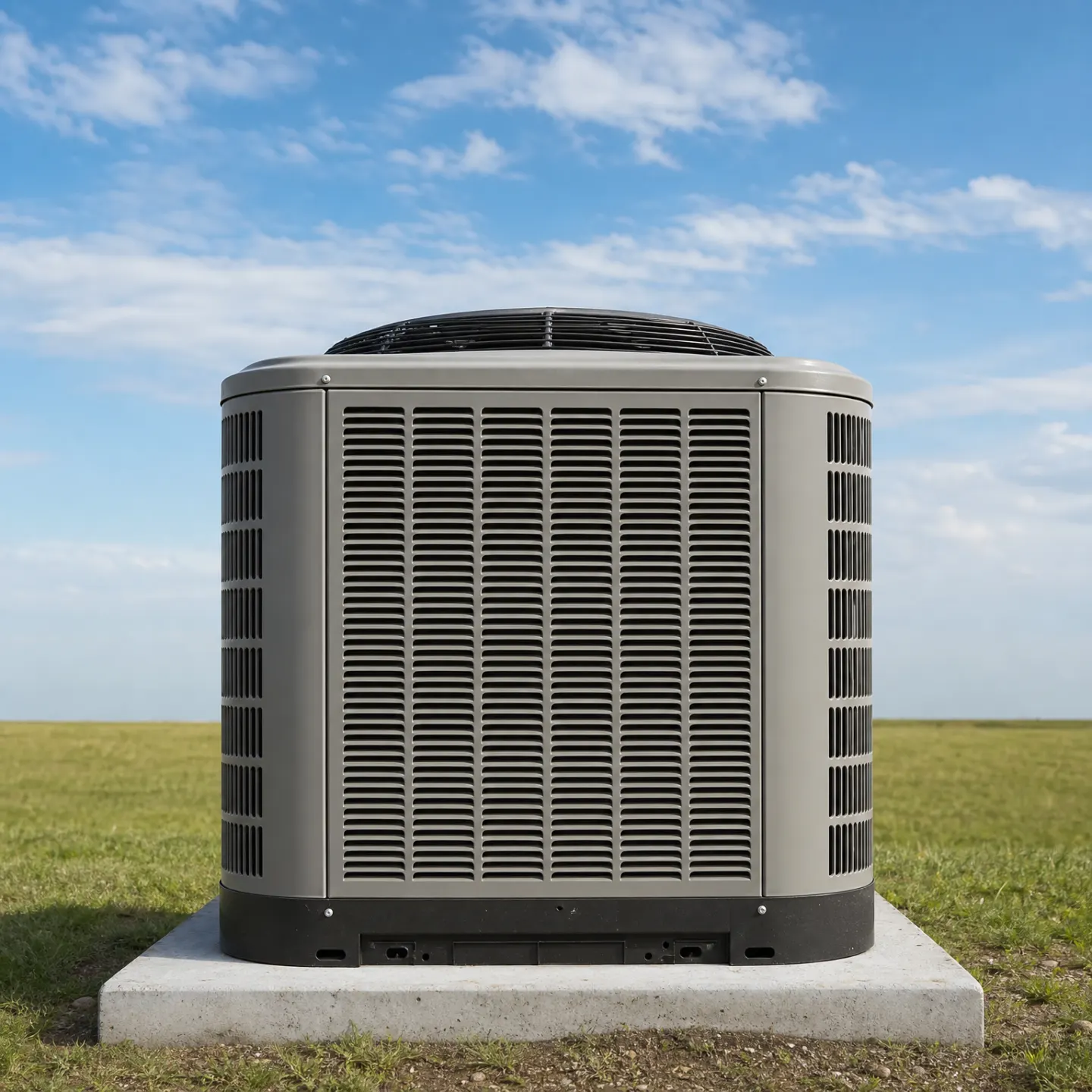
A gray metal air conditioning condenser unit mounted on a concrete pad in a flat grassy field under a partly cloudy sky.

Keep a newer system running like one

That math only works if a yearly check-up stays on the calendar. A system installed when the house was built is likely still within its working life, which means the parts inside are worth protecting, not just replacing when something fails. The yearly visit is what keeps a system that age running like it's supposed to, instead of losing a little efficiency every summer until it doesn't.

The refrigerant charge, checked against the number

A system can feel cold at the vents and still be low on charge. The only way to know is to hook up gauges and compare the reading to what that system calls for. Run it low too long and the compressor has to work harder to move the same amount of heat, and that wear doesn't undo itself.


The drain line, before it backs up

Condensate drains are narrow, and algae grows in them quietly over a season. A clogged line doesn't announce itself until the pan overflows or the switch trips and shuts the system down. Flushing it on a maintenance visit is the only way to catch it while it's just a clog and not a shutdown.

An outdoor air conditioning condenser unit positioned on a concrete pad next to a blue-sided house, surrounded by green shrubs and flowering hydrangeas at sunset.

Book your AC tune-up in March, before homes here start needing cooling in April.

  1. Jan
  2. Feb
  3. Mar
  4. Apr
  5. May
  6. Jun
  7. Jul
  8. Aug
  9. Sep
  10. Oct
  11. Nov
  12. Dec

A tune-up checks the refrigerant charge, cleans the coils, tests the capacitor and tightens the electrical connections.

A tune-up is also when the tech checks the blower motor and the fan that moves air across the evaporator coil. If that wheel is caked with dust, airflow drops and the coil can ice over even when everything else in the system is fine. They check the refrigerant lines for oily residue, which is how a slow leak shows itself before the charge drops low enough to matter. They test the start-up and shut-down cycle, since a system that struggles to kick on or runs on after the thermostat is satisfied is telling you something about the contactor or the control board. And they check the ductwork connections near the unit, because a loose seam there is the same as a hole in the side of the system, no matter how clean the coil is.