



Texas Cooling Help
A weathered wooden privacy fence runs along the left side of a dry grass yard beside single-story brick houses with dark shingled roofs, under overhanging oak branches and an overcast sky.

AC Maintenance in Fort Worth, TX

Tell us about the job

Takes about a minute. No obligation.

Step 1 of 3: Equipment

A dirty coil or a low charge makes the compressor work harder to move the same amount of heat. That extra work shows up on the meter. Texas electricity ran 14.94 cents per kilowatthour in 2024, and Fort Worth summers ask a lot of the system that moves it. A unit running longer than it should, or working harder than it should, burns through that rate every hour it's on. A tune-up gets the coil clean and the charge right, so the compressor stops fighting to do the same job.

6 months
May through October, your air conditioner is on duty
94°F
the average summer afternoon it cools against
416 hail events
in ten years, and hail bends the fins on outdoor coils
253 wind events
in ten years, and wind drives debris into outdoor units
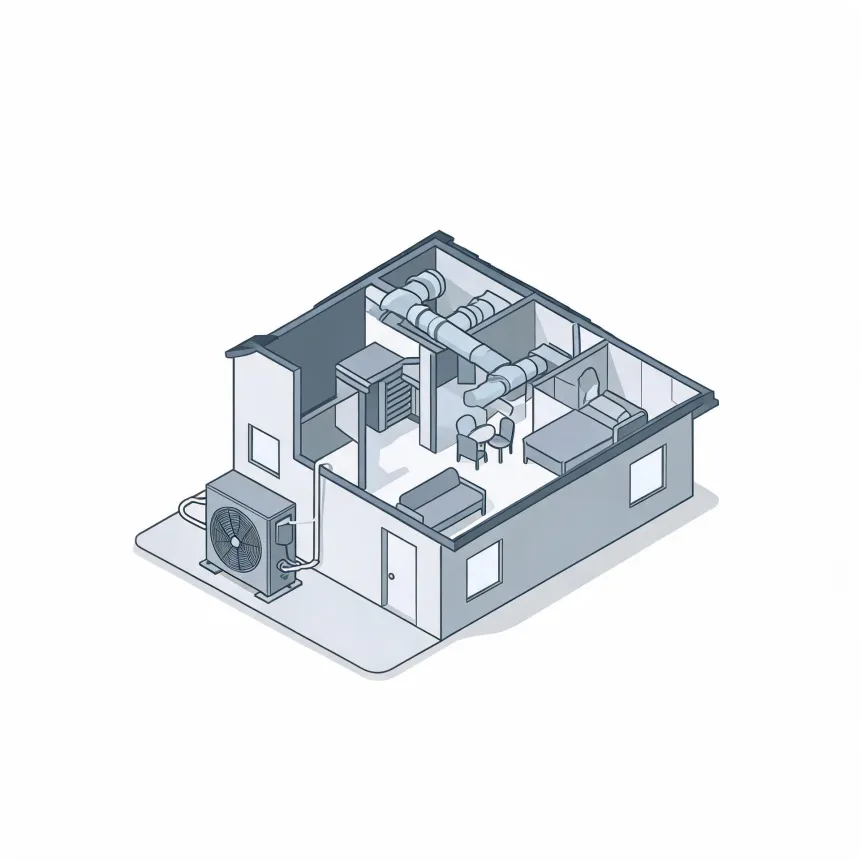
Isometric line illustration of a cutaway house showing interior rooms with furniture and ceiling ductwork, connected to an outdoor condenser unit with a fan beside the building.
Your air conditioner works hardest from June through September.

NOAA nClimDiv, 1991–2020 normals

Hail has hit Tarrant County 416 times between 2015 and 2024.

Outdoor units sit outside through all of it, so check the coil and cabinet for damage before summer asks anything of them.

May is the first full month of cooling here. Have it checked in April, before it has to work.

Cooling runs May through October
Summer afternoons average 94°F
253 damaging wind events from 2015 to 2024
A newer system still needs a yearly lookHalf the homes in Tarrant County were built in 1990 or later.

Wind and tornadoes do their own kind of damage, separate from hail. Tarrant County had 253 damaging wind events and 22 tornadoes over that same stretch, and both can bend fins, loosen panels or throw debris into the cabinet without a mark that's obvious from a few feet away. A tune-up has someone looking at the unit up close, not just glancing at it from the patio. Outages matter too. A third of Texas households lost power for a day or more in 2024, and a system that was already running hard before that happens has less room to recover once it's back on. Checked and cleaned before summer, it starts the season working the way it's supposed to.

Get it checked before the running costs add up

A clean coil and the right charge keep the compressor from working harder than it has to, and here that extra work costs more per hour than most places pay. Getting it looked at now is what keeps that rate from climbing before summer even starts.

Find a contractor
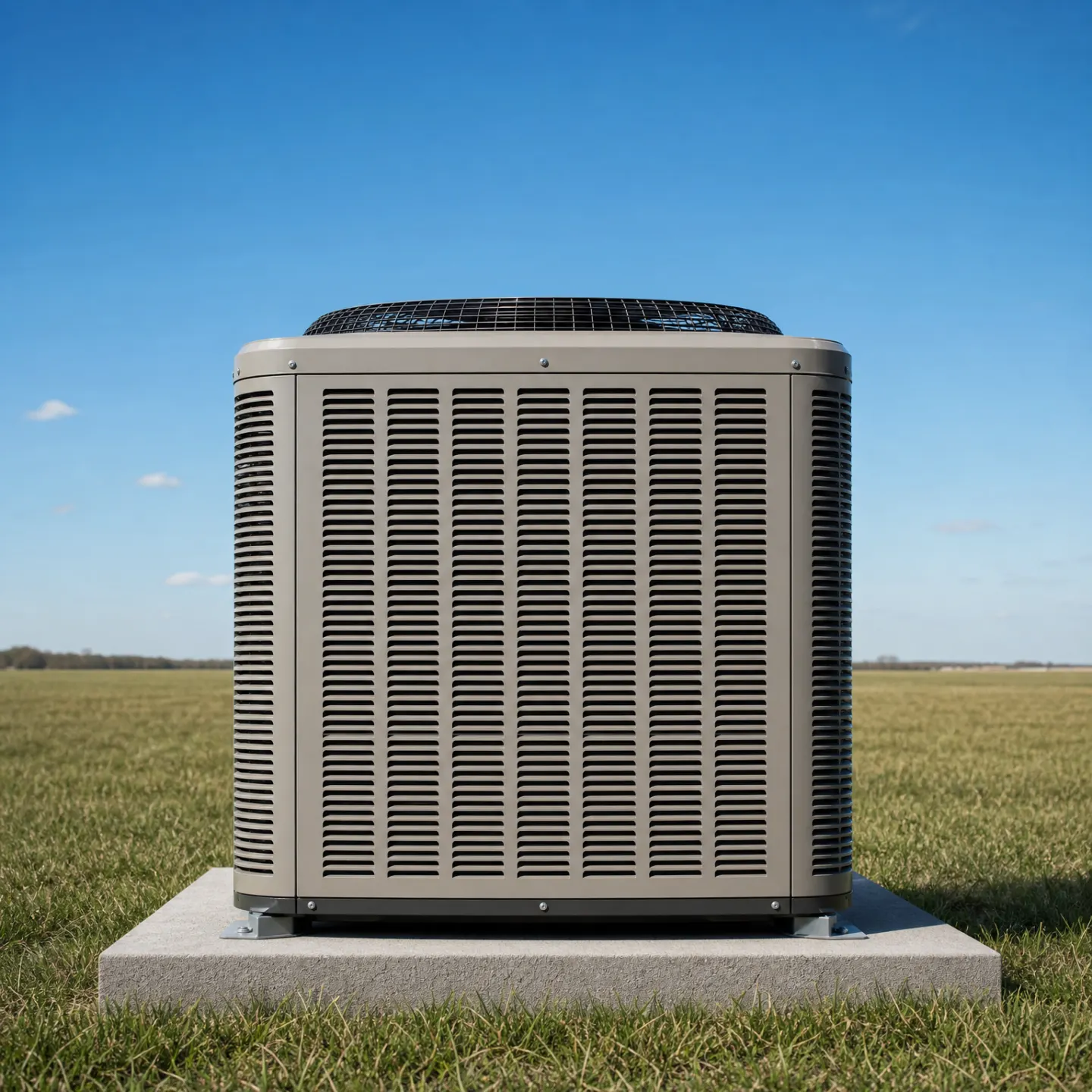
A gray residential air conditioner condenser unit mounted on a concrete pad in an open grass field.

Six months of heat, and the wear shows up early

Cooling runs here from May through October, and the afternoon high averages 94°F through June, July and August. That's the stretch the compressor runs longest, with little break overnight to cool back down. A capacitor or contactor that's already weak tends to give out under that kind of load, not while it's sitting idle. The coil takes the same beating, and a dirty one only makes the compressor work harder to keep up. Whatever is going to fail this year usually shows itself once the heat sets in.

The filter is the first line of defense

A clogged filter chokes off airflow across the indoor coil. Starved of air, that coil can get cold enough to ice over, and once ice forms, the problem feeds itself. A filter should be checked monthly and changed on a regular schedule, not left until it looks gray.

The drain line decides where the water goes

The indoor coil pulls moisture out of the air all day, and that water has to leave through the condensate drain. Algae and dirt build up in that line over time and block it. Once it backs up, the unit either shuts itself off or sends water into the house instead of outside.

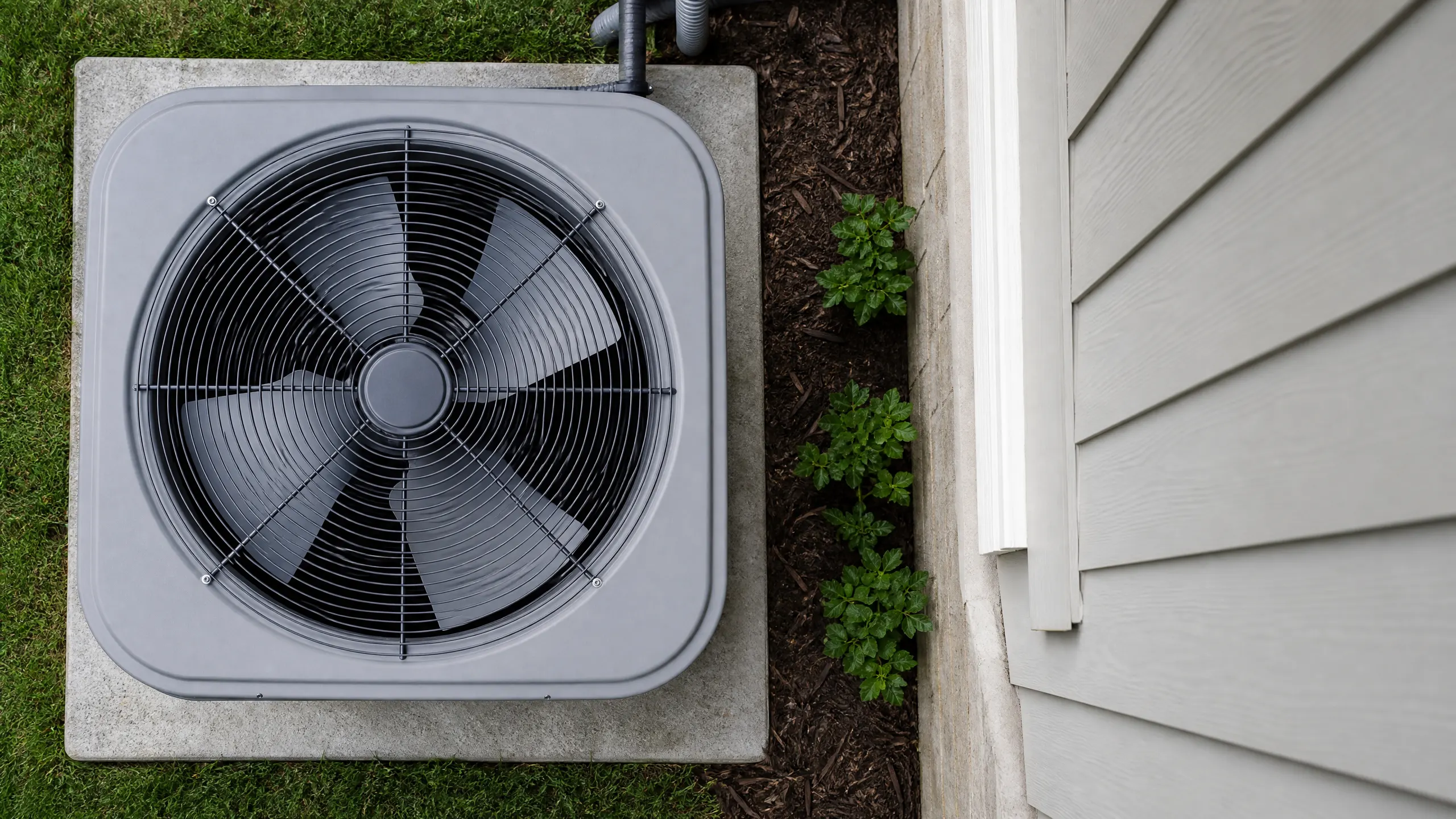
Aerial view of a gray central air conditioning condenser unit on a concrete pad next to a house with vinyl siding.

Book your AC tune-up in April, before homes here start needing cooling in May.

  1. Jan
  2. Feb
  3. Mar
  4. Apr
  5. May
  6. Jun
  7. Jul
  8. Aug
  9. Sep
  10. Oct
  11. Nov
  12. Dec

A tune-up checks the refrigerant charge, cleans the coils, tests the capacitor and tightens the electrical connections.

A real tune-up starts outside at the condenser. The tech pulls the cabinet if needed and checks the capacitor and contactor, since those are the parts most likely to weaken from heat cycling and cause a no-start. The coil gets cleaned, not just looked at, because caked-on dirt and grass clippings cut airflow across it the same way a clogged filter does on the other side. Refrigerant charge gets checked against what the system calls for, since too little or too much both make the compressor work harder than it should. Inside, the blower and the indoor coil get looked over, and the drain line gets checked for algae or buildup before it backs up. Electrical connections get tightened, because a loose wire at the contactor is a common reason a unit stops cooling partway through the season. None of this requires anything to be broken first.