



Texas Cooling Help
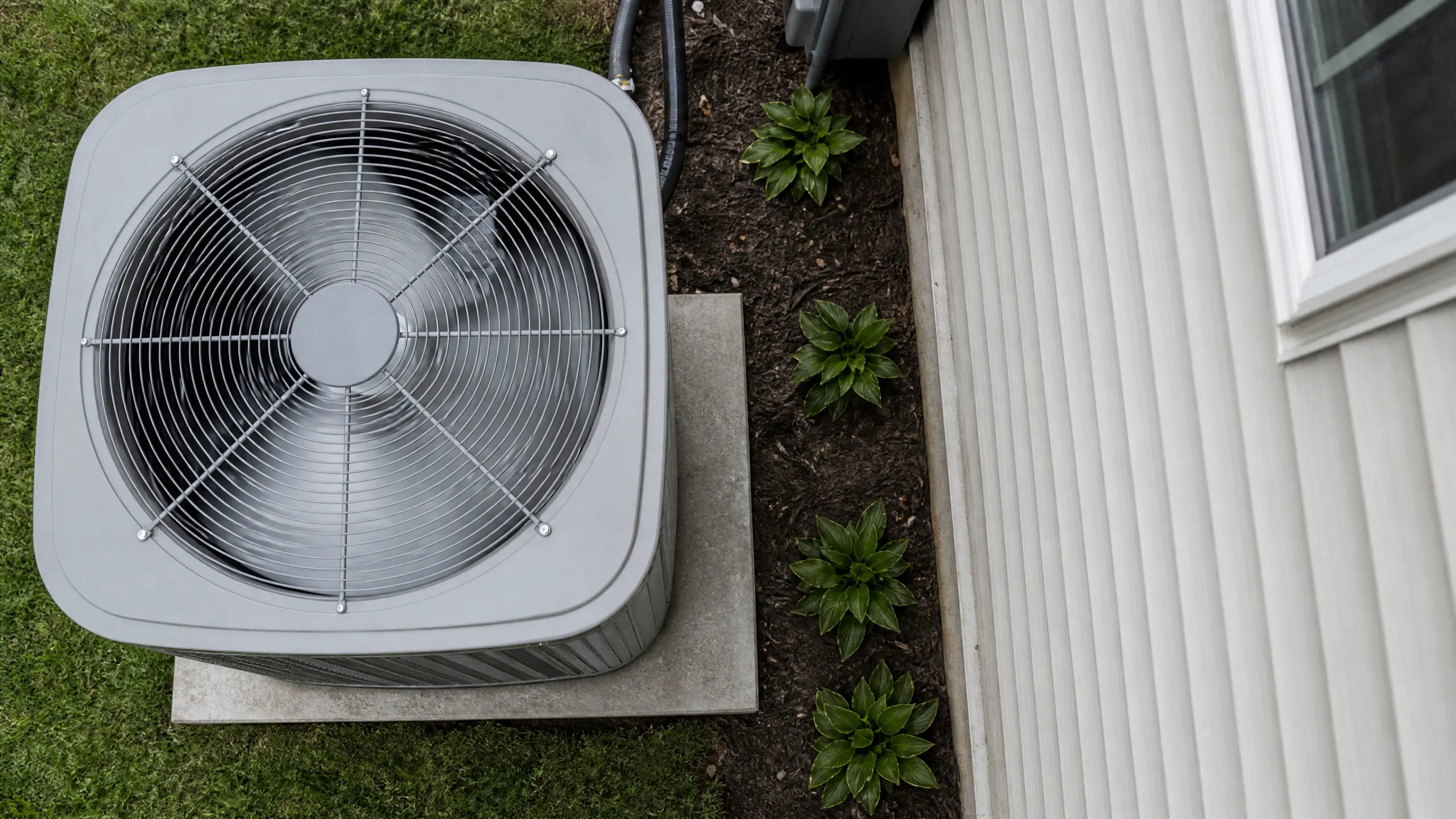
Overhead view of a gray outdoor AC condenser unit on a concrete pad beside a mulched garden bed and a house with vinyl siding.

AC Maintenance in Forney, TX

Tell us about the job

Takes about a minute. No obligation.

Step 1 of 3: Equipment

Electricity in Texas ran 14.94 cents per kilowatthour in 2024, well above what a lot of states pay. A dirty coil or a low charge makes the compressor work harder to cool the same house, and every extra minute it runs shows up on the meter. That cost compounds all summer long, not just on the hottest days. A system that's been checked over and cleaned runs closer to the way it was built to run, which means less of that rate working against you.

6 months
May through October, your air conditioner is on duty
93°F
the average summer afternoon it cools against
58 hail events
in ten years, and hail bends the fins on outdoor coils
48 wind events
in ten years, and wind drives debris into outdoor units
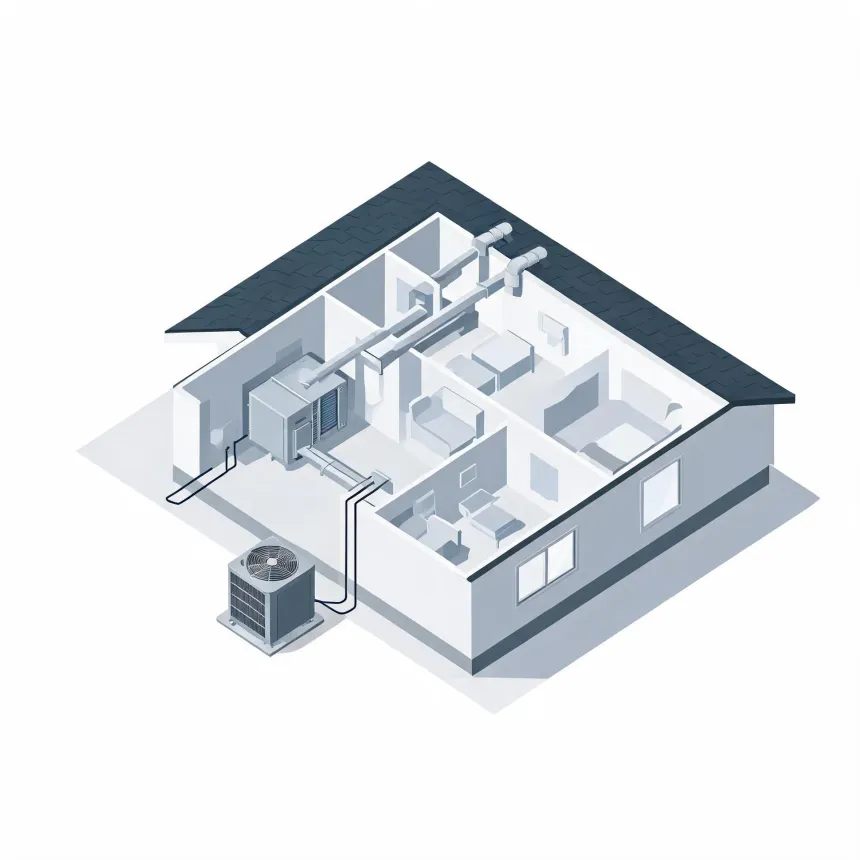
Isometric cutaway illustration of a single-story house showing interior rooms, ceiling ductwork, an indoor air handler, and an outdoor condenser unit connected by lines, in gray and white tones on a white background.
Your air conditioner works hardest from June through September.

NOAA nClimDiv, 1991–2020 normals

Kaufman County saw 121 severe weather events between 2015 and 2024, including hail and damaging wind.

A condenser that sits outside through that gets checked for bent fins, hail dents and debris before the next storm finds a weak spot.

May is month one. April is when you get it checked.

Cooling runs May through October
Summer afternoons average 93°F
Power costs 14.94 cents a kWh statewide
Six months of thisAfternoon highs average 93°F here through June, July and August.

Skip a season of maintenance and the first thing to go is airflow. Dust and dander build up on the evaporator coil, and that coil needs to be clean to pull heat out of the air. Once it's coated, the system has to run longer to reach the same temperature on the thermostat. Run it long enough in that state and ice can start forming on the coil itself, which cuts airflow even further and can push liquid refrigerant back into the compressor. That's the part nobody wants to replace. A yearly check catches the coil while it's still just dirty, not iced over.

A clean system costs less to run at these rates

Get the coil cleaned and the charge checked before summer runs the compressor harder than it needs to. At 14.94 cents a kilowatt-hour, the extra runtime a neglected system adds is working against you every day it's hot, not just on the worst ones.

Find a contractor
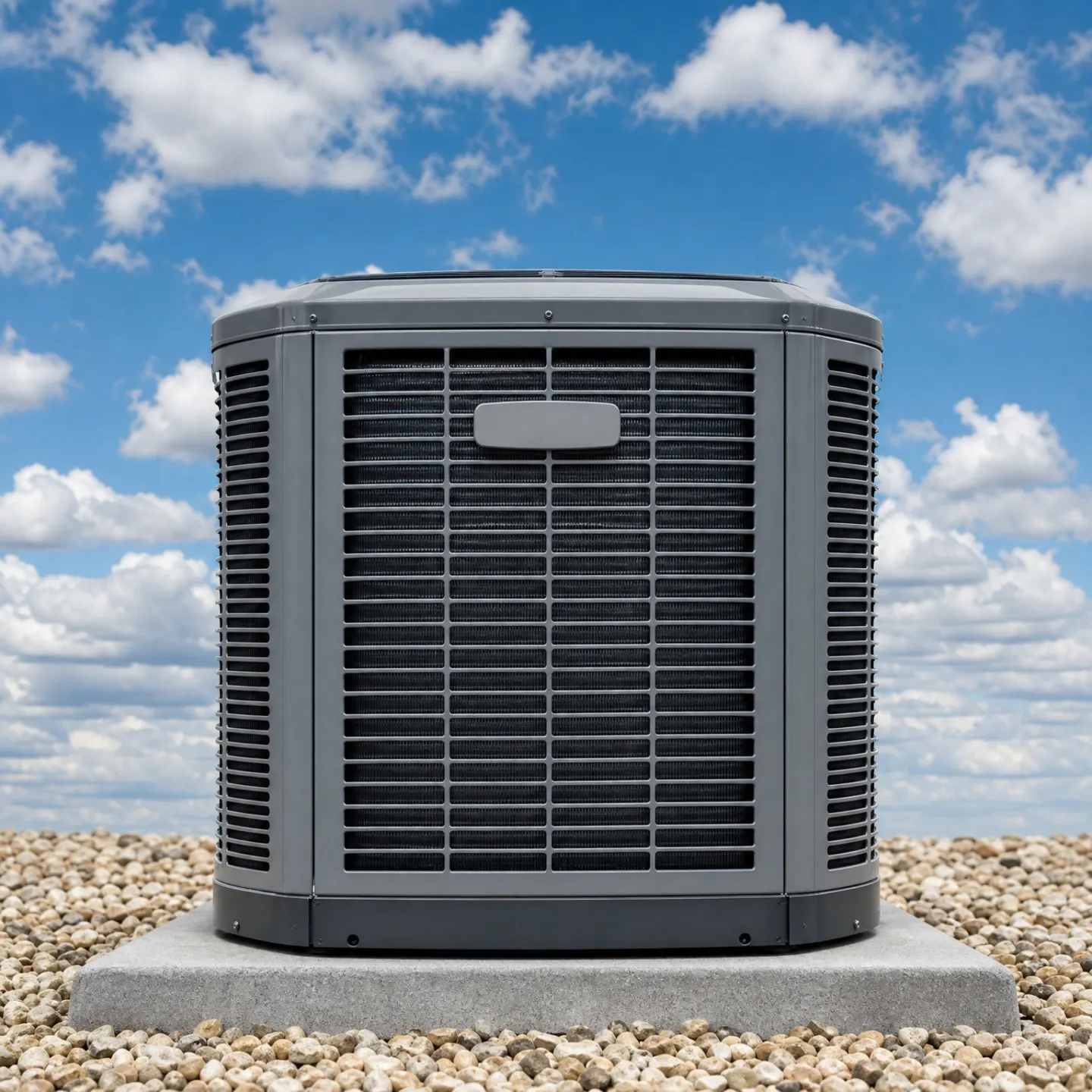
An outdoor air conditioning condenser unit mounted on a concrete pad surrounded by gravel, photographed against a partly cloudy blue sky.

Get it checked before the season runs it hard

Six straight months at 93 degree afternoons wears on a system fast. Have it looked at before May so whatever's starting to wear shows up on a bench, not on the hottest afternoon in July or August.

Keep the filter clean

Check the filter once a month and swap it when it's gray or matted. A clogged filter starves the system of airflow, and the coil behind it needs that airflow to pull heat out of the house. Running on a dirty filter is the one habit that undoes a good tune-up fastest, and it's the one thing in the whole system you can handle yourself.


Leave the rest to a gauge, not a guess

Refrigerant charge, electrical connections and the condenser fan motor all need tools to check properly, not a glance. Opening the cabinet to poke around does more harm than good. What you can do between visits is keep the area around the outdoor unit clear of leaves and clippings, and watch for ice on the lines or water pooling where it shouldn't. Anything beyond that is a job for the next scheduled check.

An outdoor air conditioning condenser unit mounted on a concrete pad next to a blue-sided residential house at sunset.

Book your AC tune-up in April, before homes here start needing cooling in May.

  1. Jan
  2. Feb
  3. Mar
  4. Apr
  5. May
  6. Jun
  7. Jul
  8. Aug
  9. Sep
  10. Oct
  11. Nov
  12. Dec

A tune-up checks the refrigerant charge, cleans the coils, tests the capacitor and tightens the electrical connections.

A real tune-up starts with the refrigerant charge, measured against the manufacturer's numbers rather than eyeballed. Too little and the system loses its capacity to cool. Too much and the compressor takes on liquid it was never built to handle. The contactors get checked for pitting. Capacitors get tested under load, since they weaken long before they fail outright. Connections get snugged down so nothing arcs or overheats, and the condenser fan motor gets checked for noise and end play. Outside, the coil fins get cleaned and straightened enough for air to pass through them, and the drain line gets cleared so the condensate has somewhere to go. None of this fixes something that's visibly broken. It finds the part that's about to be.