


Texas Cooling Help
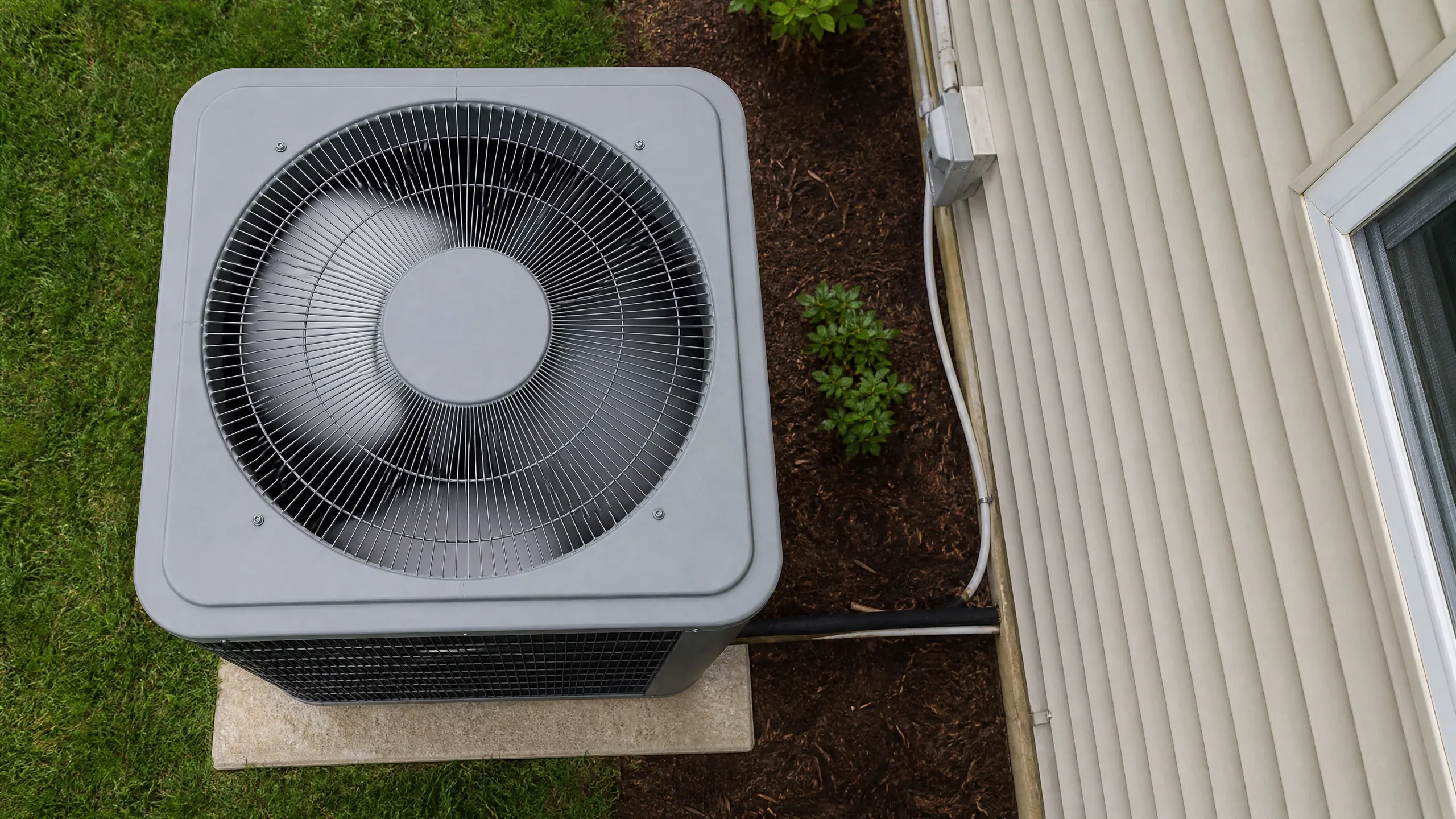
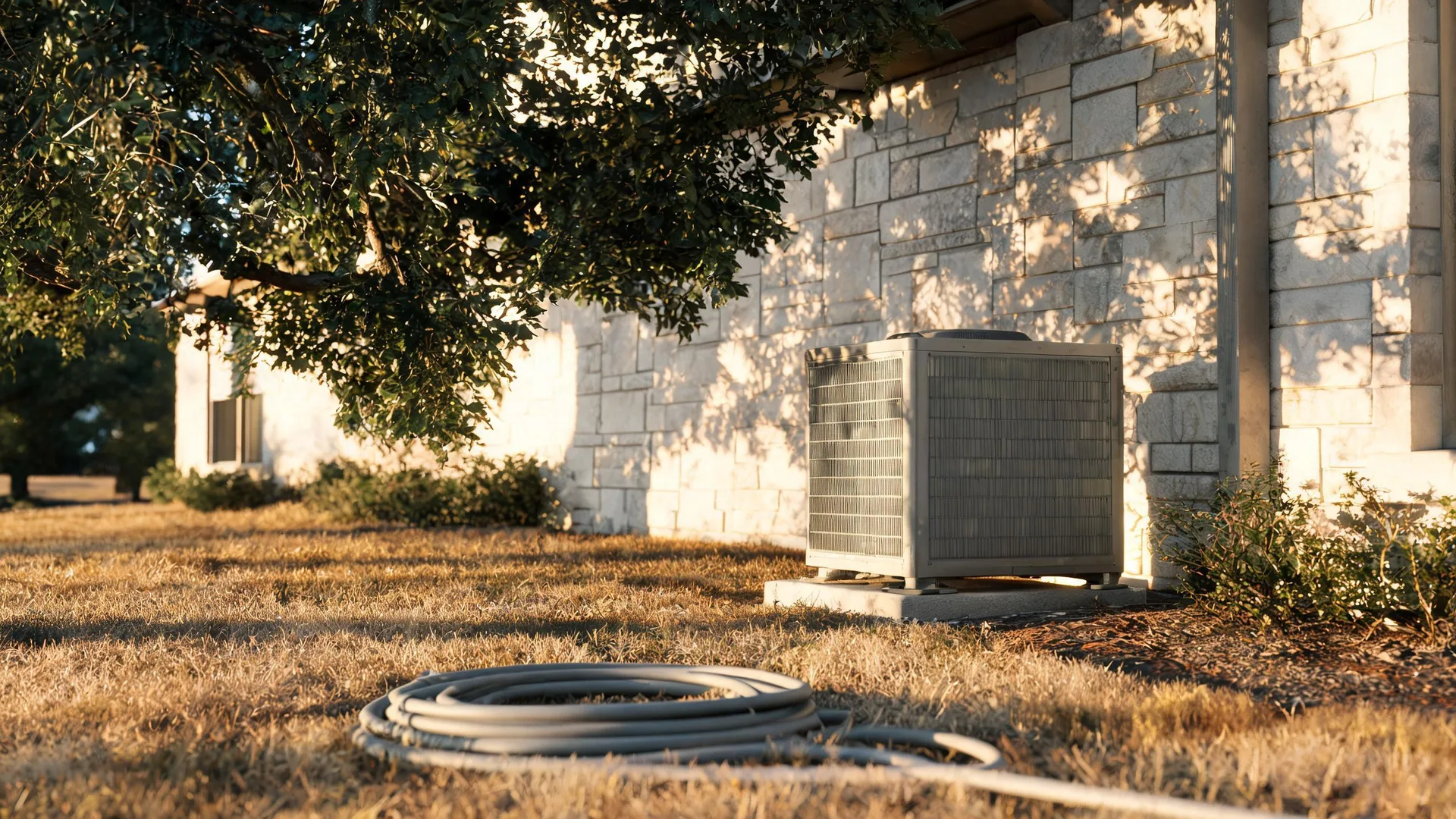
Aerial view of a gray outdoor air conditioning condenser unit mounted on a concrete pad next to a house with vinyl siding.

AC Maintenance in El Paso, TX

Tell us about the job

Takes about a minute. No obligation.

Step 1 of 3: Equipment

Electricity in Texas ran 14.94 cents per kilowatt-hour in 2024. A dirty coil or a low charge makes the compressor work harder to move the same amount of heat out of your house, and that shows up on the meter every single cycle it runs. In El Paso that meter is spinning most months of the year. A unit that's losing efficiency doesn't announce it. The bill just climbs, a little at a time, until it's normal.

5 months
May through September, your air conditioner is on duty
95°F
the average summer afternoon it cools against
57 hail events
in ten years, and hail bends the fins on outdoor coils
70 wind events
in ten years, and wind drives debris into outdoor units
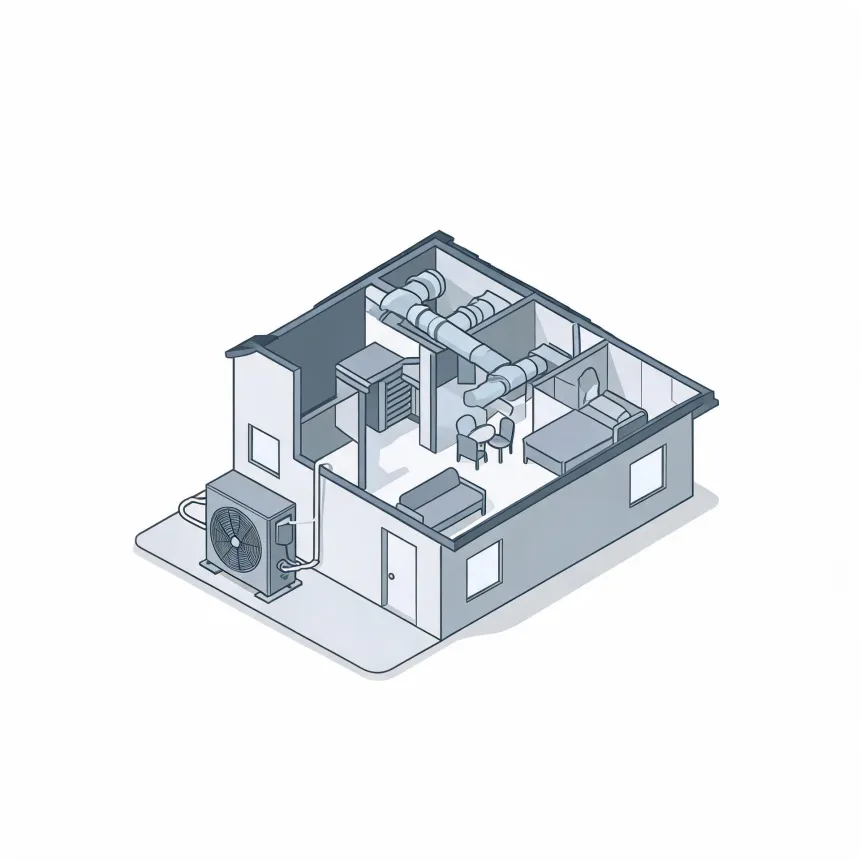
Isometric line illustration of a cutaway house showing interior rooms with furniture and ceiling ductwork, connected to an outdoor condenser unit with a fan beside the building.
Your air conditioner works hardest from June through September.

NOAA nClimDiv, 1991–2020 normals

The filter is the one part you can check yourself without opening a panel.

Swap it out when it's gray and matted, and the coil behind it stays cleaner between visits.

May is when it starts working. Have it checked in April.

Cooling runs May through September
Summer afternoons average 95°F
57 hail events from 2015 to 2024

A checkup costs less than the power a tired unit wastes

A tune-up catches a dirty coil or a low charge before a summer's worth of cycles runs up the bill behind it. Electricity here already runs 14.94 cents per kilowatt-hour. Getting the unit checked before it starts working is the cheaper way to find out something's wrong.

Find a contractor
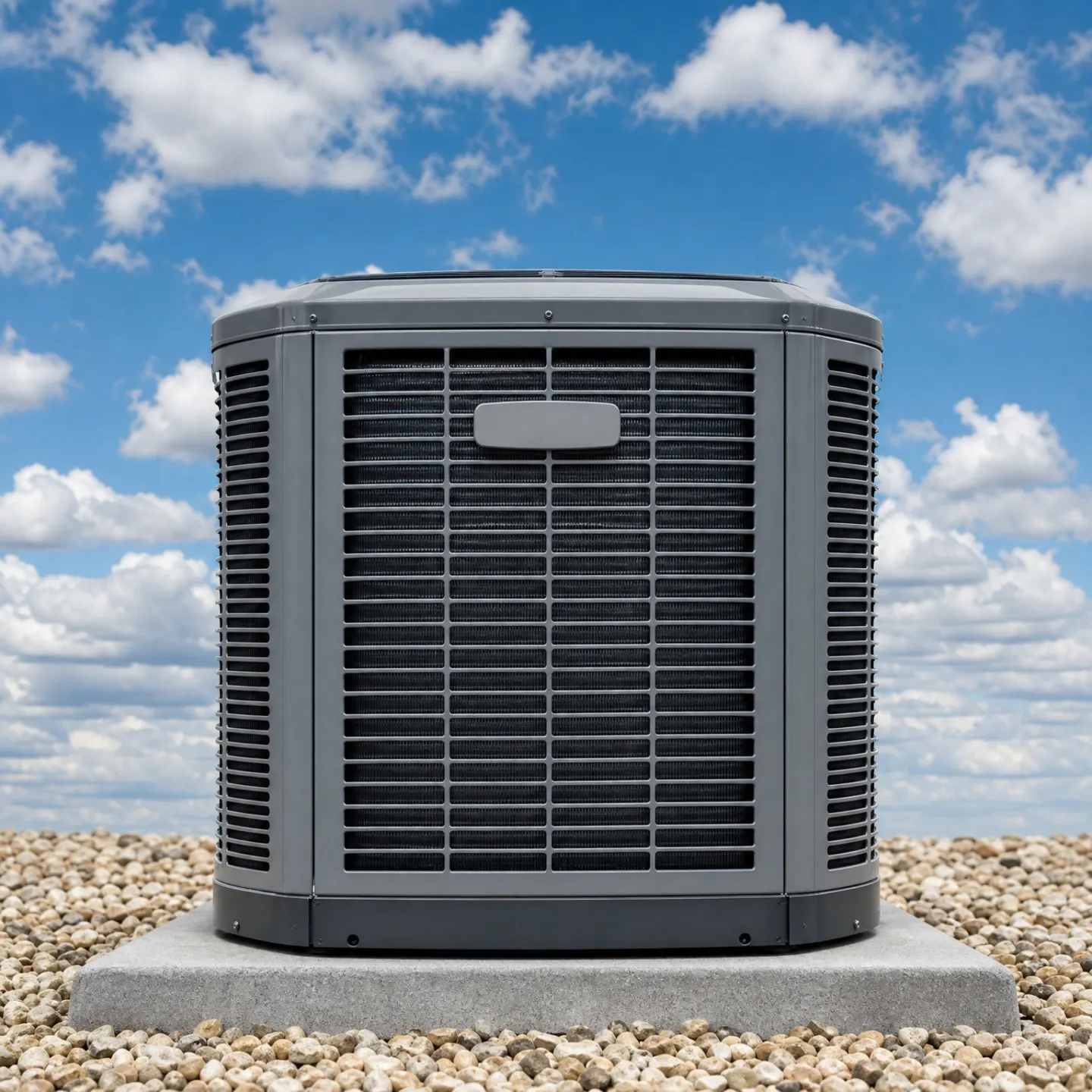
An outdoor air conditioning condenser unit mounted on a concrete pad surrounded by gravel, photographed against a partly cloudy blue sky.

A newer system still needs the yearly check

Half the homes in El Paso County were built in 1988 or later. If yours is one of them, the AC is still well inside the age where a yearly check keeps it running the way it was built to. A unit that age isn't fighting worn parts yet, so maintenance now is mostly about keeping it that way, not catching something already going wrong.

It's short cycling

A healthy system runs a full cooling cycle and shuts off. If yours is kicking on and off every few minutes, something is making it think the house is cooled before it actually is, or the compressor is struggling to start. Either way it's worth a look before that wear turns into a failed start capacitor.
It's not drying the air

A working AC pulls moisture out of the house as it cools. If the house feels damp or sticky even when the temperature seems right, the coil may be icing over or the airflow across it has dropped. The cooling still feels like it's working, but the system is already struggling.

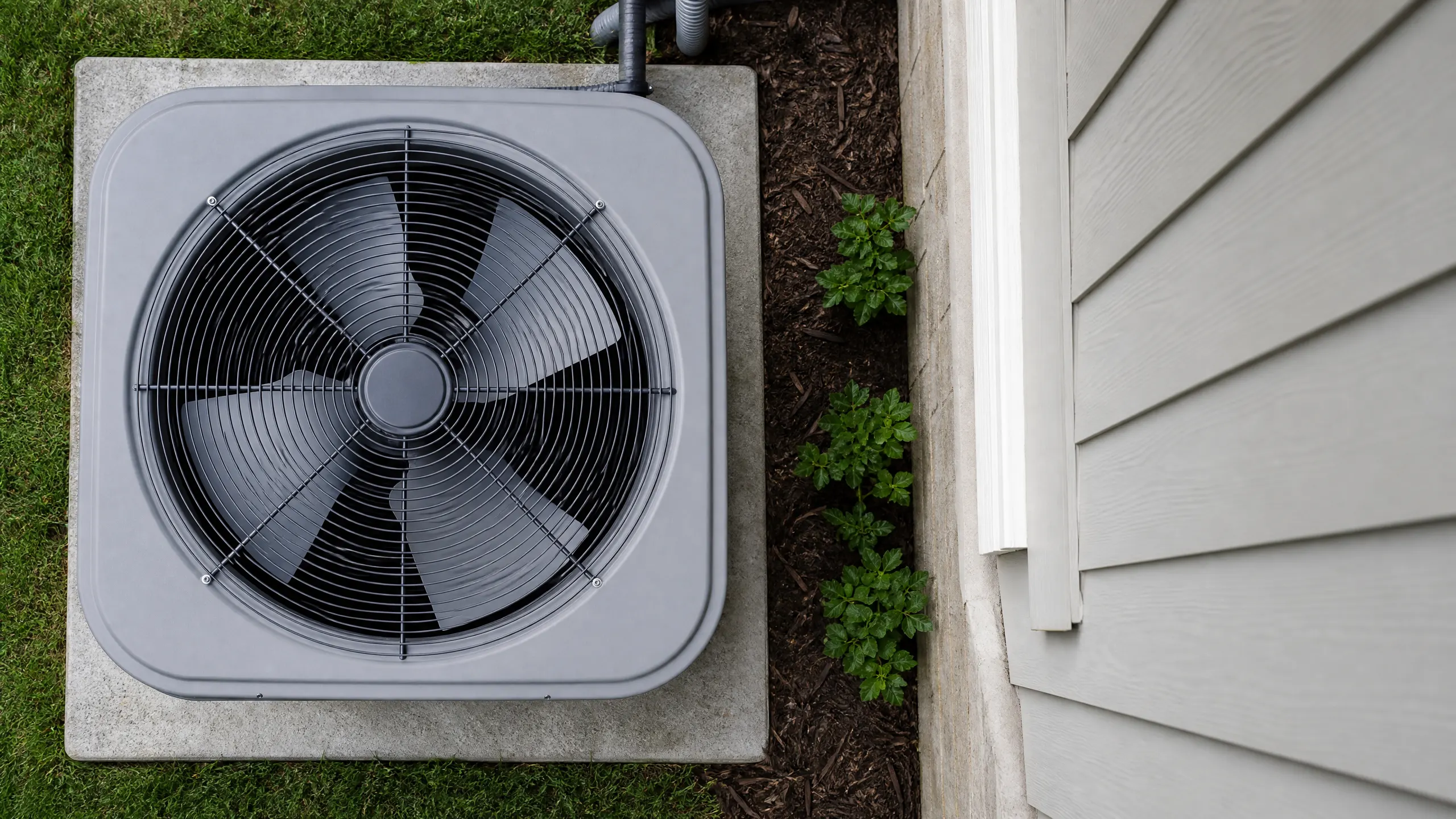
Aerial view of a gray central air conditioning condenser unit on a concrete pad next to a house with vinyl siding.

Book your AC tune-up in April, before homes here start needing cooling in May.

  1. Jan
  2. Feb
  3. Mar
  4. Apr
  5. May
  6. Jun
  7. Jul
  8. Aug
  9. Sep
  10. Oct
  11. Nov
  12. Dec

A tune-up checks the refrigerant charge, cleans the coils, tests the capacitor and tightens the electrical connections.

A tune-up starts outside, at the condenser. The tech pulls the panel and checks the capacitor, the part that gives the compressor and fan motor the jolt they need to start. A weak one still starts the unit most days, so you won't know it's failing until it doesn't. Inside, they check the refrigerant charge against what the system is supposed to hold, not just whether it's cold. Too little and the compressor overworks. Too much and it can send liquid back into the compressor, which it isn't built to handle. They'll check the contactor for pitting, clean the outdoor coil of whatever's packed into the fins, and check that the blower is actually moving the air the system was sized for. Every reading gets checked against a number the manufacturer already set, not guessed at.