




Texas Cooling Help
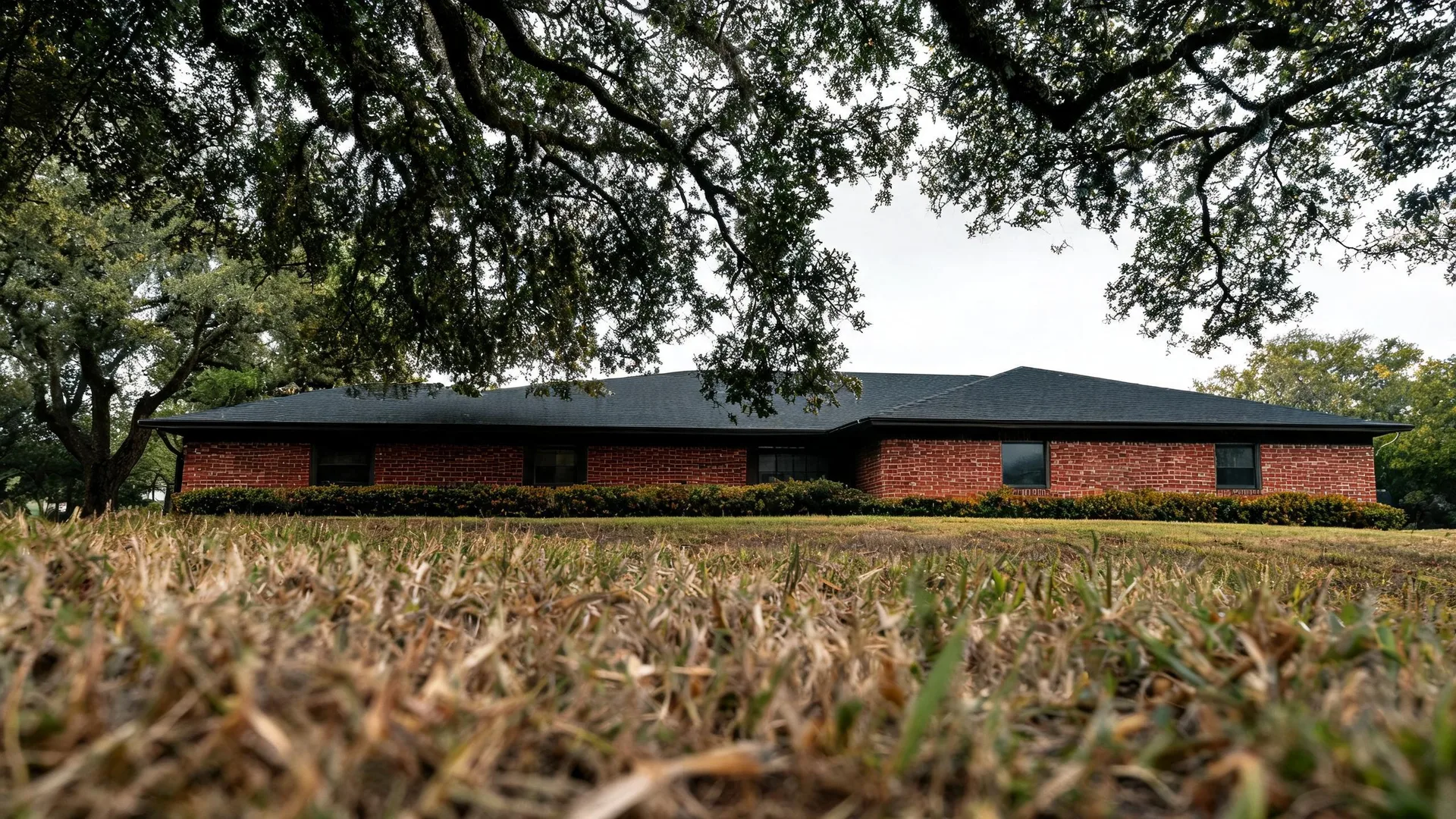
A single-story red brick house with a dark shingled roof and trimmed hedges, seen from across a dry lawn framed by overhanging oak branches under an overcast sky.

AC Maintenance in Dallas, TX

Tell us about the job

Takes about a minute. No obligation.

Step 1 of 3: Equipment

A dirty coil or a low charge makes the compressor work harder to hit the same temperature, and that shows up on the meter. Texas homes paid 14.94 cents per kilowatthour in 2024, on the higher end for the country, so a system running inefficiently all summer is burning money every single afternoon it runs. A clean coil, the right charge and a filter that isn't clogged let the unit do its job without straining for it. That difference doesn't show up all at once. It shows up every month the system runs, which in Dallas is most of them.

6 months
May through October, your air conditioner is on duty
94°F
the average summer afternoon it cools against
186 hail events
in ten years, and hail bends the fins on outdoor coils
145 wind events
in ten years, and wind drives debris into outdoor units
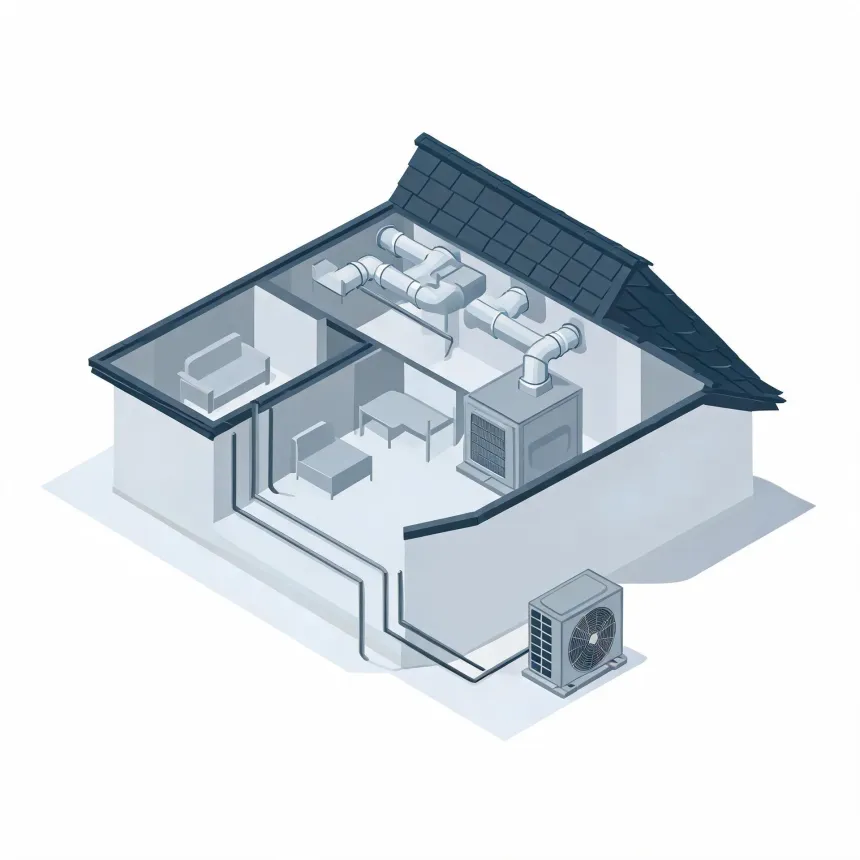
Isometric cutaway illustration of a house showing attic ductwork, an indoor air handler, refrigerant lines running outside, and an outdoor condenser unit on a pad.
Your air conditioner works hardest from June through September.

NOAA nClimDiv, 1991–2020 normals

AC runs here from May through October, six months straight.

April is the month to get it checked, before it has to work.

Six months of Dallas heat and hail wear a system down fast once summer starts

Cooling runs May through October
Summer afternoons average 94°F
186 hail events from 2015 to 2024
Get it checked before it has to workSix months of cooling, afternoon highs averaging 94°F in summer

Half the homes in Dallas County were built in 1983 or later, so a lot of the AC systems running out there aren't old by equipment standards. A system in good condition holds its charge and keeps its coil clean through one summer, but a Texas summer is hard on a unit, and the wear adds up each year whether or not anyone's looking at it. A yearly check catches a weak capacitor or a slow refrigerant leak before it turns into a compressor replacement. That's worth more when the system still has years left to give.

Get it checked before the meter pays for it

A checkup now costs less than a system pulling extra power every afternoon it runs. At 14.94 cents a kilowatthour, a strained unit shows up on the bill before it ever breaks down.

Find a contractor
A man in a gray long-sleeve shirt and work pants carries a canvas tool bag as he climbs porch steps toward an orange front door of a gray clapboard house, with a potted shrub to the right.
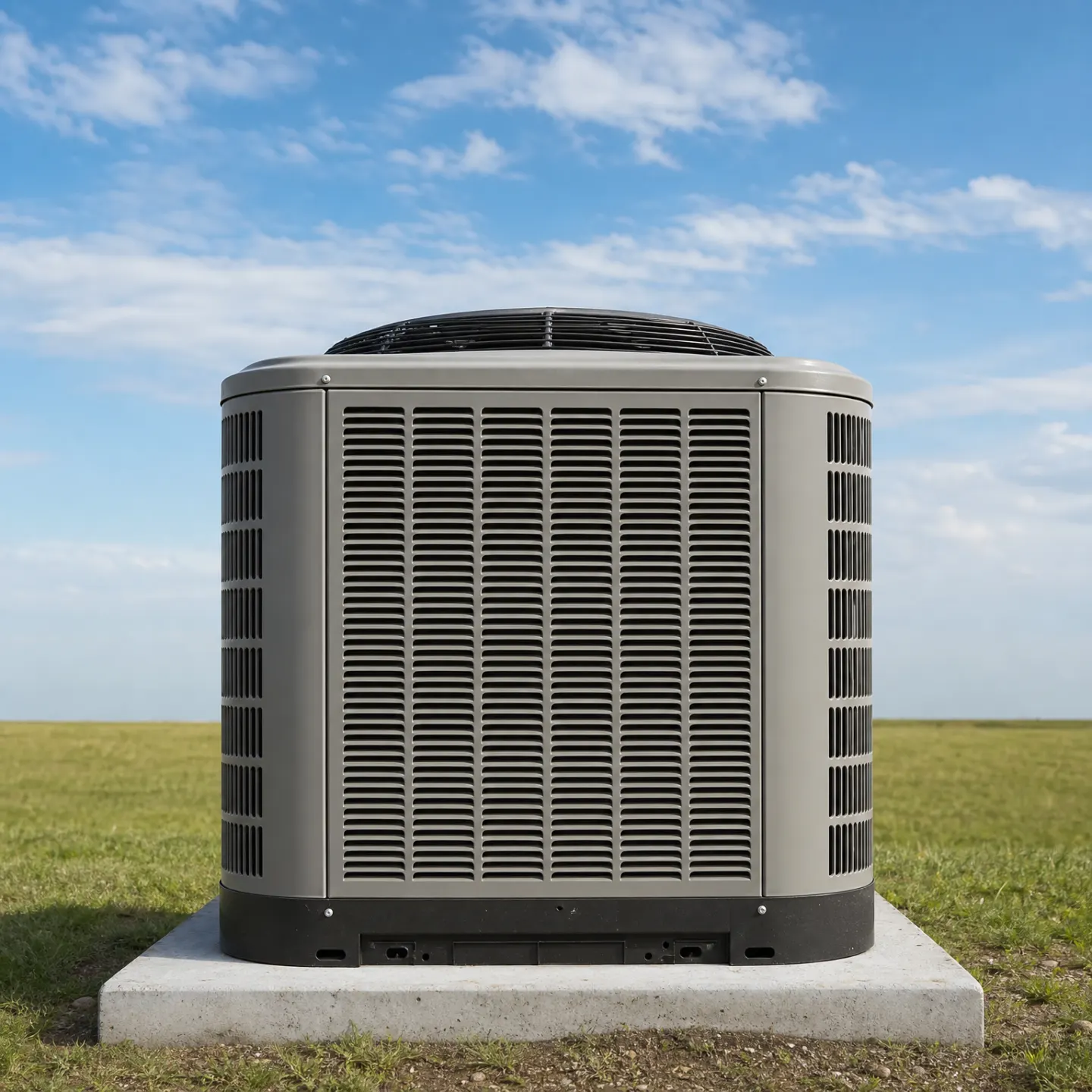
A gray metal air conditioning condenser unit mounted on a concrete pad in a flat grassy field under a partly cloudy sky.

Start the yearly check while it still has years ahead of it

If your system came with a newer build, it's worth putting on a yearly schedule now rather than waiting for a reason. A checkup every year from here on means the same tech sees it season after season, catching the same weak capacitor or slow leak early each time instead of once. Start that now and a system with years left to give actually gets them.

The reading the gauges give you

A tech hooks up gauges and checks the refrigerant charge against what the system calls for. Too little and the coil can start icing over even on a hot afternoon. Too much and the compressor runs under pressure it wasn't built to handle. Neither one is visible from the thermostat. The system still blows cold air while it's happening, right up until it doesn't.

What the capacitor and contactor won't tell you themselves

The start capacitor gives the compressor and fan motor the kick they need to get moving. A capacitor going weak still lets the system start most days, until the one afternoon it doesn't. A tech checks it against its rating, not just whether it's working today. The contactor gets the same look, since burnt or pitted contacts run hotter each time they close and don't announce it until they fail.

An outdoor air conditioning condenser unit positioned on a concrete pad next to a blue-sided house, surrounded by green shrubs and flowering hydrangeas at sunset.

Book your AC tune-up in April, before homes here start needing cooling in May.

  1. Jan
  2. Feb
  3. Mar
  4. Apr
  5. May
  6. Jun
  7. Jul
  8. Aug
  9. Sep
  10. Oct
  11. Nov
  12. Dec

A tune-up checks the refrigerant charge, cleans the coils, tests the capacitor and tightens the electrical connections.

A tune-up starts outside, with the condenser coil. Dirt and grass clippings matted into those fins block airflow, so the coil can't shed heat the way it's supposed to, and a tech cleans it rather than just rinsing the surface. The blower wheel inside gets checked too, since a wheel caked with dust moves less air across the evaporator coil even when the filter upstream is clean. From there it's a look at the condensate drain, which clogs with algae over a season and backs up into the pan or the house if nobody clears it. The tech checks the contactor and capacitor under load, not just at rest, because a part can look fine sitting still and still fail the moment it has to start the compressor. Refrigerant charge gets checked against the system's rating rather than topped off by guess. Each of these is a small thing on its own, and most of them don't show up as a problem until the day they do.