





Texas Cooling Help
An outdoor air conditioning condenser unit positioned beside a blue-sided house at sunset.

AC Maintenance in Corpus Christi, TX

Tell us about the job

Takes about a minute. No obligation.

Step 1 of 3: Equipment

A dirty coil or a low charge makes your AC run longer to hit the same temperature, and in Corpus Christi that extra runtime isn't cheap. Texas homes paid 14.94 cents per kilowatthour in 2024, and an AC that's working harder than it should pulls more of them, month after month. A unit in good shape doesn't have to fight through a dirty filter or a weak capacitor to do the same job. Skip the upkeep and the system quietly costs you more to run every single day it's hot outside, which in Corpus Christi is most of the year.

9 months
March through November, your air conditioner is on duty
94°F
the average summer afternoon it cools against
16 hail events
in ten years, and hail bends the fins on outdoor coils
85 wind events
in ten years, and wind drives debris into outdoor units
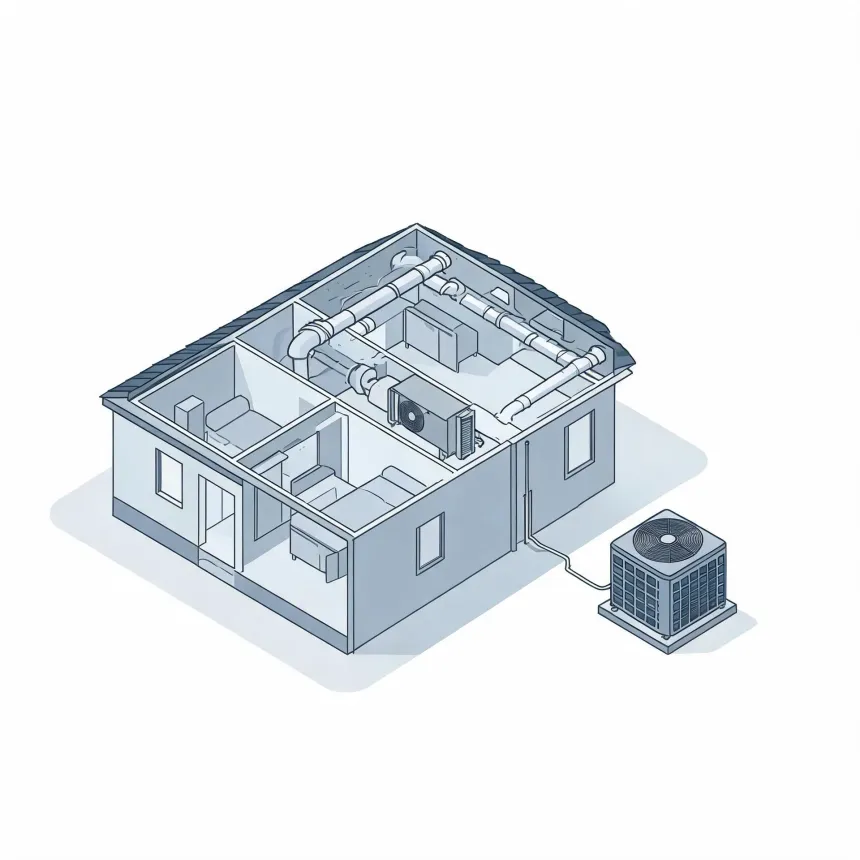
Isometric line illustration of a cutaway single-story house showing interior rooms, attic ductwork and an air handler, connected by a line to an outdoor condenser unit on a pad.
Your air conditioner works hardest from May through September.

NOAA nClimDiv, 1991–2020 normals

AC runs in Corpus Christi from March through November.

Get it checked in February, before it has to work.

Nine months of cooling wears a system down fast

Cooling runs March through November
Summer afternoons average 94°F
Power costs 14.94 cents a kWh statewide
A newer system still needs a yearly checkHalf the homes in Nueces County were built in 1983 or later.

Nueces County logged 127 severe weather events between 2015 and 2024, most of them damaging wind. Your outdoor unit sits outside year round and takes the brunt of it. Wind drives debris into the coil and the fan. Hail dents the cabinet and can bend the fins right where the coil needs open air to work. A bent or clogged coil makes the system work harder without you ever seeing why. Have it checked for damage before the season gets going, while it's still easy to fix.

A clean system costs less to run

A tune-up now costs you nothing in comparison to months of a system working harder than it should. Get the coil and charge checked before the bill shows what neglect costs at 14.94 cents a kilowatt-hour.

Find a contractor
A man in a dark t-shirt and tan work pants walks up concrete steps toward a red front door, carrying a worn canvas tool bag, with a potted shrub beside the entry.
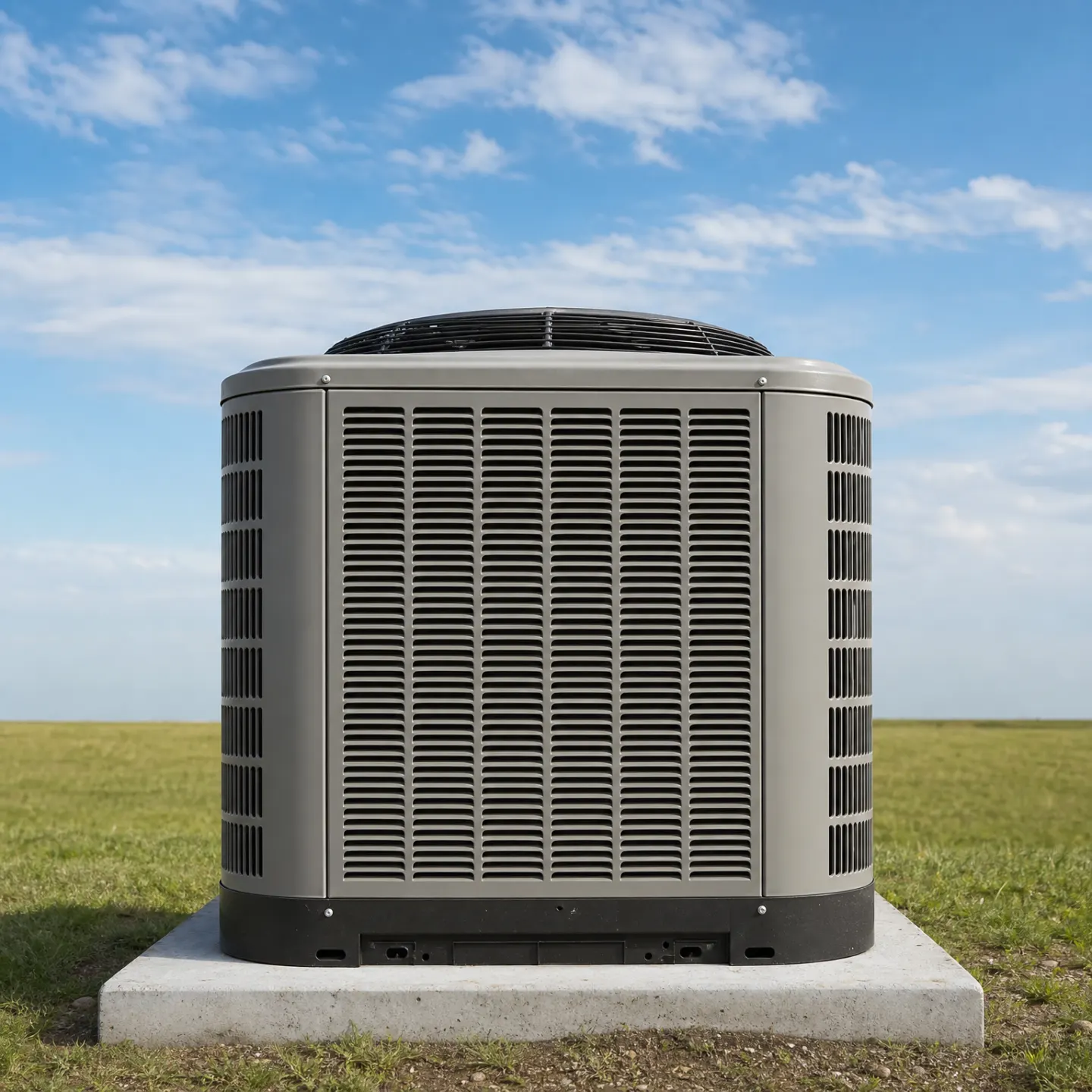
A gray metal air conditioning condenser unit mounted on a concrete pad in a flat grassy field under a partly cloudy sky.

Keep a young system young

If your system went in with the house, a yearly check is what keeps it running like new equipment instead of aging like old equipment. A tech can catch a weak capacitor or a coil going dirty before either one turns into a bigger repair. Newer systems still fail early when nobody looks at them for years at a stretch.

A real tune-up opens the cabinet

A thorough tech pulls the panel, checks the capacitor's actual readings against what's printed on it, and washes the coil instead of just looking at it. The refrigerant charge gets checked against the manufacturer's numbers, not guessed at. A quick visit means someone glances at the filter, listens for a minute, and leaves.
The difference shows up later, not that day

A system that only got a glance will still start up fine and blow cold air that afternoon. What a rushed visit misses is the weak capacitor that fails in the middle of a hot stretch, or the coil that keeps losing airflow until the compressor strains against it. The work that matters is the kind you can't see from the thermostat.

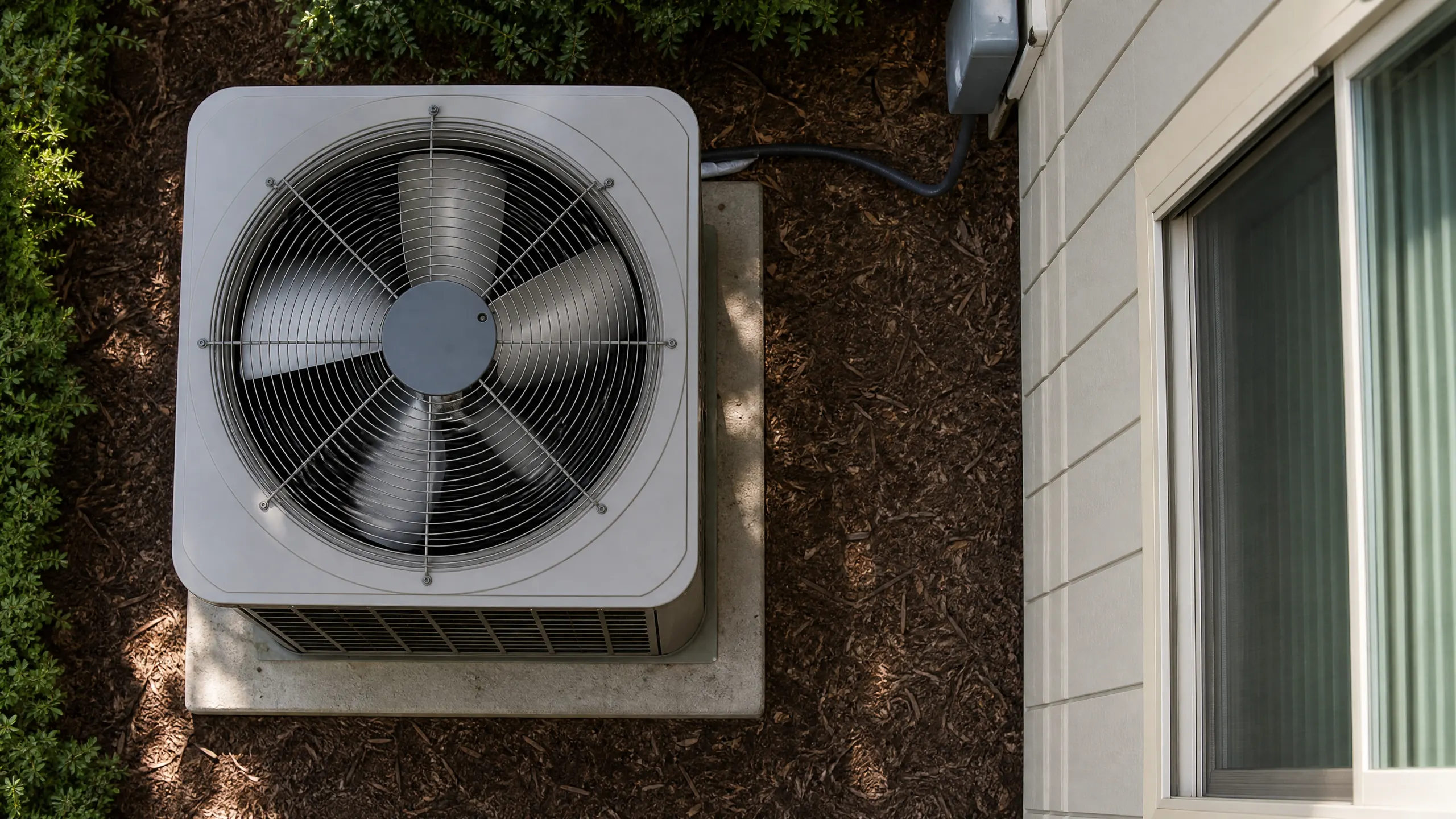
Aerial view of a square outdoor air conditioning condenser unit on a concrete pad beside a house wall with a sliding glass door.

Book your AC tune-up in February, before homes here start needing cooling in March.

  1. Jan
  2. Feb
  3. Mar
  4. Apr
  5. May
  6. Jun
  7. Jul
  8. Aug
  9. Sep
  10. Oct
  11. Nov
  12. Dec

A tune-up checks the refrigerant charge, cleans the coils, tests the capacitor and tightens the electrical connections.

A real tune-up starts outside at the condenser. The tech cuts power at the disconnect, pulls the cabinet, and washes the coil with water or a cleaner made for it, not just a rinse from the hose. Inside, the blower wheel gets checked for dust buildup, since a dirty wheel moves less air even when the motor runs fine. The refrigerant lines get checked for rubbed spots or loose insulation, because a line that's chafed against the cabinet will eventually leak. Electrical connections get tightened, since a loose connection builds heat and that heat is what burns a contactor out early. None of this shows up on a thermostat reading. It shows up months later, in a system that still runs when the rest of the block is calling for repairs.