




Texas Cooling Help
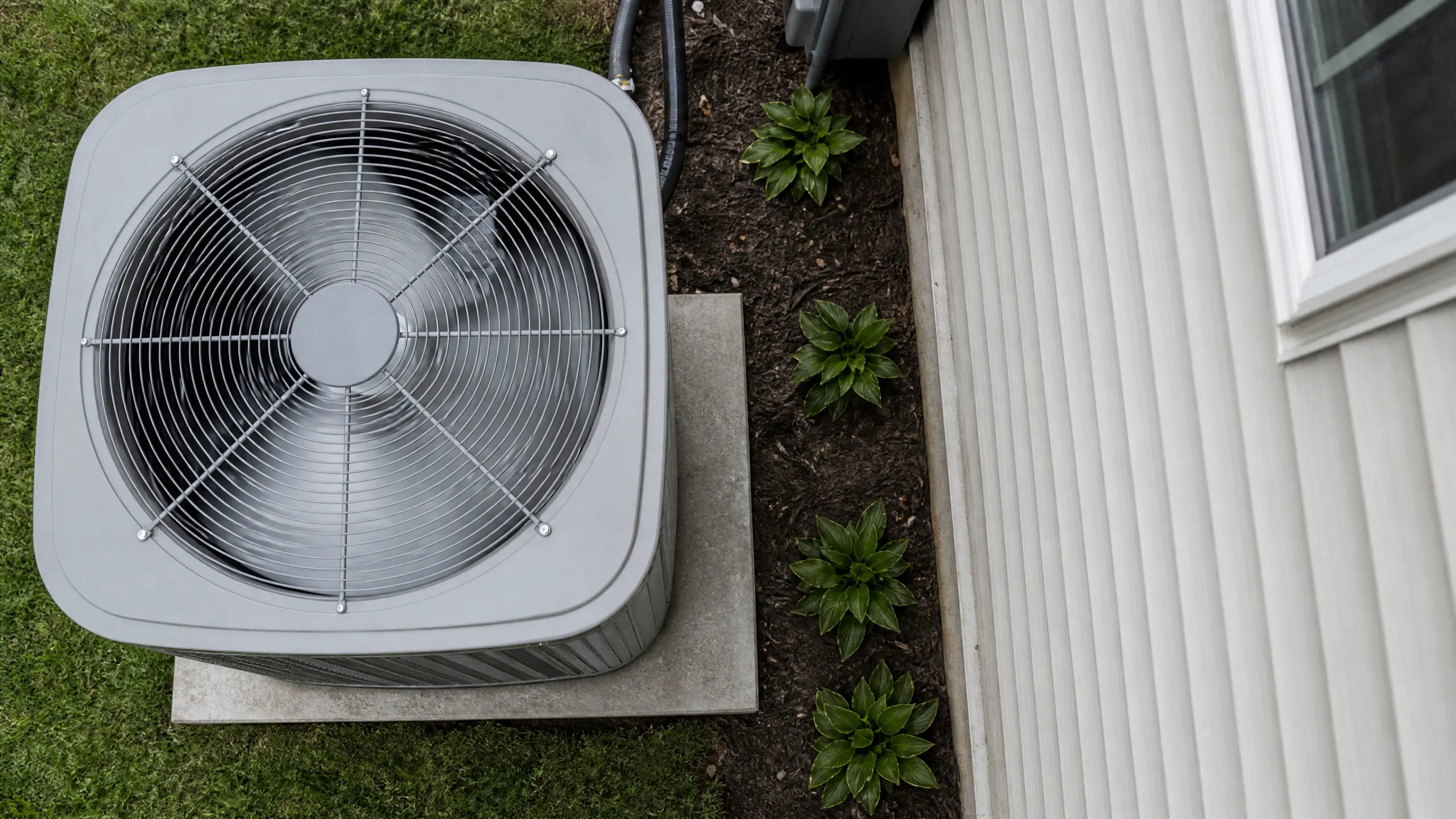
Overhead view of a gray outdoor AC condenser unit on a concrete pad beside a mulched garden bed and a house with vinyl siding.

AC Maintenance in Conroe, TX

Tell us about the job

Takes about a minute. No obligation.

Step 1 of 3: Equipment

Texas households paid 14.94 cents per kilowatthour in 2024, more than homes in most other states. An air conditioner that's lost efficiency, a dirty coil, a low charge, a weak capacitor, has to run longer to cool the same house. In Conroe that means more hours at that rate, every month the system runs. A tune-up catches those problems before they cost you anything on the electric bill.

7 months
April through October, your air conditioner is on duty
93°F
the average summer afternoon it cools against
26 hail events
in ten years, and hail bends the fins on outdoor coils
72 wind events
in ten years, and wind drives debris into outdoor units
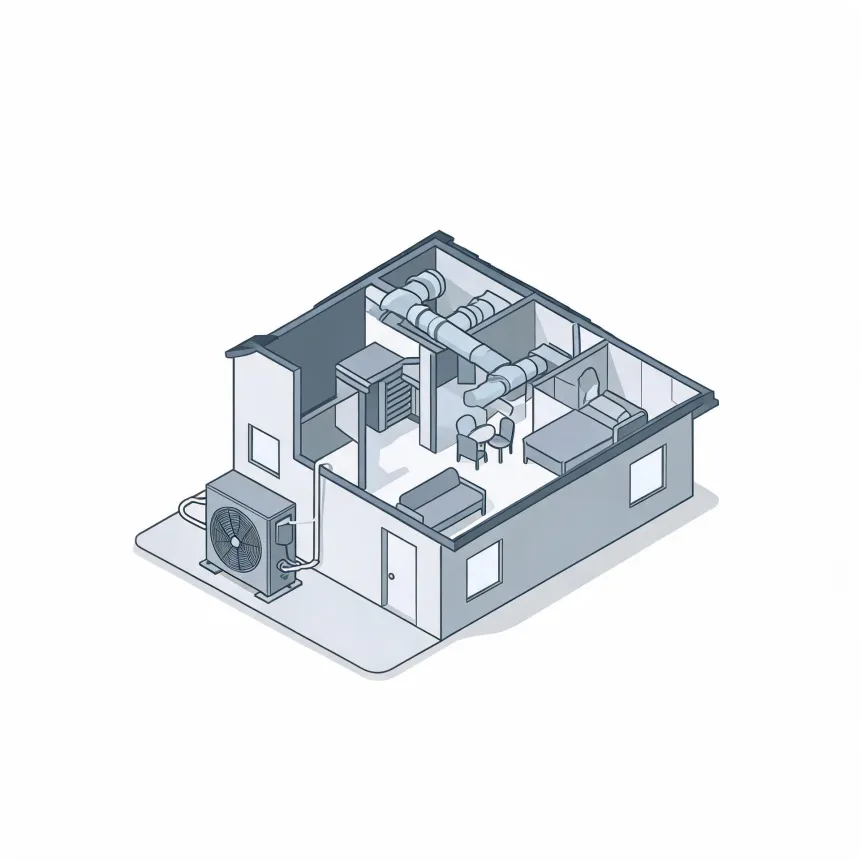
Isometric line illustration of a cutaway house showing interior rooms with furniture and ceiling ductwork, connected to an outdoor condenser unit with a fan beside the building.
Your air conditioner works hardest from May through September.

NOAA nClimDiv, 1991–2020 normals

Half the homes in Montgomery County were built in 2004 or later.

A system that age is worth keeping in good shape with yearly maintenance, not just fixing when it fails.

Seven months of cooling at 93 degrees wears a system fast here

Cooling runs April through October
Summer afternoons average 93°F
Climate zone 2A
A newer system still needs the yearly checkHalf the homes in Montgomery County were built in 2004 or later, and a system that age still needs a yearly check to stay efficient.

Cooling in Montgomery County runs April through October, seven months straight. March is the last month before that starts, and it's the better time for a tune-up. The system is sitting idle, so a contractor can test the capacitor, check the charge and clean the coil without you losing cooling while they work. Wait until April and the same check happens on a system you're already relying on to keep the house cool.

A tune-up now keeps next summer's bill down

Get the coil cleaned and the charge checked before the system has to carry the Conroe summer on it. At 14.94 cents a kilowatthour, a system that's lost efficiency runs up a bigger bill every month it runs.

Find a contractor
A man in a dark cap, gray long-sleeved shirt and brown work pants, carrying a canvas tool bag with pens and tools in its pockets, steps up onto a porch toward an orange-red paneled front door, with gray horizontal siding and a potted shrub in a terracotta planter to the right.
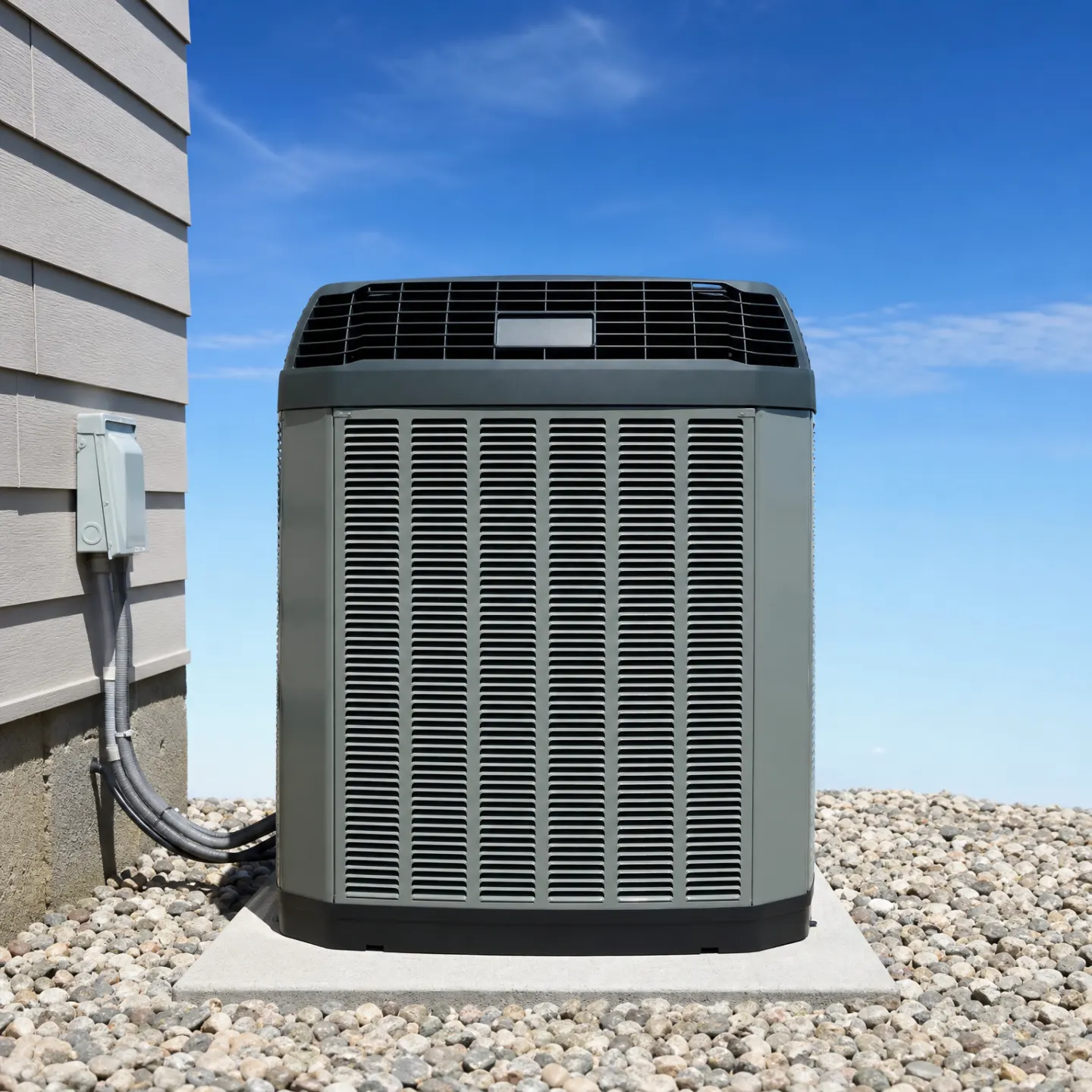
An outdoor air conditioning condenser unit mounted on a concrete pad beside a house, with electrical conduit running to a wall-mounted disconnect box.

Check it before it has to run seven months straight

Seven months is a long run for any system. Get the capacitor and the charge checked before April, while the unit's still off and there's no cooling to lose if something needs fixing.

Keep the filter clean

A dirty filter is the one thing in this system that's actually yours to manage. Pull it out, hold it up to the light, and if you can't see through it, swap it or rinse it depending on the type you have. A clogged filter starves the coil of airflow, and a starved coil can ice over even on a hot day.


Leave the cabinet closed

Checking the capacitor or the refrigerant charge takes a gauge and training, not a screwdriver. Opening the cabinet to poke at wiring or a refrigerant line risks a shock or a slow leak that's worse than whatever you were trying to fix. Between visits, the filter and the area around the outdoor unit are the job. The rest waits for the tune-up.

An outdoor air conditioning condenser unit mounted on a concrete pad next to a blue-sided residential house at sunset.

Book your AC tune-up in March, before homes here start needing cooling in April.

  1. Jan
  2. Feb
  3. Mar
  4. Apr
  5. May
  6. Jun
  7. Jul
  8. Aug
  9. Sep
  10. Oct
  11. Nov
  12. Dec

A tune-up checks the refrigerant charge, cleans the coils, tests the capacitor and tightens the electrical connections.

A real tune-up starts outside at the condenser. The tech checks the refrigerant charge against what the system calls for, because low charge makes the compressor work harder and cool less. The capacitor gets tested under load, not just looked at, since a weak one can still power the unit for a while before it fails outright. Inside, the evaporator coil gets inspected and cleaned if it's dirty, because a coil caked with dust can't pull heat out of the air the way it should. The blower motor and its wheel get checked too, since a wheel coated in grime moves less air even when the motor itself is fine. Electrical connections get tightened, because a loose one generates heat and eventually fails at the worst time. None of this takes long when nothing's wrong, but skip it for a few years and small problems like a slightly low charge or a dirty coil turn into a compressor that burns out mid-summer.