




Texas Cooling Help
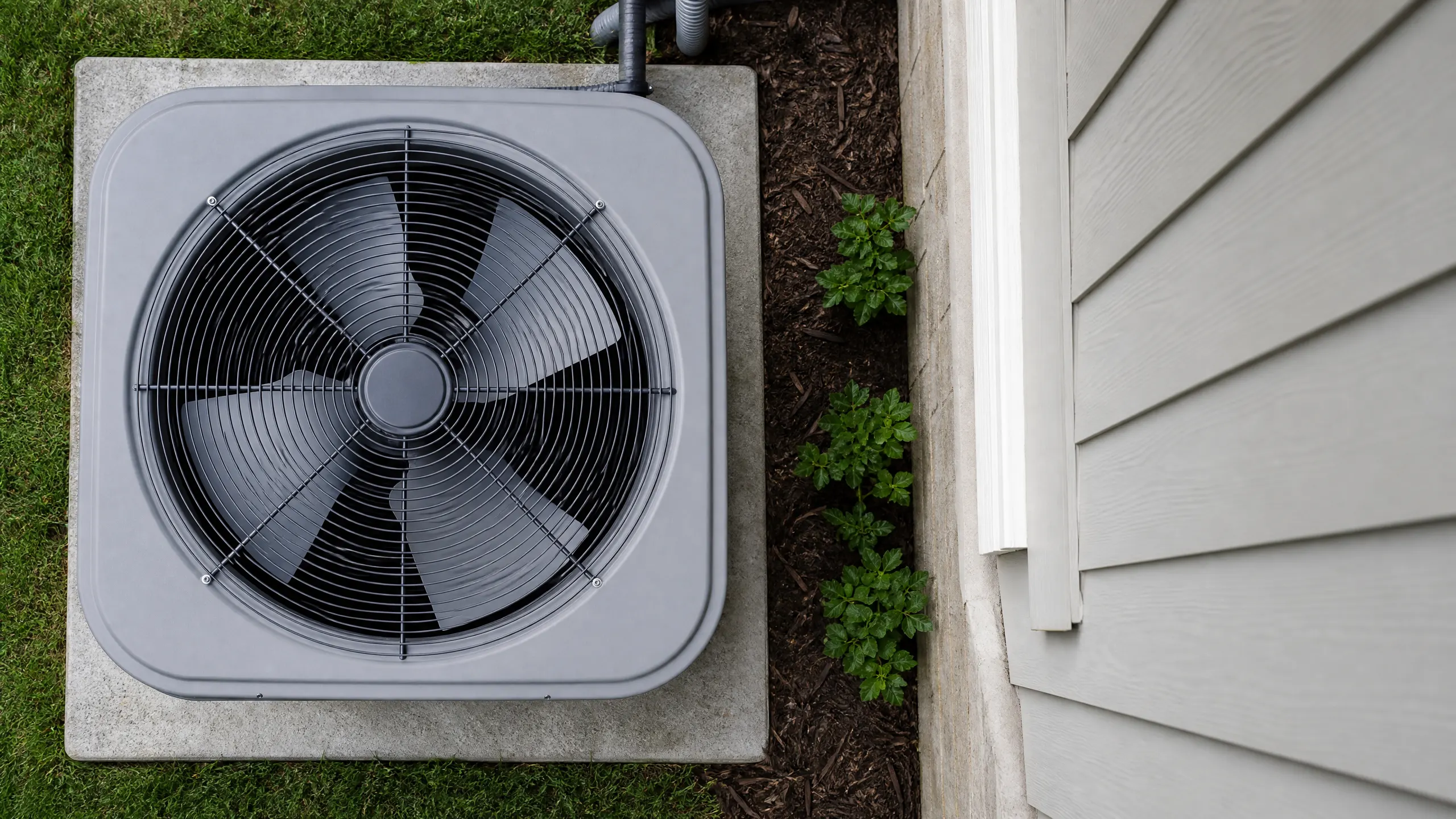
Aerial view of a gray central air conditioning condenser unit on a concrete pad next to a house with vinyl siding.

AC Maintenance in College Station, TX

Tell us about the job

Takes about a minute. No obligation.

Step 1 of 3: Equipment

Electricity in Texas ran 14.94 cents per kilowatthour in 2024. Your AC uses more of it when something inside is working harder than it should, a dirty coil, a low charge, a blower pulling against a clogged filter. None of that trips a breaker or throws an error. It just raises the number on your bill month after month, quietly, until a tune-up catches it.

7 months
April through October, your air conditioner is on duty
94°F
the average summer afternoon it cools against
50 hail events
in ten years, and hail bends the fins on outdoor coils
75 wind events
in ten years, and wind drives debris into outdoor units
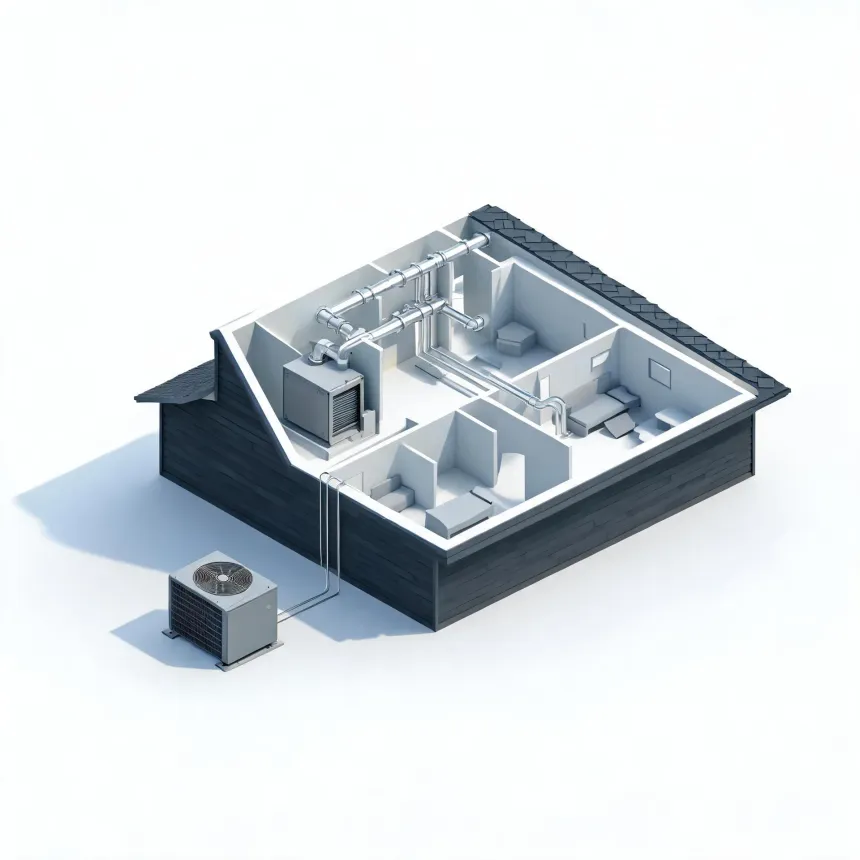
Isometric 3D cutaway render of a house with dark siding showing interior rooms, ductwork and an air handler, connected by lines to an outdoor condenser unit on a white background.
Your air conditioner works hardest from May through September.

NOAA nClimDiv, 1991–2020 normals

April is when cooling starts in Brazos County.

Get the system checked in March, before it has to work.

Hail and wind find the outdoor unit most years here

140 severe weather events from 2015 to 2024
33% of homes statewide lost power a day or more in 2024
75 damaging wind events from 2015 to 2024
Half these homes went up in 1997 or laterHalf the homes in Brazos County were built in 1997 or later, young enough that a yearly check is worth it.

Your AC runs from April through October here, about seven months straight. July and August push the afternoon high to 94°F on average, and the system does not get much of a break overnight either. That is a long stretch for a capacitor or a contactor to hold up under full load. Parts that would last a few more seasons somewhere cooler start slipping here instead, a weak capacitor, a coil losing its grip on the heat it is supposed to carry off. Whatever is already marginal in April has the whole summer to get worse.

A checkup now costs less than running it inefficient all season

A tune-up finds the weak capacitor or dirty coil before it turns into a higher bill. Electricity here already costs more than most places. Paying to have the system checked costs less than paying to run it inefficient all season.

Find a contractor
A man in a cap, dark shirt and tan work pants walks up concrete steps toward a red front door, carrying a canvas tool bag with tools in its side pocket.
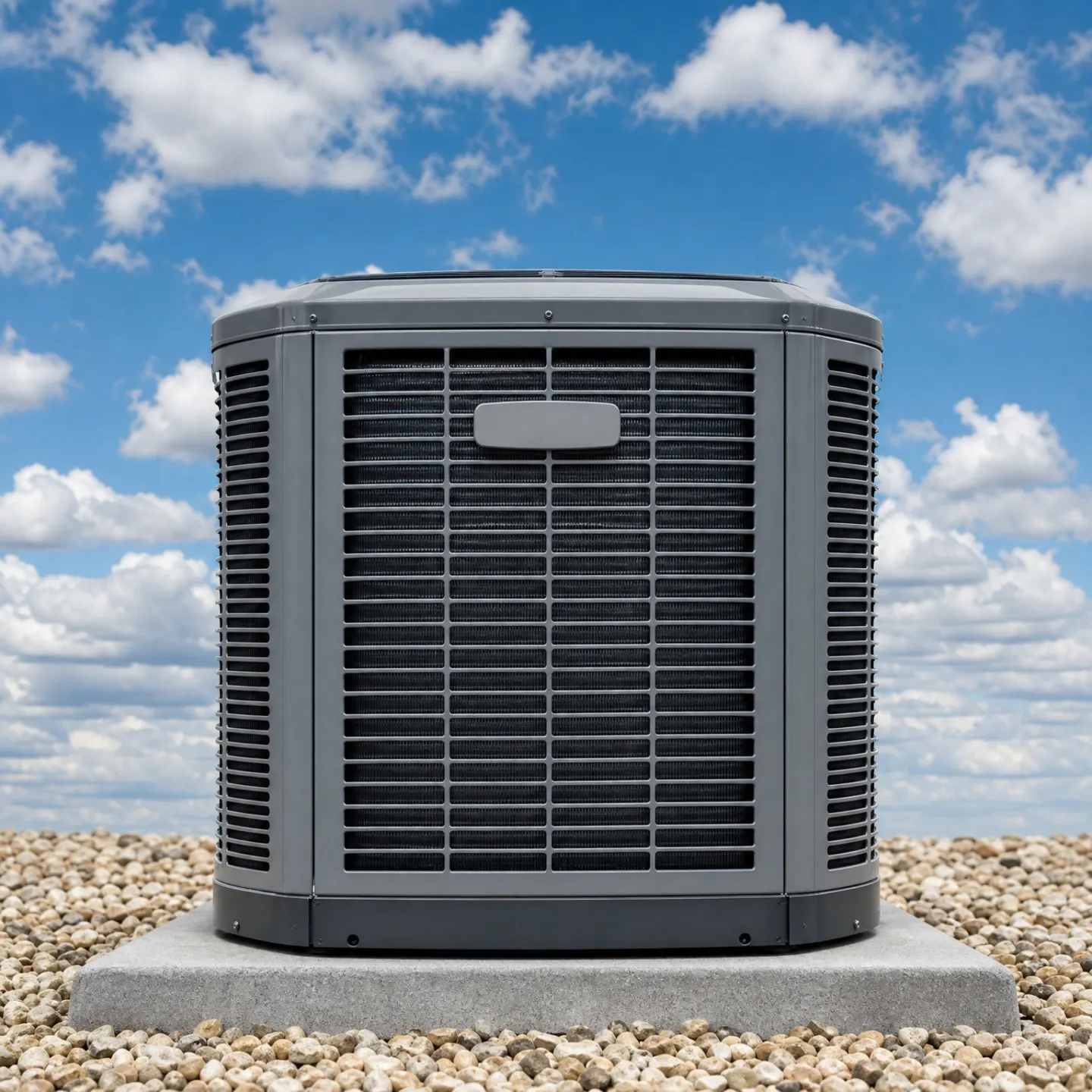
An outdoor air conditioning condenser unit mounted on a concrete pad surrounded by gravel, photographed against a partly cloudy blue sky.

Seven months, not much of a break

Count the hours on this clip and you get a sense of what the unit is actually holding up under. April to October, it is running most days, and the overnight stretch rarely gives it a full rest once summer sets in. Get it looked at before April so whatever is already marginal gets caught before it spends seven months under load.

Dirt and dust build up whether or not the system is used hard

A dirty filter slows the air moving across the evaporator coil. A dirty condenser coil can't shed heat as well as a clean one. Neither failure announces itself. The system keeps running, just worse than it should, and nothing about normal use reverses that buildup on its own.

Small problems wait until the part fails completely

A capacitor that's starting to weaken still starts the compressor, until the day it doesn't. A refrigerant line with a slow leak still cools the house, with less charge every month, until there's not enough left to do the job. A yearly check catches these while they're still a measurement on a gauge, not a no cool call.

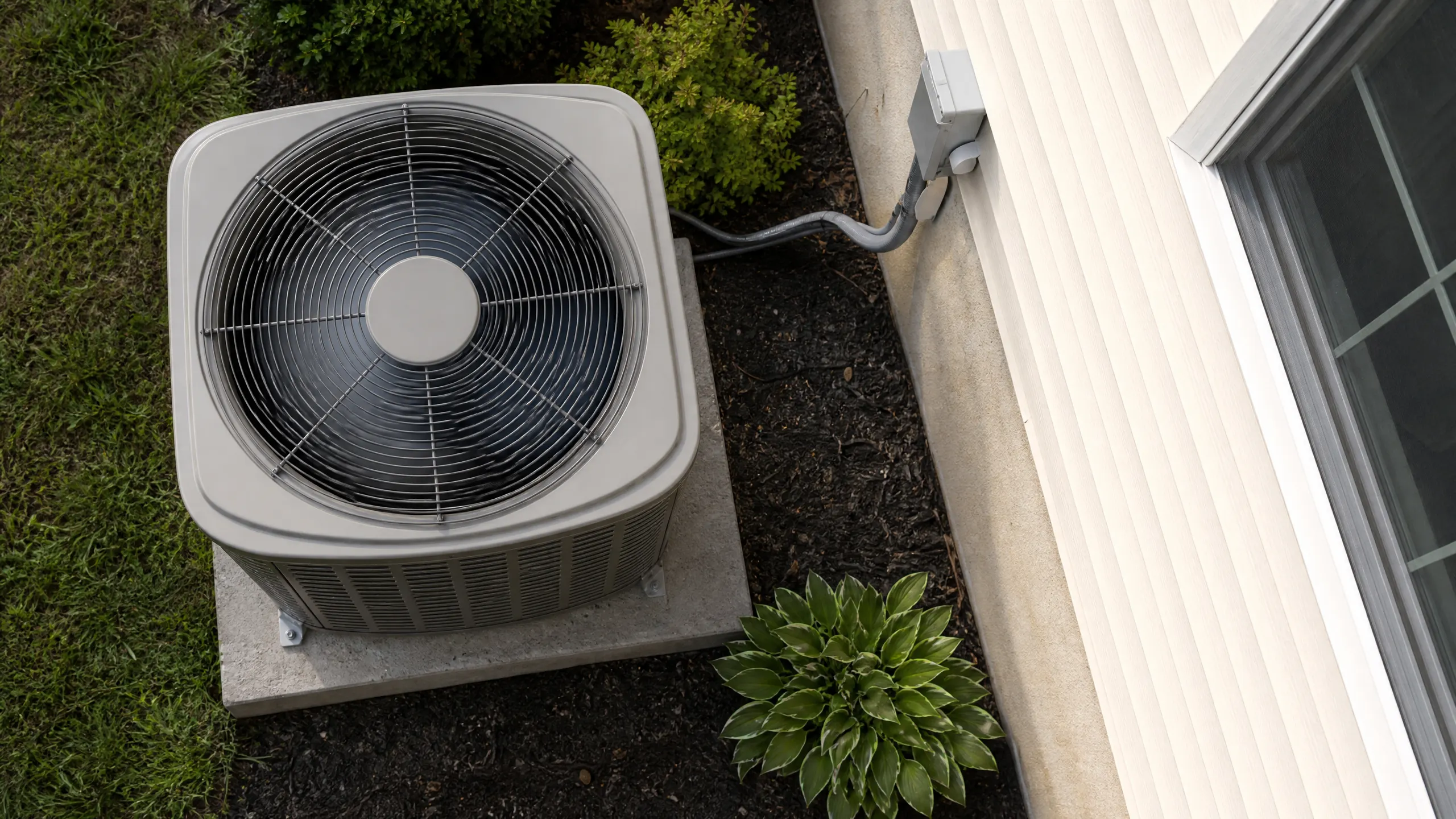
An overhead view of a residential air conditioning condenser unit mounted on a concrete pad next to a house with vinyl siding.

Book your AC tune-up in March, before homes here start needing cooling in April.

  1. Jan
  2. Feb
  3. Mar
  4. Apr
  5. May
  6. Jun
  7. Jul
  8. Aug
  9. Sep
  10. Oct
  11. Nov
  12. Dec

A tune-up checks the refrigerant charge, cleans the coils, tests the capacitor and tightens the electrical connections.

A real tune-up means the panel comes off, not just a glance at the thermostat. The tech checks refrigerant charge against what the system calls for, not just whether it's cooling right now. The capacitor gets tested under load, since a weak one can still start the compressor on the bench and still fail once it's carrying the full heat of the day. Contacts in the contactor get checked for pitting, because a burnt contact raises resistance and runs hotter every cycle after that. The condenser coil gets cleaned if it's caked with grass clippings or cottonwood, since a coil that can't shed heat makes the compressor work harder to do the same job. Drain line, blower wheel, electrical connections, each one gets looked at, because any of them can be the thing that turns a working system into a breakdown.