Texas Cooling Help
Suburban brick ranch houses with glowing exterior lights photographed at dusk beneath a twilight sky, with a large oak tree in the foreground.

AC Maintenance in Canyon, TX

Tell us about the job

Takes about a minute. No obligation.

Step 1 of 3: Equipment

The coil gets dirty before anyone notices

A condenser coil loses its grip on heat as dust and grass clippings build up on the fins. The system runs longer to do the same job, and the compressor works harder the whole time. Nobody sees this happen until the air coming out feels weaker than it used to.

Skipped service turns small problems into replacements

A weak capacitor still starts the compressor, until the day it doesn't. A low refrigerant charge still cools the house, while ice builds up on the coil and the compressor runs hotter than it should. Caught early, either one is a quick fix. Left alone, they take the compressor down with them.

5 months
May through September, your air conditioner is on duty
91°F
the average summer afternoon it cools against
197 hail events
in ten years, and hail bends the fins on outdoor coils
172 wind events
in ten years, and wind drives debris into outdoor units
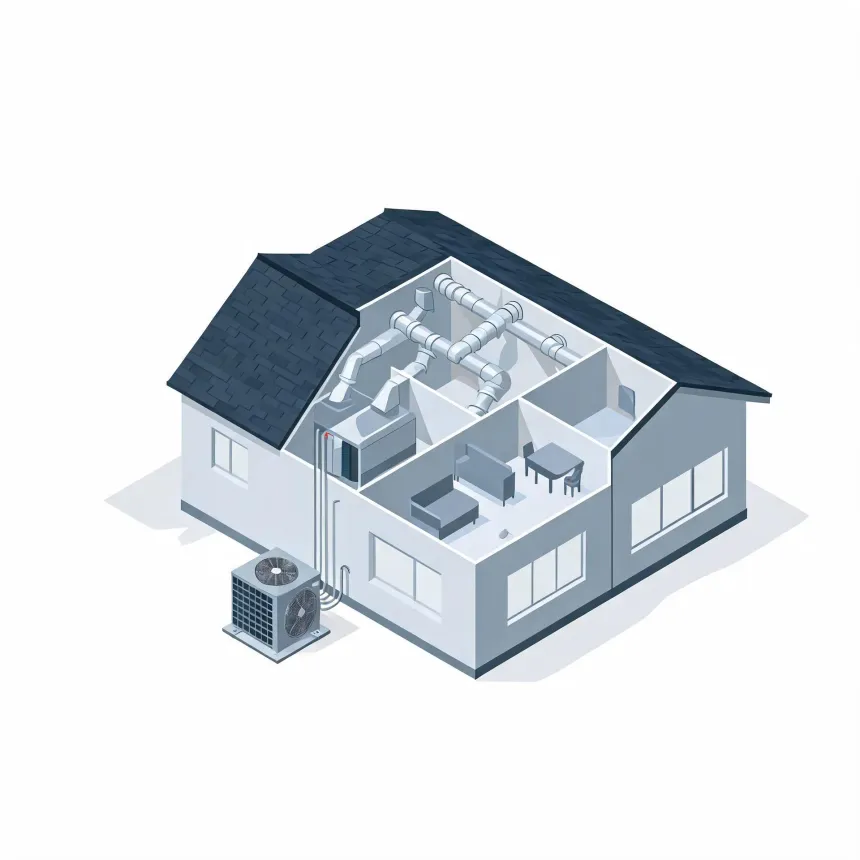
Isometric illustration of a cutaway single-story house showing attic ductwork, an indoor air handler, interior rooms with furniture, and an outdoor condenser unit connected by lines, on a white background.
Your air conditioner works hardest from June through August.

NOAA nClimDiv, 1991–2020 normals

A dirty coil or a weak capacitor makes the compressor run longer to do the same job.

At 14.94 cents a kilowatt-hour, that extra runtime shows up on the bill all summer.

Half the homes here are newer than that. A system with years left in it is worth keeping that way.

Half the homes here were built by 1986
Cooling runs May through September
Summer afternoons average 91°F
Ready before MayCooling runs May through September here. April is when a check is worth it.

A tune-up gets the coil cleaned and the capacitor tested before either one costs you money all summer. A clean coil lets the compressor shut off sooner. A capacitor that tests weak gets replaced for the price of a part, not a compressor. That's the whole point of doing this before the heat sets in, not after the bill comes.

This county sees its share of hail and wind. Have the outdoor unit checked before the next storm.

Randall County logged 197 hail events and 172 damaging wind events over the past decade. The outdoor unit sits outside for all of it, and debris or a dented coil can go unnoticed until the system struggles to keep up. A third of Texas households lost power for a day or more last year, too, which matters once the heat is on. A maintenance check gets eyes on the unit before storm season finds what you haven't.

Find a contractor
A man in a cap, dark long-sleeved shirt and tan work pants climbs wooden porch steps toward an orange front door, carrying a canvas tool bag with tools in it, beside a potted shrub in a terracotta planter.
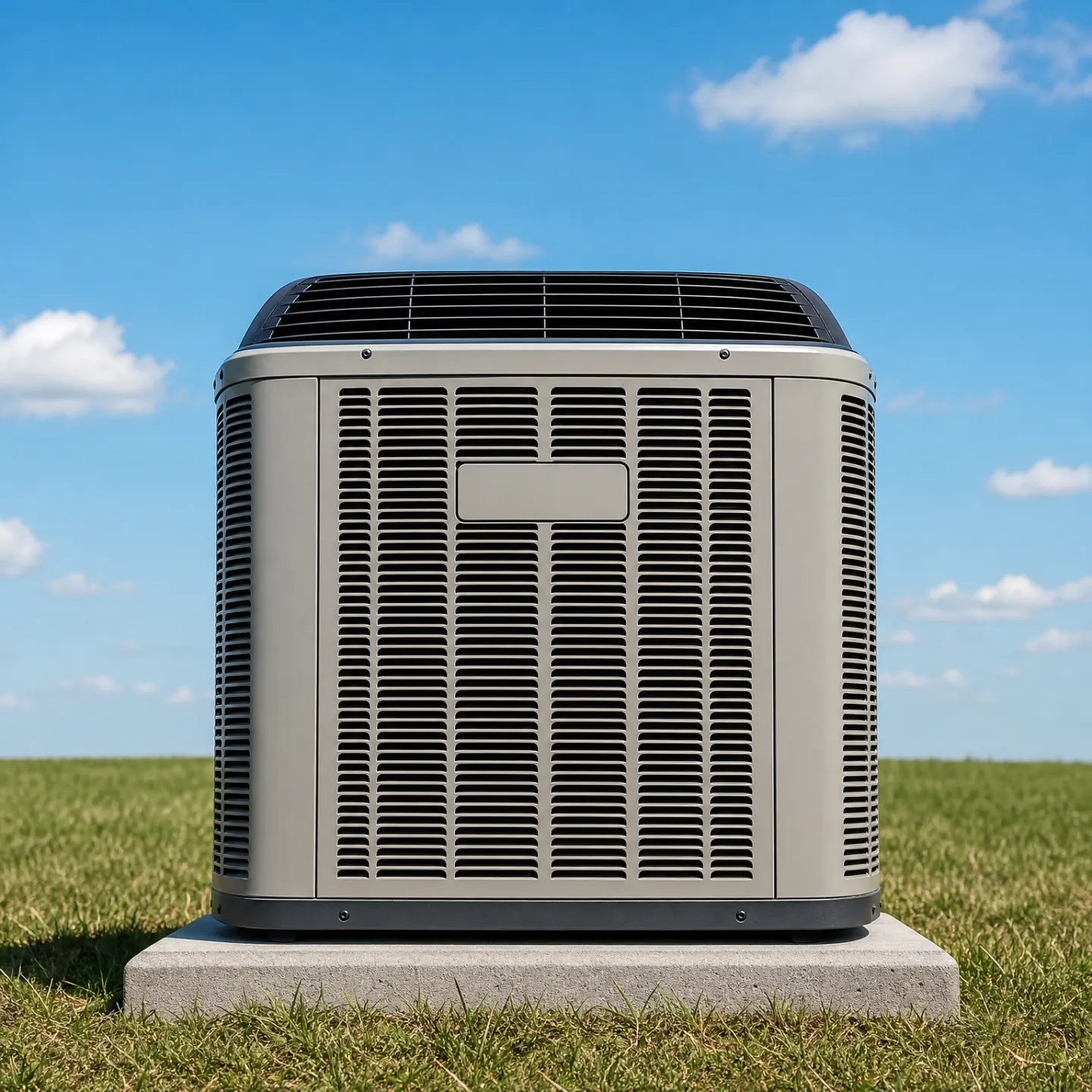
A gray residential air conditioning condenser unit mounted on a concrete pad outdoors, surrounded by green grass under a partly cloudy blue sky.

Five months of heat find what's already weak

Cooling runs here from May through September, and afternoons average 91°F through June, July and August. That's five straight months of the compressor running, most days, with no real break. A coil that's a little dirty or a capacitor that's starting to weaken can get through a mild stretch without anyone noticing. It won't get through a summer like this one. The heat doesn't create the problem. It just finds whatever problem was already there and makes it worse, earlier than you'd expect.

The filter protects the coil, nothing else

A clogged filter starves the system of airflow. The evaporator coil gets too cold, moisture on it freezes instead of draining, and ice builds up along the coil face. Once that happens the system is cooling less, not more, no matter how long it runs.

The drain line decides where the water goes

Every pound of moisture the coil pulls out of the air has to leave through the condensate line. A line clogged with algae or sludge backs up, and that water finds the drain pan, the ceiling below it, or the emergency switch that shuts the system off to protect against overflow.

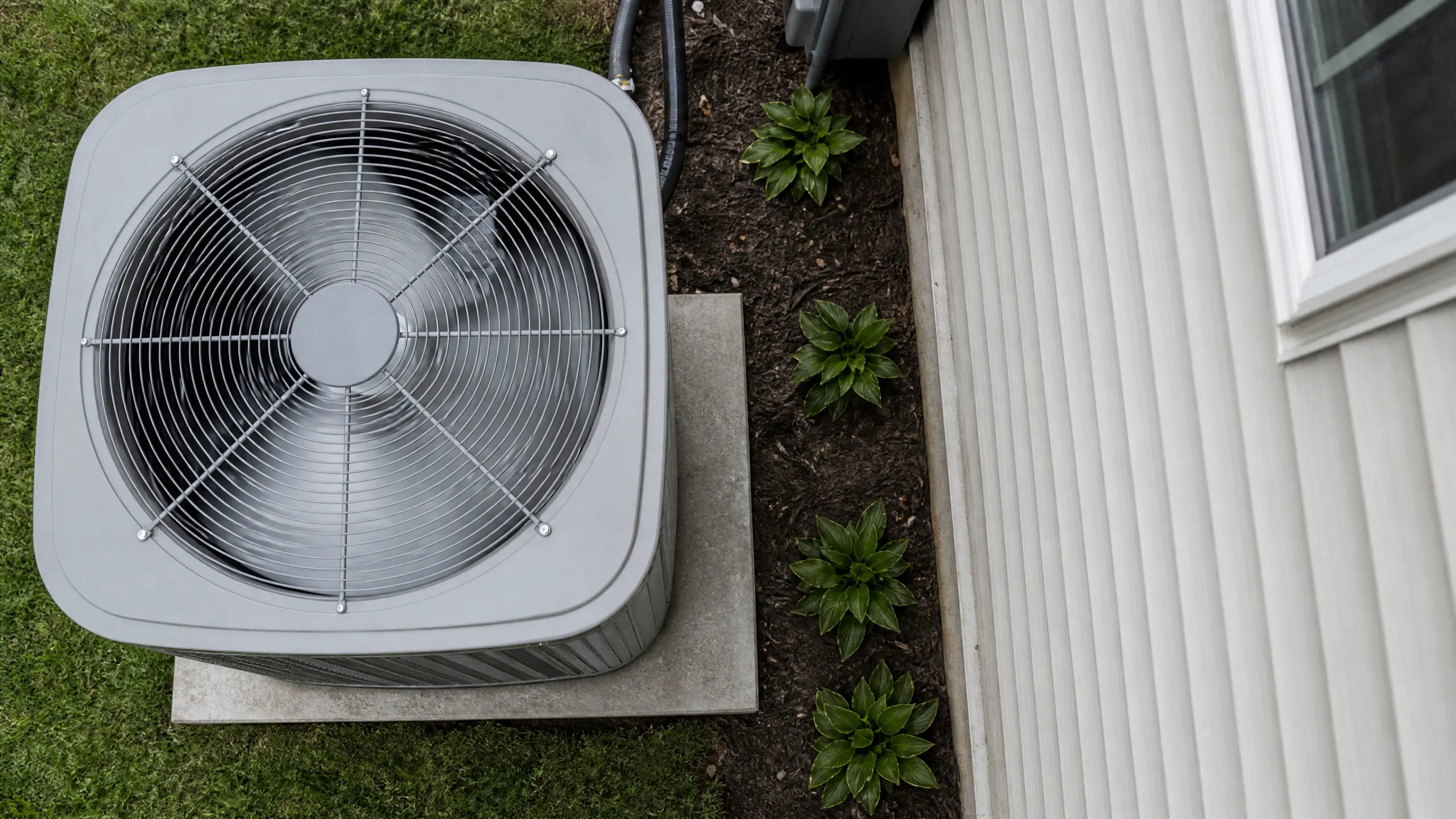
Overhead view of a gray outdoor AC condenser unit on a concrete pad beside a mulched garden bed and a house with vinyl siding.

Book your AC tune-up in April, before homes here start needing cooling in May.

  1. Jan
  2. Feb
  3. Mar
  4. Apr
  5. May
  6. Jun
  7. Jul
  8. Aug
  9. Sep
  10. Oct
  11. Nov
  12. Dec

A tune-up checks the refrigerant charge, cleans the coils, tests the capacitor and tightens the electrical connections.

A real tune-up means hands on the system, not a glance at the thermostat. The tech pulls the panel and checks refrigerant pressure against what the system calls for, because a charge that's even a little off makes the compressor work harder for less cooling. The contactor and capacitor get tested under load, not just looked at, since a capacitor can read fine sitting still and still fail the first hot day. The blower wheel gets checked for dust buildup, because a dirty wheel moves less air no matter how clean the filter is. The drain line gets flushed so algae hasn't started a clog that backs water up into the pan. Electrical connections get tightened, since a loose connection runs hot and burns itself out over time. Done right, it's someone actually checking things, not a sticker on the unit saying they showed up.