


Texas Cooling Help
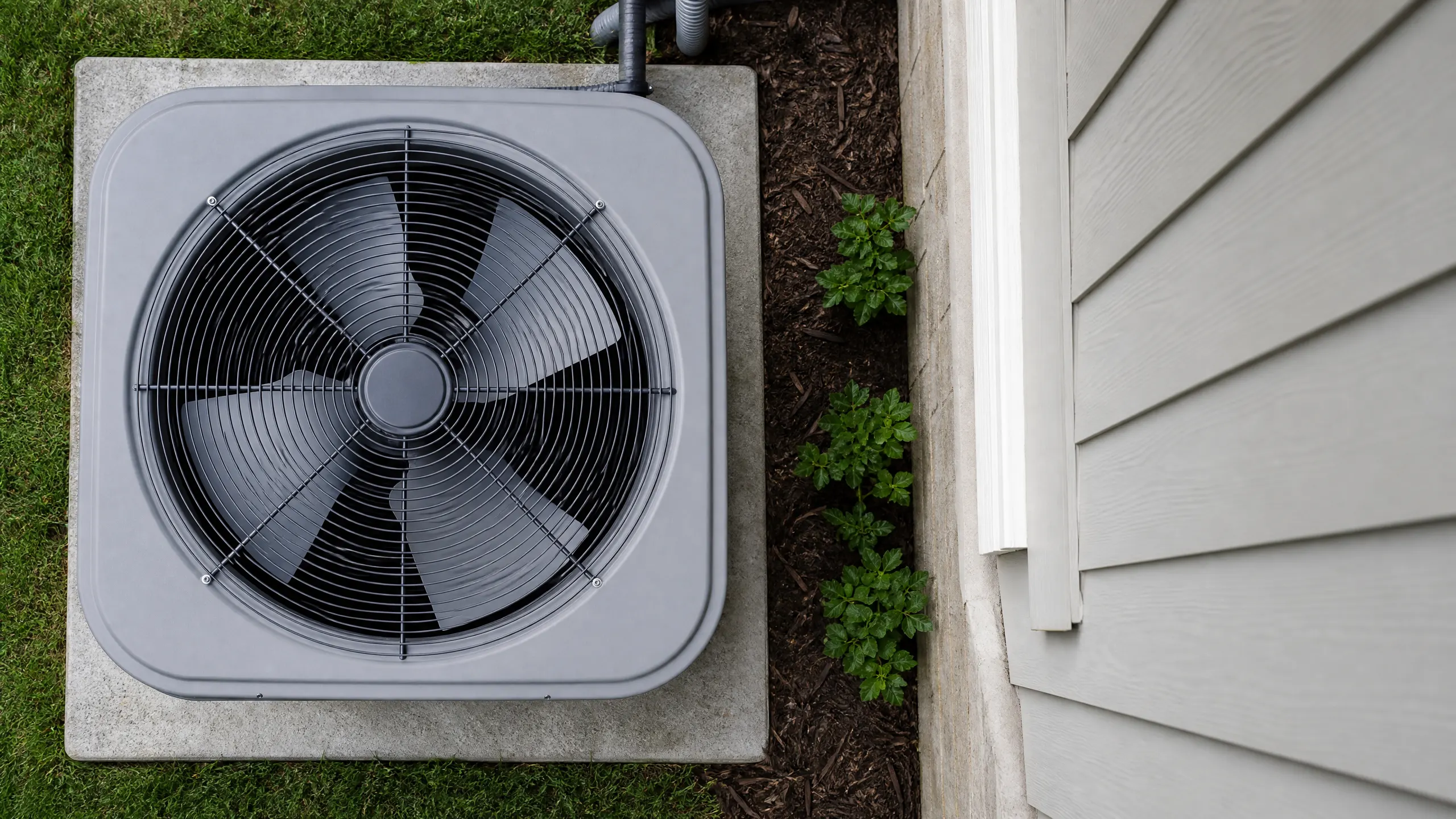
Aerial view of a gray central air conditioning condenser unit on a concrete pad next to a house with vinyl siding.

AC Maintenance in Beaumont, TX

Tell us about the job

Takes about a minute. No obligation.

Step 1 of 3: Equipment

A dirty coil or a weak capacitor makes the system run longer to cool the same house. Longer runtime means more kilowatt hours, and in Texas those run 14.94 cents each. Skip a few years of maintenance and that difference shows up on the bill every month the AC runs, not once a year. A tune-up catches the coil before it's caked and the capacitor before it fails, so the system goes back to using what it should.

7 months
April through October, your air conditioner is on duty
91°F
the average summer afternoon it cools against
32 hail events
in ten years, and hail bends the fins on outdoor coils
48 wind events
in ten years, and wind drives debris into outdoor units
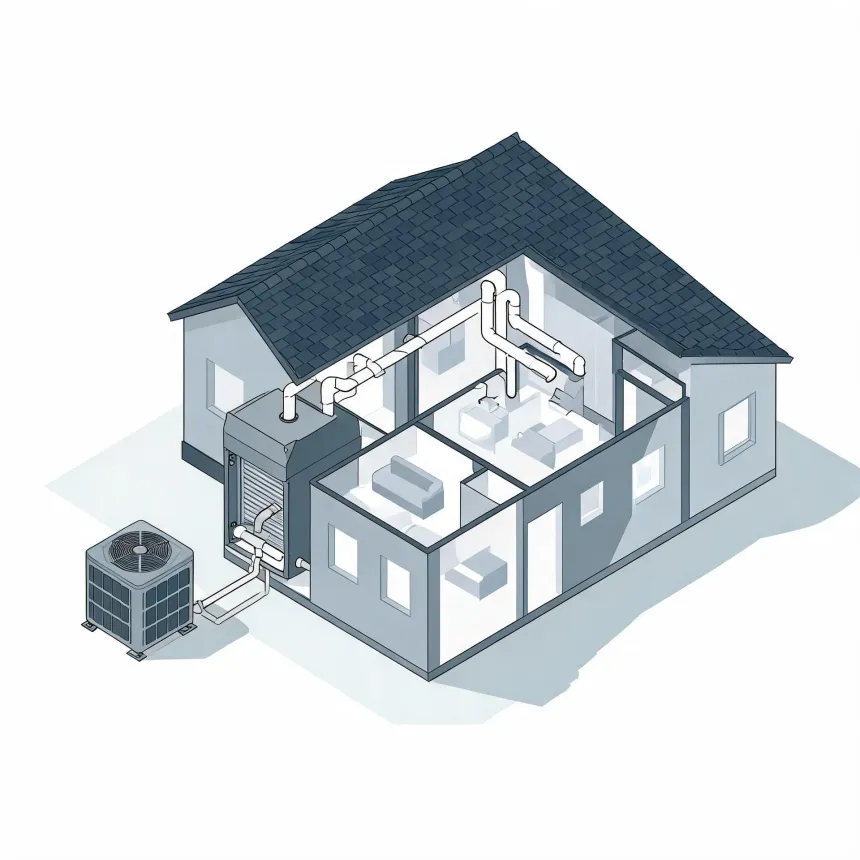
Isometric illustration of a cutaway single-story house showing interior rooms, ductwork running from an indoor air handler, and an outdoor condenser unit on a pad beside the building.
Your air conditioner works hardest from May through September.

NOAA nClimDiv, 1991–2020 normals

Warm air from the vents when the thermostat is set low enough to run.

A system blowing warm air like that is close to quitting, not just slipping a little.

Seven months of cooling, at 91 degrees, wears parts down fast

Cooling runs April through October
Summer afternoons average 91°F
Climate zone 2A

Cooling starts up in April here and runs through October. March is the month to get the system checked, before it has to work. Once April hits, the AC runs every day with no slow stretch to catch problems in. Whatever's wrong in March is still wrong in April, just harder on the system once it's running daily. A check in March catches a weak capacitor or a dirty coil while the system is sitting idle, not after it's already working through the first warm week.

One visit a year covers it

Half the homes in Jefferson County went up in 1978 or earlier, half after. The year a house was built doesn't change what a coil or a capacitor needs. One visit a year, done before the system has to run every day, covers it either way.

Find a contractor
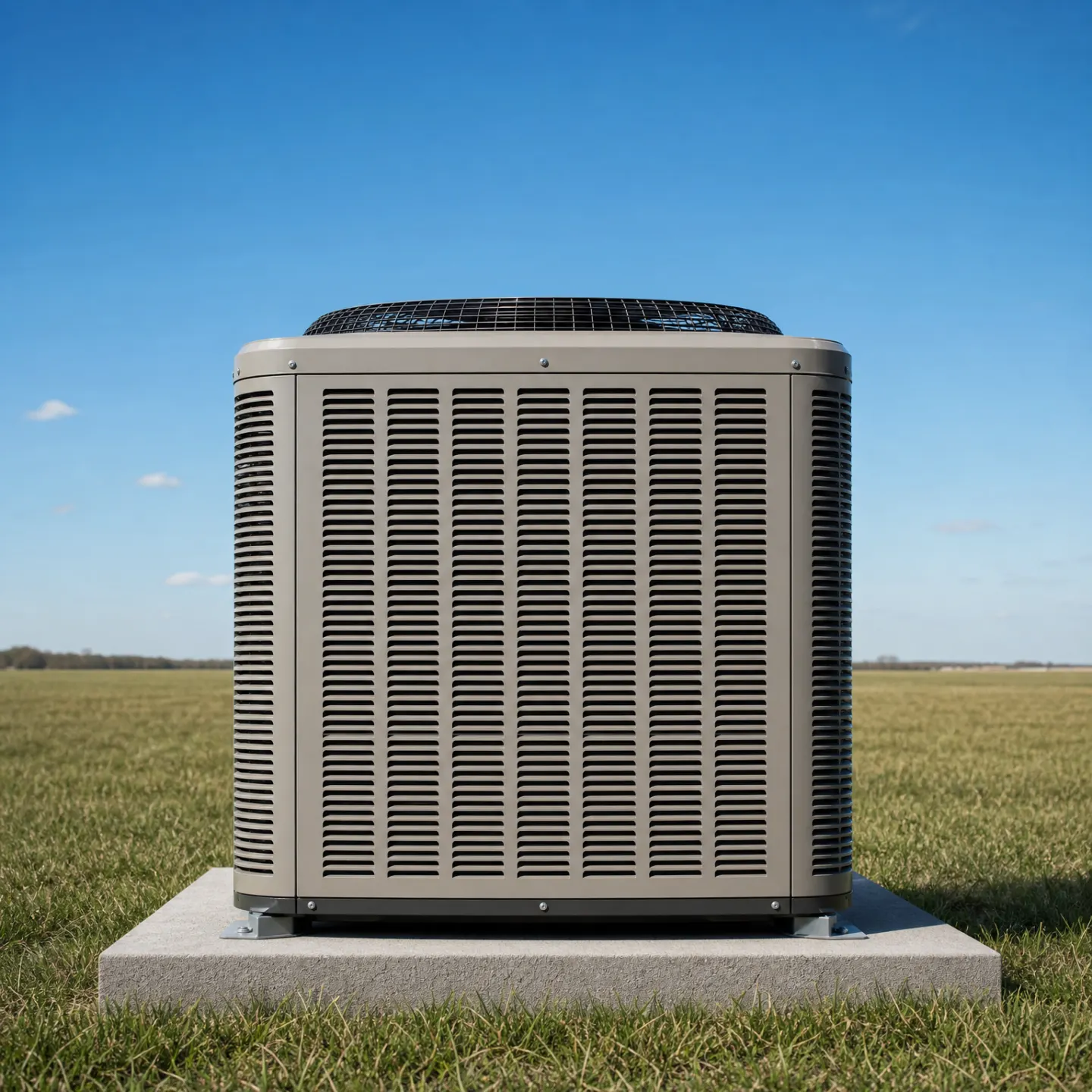
A gray residential air conditioner condenser unit mounted on a concrete pad in an open grass field.

Seven months of daily runs starts before you'd expect

The time-lapse shows the same unit running from a cool morning into a flat 91 degree afternoon, every day for seven months straight. That stretch, April through October, doesn't let up partway through the way a shorter season might. Get the check done before the daily runs start, while a technician can still catch a weak capacitor or a dirty coil without the system fighting the heat at the same time.

A gauge set comes out, or it doesn't

A thorough tune-up checks refrigerant pressure against what the system calls for, with gauges on the lines. A quick one asks if the air feels cold and moves on. Pressure that's off by a little means a slow leak or a weak charge, and that's the kind of thing that only shows up on a gauge, not by standing at the vent.
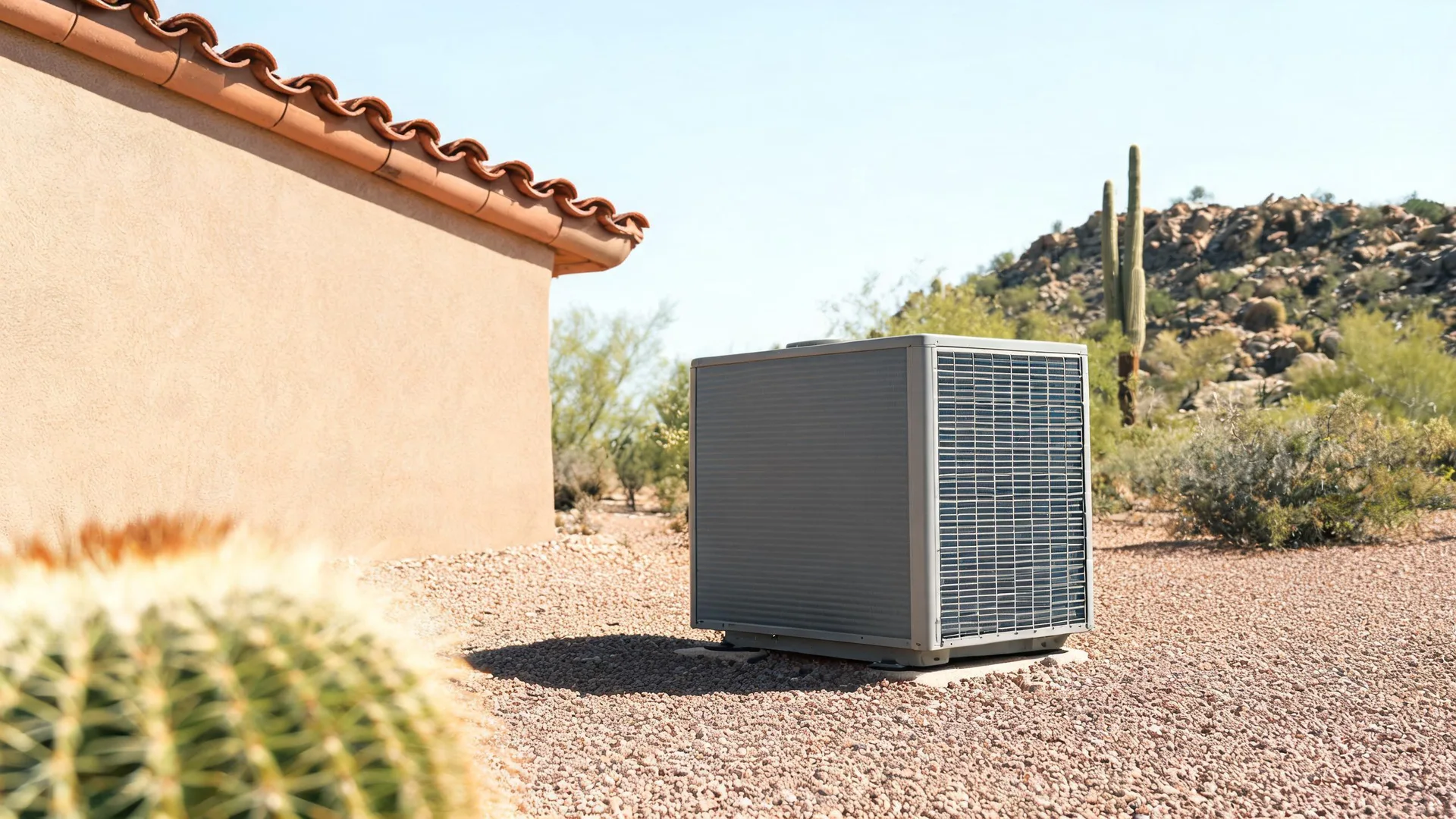
The capacitor gets tested, not guessed at

A capacitor can look fine and still be failing, holding less charge than the compressor needs to start. A real check pulls it and reads it against its rating. Swapping one on suspicion isn't the same as knowing which one is actually weak, and skipping the test means next year's breakdown is still coming on schedule.

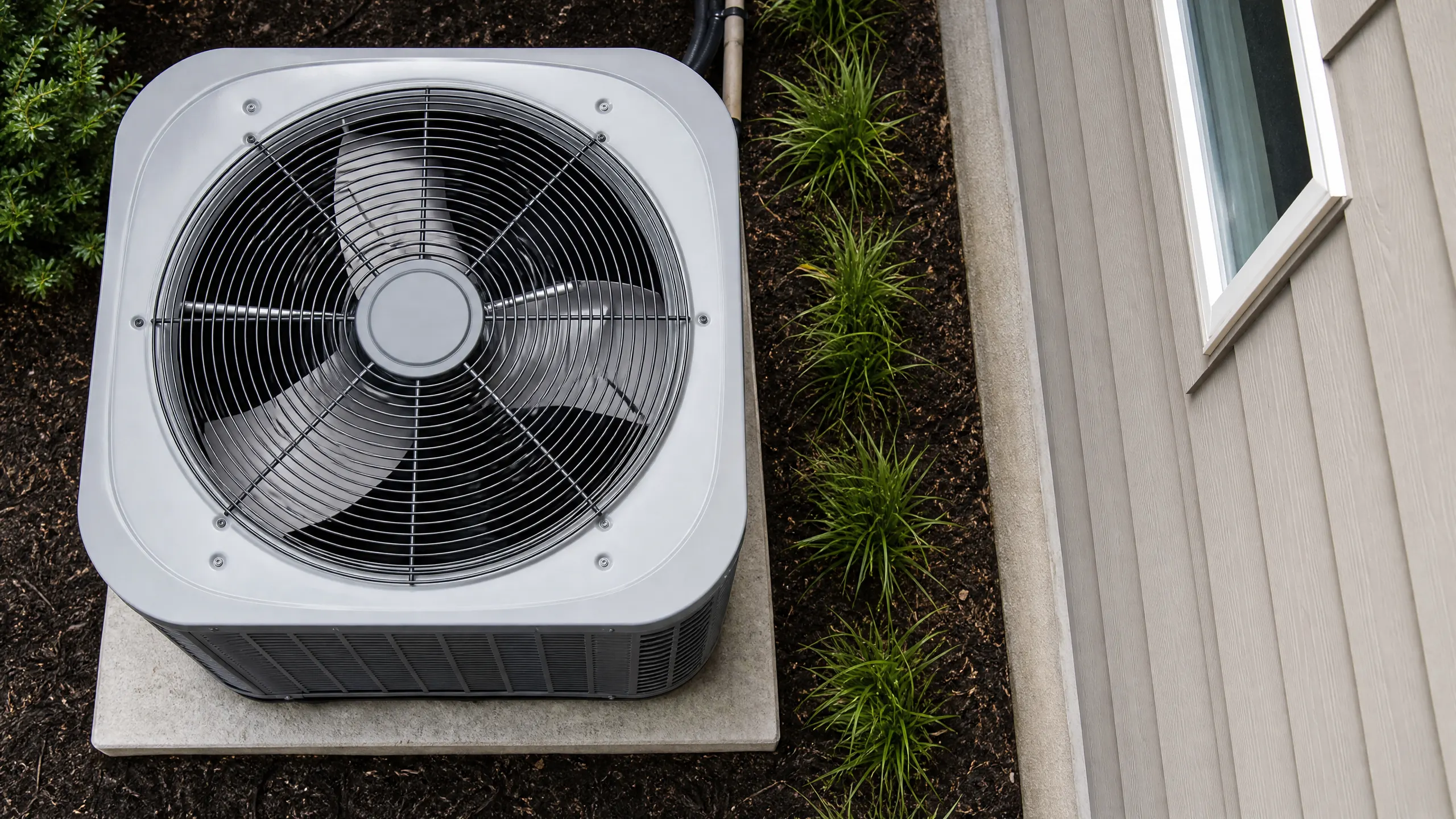
An outdoor air conditioning condenser unit on a concrete pad next to the gray vinyl siding of a residential home.

Book your AC tune-up in March, before homes here start needing cooling in April.

  1. Jan
  2. Feb
  3. Mar
  4. Apr
  5. May
  6. Jun
  7. Jul
  8. Aug
  9. Sep
  10. Oct
  11. Nov
  12. Dec

A tune-up checks the refrigerant charge, cleans the coils, tests the capacitor and tightens the electrical connections.

A real tune-up starts outside, with the condenser coil. A technician rinses it clean, because a coil caked with dirt and cut grass can't give up heat the way it's supposed to, and the system runs longer to do the same job. Inside, the evaporator coil gets checked too, along with the blower wheel, which collects a layer of dust most homeowners never see. The refrigerant charge gets checked against the system's rating, not guessed at by feel. Electrical connections get tightened, since a loose connection at the contactor runs hot and burns itself apart over time. The condensate drain gets cleared, because a clogged one backs up and shuts the system down or floods the pan it sits in. None of this is optional add-on work. It's what keeps a capacitor from failing while the system is running instead of showing weak while it's sitting idle.