




Texas Cooling Help
Two illuminated single-story brick ranch houses photographed at night, framed by large oak trees and a wide concrete driveway.

AC Maintenance in Austin, TX

Tell us about the job

Takes about a minute. No obligation.

Step 1 of 3: Equipment

A system that needs a look doesn't always announce it. Watch for the AC running longer than it used to before the house cools down. Listen for a rattle at startup or a hum that wasn't there before. Check the air coming out of the vents, if it feels weaker or less cold than you remember, that's worth a look. Ice on the refrigerant line is never normal, even in summer. A musty smell when the system kicks on usually means moisture is sitting somewhere it shouldn't. None of these mean the unit is about to fail, but each one is the kind of thing a tech can catch early, before it turns into a bigger repair.

7 months
April through October, your air conditioner is on duty
95°F
the average summer afternoon it cools against
147 hail events
in ten years, and hail bends the fins on outdoor coils
103 wind events
in ten years, and wind drives debris into outdoor units
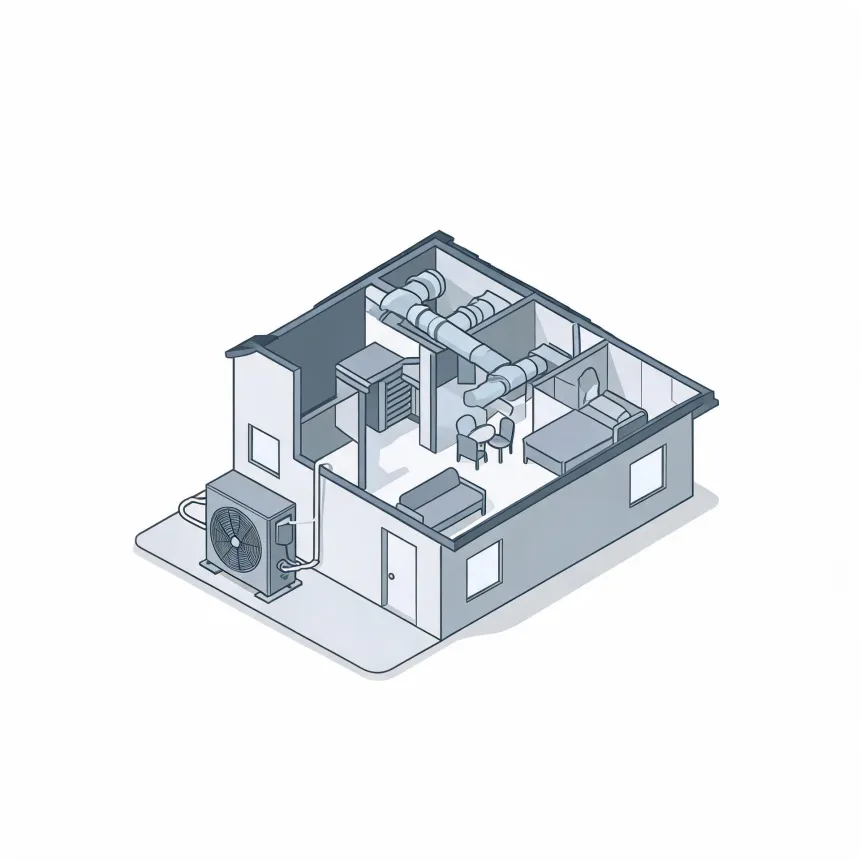
Isometric line illustration of a cutaway house showing interior rooms with furniture and ceiling ductwork, connected to an outdoor condenser unit with a fan beside the building.
Your air conditioner works hardest from May through September.

NOAA nClimDiv, 1991–2020 normals

Austin runs its AC from April through October, seven months straight.

March is the month to get it checked, before the heat hits and the system has to run hard for months.

Half the homes in Travis County were built in 1999 or later, which means a lot of these systems are still within their working life. A yearly check is what keeps them there.

Half the homes here were built by 1999
Cooling runs April through October
Summer afternoons average 95°F
Austin's weather is hard on outdoor units147 hail events hit Travis County in the last ten years

A dirty filter is the start of most of this. Airflow drops, the coil behind it gets colder than it should, and moisture in the air starts freezing to it instead of draining away. Once that coil ices up, the system is cooling less and working harder to do it. The outdoor coil matters just as much. If it's caked with dirt or grass clippings, the unit can't shed heat the way it needs to, and it runs long and hot trying anyway. Then there's the drain line, the part nobody thinks about until water shows up somewhere it shouldn't. That line carries condensation out of the house, and algae or sludge can clog it over time. A clogged drain backs up into the pan, and from there it can overflow onto the floor or the ceiling below. A yearly check clears the line, cleans the coils, and gets the filter back to doing its job.

A system running hard all summer is worth checking once

Electricity here runs 14.94 cents per kilowatthour, and the AC is the biggest draw on that bill for months at a stretch. A dirty coil or a clogged filter makes the system run longer to do the same job, and every extra hour shows up on the meter. A yearly check keeps it running the way it's supposed to.

Find a contractor
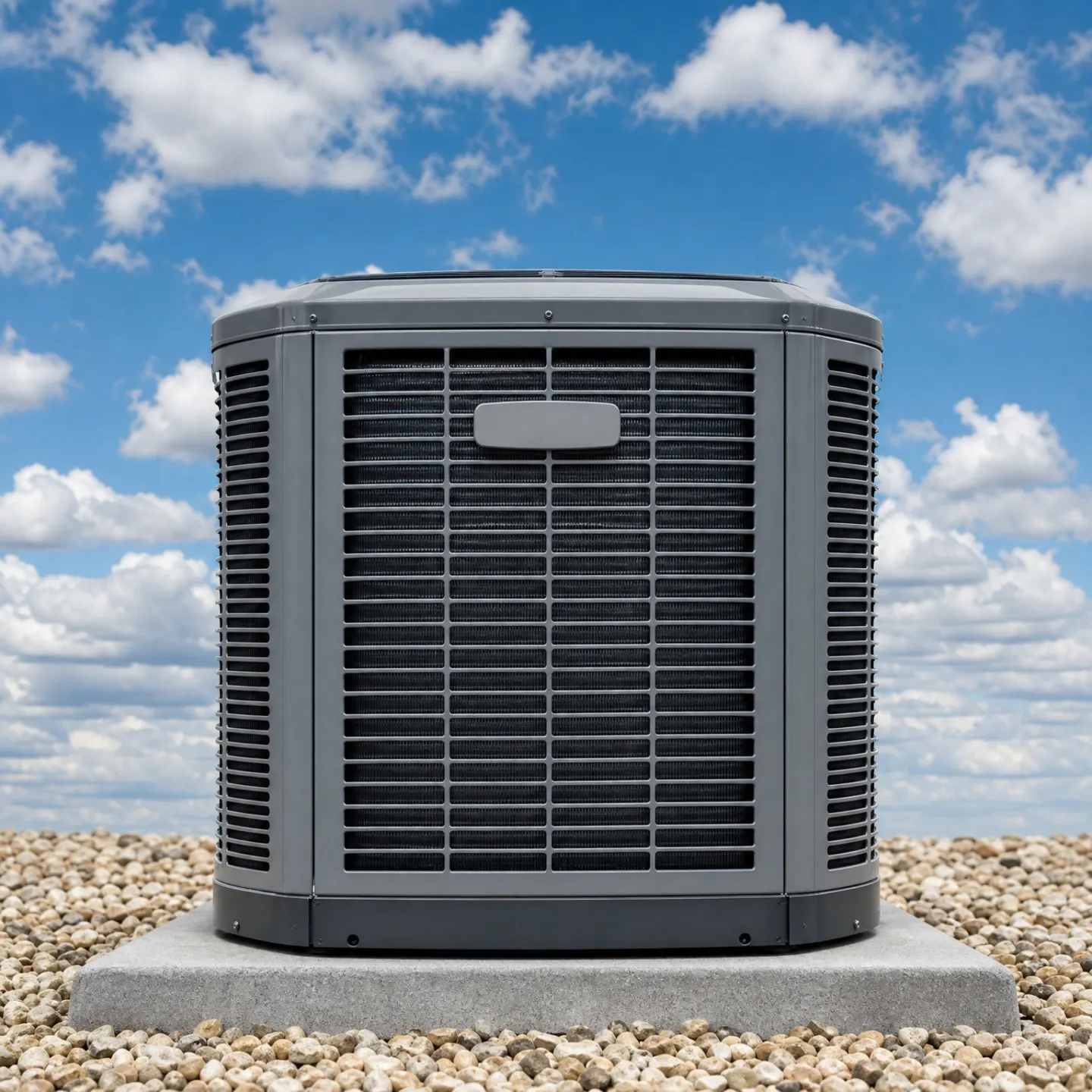
An outdoor air conditioning condenser unit mounted on a concrete pad surrounded by gravel, photographed against a partly cloudy blue sky.

Keep a newer system where it is

A system still inside its working life is worth keeping there. The yearly check is what does it, catching a weak capacitor or a coil starting to cake up while it's still a small thing to fix.

The small parts wear out quietly

A capacitor weakens over several years before it fails outright, and a contactor's points pit a little more with every cycle it runs. Without a yearly check, nobody sees this happening. The system keeps running fine until the day the capacitor can't kick the compressor on at all, and what would have been a quick swap turns into a no-cool call.
The compressor pays for everything upstream

A dirty coil, a low charge, a weak capacitor, none of them stop the system right away. They just make the compressor work harder to get the same result. It's built to run that way for a while, not for years on end. Skipped maintenance wears it down faster, and it's the one part in the unit that usually can't just be swapped out on its own.

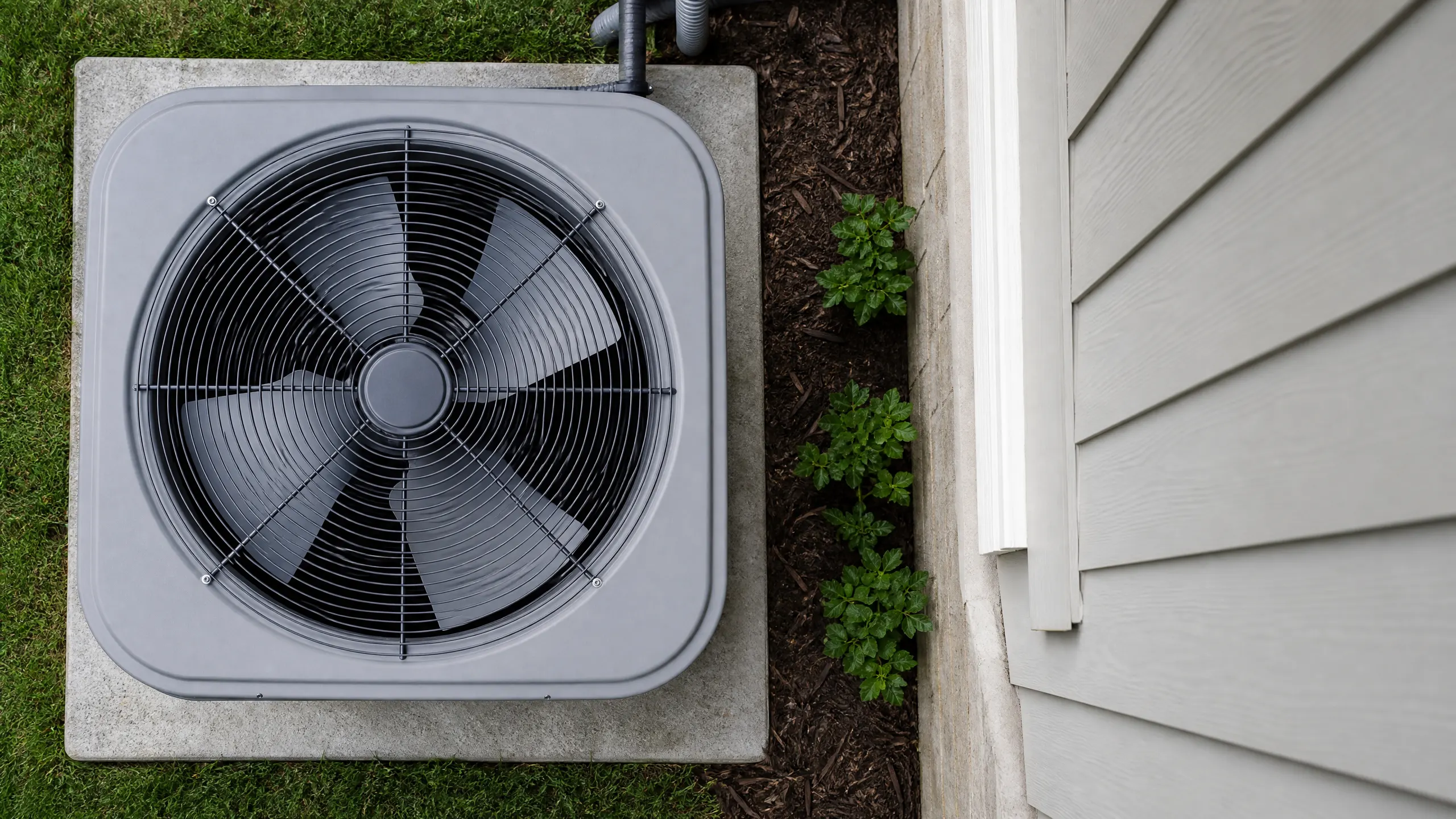
Aerial view of a gray central air conditioning condenser unit on a concrete pad next to a house with vinyl siding.

Book your AC tune-up in March, before homes here start needing cooling in April.

  1. Jan
  2. Feb
  3. Mar
  4. Apr
  5. May
  6. Jun
  7. Jul
  8. Aug
  9. Sep
  10. Oct
  11. Nov
  12. Dec

A tune-up checks the refrigerant charge, cleans the coils, tests the capacitor and tightens the electrical connections.

A tune-up starts with the refrigerant charge. A tech hooks up gauges and checks the pressure against what the system is supposed to run at. Too little and the coil can't pull heat out of the air the way it should. Too much and the compressor works harder than it needs to. From there it's the electrical side. That means checking the capacitor's strength, looking at the contactor's points, and making sure nothing is drawing more current than it should. The condensate drain gets cleared so it can't back up later. Both coils get cleaned, since dirt on either one makes the whole system work harder to do the same job. Last thing is watching it run a full cycle, because some problems only show up once the system has been going a few minutes.